

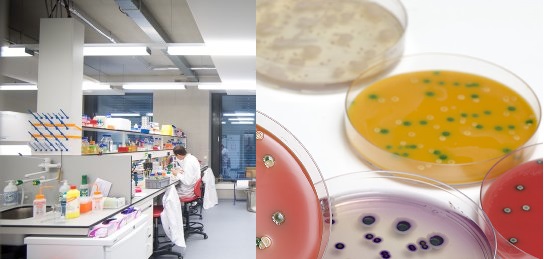
The laboratory diagnosis of fungal infection is mainly based on microscopy and cultural techniques. Several […]
Author: Dr. Chika Ejikeugwu
Dr. Chika Ejikeugwu is a Microbiologist, Researcher, and Educator with an extensive international profile. He was a Fellow of the Alexander von Humboldt (AvH) Foundation, Germany from 2023-2026. Currently, he serves as a Research Fellow at the Department of Microbiology, Brandenburg University of Technology (BTU) Cottbus-Senftenberg, Germany. His research focuses on antimicrobial resistance (AMR) and the ecological impacts of antibiotics, with particular emphasis on soil ecosystems. He is the founder and developer of Africa’s leading microbiology platform, www.MicrobiologyClass.net, a widely recognized knowledge hub that supports students, professionals, and researchers across Africa and beyond. The platform is a key resource for advancing microbiology education and research with global reach and relevance.
Throughout his career, Dr. Ejikeugwu has held several prestigious international research appointments and fellowships, including a Research Fellowship at the Helmholtz Centre for Environmental Research (UFZ), Leipzig, Germany, within the soilRESIST project, where he investigated the effects of antibiotic mixtures on soil microbiomes. He has also completed postdoctoral fellowships at the Federal Institute for Materials Research and Testing (BAM), Berlin, Germany, under the DAAD program, and at Kyoto University, Kyoto, Japan, under the MIF fellowship scheme. In recognition of his contributions to AMR research, he received the Young Investigator Award on AMR from Institut Mérieux, France, in 2021. He is also a recipient of the NIH CAMRA grant supporting research on AMR in poultry environments.
Dr. Ejikeugwu was a member of the Global Young Academy (GYA), Germany, and holds memberships in several professional organizations, including Applied Microbiology International (AMI), the European Society of Clinical Microbiology and Infectious Diseases (ESCMID), the American Society for Microbiology (ASM), and the Nigerian Society for Microbiology (NSM). He earned his PhD. in Pharmaceutical Microbiology and Biotechnology in 2017 from Nnamdi Azikiwe University, Nigeria. In his current role as Reader at ESUT, Nigeria, he is deeply engaged in teaching, mentorship, and research leadership. He supervises undergraduate and postgraduate students, fostering academic development and strengthening capacity in microbiology and AMR research. Driven by a sustained commitment to scientific excellence, education, and international collaboration, Dr. Ejikeugwu continues to contribute significantly to the advancement of microbiology and AMR research worldwide.
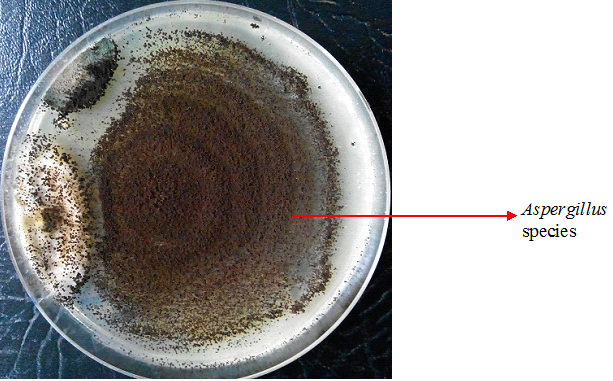
MYCOTOXINS
Mycotoxins are exotoxins produced by fungi. The area of microbiology that studies fungi and the […]
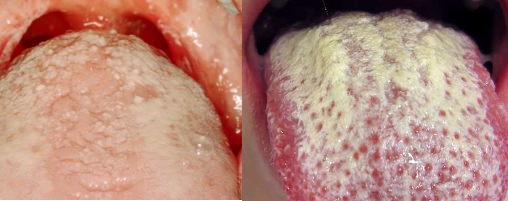
ORAL THRUSH (ORAL CANDIDIASIS)
Oral thrush (oral candidiasis) is a localized fungal infection caused by C. albicans in the […]
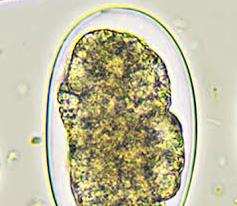
Classification of parasites that parasitize humans
Generally, parasites can be classified into two major groups: Endoparasites are parasites that live inside […]
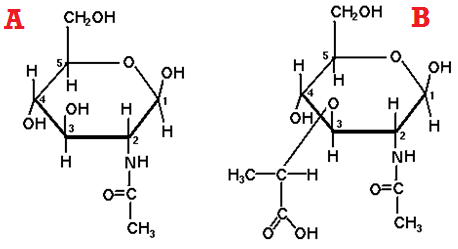
TRANSPEPTIDATION REACTION
Transpeptidation reaction is the chemical reaction that forms the peptide cross-links or bonds during the […]
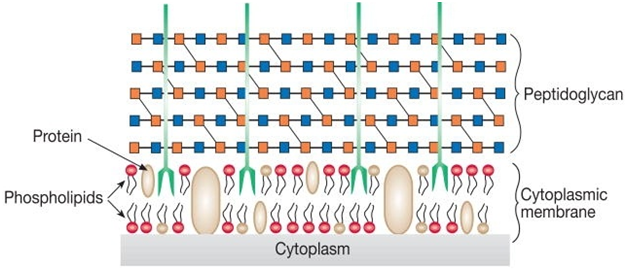
BACTERIAL CELL WALL
Cell wall is a layer that is present outside the plasma or cytoplasmic membrane of […]

EUKARYOTIC CELLS
Eukaryotic cells are organisms or cells that have a membrane-bound nucleus. They are distinct group […]

CLASSIFICATION OF MUTATION BY THEIR EFFECTS ON THE DNA MOLECULE
Based on their effects on the structural integrity of the DNA molecule, mutations can be […]

MUTATION: definition, types and causes
The term mutation is derived from the Latin word “mutare” – which means “to change”. […]

Molecular Manipulation of Microorganisms: significance and applications
Microorganisms including bacteria, fungi, algae and viruses are important tools used for a wide variety […]
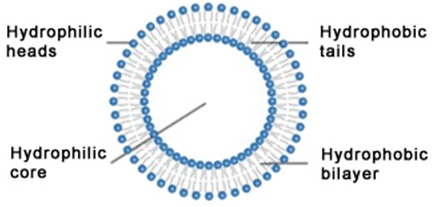
LIPOSOMES: relevance & applications
The phrase liposome is derived from two Greek words: Lipos which means “fat” and Soma […]
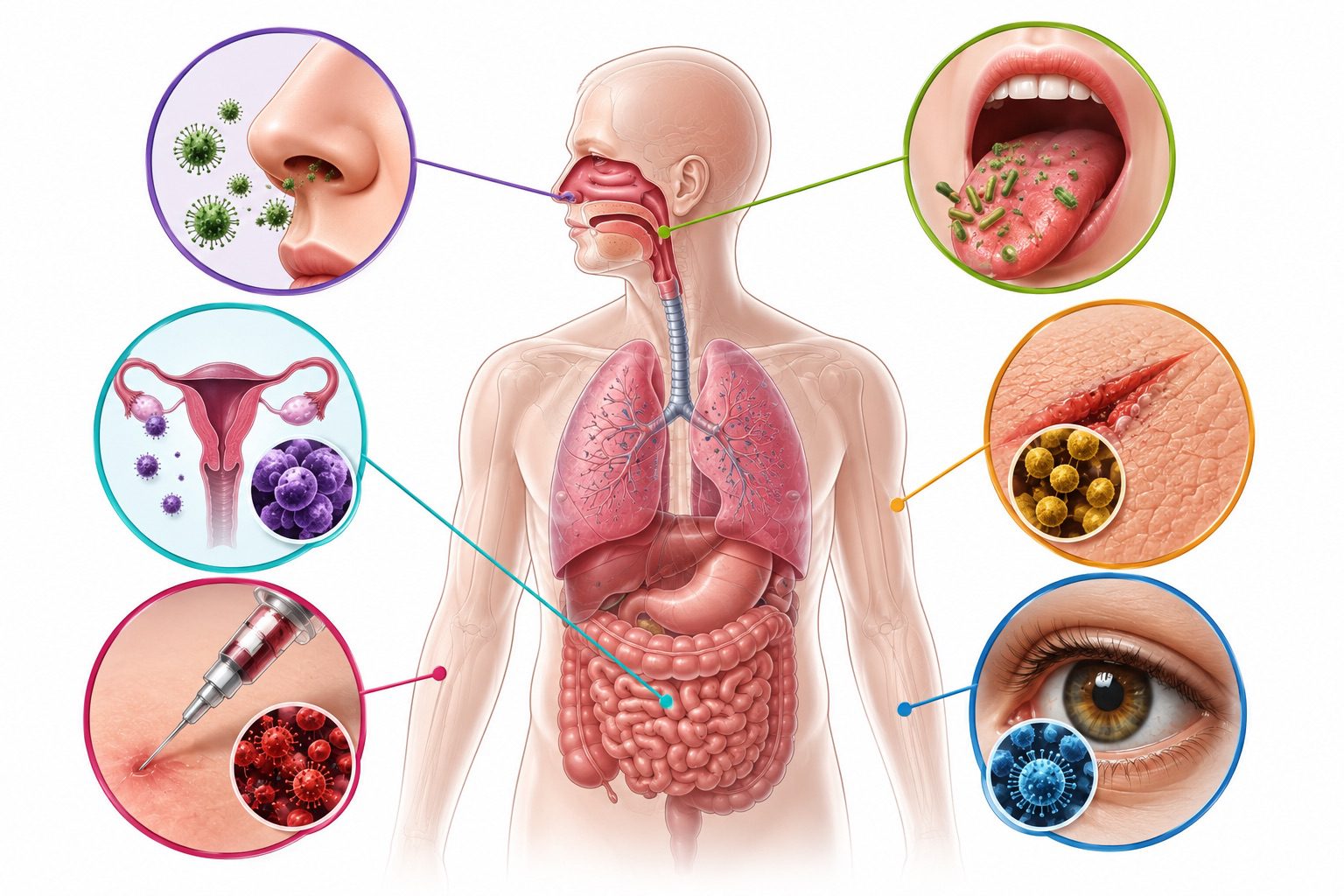
Portal of Entry of Infectious Agents into the Human Body
Infectious diseases remain a major cause of morbidity and mortality worldwide despite significant advances in […]
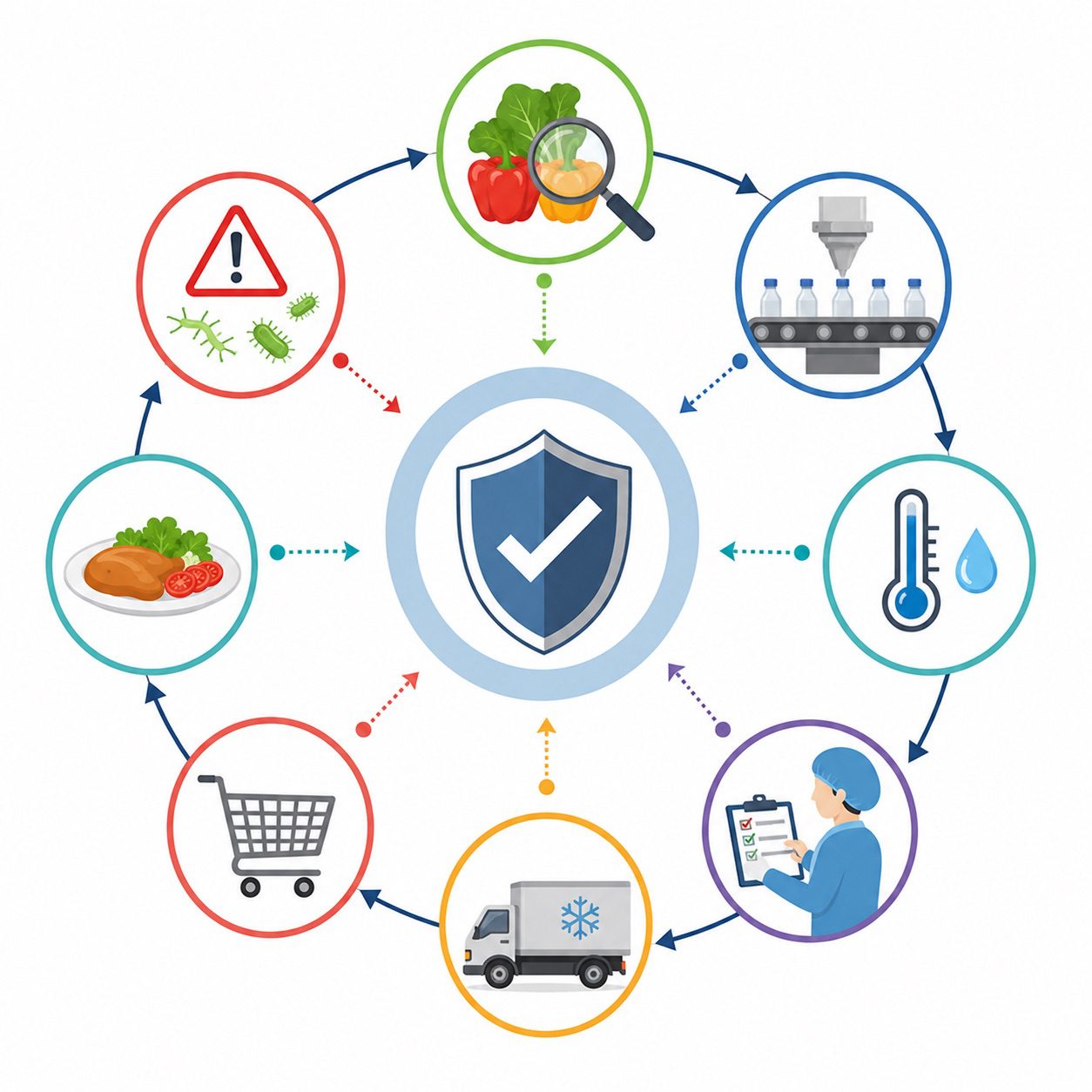
Hazard Analysis Critical Control Point (HACCP)
Hazard Analysis Critical Control Point (HACCP) is a preventive, science-based food safety management system designed […]

Indicator Organisms
Indicator organisms are microorganisms used as biological markers to assess the microbiological quality, hygienic status, […]
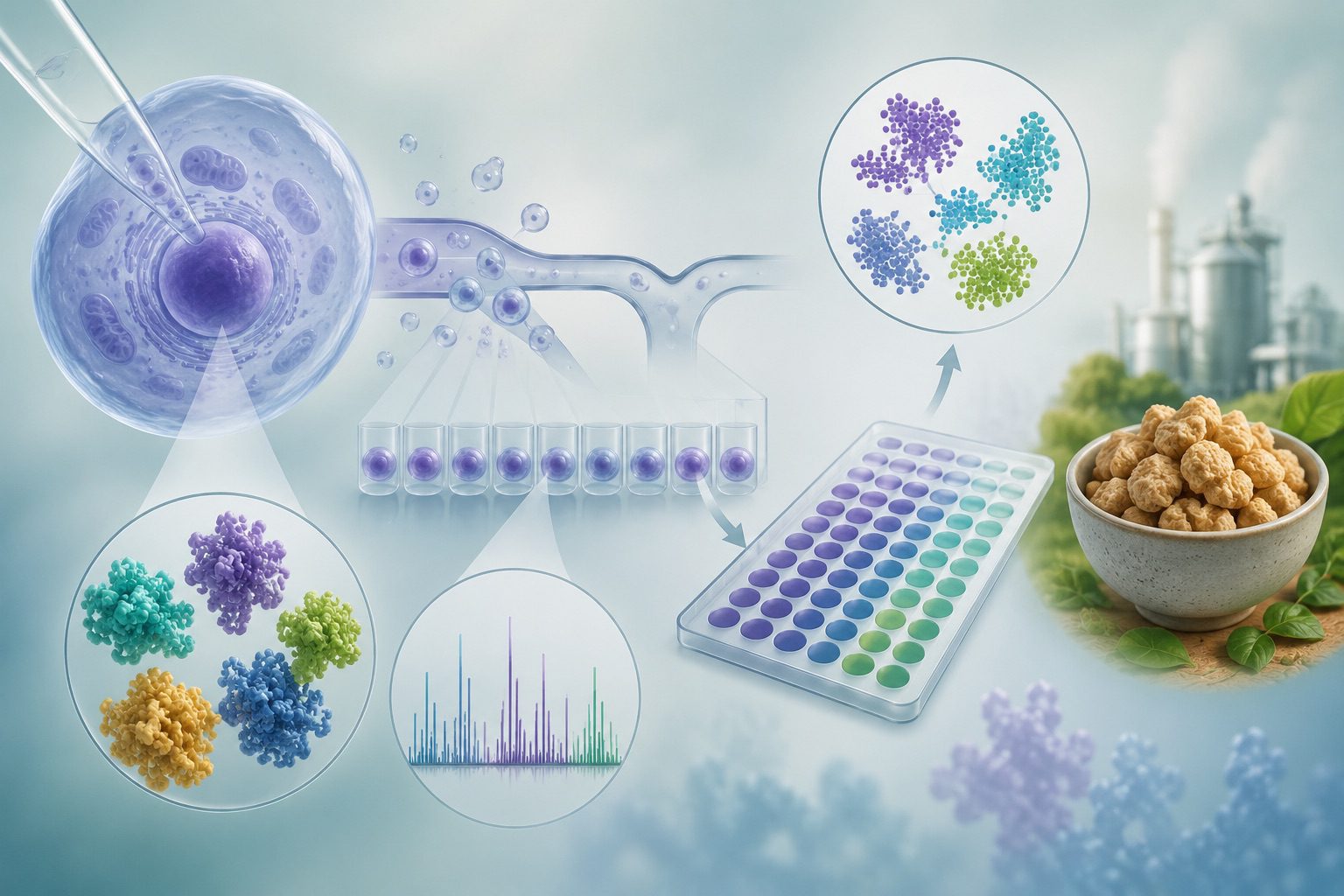
Feeding the Future: How Single Cell Proteins Can Help Solve Global Malnutrition
As the global population races past 8 billion and continues to rise, the urgency to […]
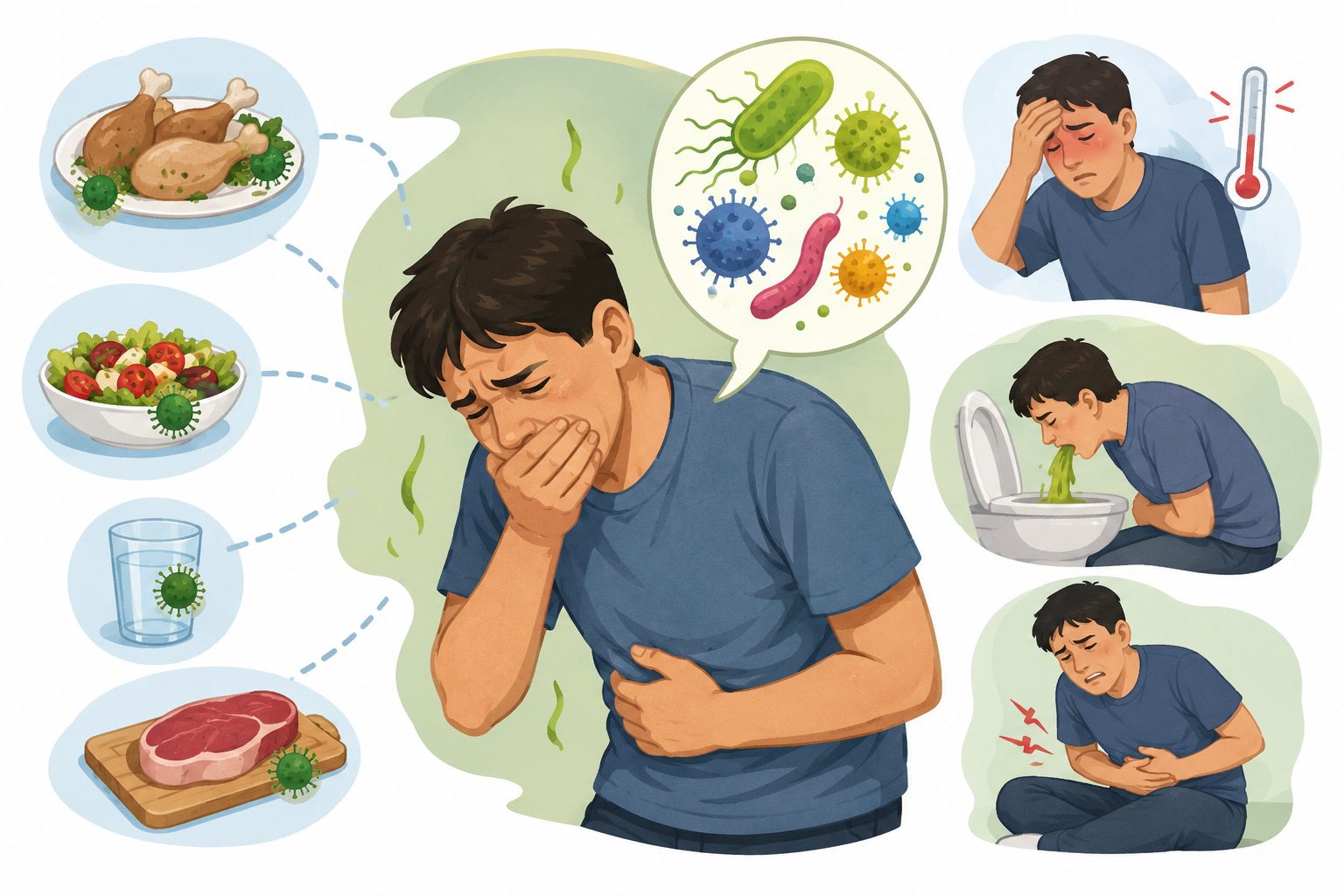
Food Poisoning
Food safety remains one of the most significant public health concerns worldwide. This is because […]
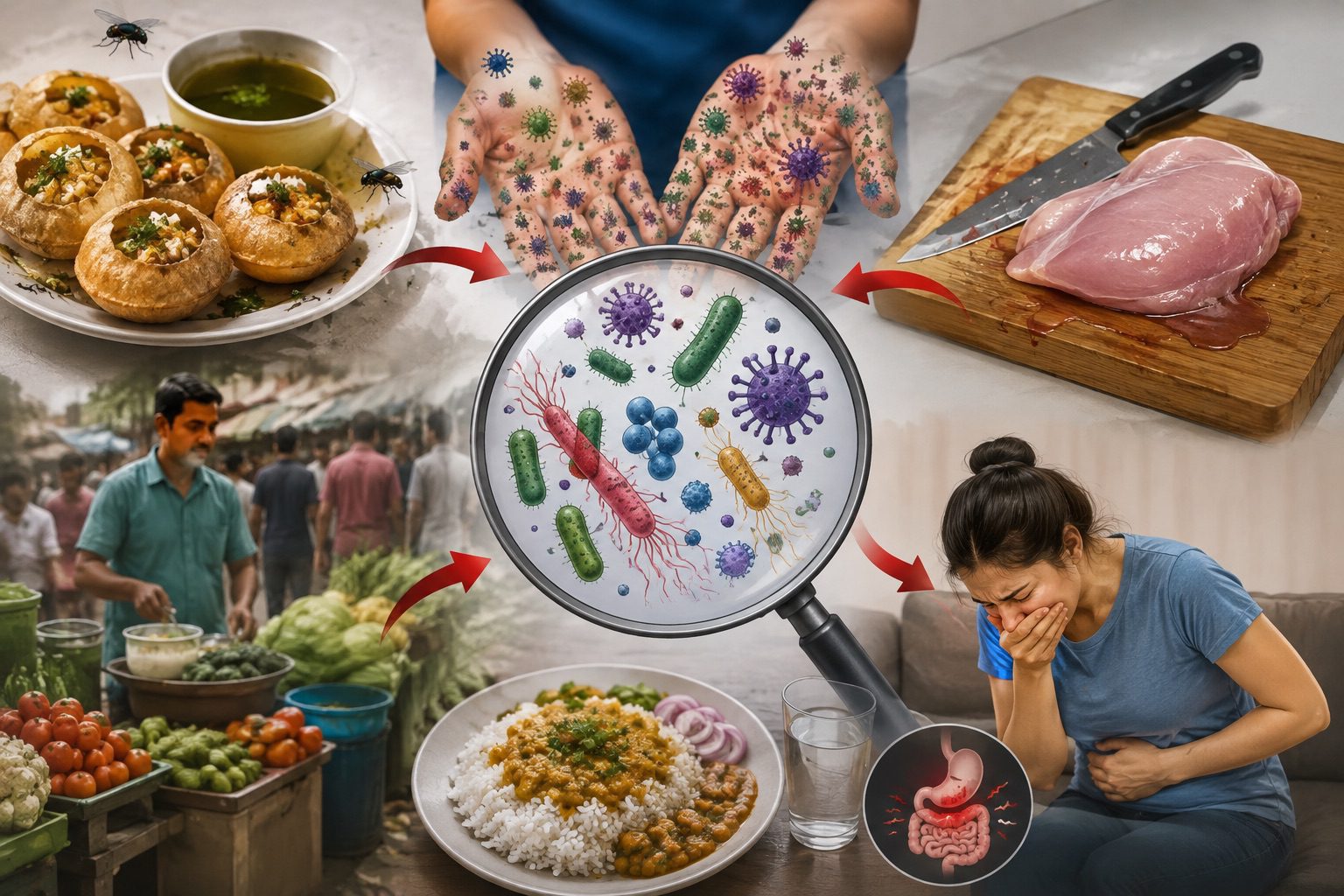
Food Borne Diseases
Food borne diseases represent one of the most significant public health challenges worldwide. It affects […]

Sources of Microbial Contamination of Food
Food is continuously exposed to a wide spectrum of microorganisms throughout its journey from primary […]

Extrinsic Factors of Food Spoilage
Food spoilage is a complex biological and chemical process that results in the deterioration of […]

Intrinsic Factors of Food Spoilage
Food spoilage represents a complex biological and chemical phenomenon that diminishes the safety, nutritional quality, […]

Food Spoilage
Food is a fundamental requirement for human survival. It provides the nutrients and energy necessary […]
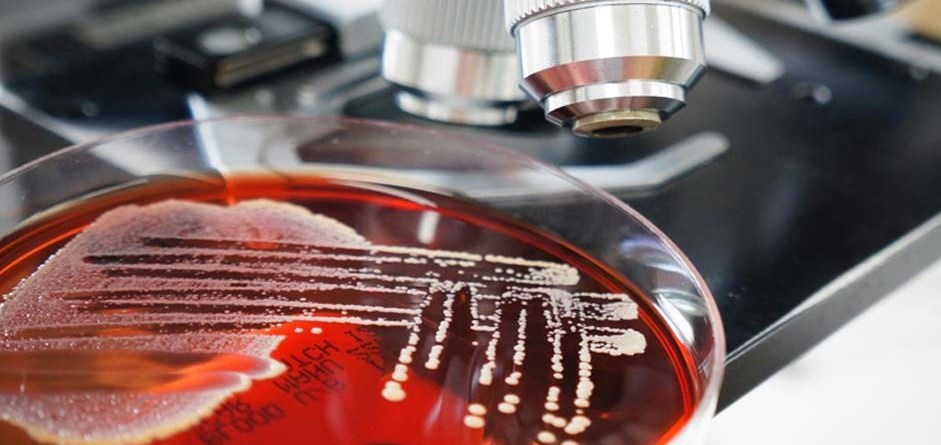
Collection and processing of various clinical samples in the microbiology lab
COLLECTION OF SPUTUM Sputum specimens are collected from patient’s suspected to have respiratory disorders example […]
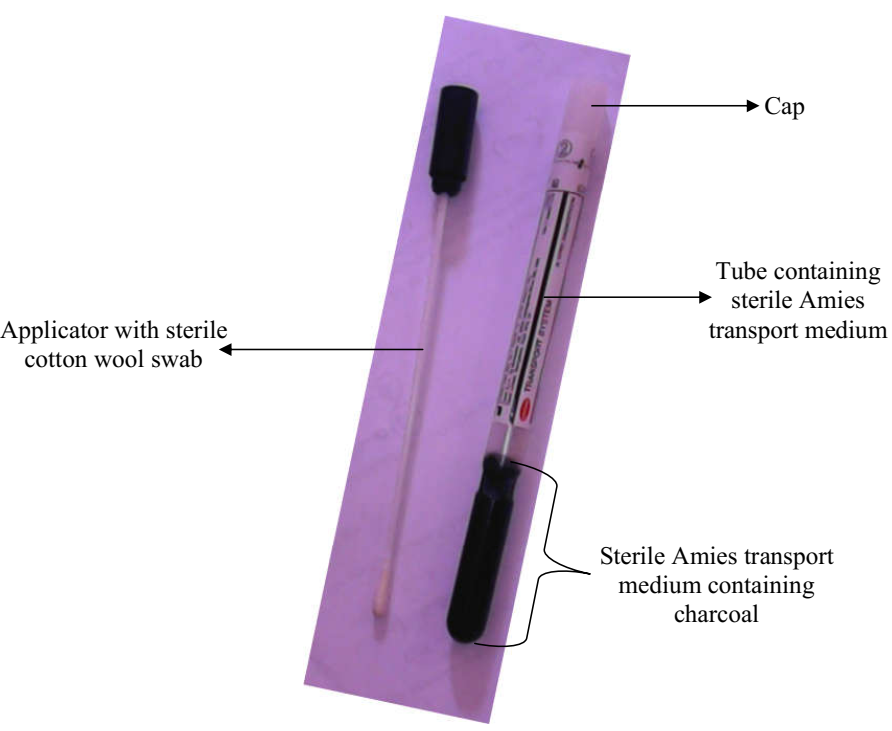
Specimen Collection in Microbiology Lab
The sample collection unit is one of the most important units in the clinical microbiology […]
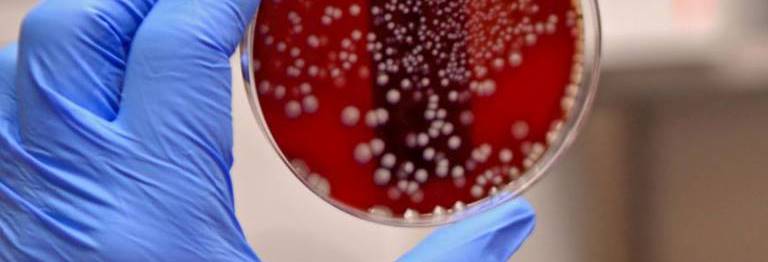
IMPORTANCE OF MICROORGANISMS
Microorganisms are studied for diverse reasons. These microscopic forms of life play tremendous significant roles […]
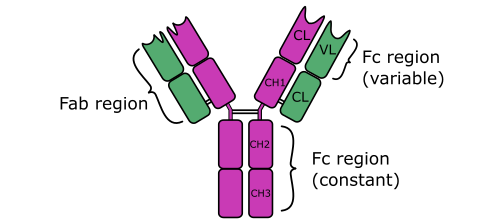
IMMUNOGLOBULIN D (IgD)
Immunoglobulin D (IgD) is an antibody with the basic four polypeptide structure of an immunoglobulin […]
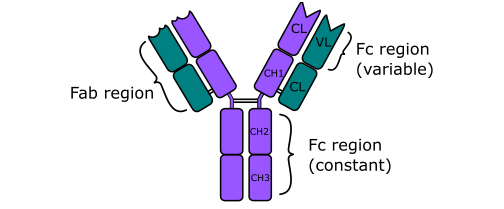
IMMUNOGLOBULIN G (IgG): Structure, Function, and Clinical Significance
Structural Characteristics and Molecular Properties Immunoglobulin G (IgG) is a monomeric antibody that represents the […]
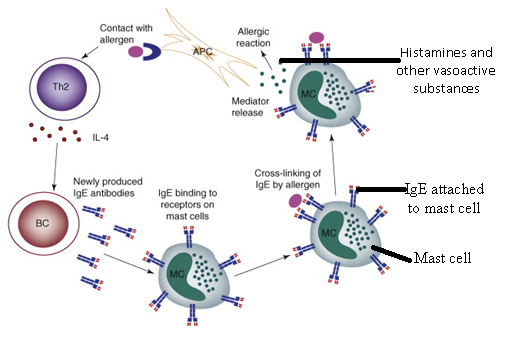
IMMUNOGLOBULIN E (IgE)
Immunoglobulin E (IgE) is an antibody that is known to bind to host tissue cells […]
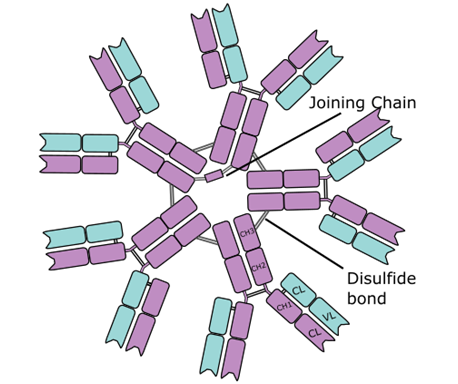
IMMUNOGLOBULIN M (IgM)
Immunoglobulin M (IgM) is an antibody that mainly exist as a pentamer i.e. it consists […]

COLOSTRUM
Colostrum is the first secretion of the mammary gland (breast) produced before proper lactation commences […]
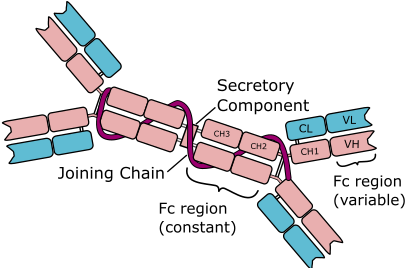
IMMUNOGLOBULIN A (IgA)
Immunoglobulin A (IgA) is an antibody found in serum (as a monomer of about 150,000 […]
TYPES OF ANTIBODIES
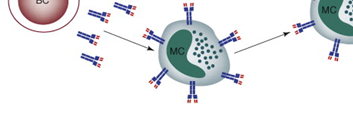
Immunoglobulins do not actually kill or eliminate pathogenic microorganisms or antigens from the body. The […]
ANTIBODIES (Immunoglobulins)
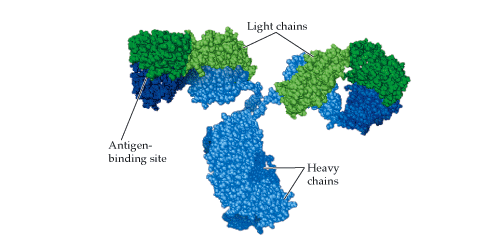
Antibodies are soluble protein molecules produced by the B cells of the immune system in […]
CHARACTERISTICS OF ANTIGENS
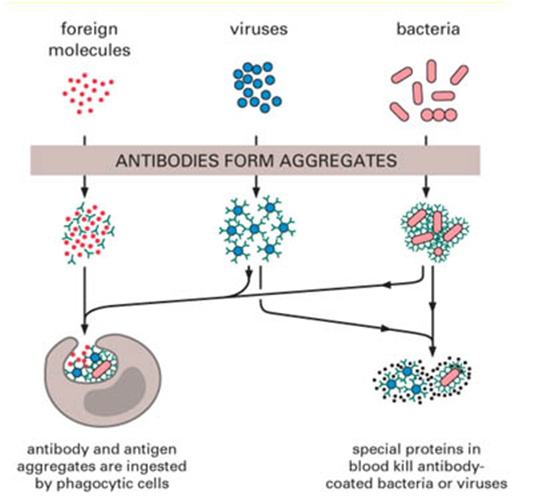
However antigenic a foreign molecule/substance may be, to be immunogenic and qualify to be called […]
Care of the Microscope: How to Properly Care for and Maintain a Microscope
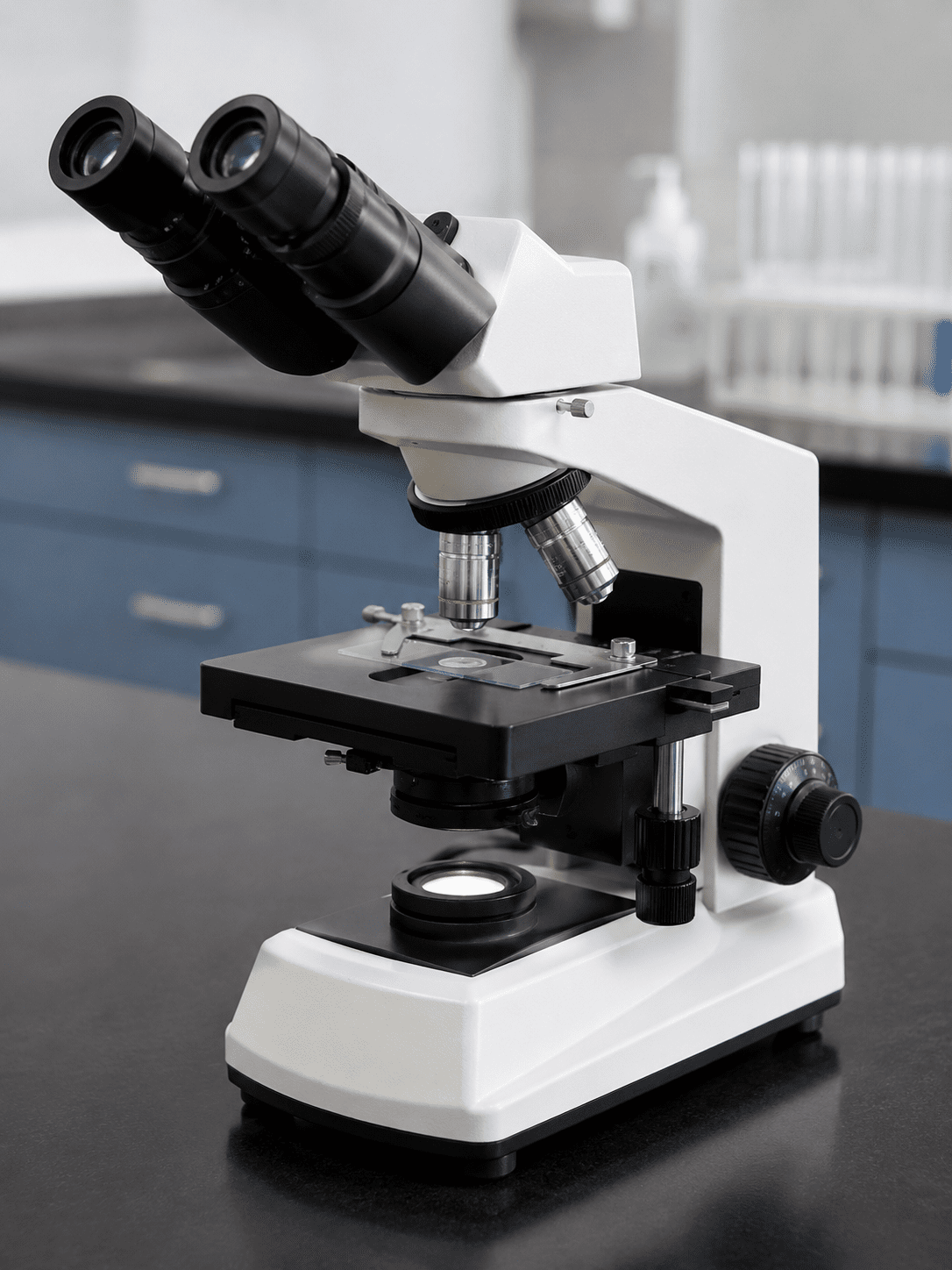
The microscope is one of the most indispensable instruments in microbiology and biomedical science. Its […]
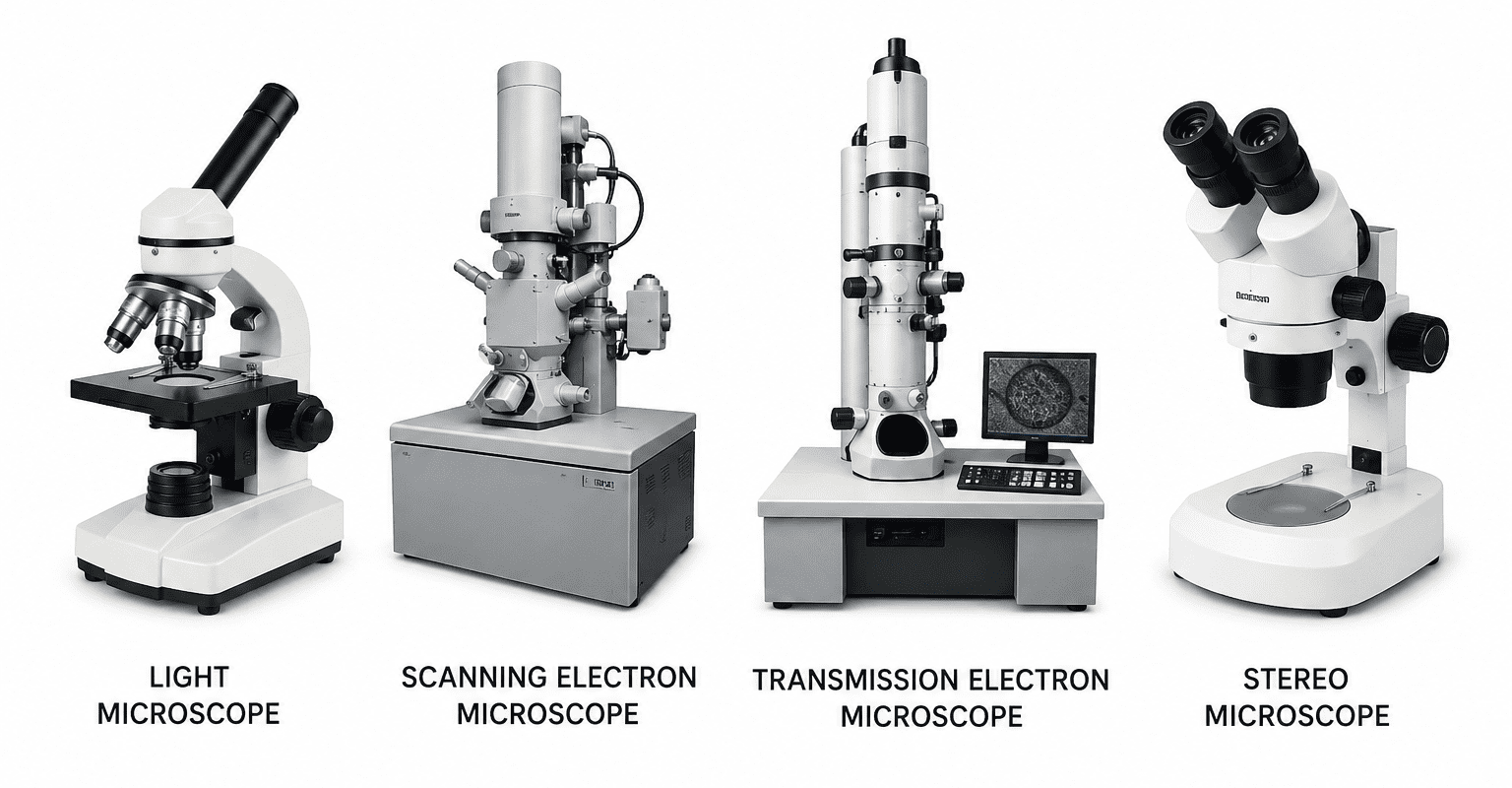
Types of Microscopes
There abound several numbers of microscopes that can be used by a microscopist to view specimens, samples, […]
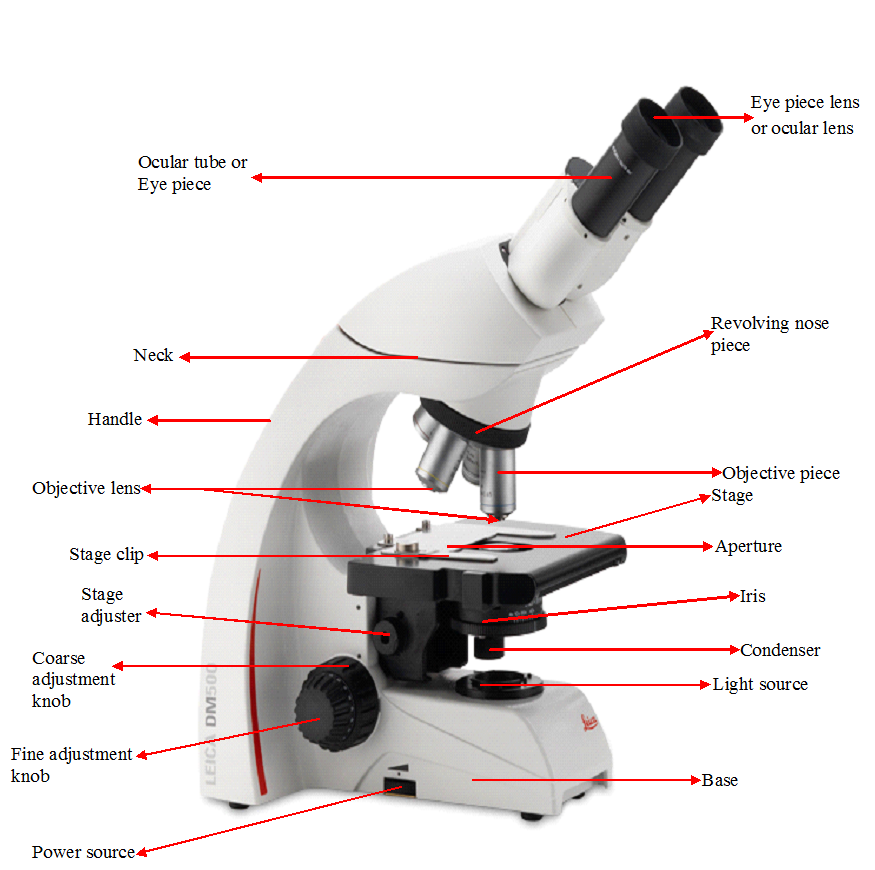
Understanding Microscope Parts: What They Do and How to Use Them
The microscope remains one of the most fundamental instruments in biological and material sciences, enabling […]
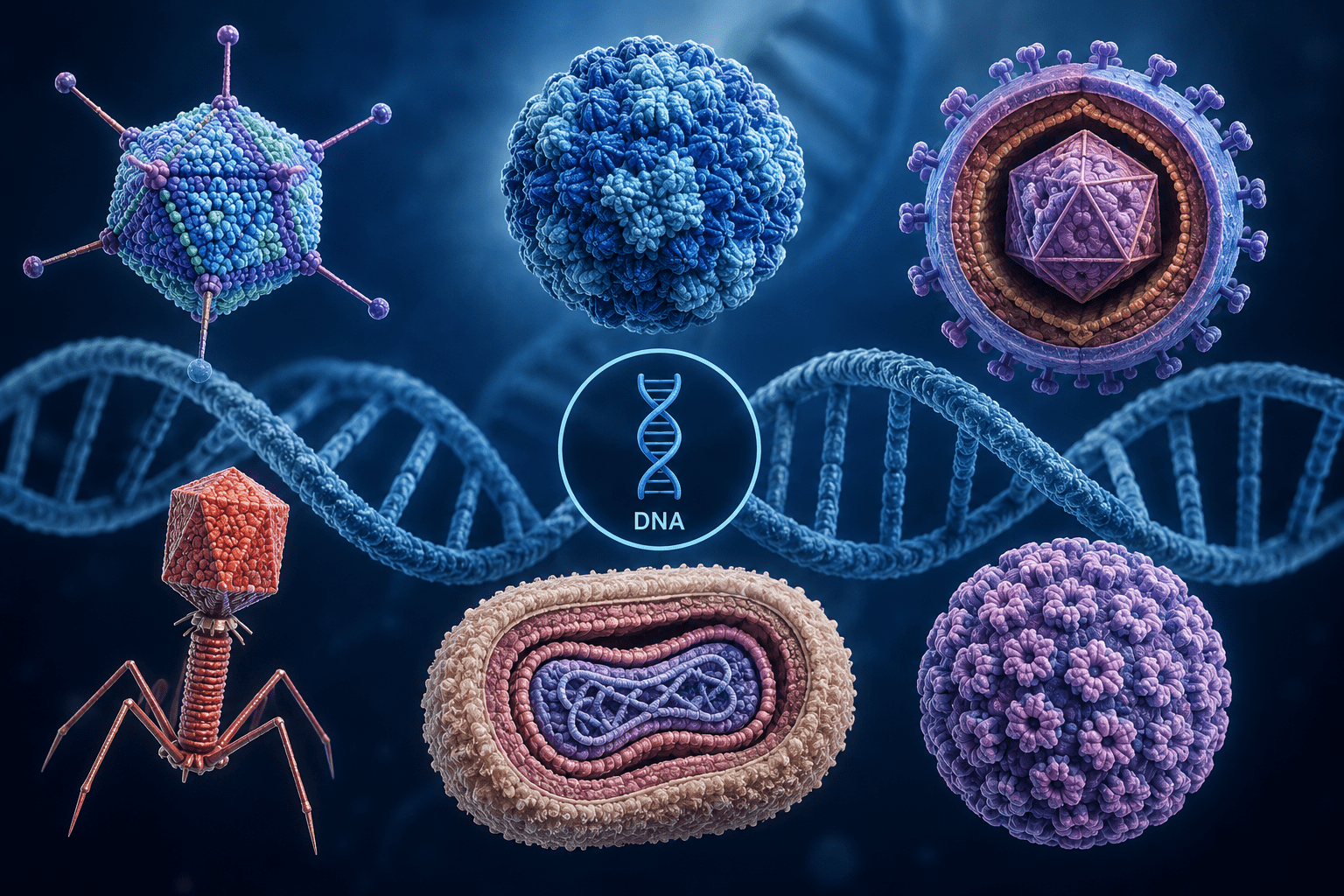
DNA Viruses: Structure, Genome Characteristics, and Intracellular Replication
DNA viruses are a major group of viruses distinguished by the presence of deoxyribonucleic acid […]
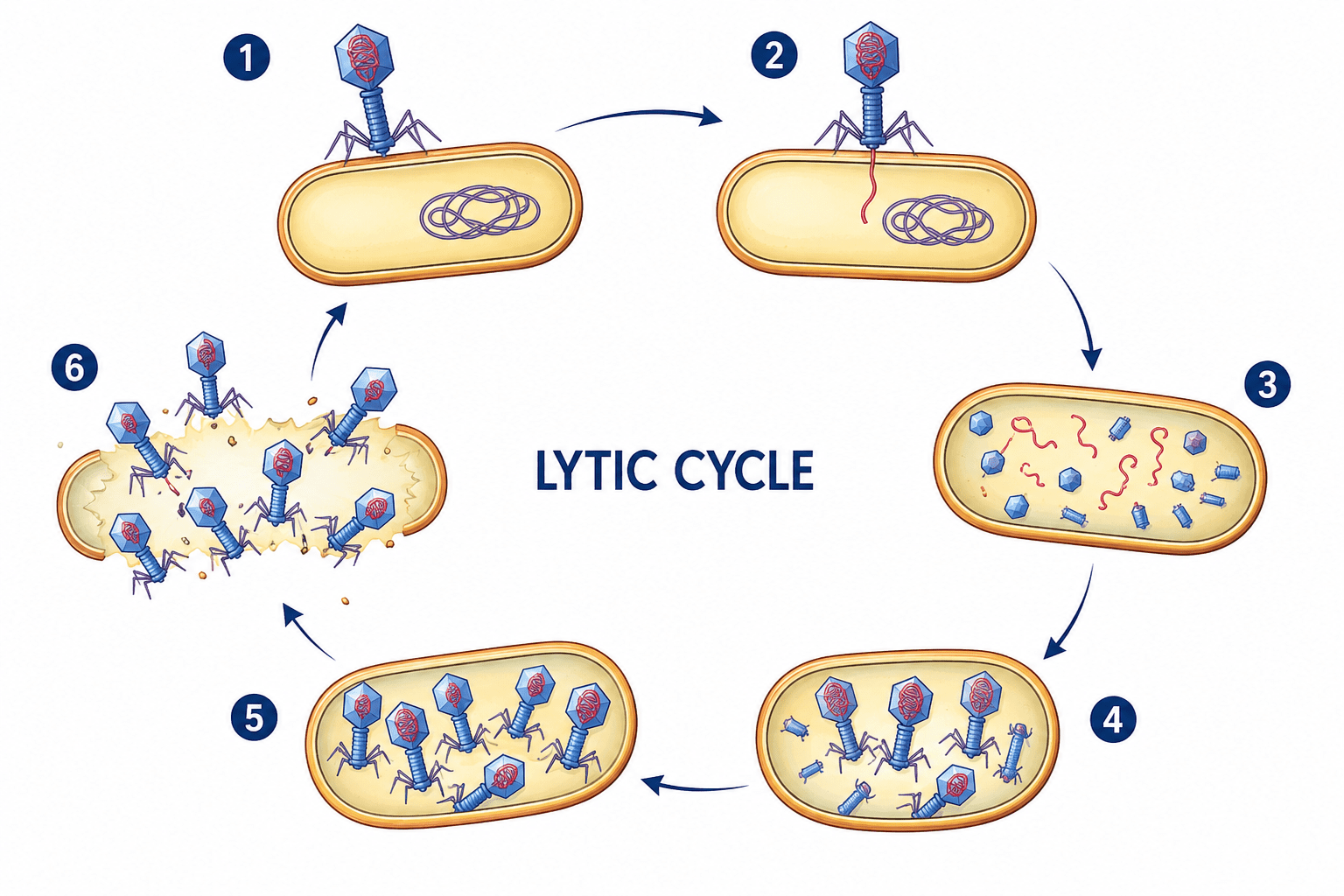
Viral Replication: Intracellular Multiplication and Production of New Virions
Viral replication refers to the biological process through which viruses generate new copies of themselves […]
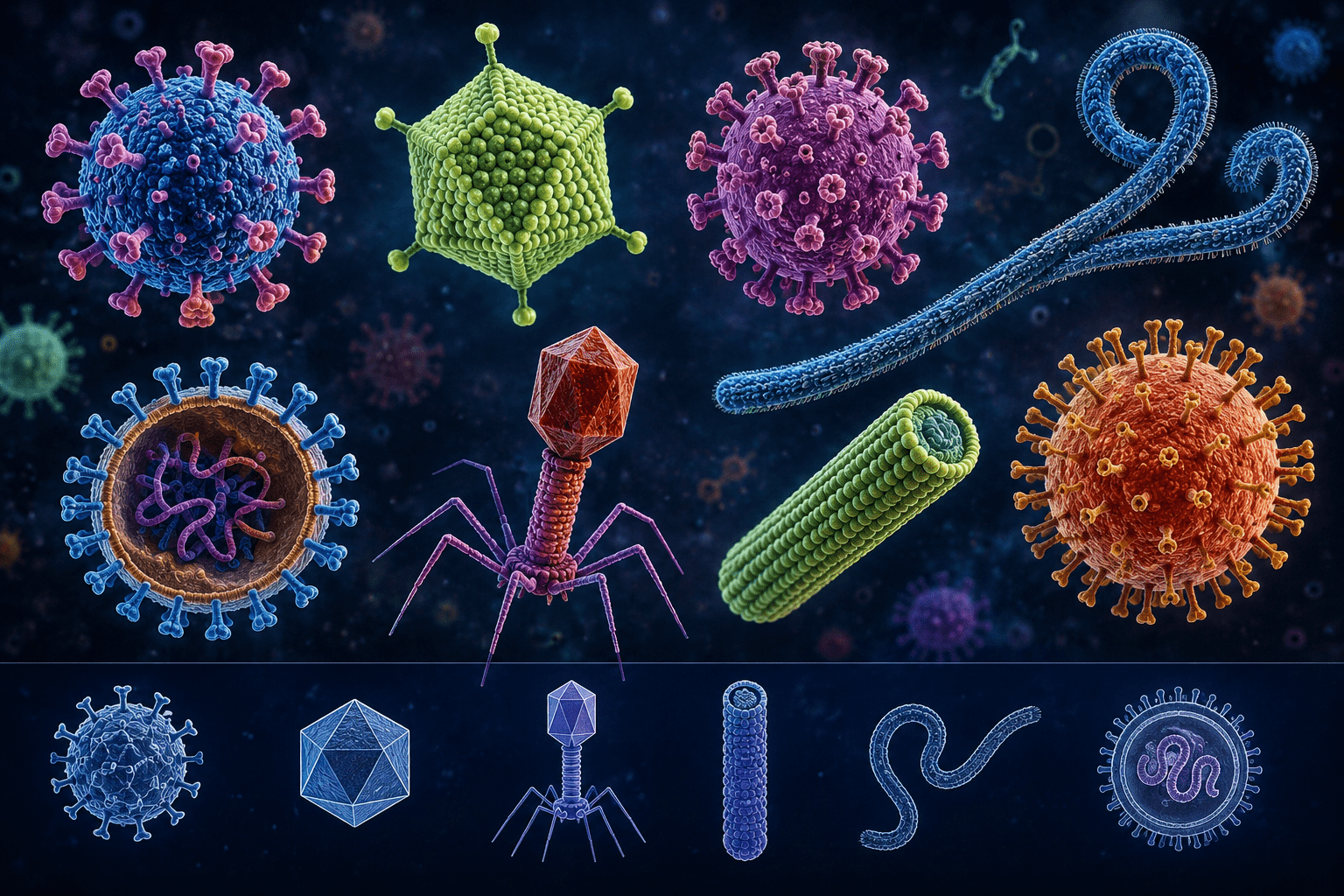
Morphology of viruses: structural diversity and functional organization
Virus morphology refers to the size, shape, and structural organization of viruses. Although viruses are […]
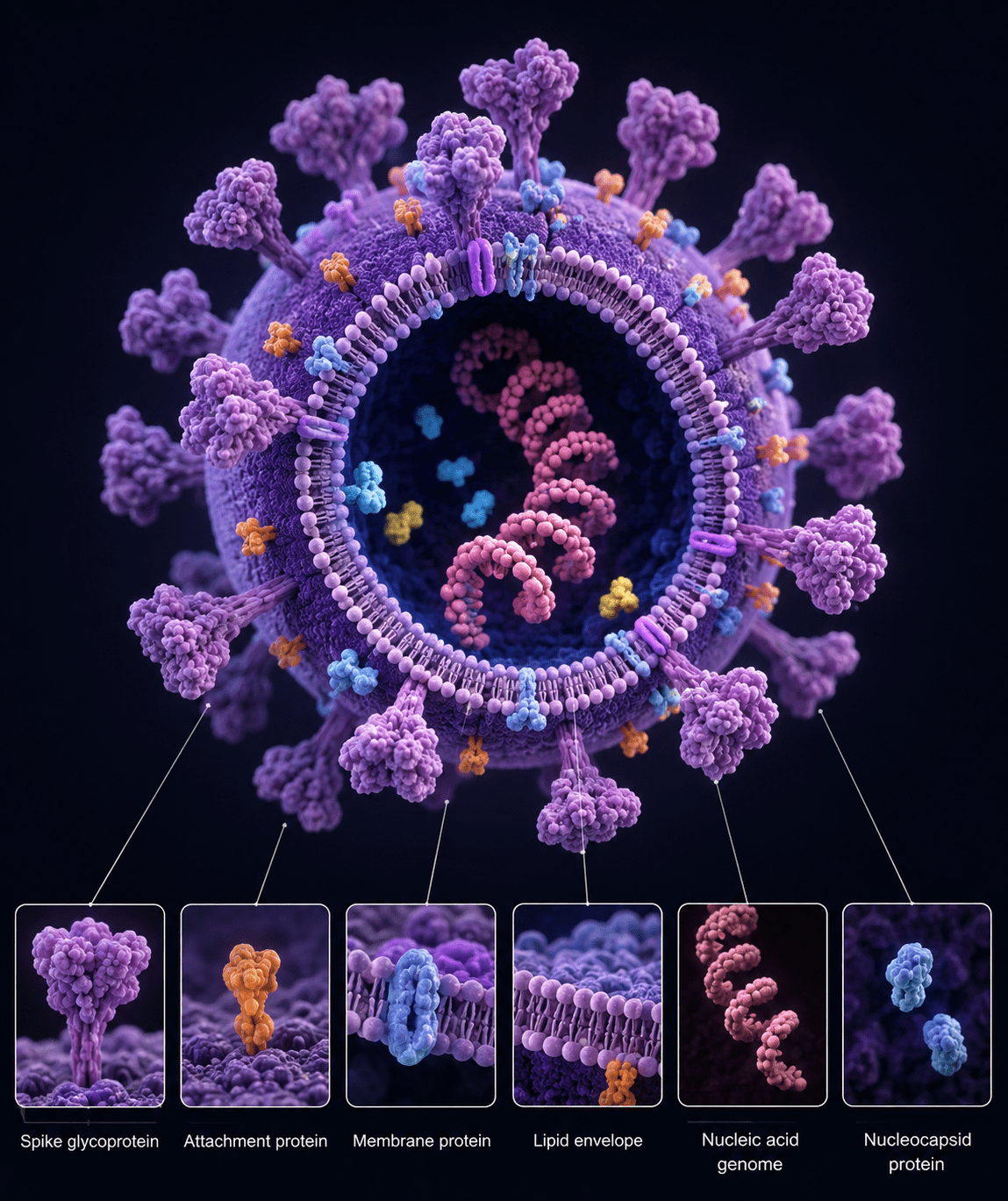
Viral Compositions: Structural and Functional Diversity of Viral Communities across Environmental and Host-Associated Systems
Viral composition refers to the collective assemblage of viral entities present within a defined environment, […]
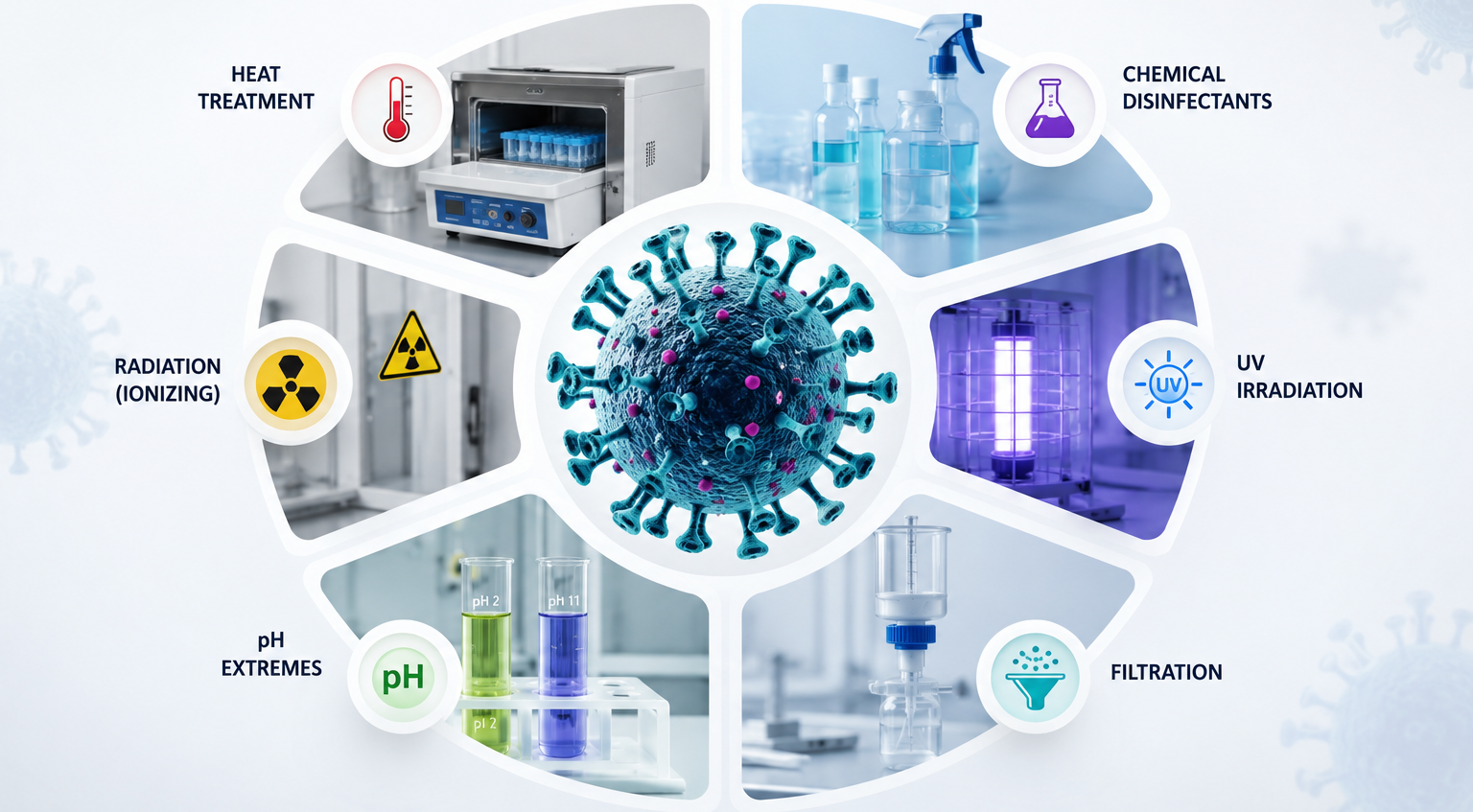
Methods used for the Inactivation of Viruses
Viruses can remain infectious in air, water, on surfaces, in biological materials, and within industrial […]

Chemical and Physical Properties of Viruses
Viruses possess a highly organized structure composed primarily of nucleic acid and protein, with some […]
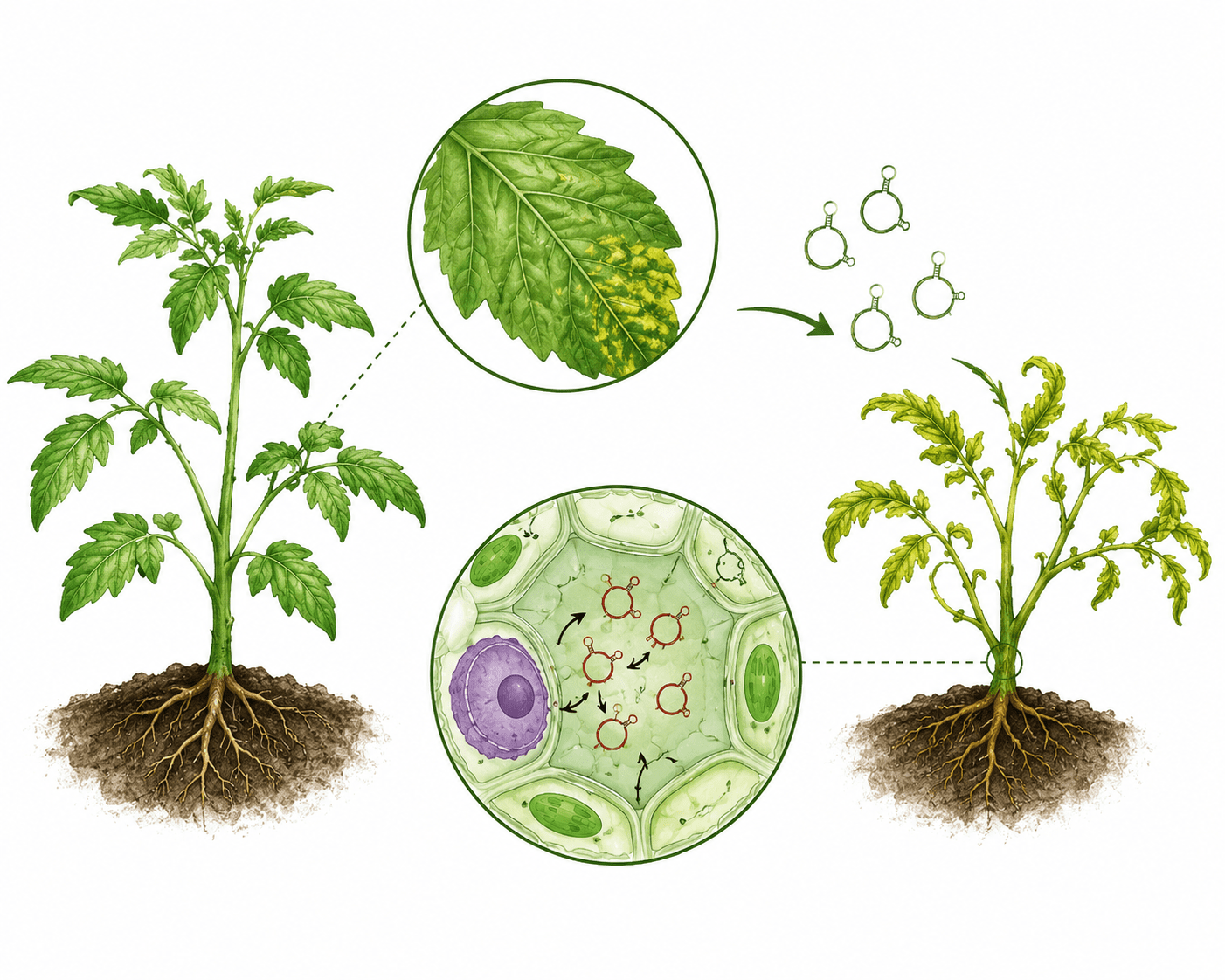
Viroids: Minimal Infectious Agents Composed of Naked Single-Stranded Circular RNA (ssRNA)
Viroids are the smallest known infectious agents. They represent a unique class of sub-viral pathogens that […]
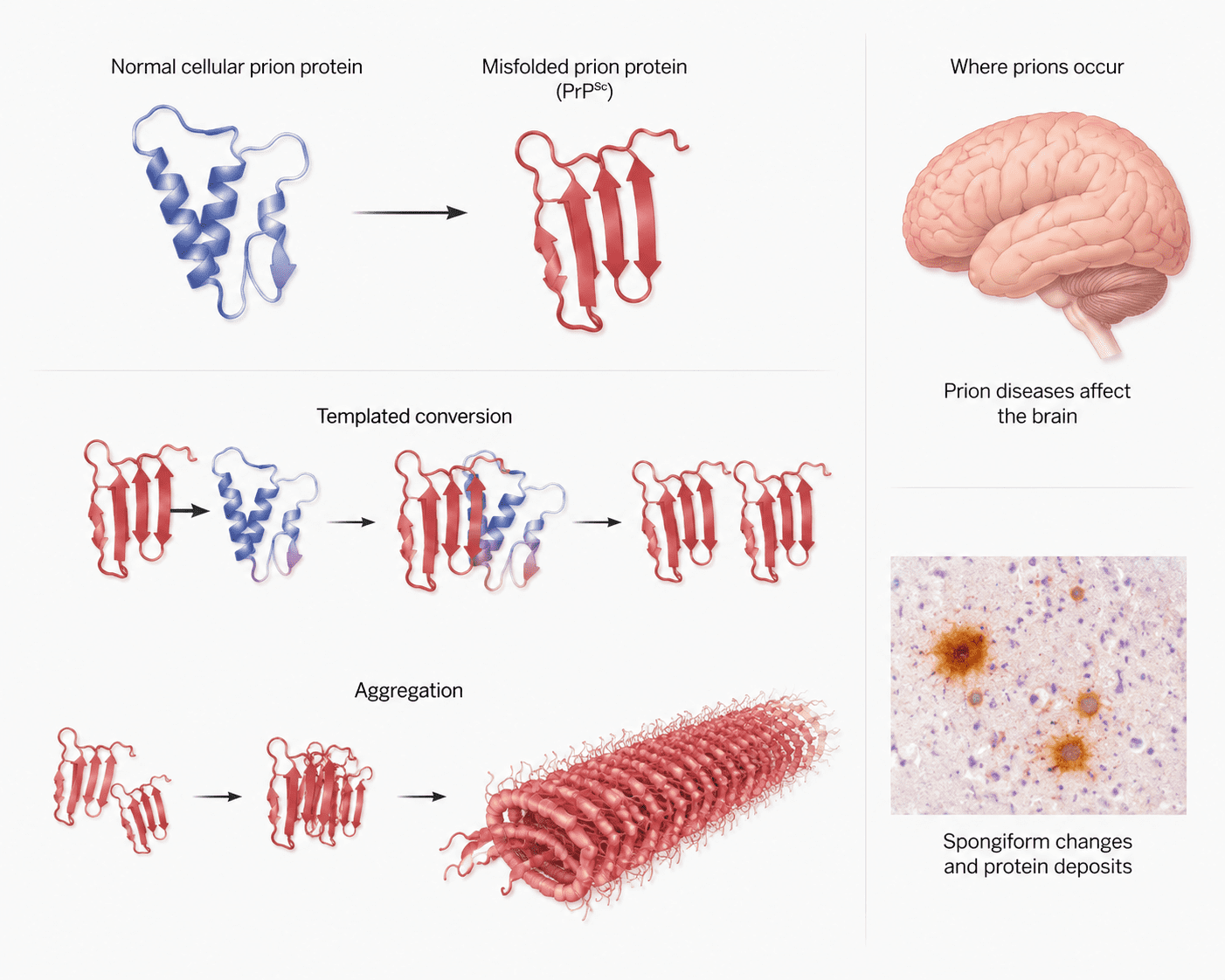
Prions: Unique Proteinaceous Infectious Agents and their Distinction from Viruses
Prions are unique sub-viral infectious agents composed primarily of proteins. Unlike conventional infectious organisms such […]
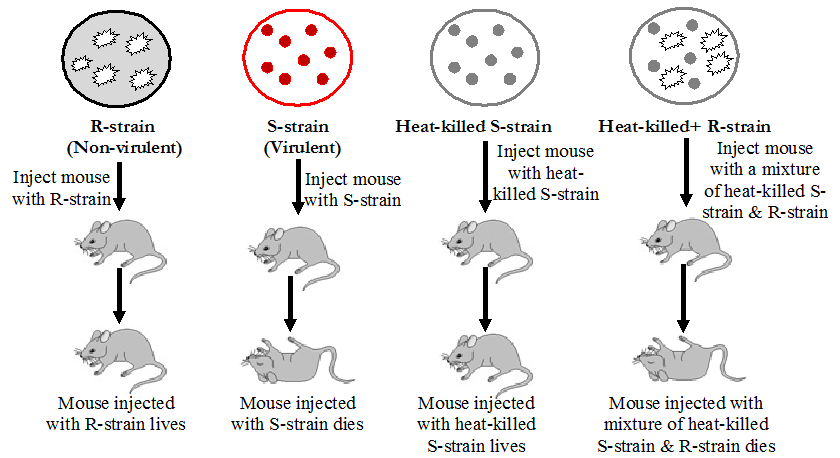
Bacterial Transformation (The Transforming Principle)
Fredrick Griffith showed in 1928 that deoxyribonucleic acid (DNA) is the genetic material of the […]
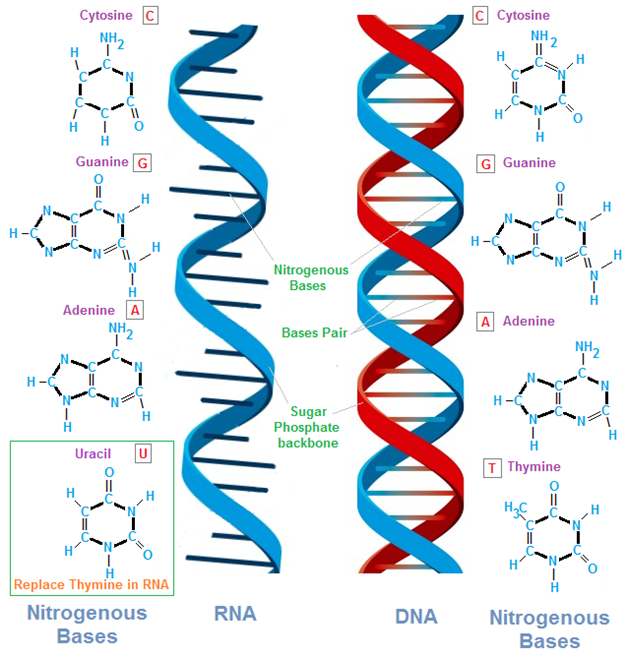
RIBONUCLEIC ACID (RNA)
An understanding of the nucleic acid molecules which include deoxyribonucleic acid (DNA) and ribonucleic acid […]

PROTEIN STRUCTURE – types and function
Proteins are a group of polypeptides that form a molecule of specific biological function; and […]
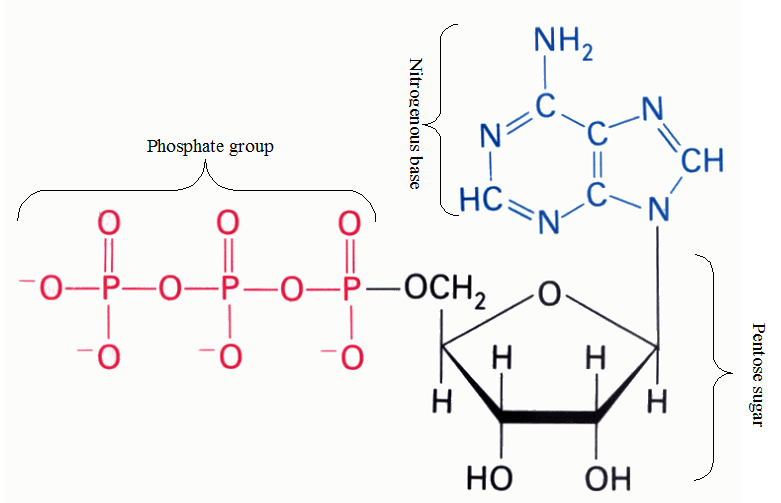
PURINES & PYRIMIDINES
Purines are heterocyclic aromatic organic compound that consist of a pyrimidine ring fused to an […]
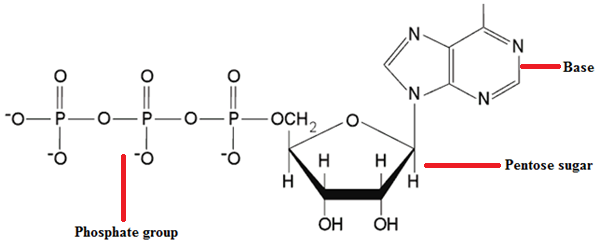
NUCLEOTIDES
Nucleotides are nucleosides with one or more phosphate groups covalently attached to the 3′ or […]
Mechanisms for uptake of nutrients by microorganisms – diffusion & active transport
Microbial cells employ a variety of mechanisms to uptake nutrients (including macromolecules, inorganic ions, water […]