

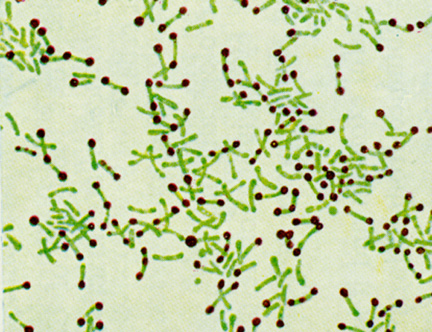
Living organisms vary in terms of their mode of nutrition i.e. how they feed or […]
Author: Dr. Chika Ejikeugwu
Dr. Chika Ejikeugwu is a Microbiologist, Researcher, and Educator with an extensive international profile. He was a Fellow of the Alexander von Humboldt (AvH) Foundation, Germany from 2023-2026. Currently, he serves as a Research Fellow at the Department of Microbiology, Brandenburg University of Technology (BTU) Cottbus-Senftenberg, Germany. His research focuses on antimicrobial resistance (AMR) and the ecological impacts of antibiotics, with particular emphasis on soil ecosystems. He is the founder and developer of Africa’s leading microbiology platform, www.MicrobiologyClass.net, a widely recognized knowledge hub that supports students, professionals, and researchers across Africa and beyond. The platform is a key resource for advancing microbiology education and research with global reach and relevance.
Throughout his career, Dr. Ejikeugwu has held several prestigious international research appointments and fellowships, including a Research Fellowship at the Helmholtz Centre for Environmental Research (UFZ), Leipzig, Germany, within the soilRESIST project, where he investigated the effects of antibiotic mixtures on soil microbiomes. He has also completed postdoctoral fellowships at the Federal Institute for Materials Research and Testing (BAM), Berlin, Germany, under the DAAD program, and at Kyoto University, Kyoto, Japan, under the MIF fellowship scheme. In recognition of his contributions to AMR research, he received the Young Investigator Award on AMR from Institut Mérieux, France, in 2021. He is also a recipient of the NIH CAMRA grant supporting research on AMR in poultry environments.
Dr. Ejikeugwu was a member of the Global Young Academy (GYA), Germany, and holds memberships in several professional organizations, including Applied Microbiology International (AMI), the European Society of Clinical Microbiology and Infectious Diseases (ESCMID), the American Society for Microbiology (ASM), and the Nigerian Society for Microbiology (NSM). He earned his PhD. in Pharmaceutical Microbiology and Biotechnology in 2017 from Nnamdi Azikiwe University, Nigeria. In his current role as Reader at ESUT, Nigeria, he is deeply engaged in teaching, mentorship, and research leadership. He supervises undergraduate and postgraduate students, fostering academic development and strengthening capacity in microbiology and AMR research. Driven by a sustained commitment to scientific excellence, education, and international collaboration, Dr. Ejikeugwu continues to contribute significantly to the advancement of microbiology and AMR research worldwide.
Microbial (Bacterial) Nutrition
Bacterial Nutritionis importantfor the optimum growth of the organism because it is the only means […]
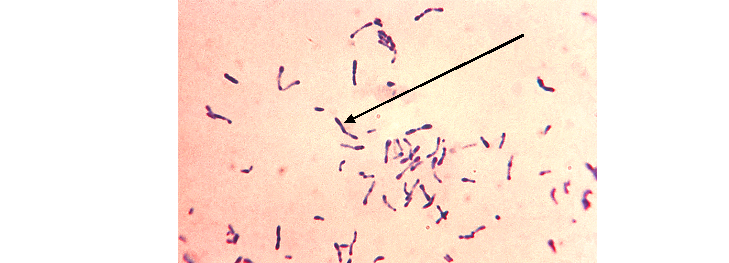
CORYNEBACTERIUM DIPHTHERIAE
Corynebacterium diphtheriae is a Gram-positive, non-spore forming, aerobic, rod-shaped and motile bacterium that causes diphtheria, […]
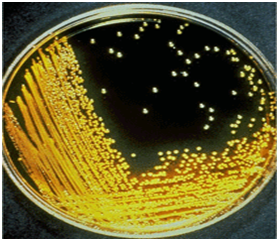
VIBRIO CHOLERAE
Vibrio cholerae is a Gram-negative, oxidase positive, spiral, non-spore forming, facultative, motile, curved or straight […]
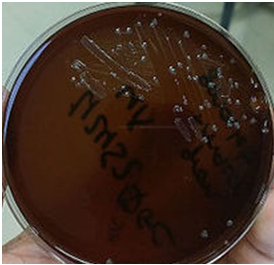
NEISSERIA GONORRHOEAE
Neisseria gonorrhoeae is a Gram-negative, oxidase-positive, non-motile, non-sporulating, non-capsulate, diplococcus found asymptomatically in humans. N. […]
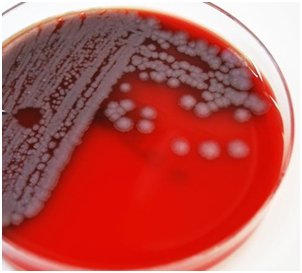
Bacillus anthracis
Bacillus anthracis is a mesophilic, Gram-positive, aerobic, catalase-positive, rod-like and spore-forming bacterium that causes anthrax […]
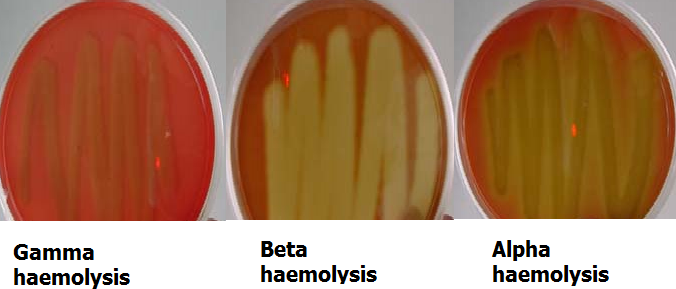
MICROBIAL HAEMOLYSIS IN BLOOD AGAR
Haemolysis is the breakdown of red blood cells (RBCs). Certain bacterial species including Streptococcus and […]

History of Antibiotics
The history of antibiotics is a remarkable chapter in modern medicine. It is marked by […]
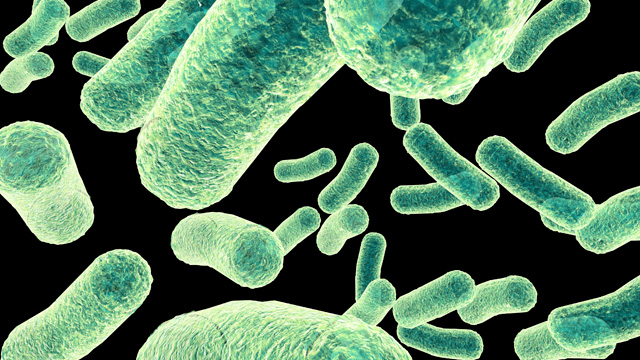
PATHOGENICITY ISLANDS
Pathogenicity islands (PAIs) are the regions of bacterial chromosome (usually of foreign origin) that contain […]

BACTERIAL ENZYMES THAT EXCITE PATHOGENICITY
Pathogenic bacteria produce numerous enzymes that help to increase their pathogenicity and/or virulence during an […]

ENDOTOXIN PRODUCING BACTERIA
Endotoxins are microbial toxins which are produced only on cell lysis i.e. on cell death. […]

EXOTOXIN PRODUCING BACTERIA
Exotoxins are extracellular toxins produced by living bacterial cells. They are protein molecules excreted by […]
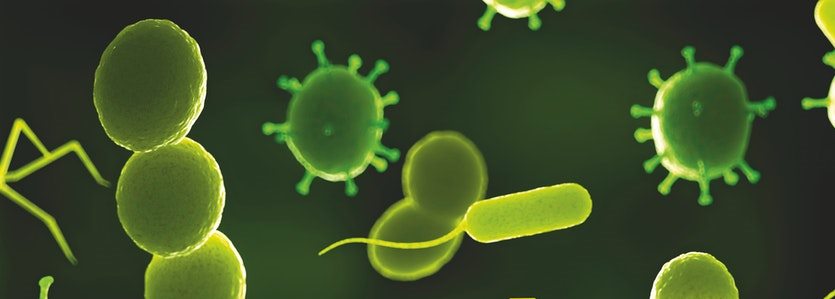
BACTERIAL TOXINS
Toxins are specific microbial products or secretions which at very low concentrations can act specifically […]
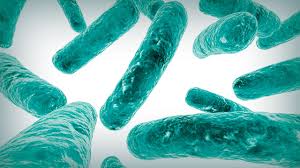
Characteristics of Pathogenic Microorganisms (Bacteria)
Bacterial pathogens that cause infections in humans have innate characteristic mechanisms with which they use […]
INOCULUM SIZE OF MICROBES
Inoculum size is defined as the number of invading pathogenic microorganisms that is sufficient enough […]
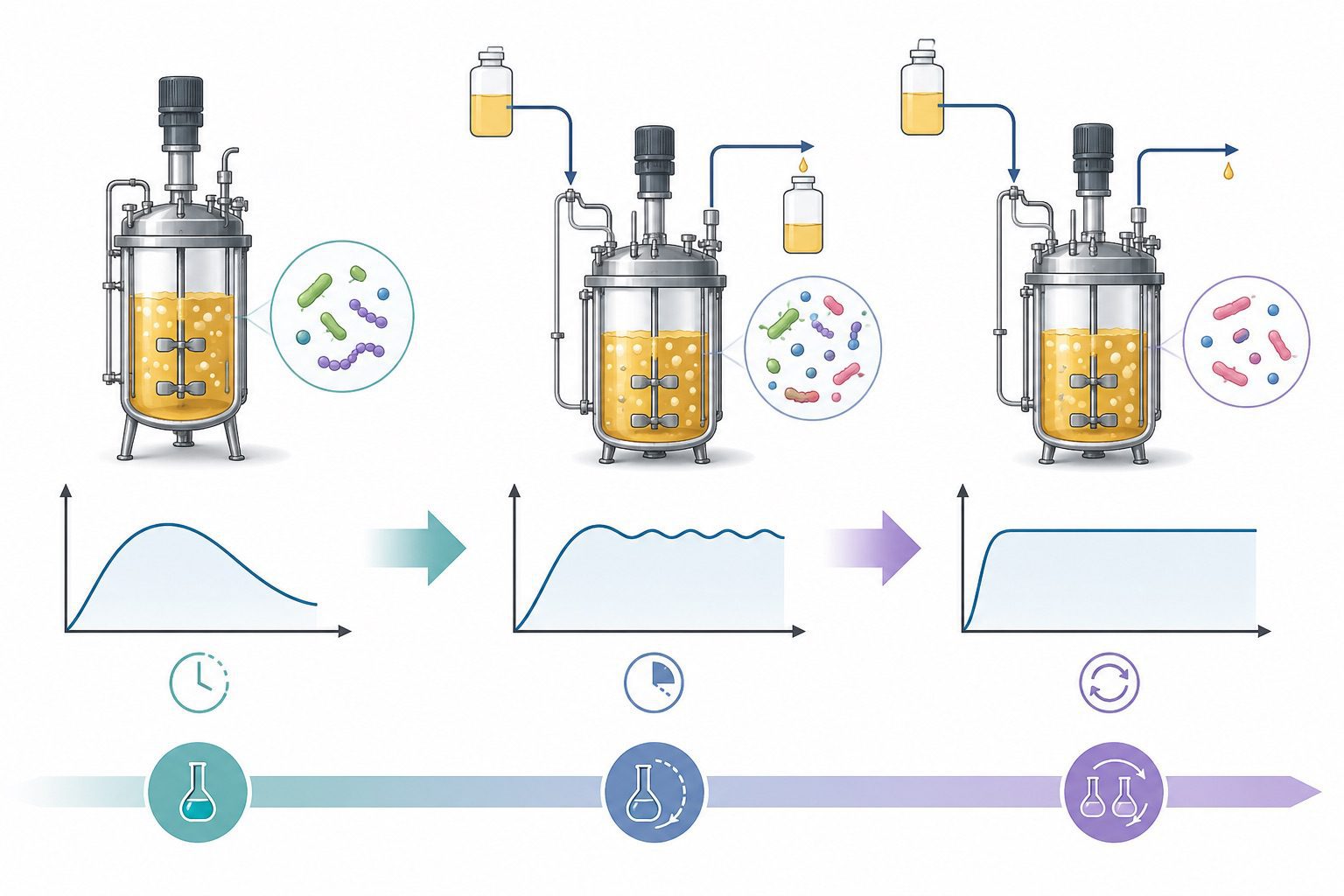
Continuous and Semi-Continuous Fermentation
Fermentation is a metabolic process by which microorganisms convert organic compounds primarily carbohydrates into simpler […]
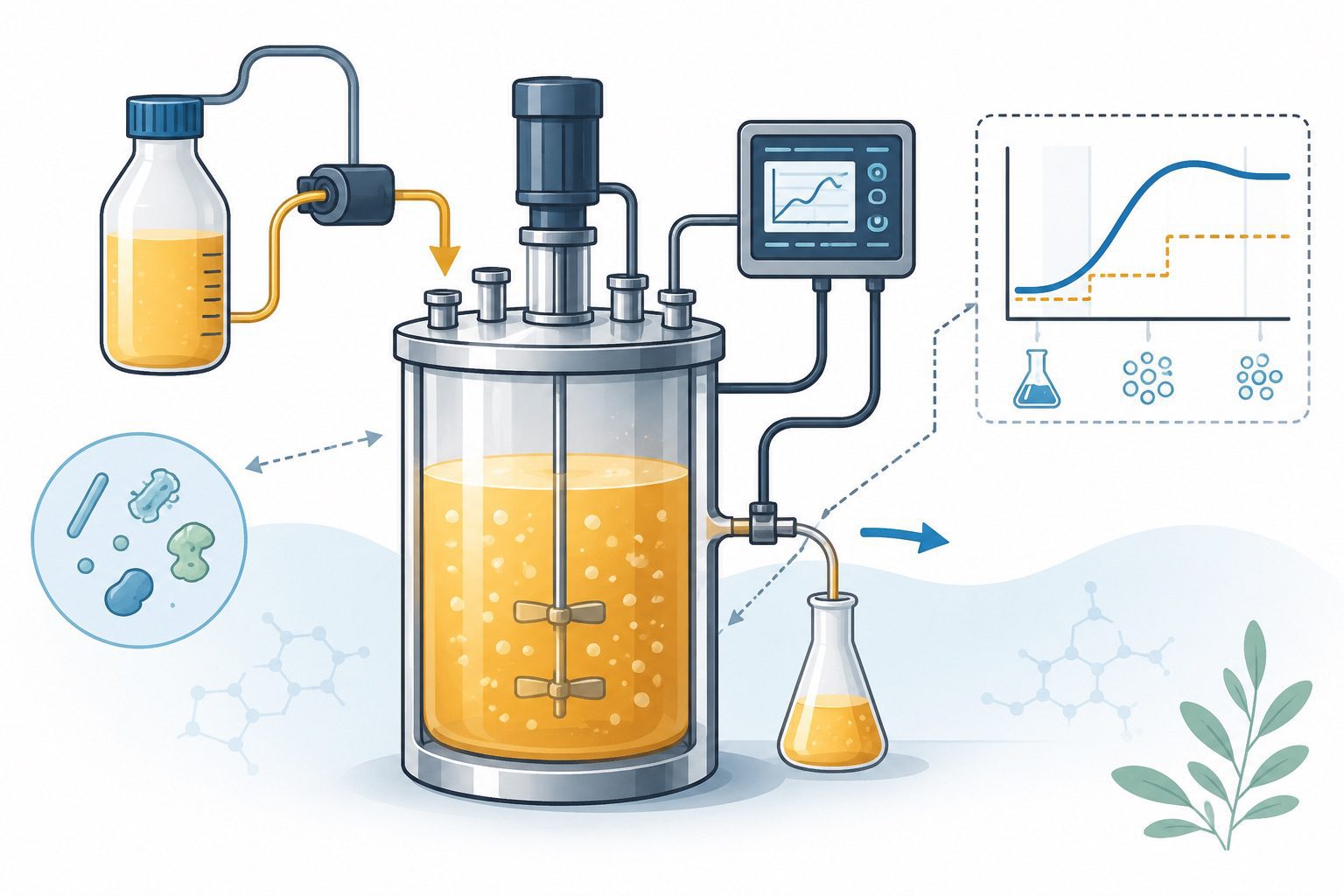
Fed-Batch Fermentation
Fed-batch fermentation is a critical and widely used process in modern biotechnology and industrial microbiology. […]

Batch Fermentation
Fermentation is a biological process in which microorganisms convert substrates (typically carbohydrates) into valuable end-products […]

Significance and Benefits of Fermentation in Food, Health, Industry, and Sustainable Development
Fermentation is a biological process in which microorganisms such as bacteria, yeasts, molds, and actinomycetes […]
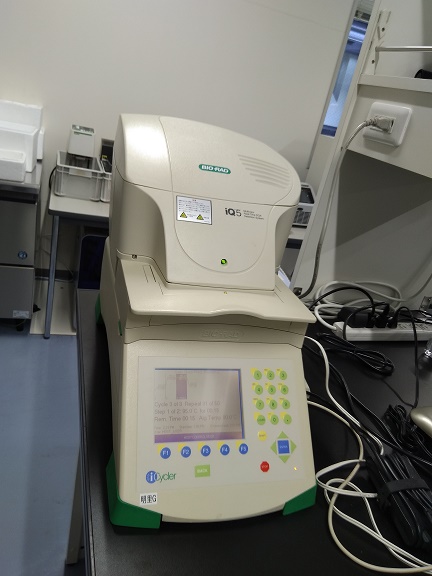
THERMOCYCLER (PCR Machine)
Thermocycler or thermal cycler is a piece of equipment is used for the copying or […]
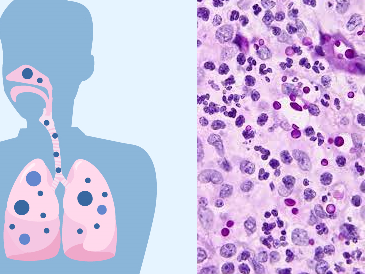
SYSTEMIC MYCOSES
Systemic mycoses are fungal infections that affect deep tissues and organs of the body; and […]
SUBCUTANEOUS MYCOSES
Subcutaneous mycoses are fungal infections that affect the subcutaneous tissues below the skin, and the […]
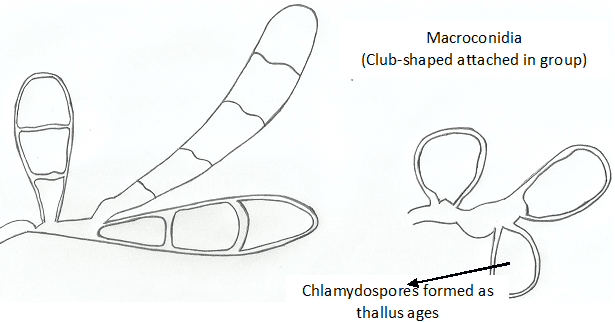
CUTANEOUS MYCOSES
Cutaneous mycoses are fungal infections of the skin, nails and hairs; and they are mainly […]
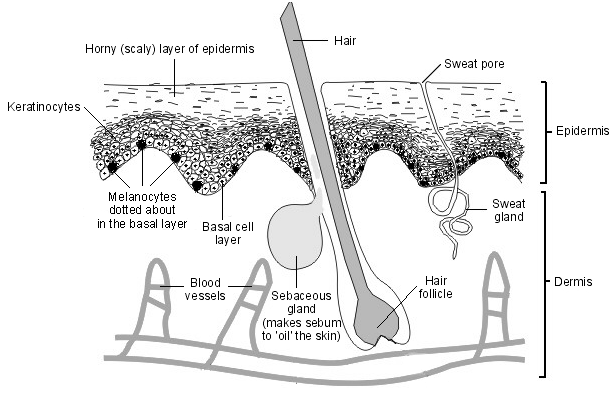
SUPERFICIAL MYCOSES
Superficial mycoses are fungal infections which are only limited to the keratinized outer layer of […]
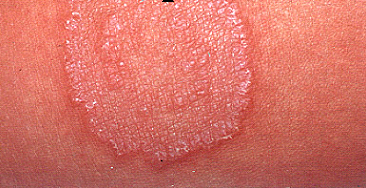
MYCOSES – fungal infections
Mycoses are infections caused by pathogenic fungi. And they include superficial mycoses, cutaneous mycoses, subcutaneous […]
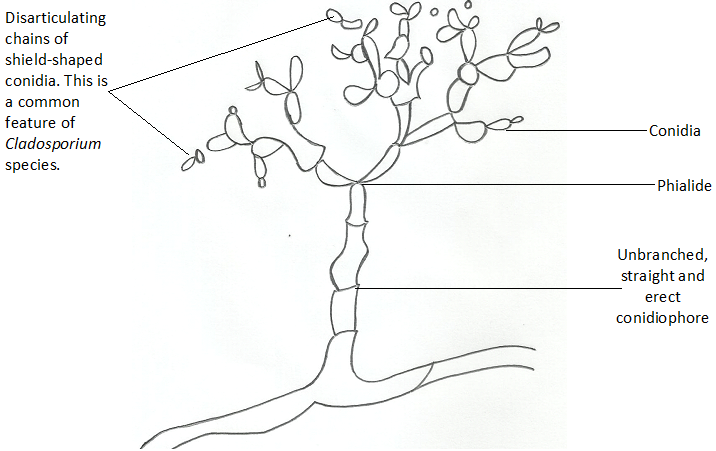
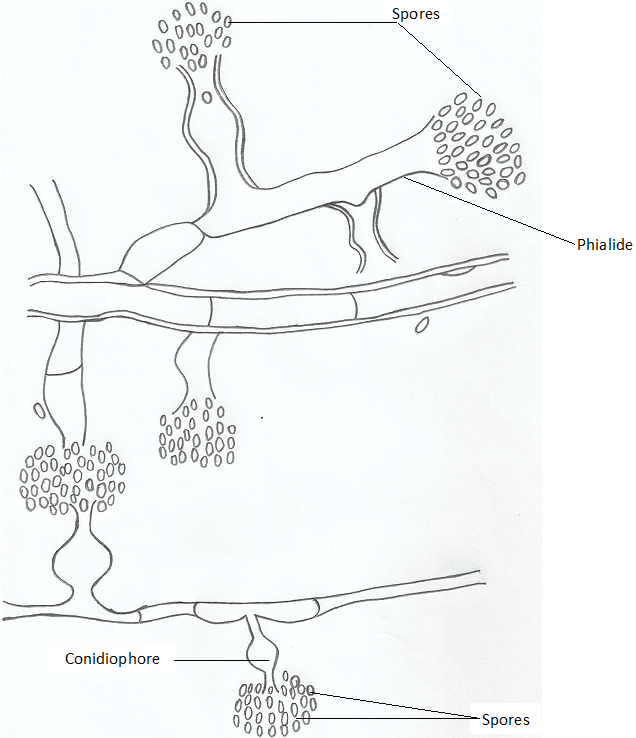
STRUCTURES OF FUNGI
The spores (conidia) are produced in dry chains from the tips of the phialides, with […]
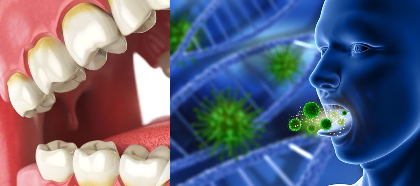
FORMS & PREVENTION OF HALITOSIS
There are various forms of halitosis (bad breath) that an individual can experience at different […]
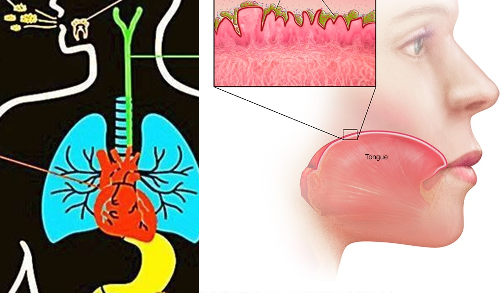
HALITOSIS – BAD BREATH AND YOU
Bad breath is clinically known as halitosis. Halitosis is an oral health condition that affects […]
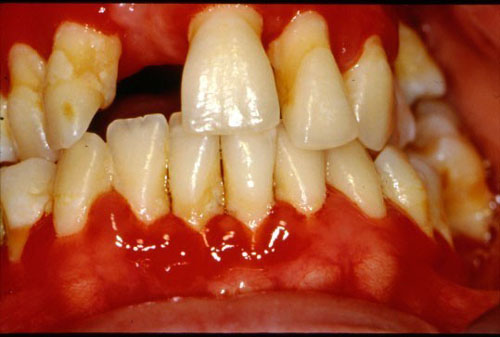
PERIODONTITIS
Periodontitis is defined as the microbial infection of the periodontal membrane leading to pyorrhea, and […]
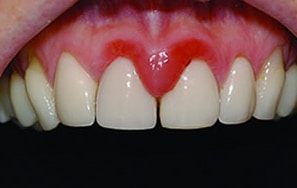
GINGIVITIS
Gingivitis is simply defined as the inflammation of the gum (gingivae) caused by microbial activity. […]
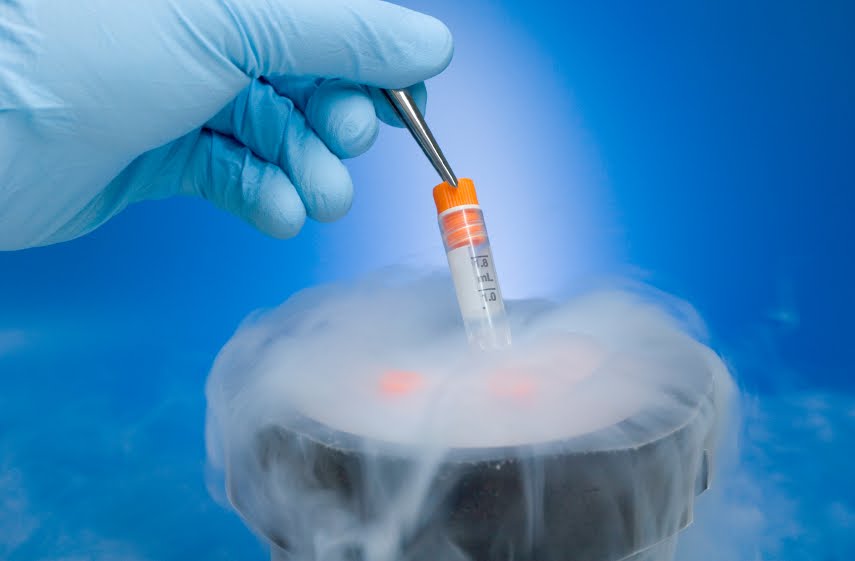
TECHNIQUES OF REVIVING MICROBIAL CULTURES
The procedures described below are guidelines of the American Type Culture Collection (ATCC). They are […]

Immunization: Importance in Disease Prevention and Public Health
Immunization is the process through which an individual is made immune or resistant to an […]
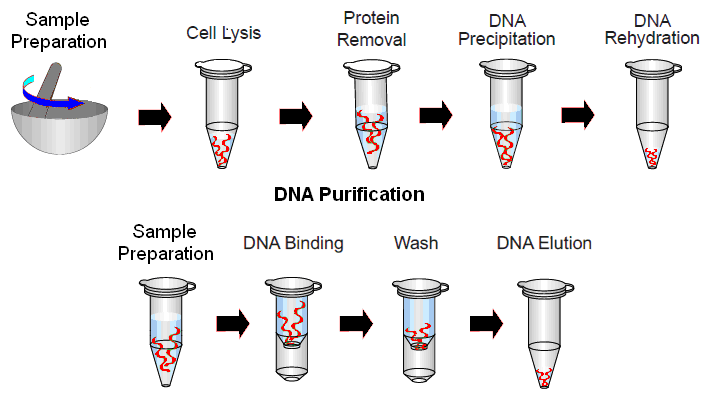
GENOMIC DNA ISOLATION
The Isolation of Genomic DNA from the bacterium, Escherichia coli is explained in this section […]

Epidemic Disease Occurrence
Epidemic disease occurrence refers to the sudden increase in the number of cases of a […]

Desoxycholate Citrate Agar (DCA)
Desoxycholate Citrate Agar (DCA) is a selective medium for the isolation of Salmonella and Shigella […]

ANTIGEN RETRIEVAL PROTOCOL FOR PARAFFIN-EMBEDDED TISSUE
In the previous section on DEPARAFFINIZATION PRIOR TO IMMUNOHISTOCHEMISTRY STAINING, we looked at deparaffinization and […]

ANTIBODY SELECTION AND STAINING FOR IMMUNOHISTOCHEMISTRY
We have looked at deparaffinization and rehydration of paraffin-embedded tissue, as well as antigen-retrieval protocol […]
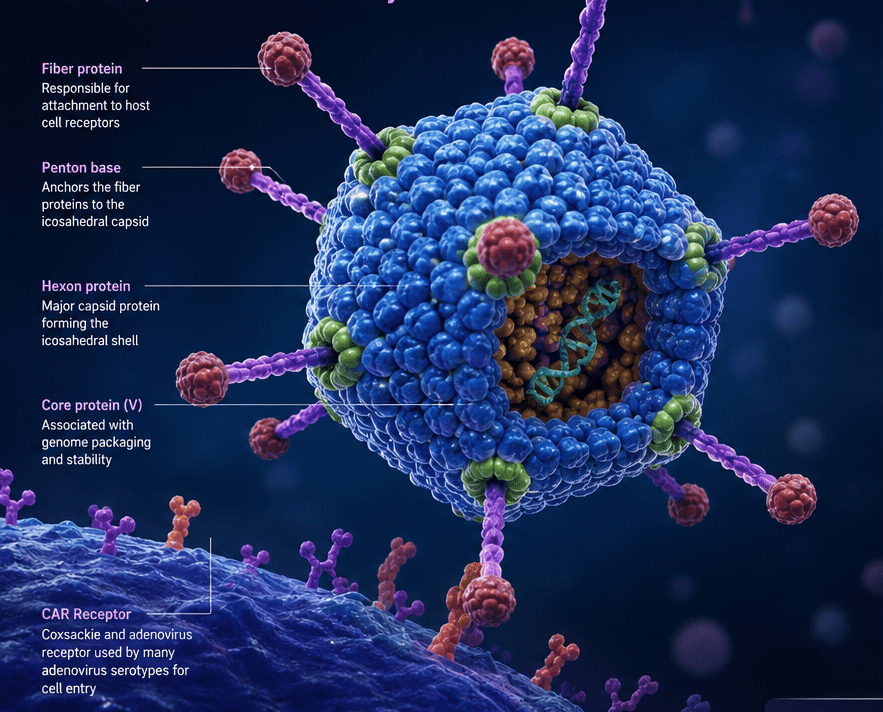
ADENOVIRUS INFECTION
Adenoviridae are a diverse group of viruses that infect humans and a wide range of animal […]
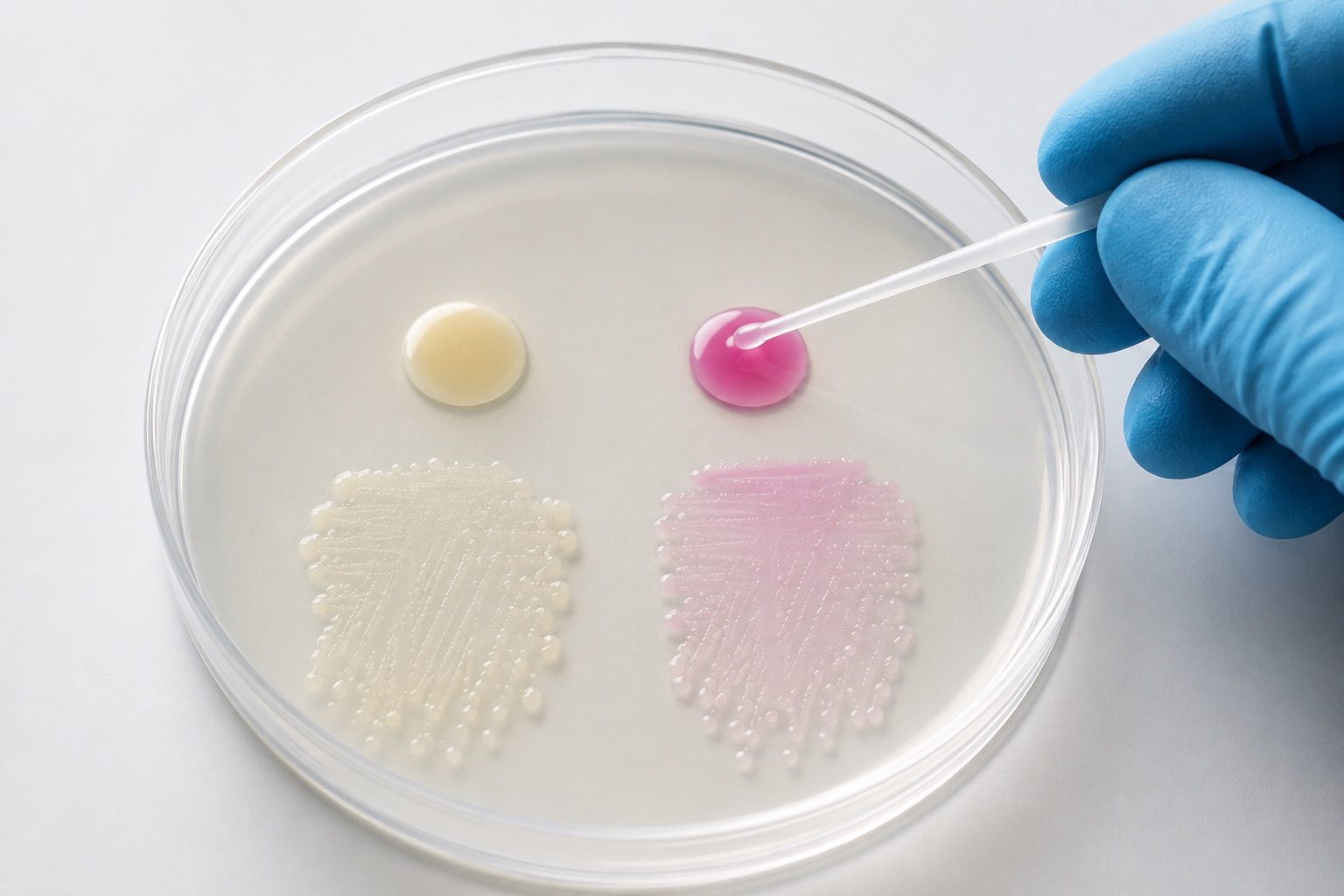
Nitrocefin test for Beta-Lactamase Production in Bacteria
Antimicrobial resistance has become an important challenge in clinical microbiology. This is because bacteria can […]

TRYPAN BLUE & HAEMOCYTOMETER
Trypan blue is defined as a dye or stain that enables us to distinguish between […]

WAYS TO SEPARATE DNA FROM OTHER CELLULAR MATERIALS: BINDING AND WASHING
When phenol or a mixture of phenol:chloroform is mixed with a cell Lysate, two phases […]
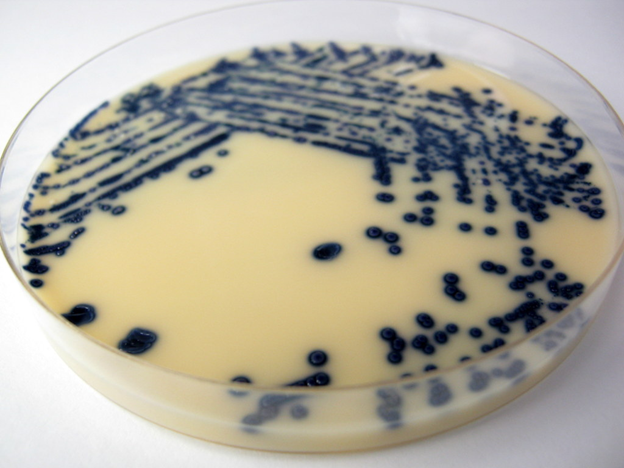
Vancomycin Resistance in Enterococci
Enterococci are Gram-positive, facultatively anaerobic bacteria that constitute an important component of the gastrointestinal microbiota […]

TYPES OF SOLID SUPPORT FOR BINDING DNA
The types of solid support for binding DNA are as follows: 1. Silica Matrix Silica […]
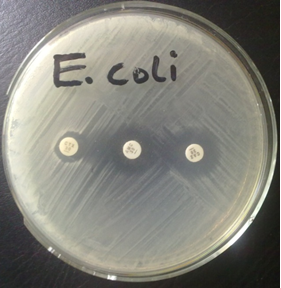
Extended Spectrum Beta-Lactamases (ESBLs)
Extended-spectrum beta-lactamases (ESBLs) are bacterial enzymes that hydrolyze a broad range of beta-lactam antibiotics, particularly […]
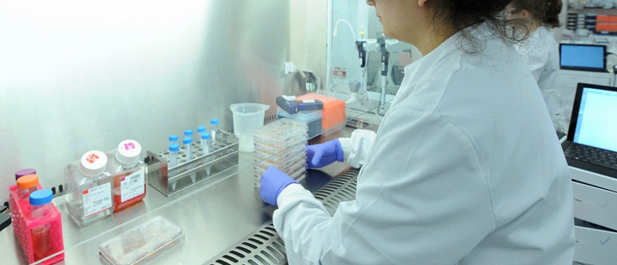
What is a stem cell?
A stem cell is a cell with the unique ability to develop into specialised cell types […]

WHO Global Principles for the Containment of Antimicrobial Resistance in Animals Intended for Food
Antimicrobial resistance (AMR) has emerged as a formidable challenge at the intersection of animal health, […]
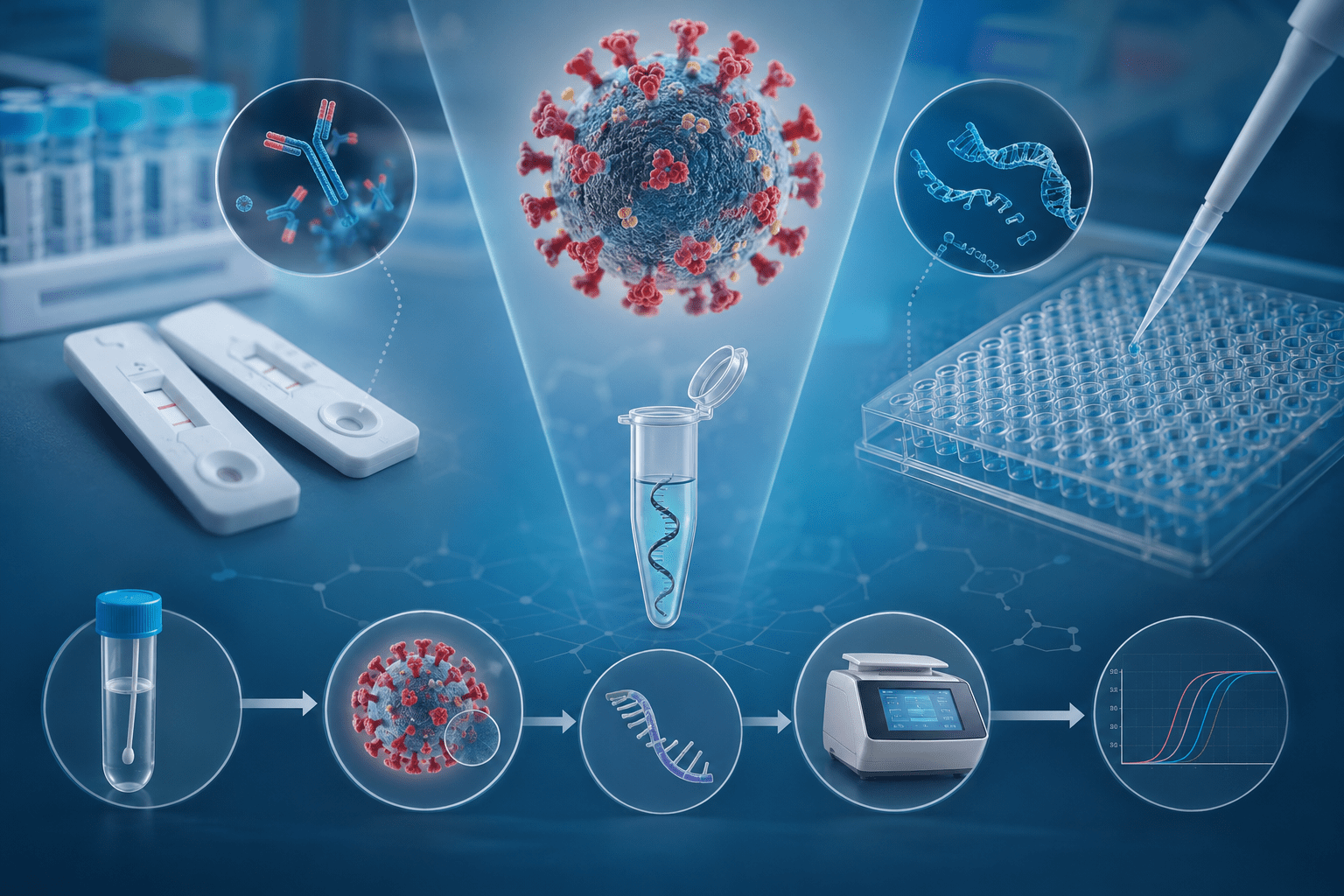
Diagnostic Viral Assays
Diagnostic methods accurately identify viral infections in patients. This is a prerequisite to control and […]

ECHINOCOCCOSIS(HYDATIDOSIS, OR HYDATID DISEASE)
BIOLOGY AND CAUSATIVE AGENTS OF ECHINOCOCOCCUS Human echinococcosis (hydatidosis, or hydatid disease) is caused by […]
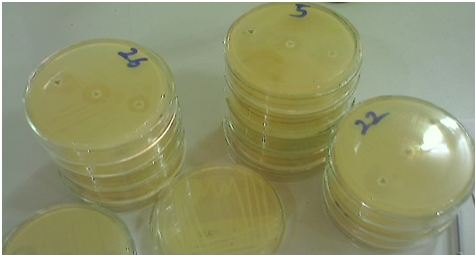
Ceftazidime-Imipenem Antagonism Test (CIAT)
AmpC β-lactamases are bacterial enzymes that hydrolyze several β-lactam antibiotics, thereby reducing their effectiveness against […]
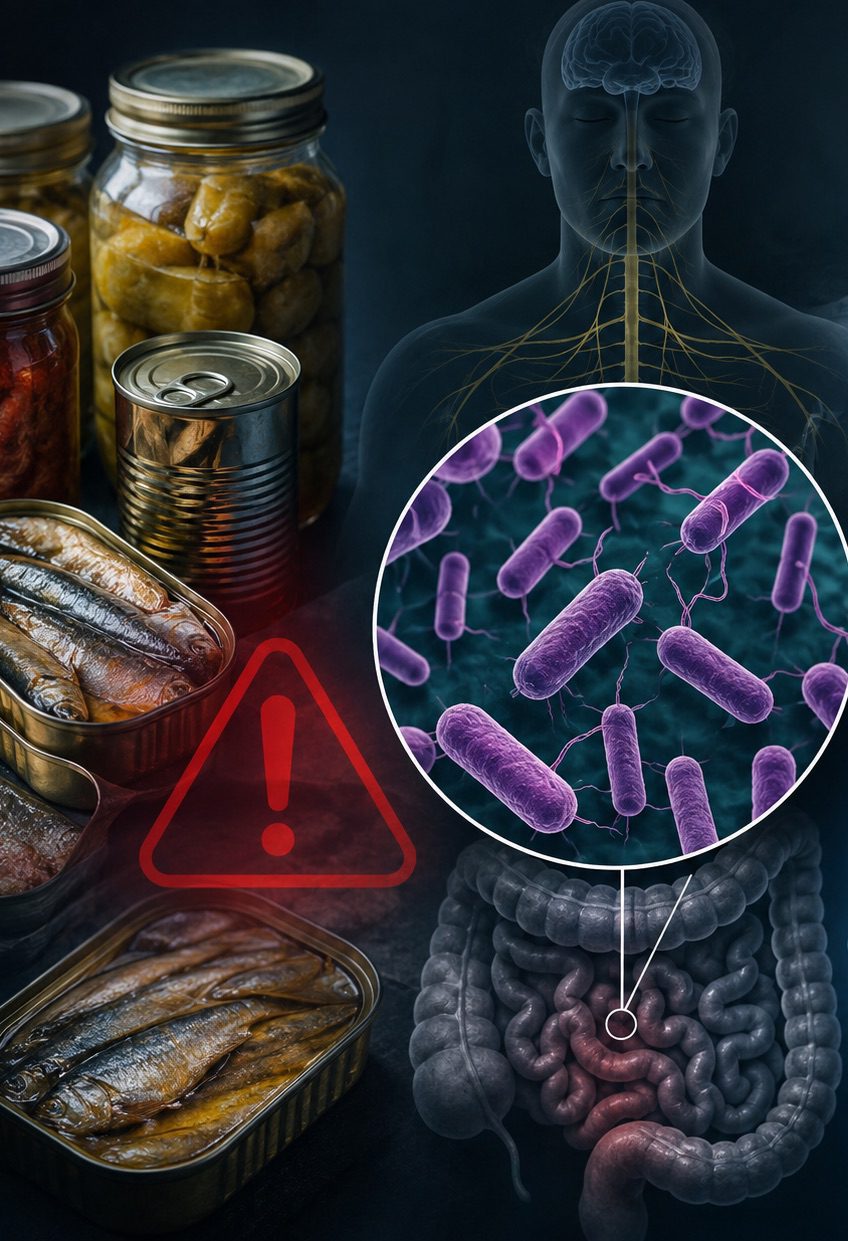
Botulism: A Public Health Menace
Botulism is a rare yet life-threatening neuroparalytic illness caused by toxins produced by the anaerobic, […]