


Good Manufacturing Practice (GMP) is operationalized not only through organizational systems, validated processes, and regulatory […]
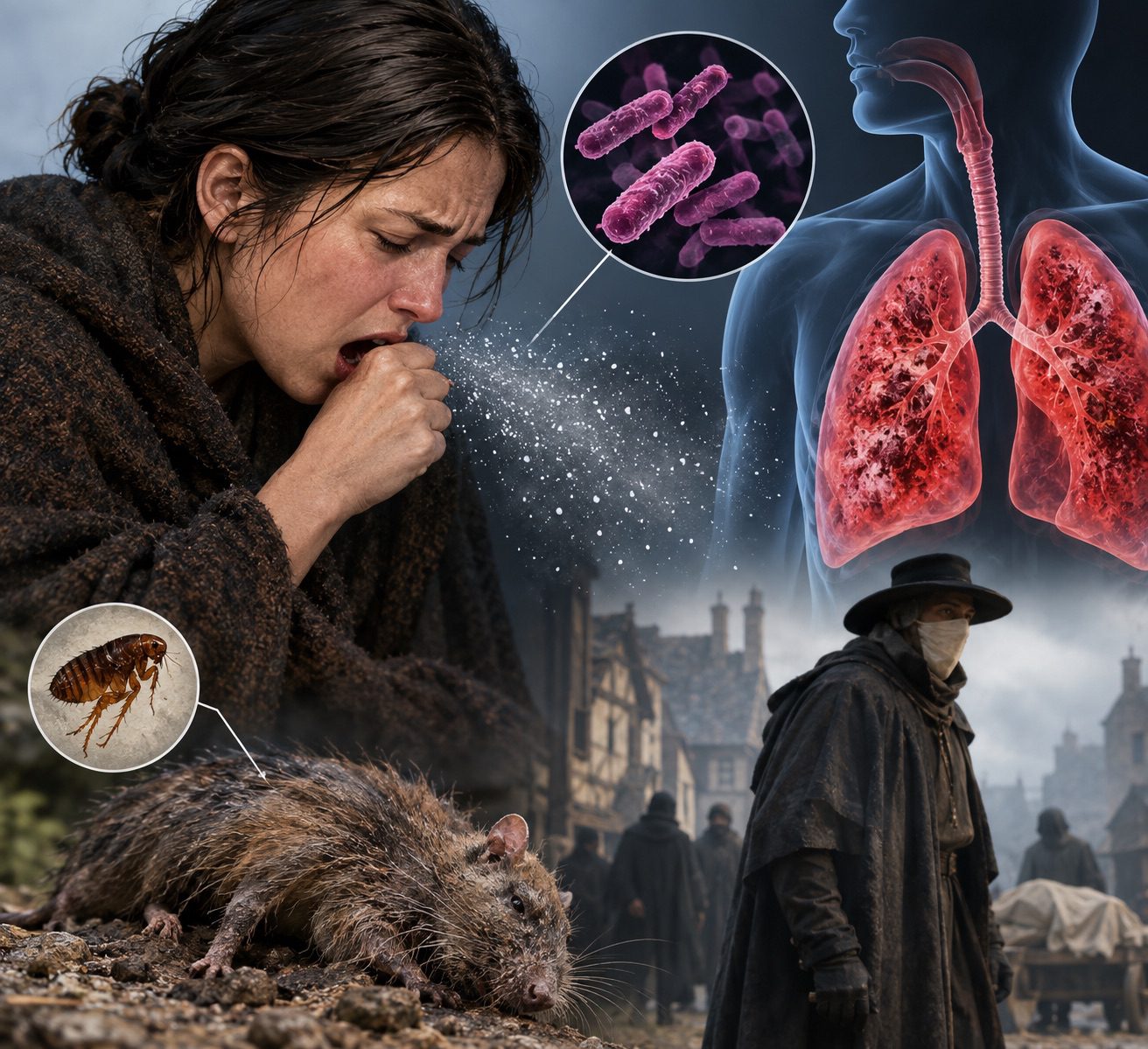
Yersinia pestis – the Causative Agent of Pneumonic Plague
Pneumonic plague is an acute, highly dangerous infectious disease that primarily targets the respiratory system, […]

Good Manufacturing Practice (GMP)
Good Manufacturing Practice (GMP) refers to a system of principles, procedures, and controls designed to […]

Preparation of Antibiotic Stock Solutions: Ampicillin, Tetracycline, Doxycycline & Penicillin
The preparation of concentrated antibiotic stock solutions, such as ampicillin, penicillin, tetracycline and doxycycline is […]

Differences between Good Laboratory Practice (GLP) & Good Manufacturing Practice (GMP) Laboratory Testing Regulations
Good laboratory practice (GLP) Good laboratory practice (GLP) is a quality system designed to ensure […]
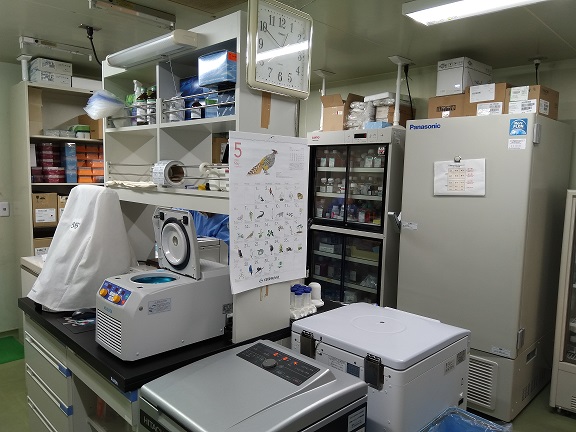
Good Laboratory Practice (GLP)
Good laboratory practice (GLP) is simply defined as a laboratory quality measure or protocol that […]

Applications of Gene Therapy in Treating Molecular Diseases
Molecular diseases, more precisely referred to as genetic disorders, are non-infectious conditions that arise from […]
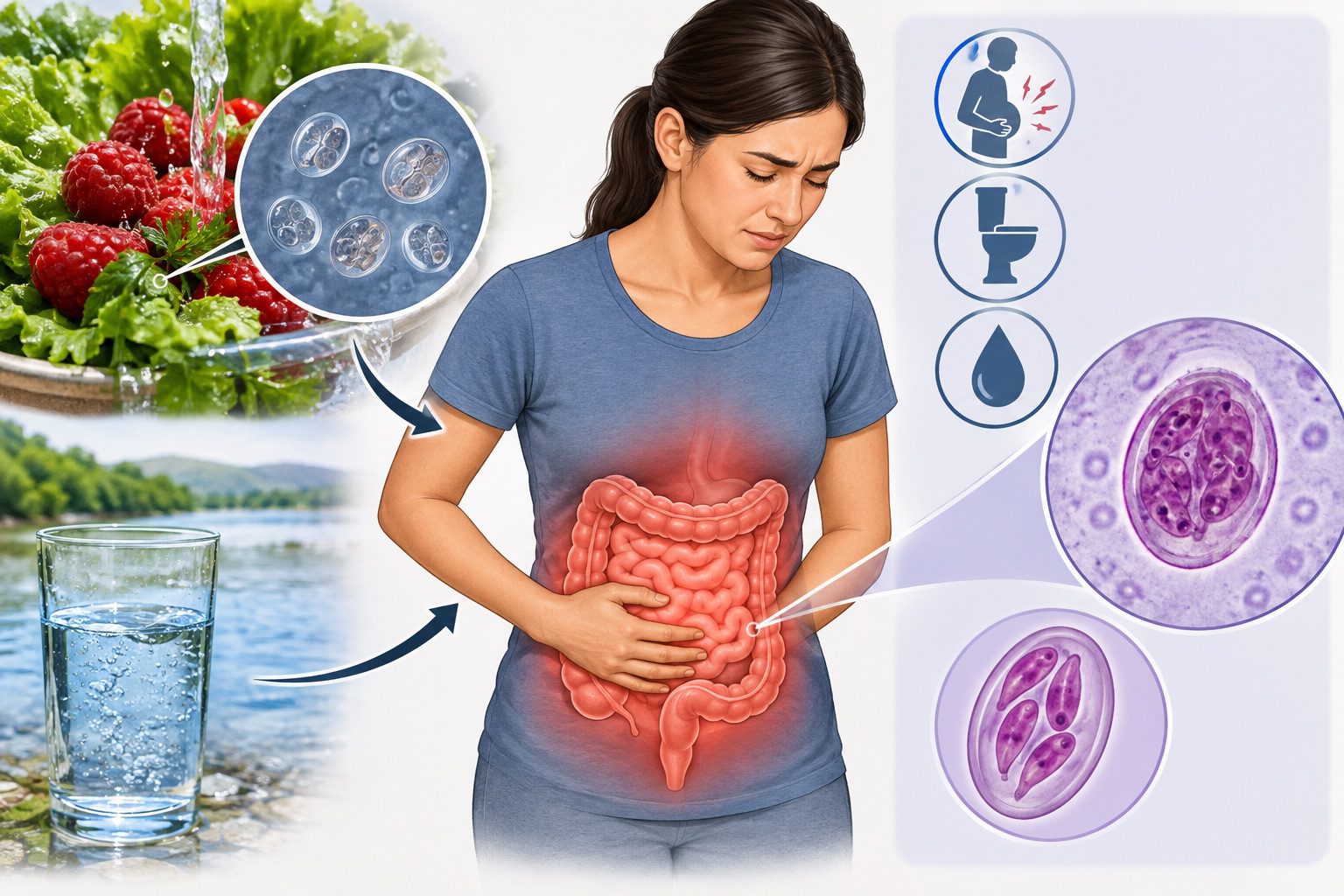
Cyclosporiasis
Cyclosporiasis is a food- and water-associated intestinal parasitic disease produced by the protozoan organism Cyclospora cayetanensis. […]
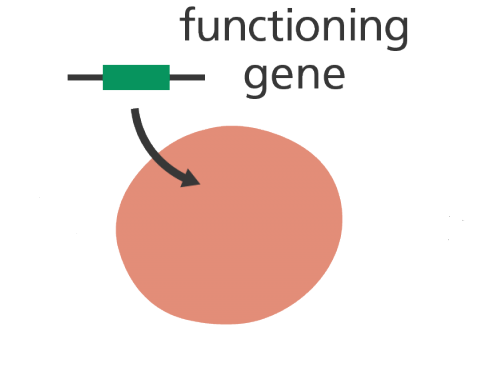
Prerequisite and Sequential Steps in Gene Therapy Development
Gene therapy represents one of the most transformative frontiers in modern biomedical science, offering the […]

Risks, Challenges, and Ethical Considerations of Gene Therapy
Gene therapy is used to deliver functional genes or therapeutic DNA into target cells and […]

How Gene Therapy Works
Gene therapy is a molecular medicine approach aimed at treating or preventing disease by modifying […]

Ex Vivo Gene Therapy
Ex vivo gene therapy, often referred to as a cell-based delivery approach, represents one of the most […]

In Vivo Delivery for Gene Therapy
In vivo delivery for gene therapy refers to the direct administration of genetic material into […]
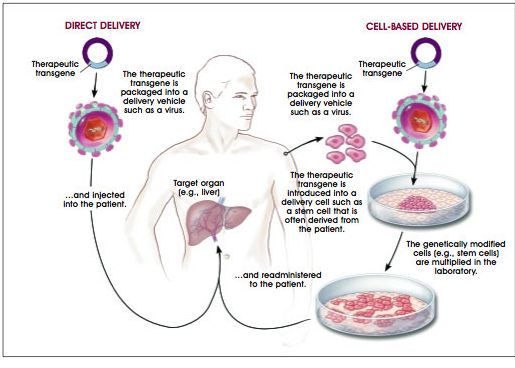
Gene Therapy Targeting and Delivery Systems
Gene targeting is the precise process of directing therapeutic genetic material to specific cells, tissues, or […]

History of Gene Therapy
The evolution of gene therapy represents one of the most ambitious and transformative trajectories in […]

Current Calls & Scholarship Opportunities for Training, Postdoc, Higher Education, Postgraduate Studies & Jobs
President and Chief Executive Officer, Okinawa Institute of Science and Technology Open-Rank Faculty Position in […]
Gene Therapy: Concepts, Mechanisms and Applications
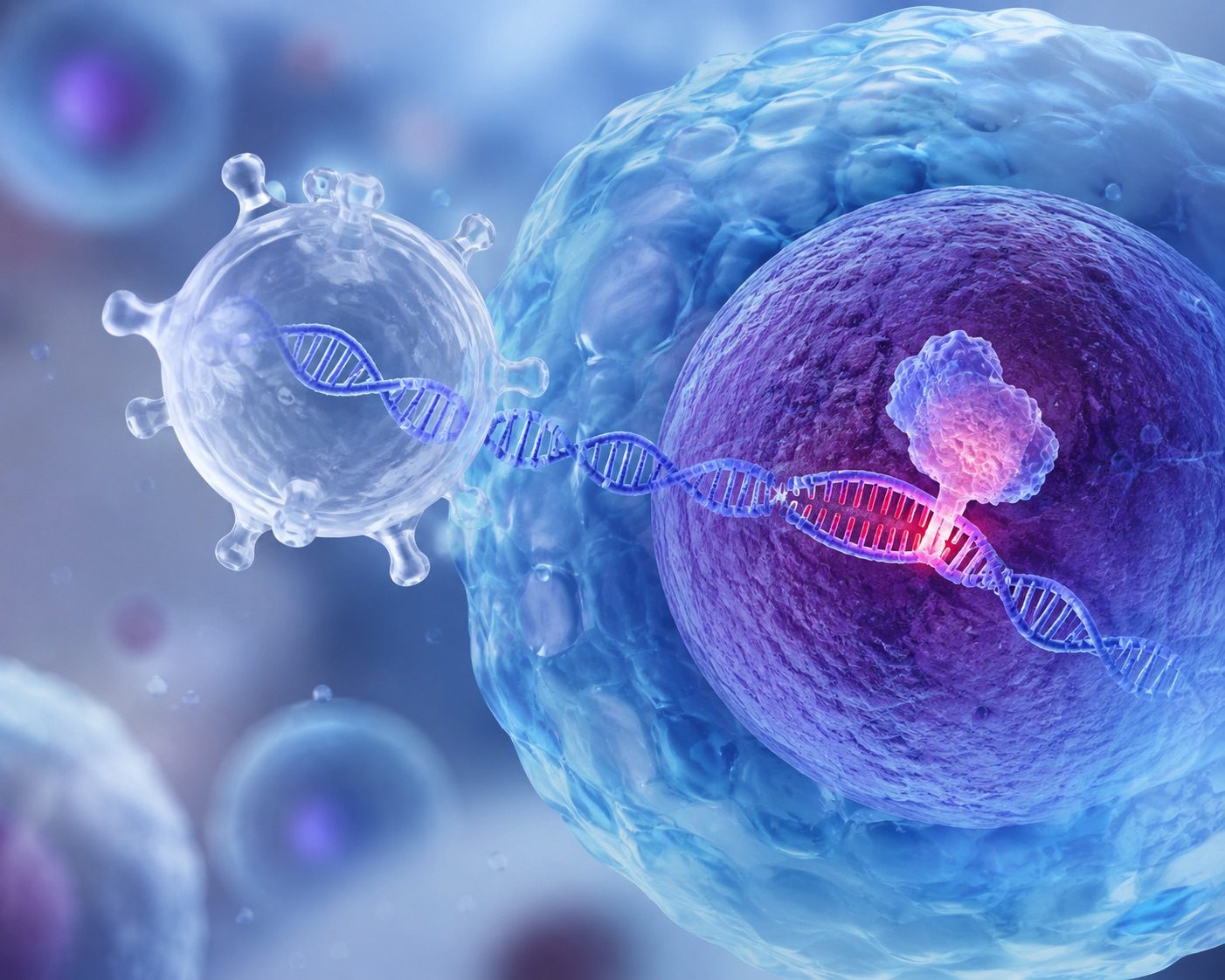
Gene therapy is defined as the deliberate and controlled modification of an organism’s genetic material […]

Microbiology of the Soil: How Invisible Communities Drive Nutrient Cycling, Plant Growth, and Ecosystem Resilience
Soil is more than a passive mixture of minerals and organic residues. It is a […]

Axenic (Gnotobiotic) Animals
Axenic animals, also known as gnotobiotic animals, are laboratory animals that are completely free from […]
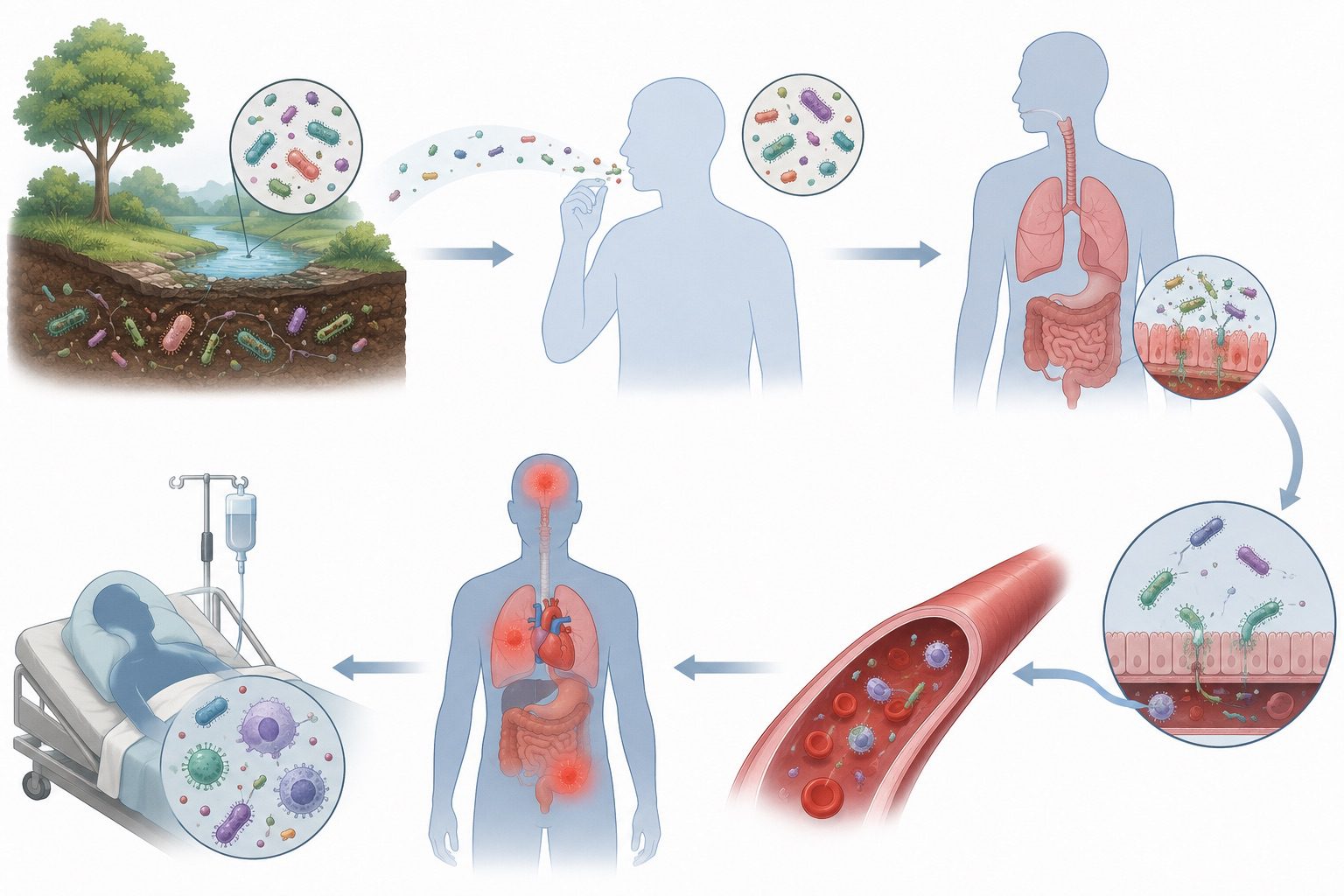
From Exposure to Illness: Mechanisms of Infectious Disease Transmission and Progression
Infectious diseases arise through a complex interaction between microorganisms and susceptible human hosts. These diseases […]
Western Blotting Technique (Protein Immunoblotting)
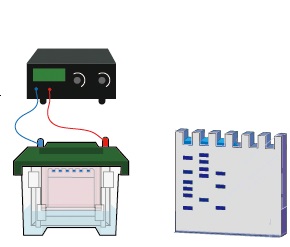
Western blotting, also known as protein immunoblotting, is a widely used analytical technique in molecular […]
Northern Blotting Technique
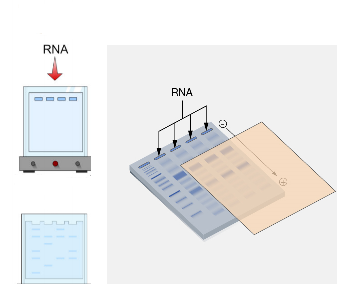
Northern blotting is a classical molecular biology technique used to detect and analyze specific sequences […]
Herpesviridae Family: Structure, Replication, and Disease Burden of Herpesviruses
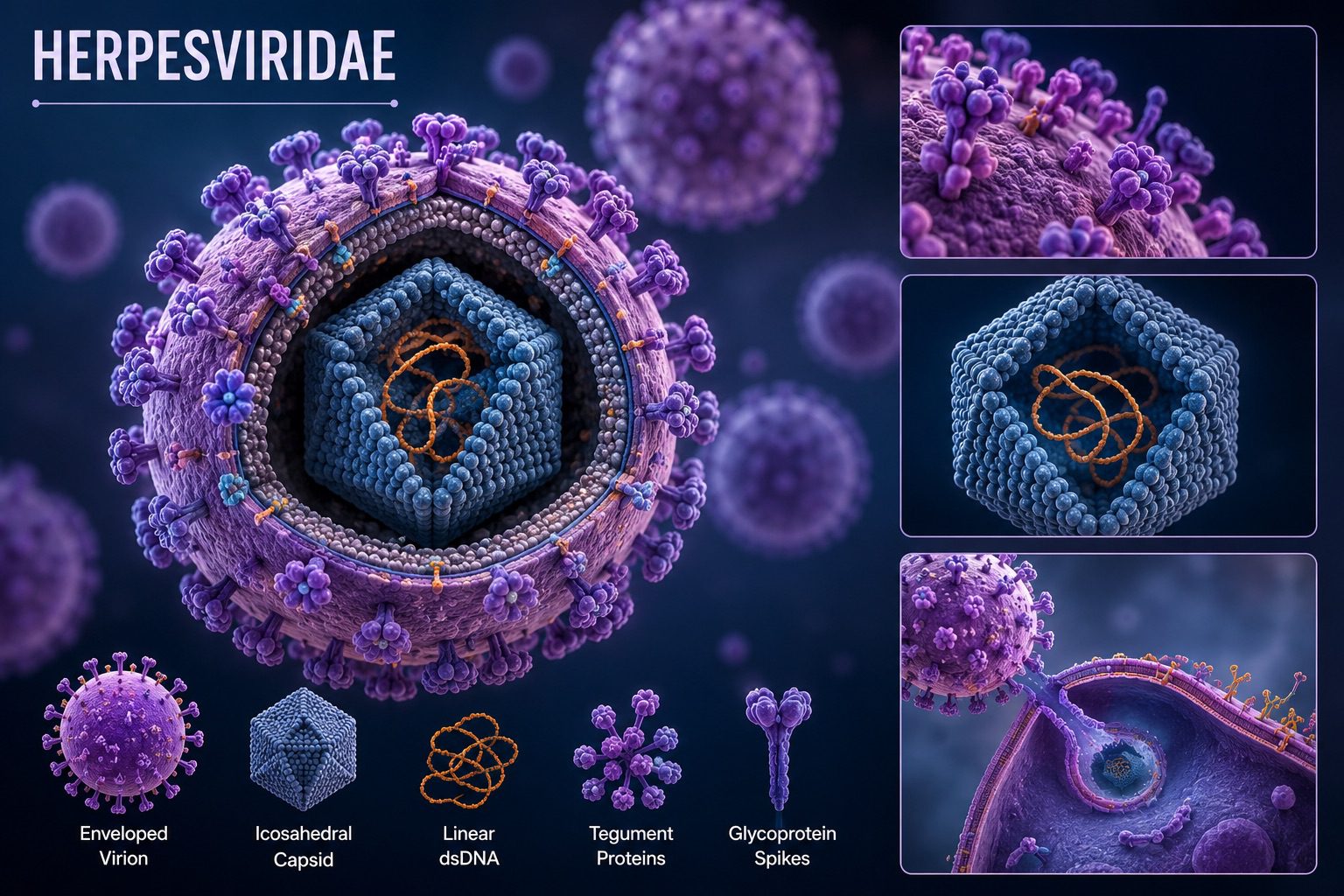
The family Herpesviridae comprises a large and diverse group of enveloped double-stranded DNA viruses that infect a […]
Adenoviridae Family: Structure, Diversity, Pathogenesis, and Economic Significance
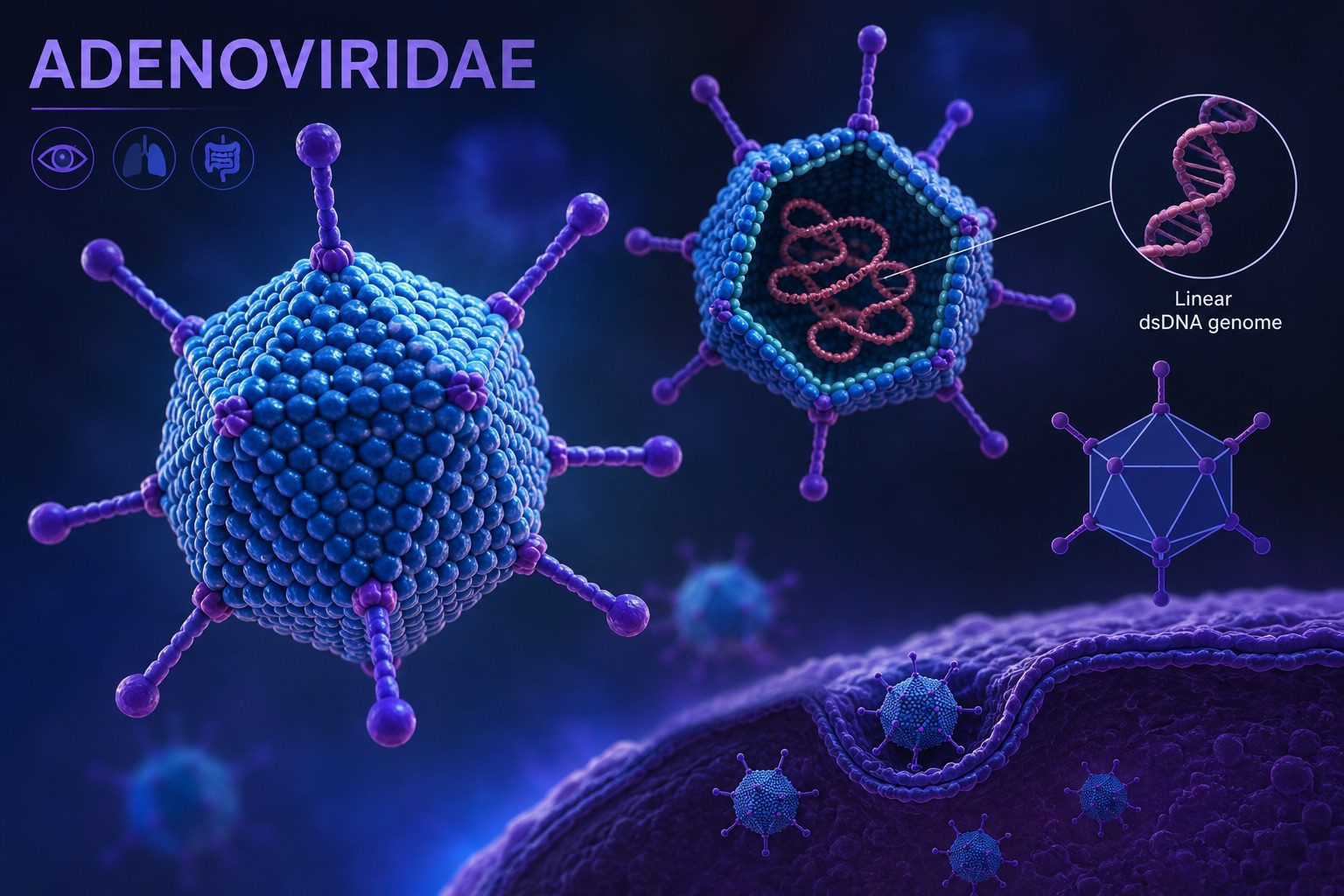
Adenoviridae family comprises a diverse group of non-enveloped, double-stranded DNA viruses that infect a wide range […]
Southern Blotting Technique
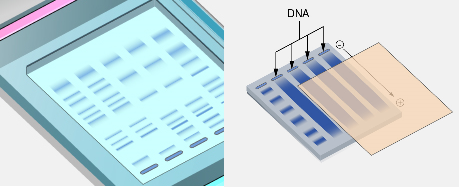
Southern blotting, developed by Sir Edward M. Southern in 1975, is a molecular technique used to detect specific DNA sequences. It involves transferring DNA from a gel to a nitrocellulose membrane, followed by hybridization with radiolabeled probes. This method is pivotal in DNA analysis, forensic science, and paternity testing.
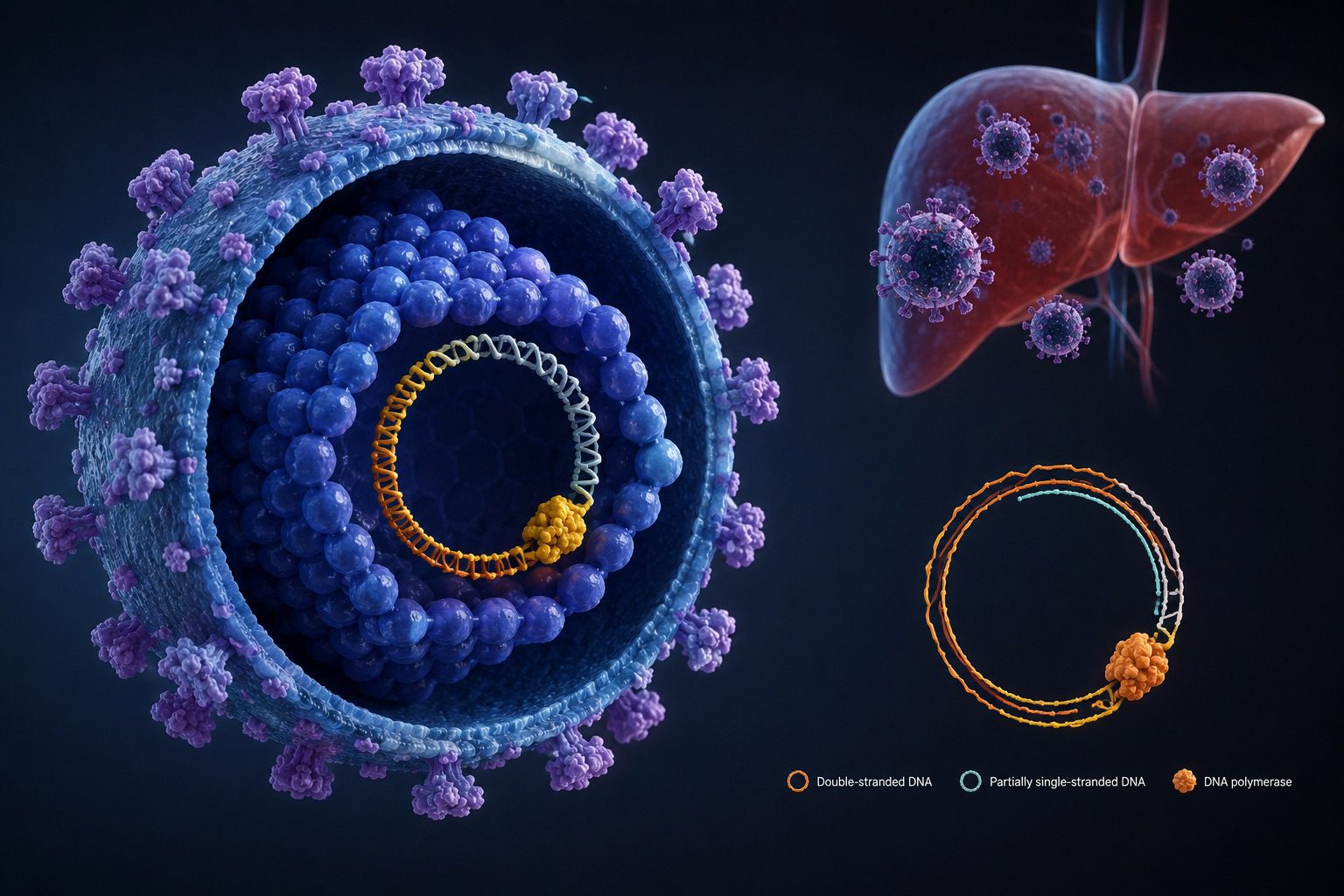
Hepadnaviridae Family and Human Hepatitis B Virus (HBV): Structure, Biology, Pathogenesis, and Preventive Strategies
The family Hepadnaviridae comprises a distinctive group of small hepatotropic DNA viruses that primarily infect the liver […]

RNA Viruses: Structure, Genome Characteristics, and Intracellular Replication
RNA viruses constitute a major class of infectious agents whose genomes are composed of ribonucleic […]
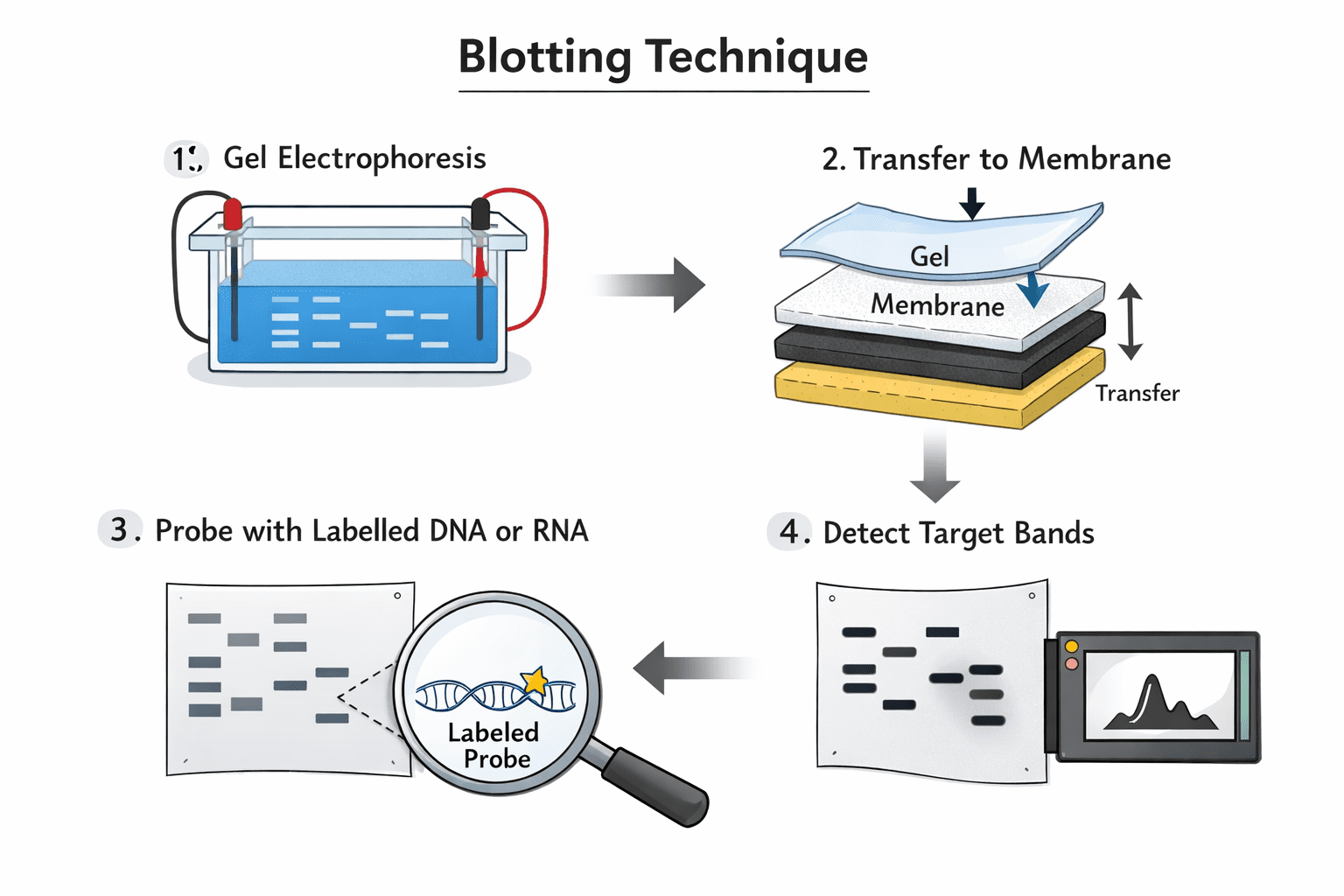
Blotting Technique
Blotting is used in molecular biology to transfer nucleic acids and proteins from gel to a membrane for identification and analysis. Developed in the 1970s, it combines electrophoresis and immunological methods. There are three main types: Southern (DNA), Northern (RNA), and Western (proteins), each allowing detection and measurement of specific molecules.
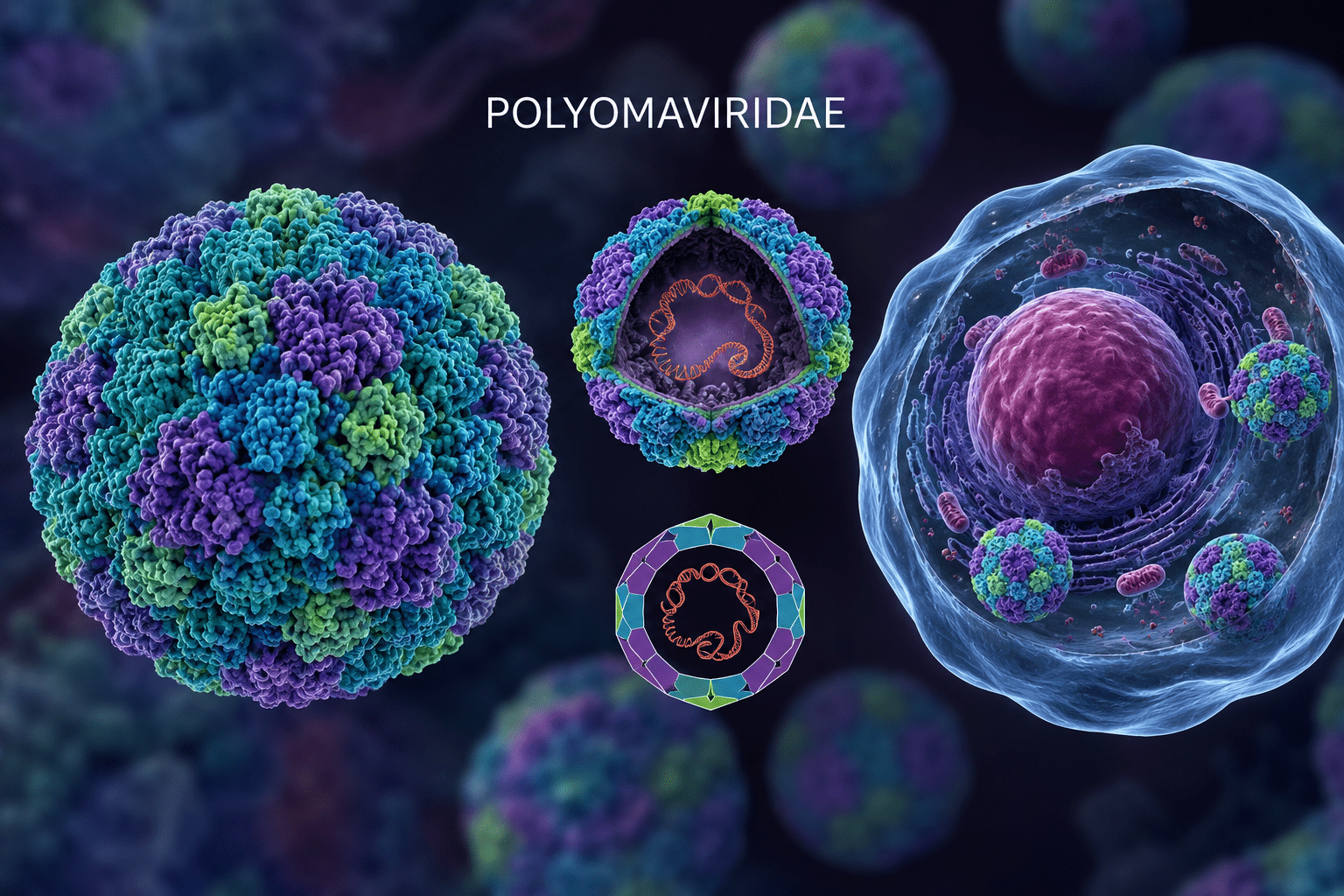
Polyomaviridae family: Structure, Replication, Pathogenesis, Treatment and Control
The family Polyomaviridae comprises a group of small, non-enveloped DNA viruses capable of infecting a wide range […]
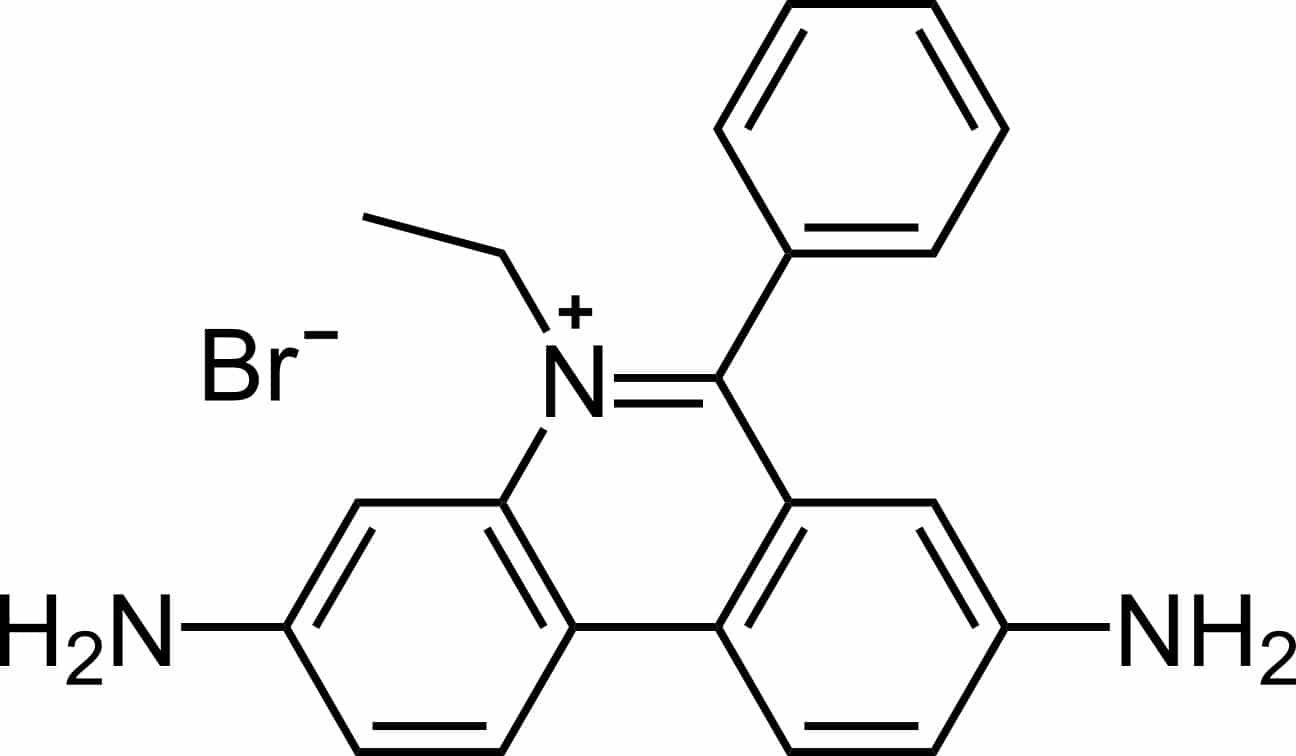
Ethidium Bromide Staining in Gel Electrophoresis
Ethidium bromide (EtBr) is a fluorescent intercalating agent widely used in molecular biology to visualize […]
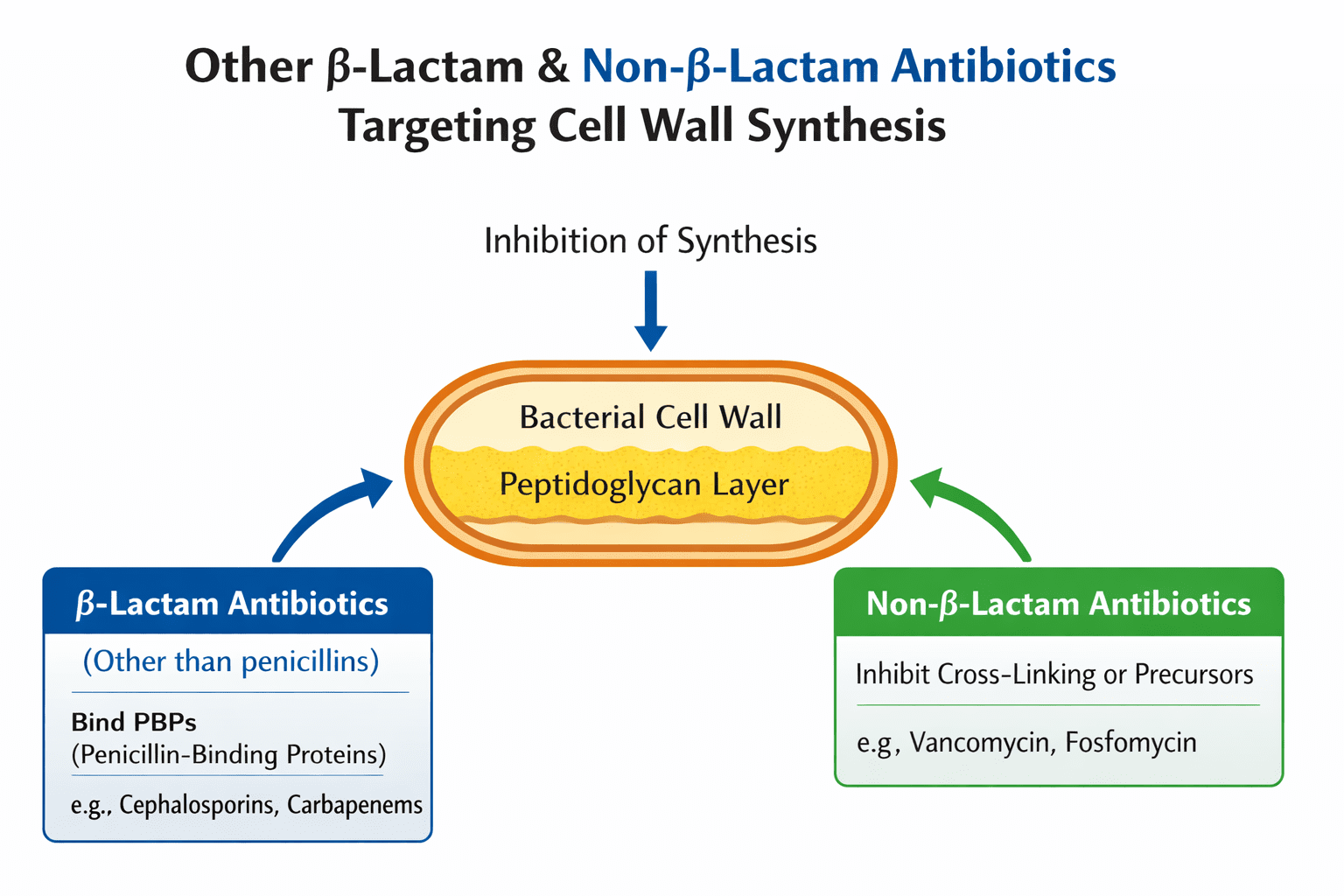
Other β-Lactam and Non-β-Lactam Antibiotics Targeting Bacterial Cell Wall Synthesis
Aside from penicillins and cephalosporins, several other β-lactam and non-β-lactam antibiotics have been developed and […]
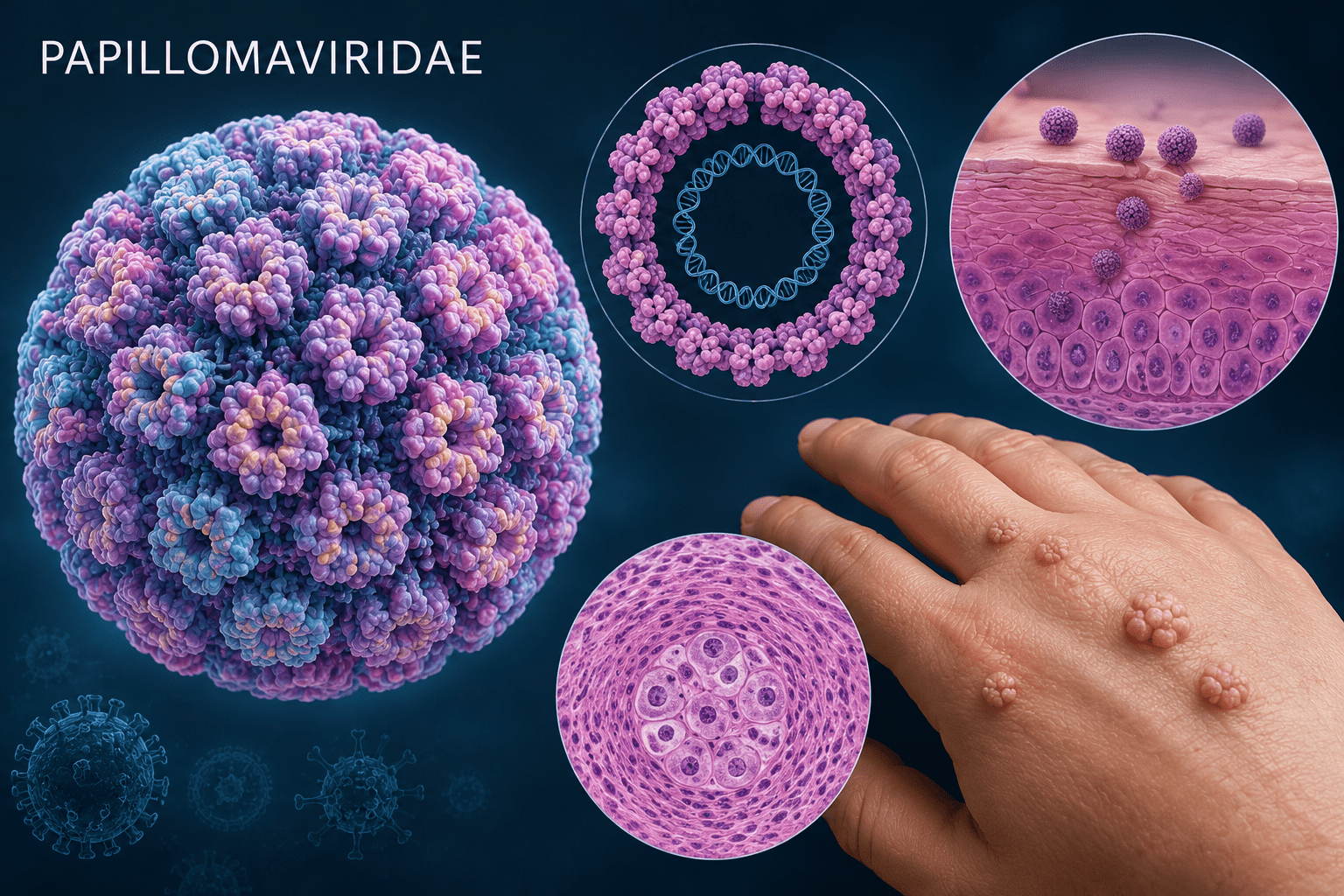
Papillomaviridae Family: Biology, Structure, Pathogenic Mechanisms and Human Disease
The Papillomaviridae family comprises a large and diverse group of small, non-enveloped DNA viruses collectively referred to […]
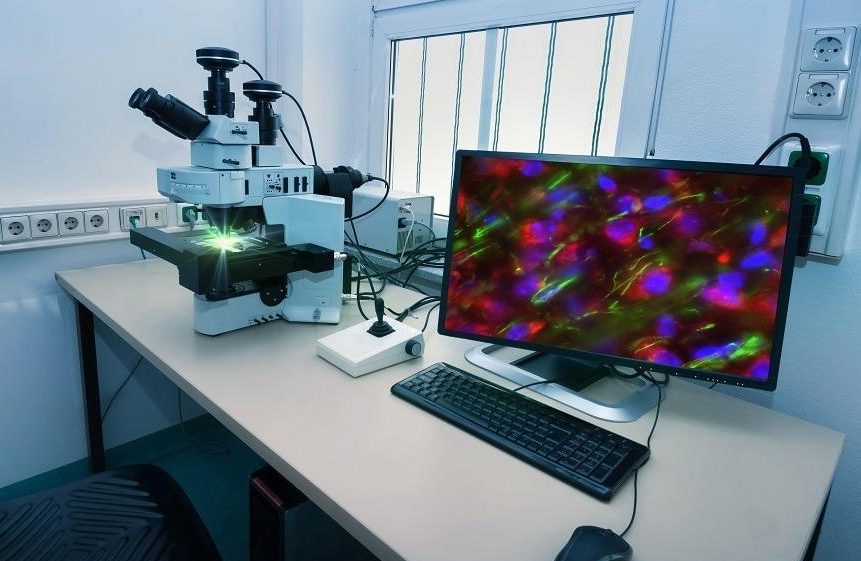
Confocal Microscopy: Understanding Principles, Instrumentation, and Applications of Confocal Microscope
Confocal microscopy is defined as an optical imaging technique that enhances optical resolution and contrast […]

Biowarfare: Epidemiology, Detection, Control, Prevention, and Global Public Health Implications
Biological and chemical weapons, while unlikely to be used in conventional warfare, represent an ongoing […]
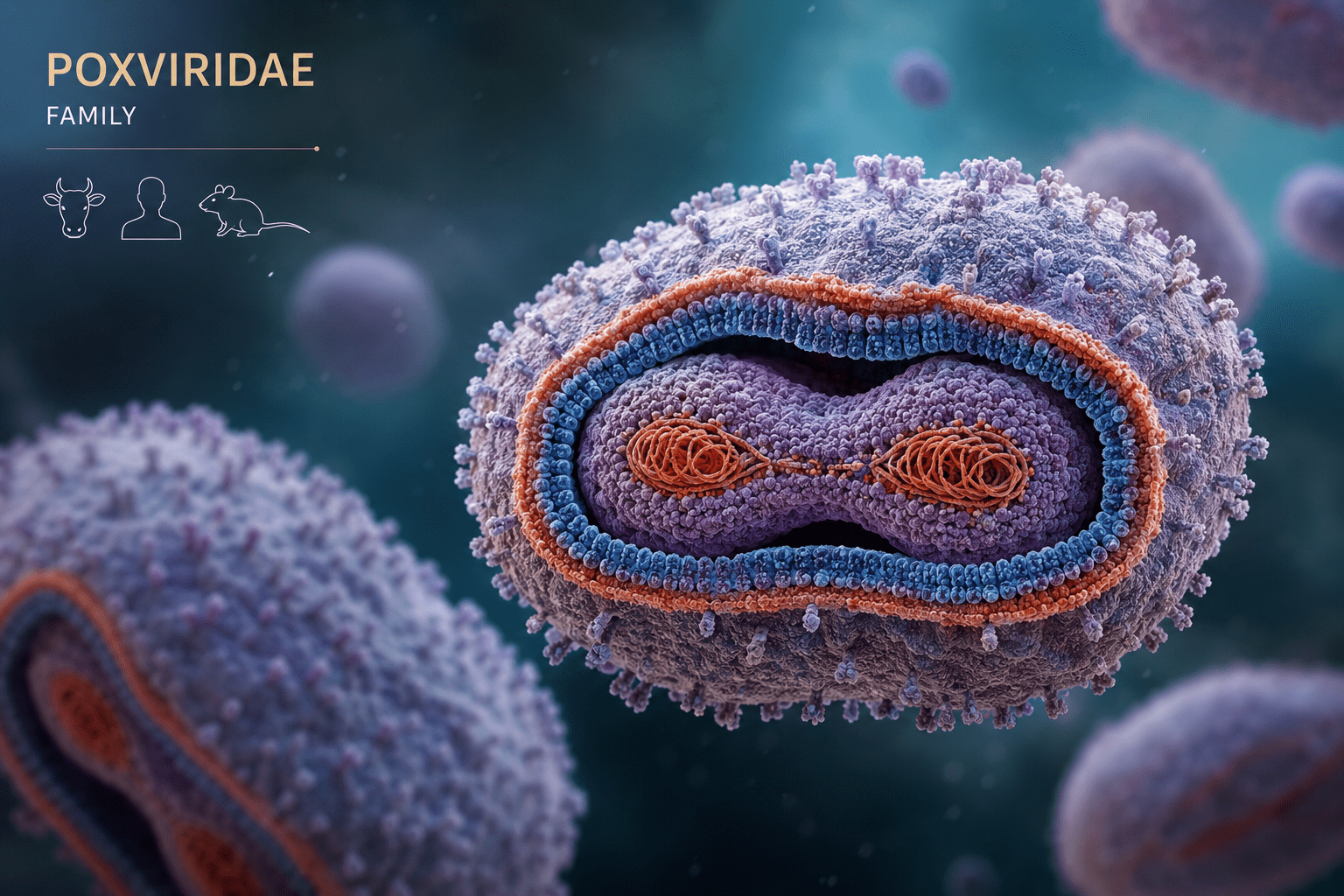
Poxviridae: Classification, Replication, and Clinical Significance
The Poxviridae family represents one of the most biologically distinctive groups of DNA viruses known to infect […]
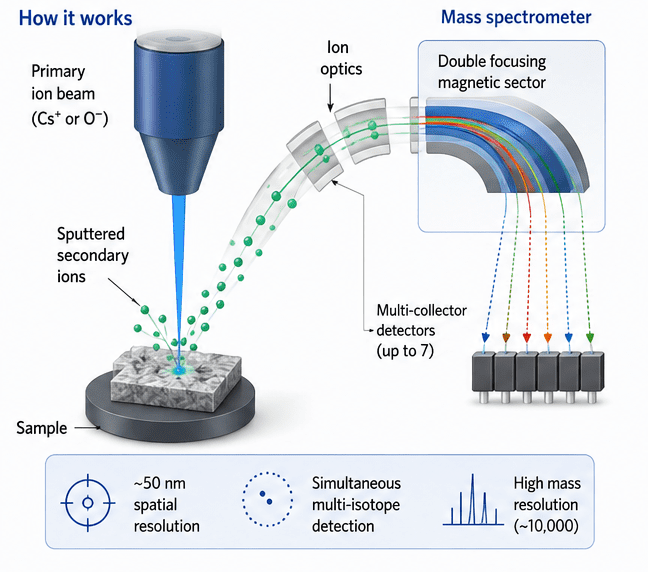
Nanoscale Secondary Ion Mass Spectrometry (NanoSIMS)
NanoSIMS is the acronym for Nanoscale Secondary Ion Mass Spectrometry. NanoSIMS is a high-resolution analytical technique […]
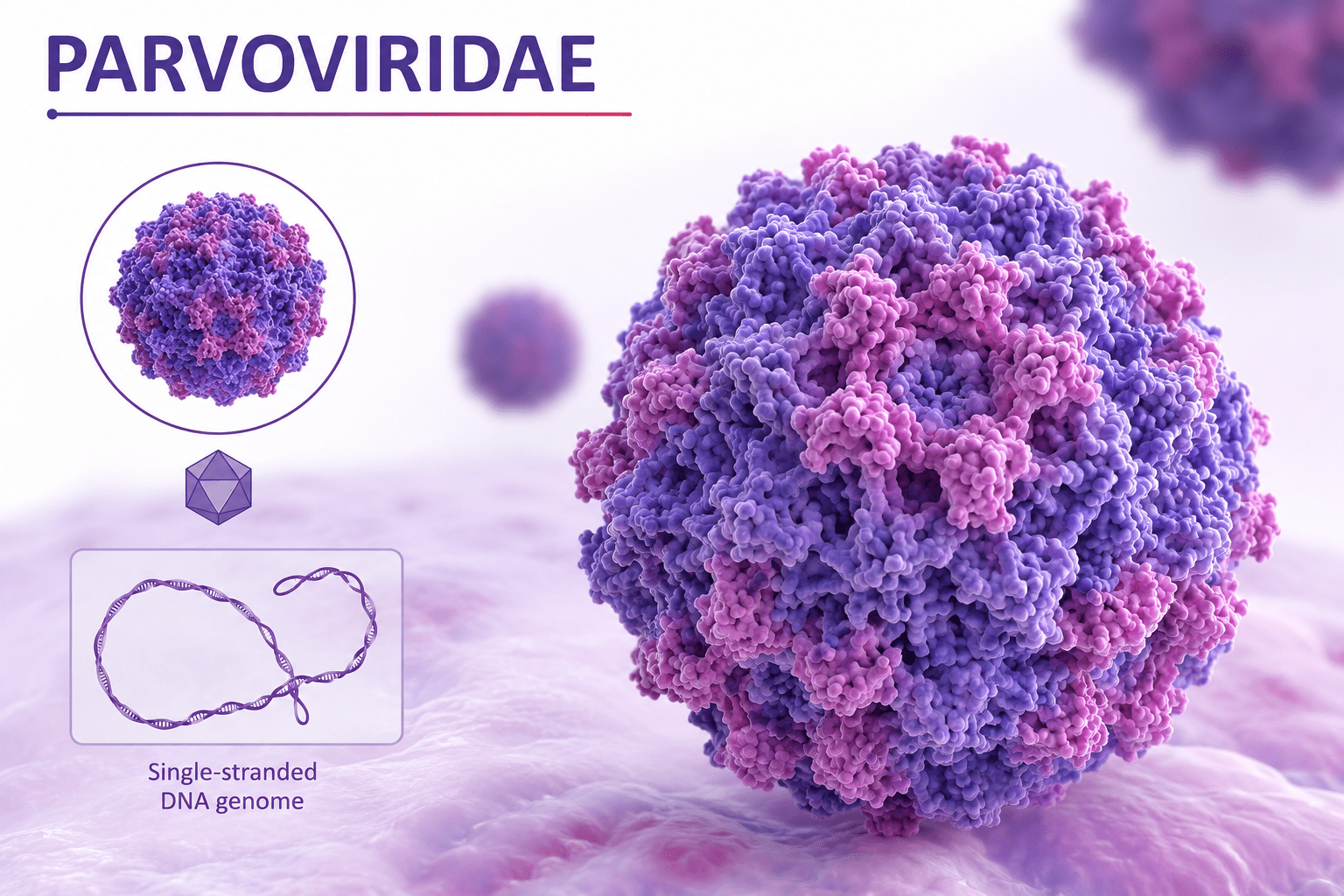
Parvoviridae Family: Structure, Replication, Clinical Significance, and Human Disease
The Parvoviridae family comprises a group of very small DNA viruses that infect both humans and animals. […]
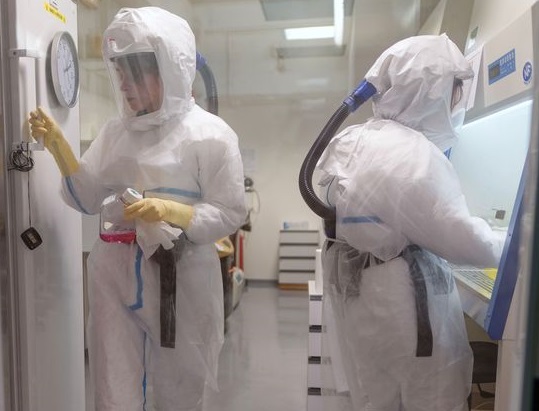
Understanding the Major Transmission Routes of Biological and Chemical Agents
Biological and chemical agents used in bioterrorism can be transmitted to human or animal populations […]
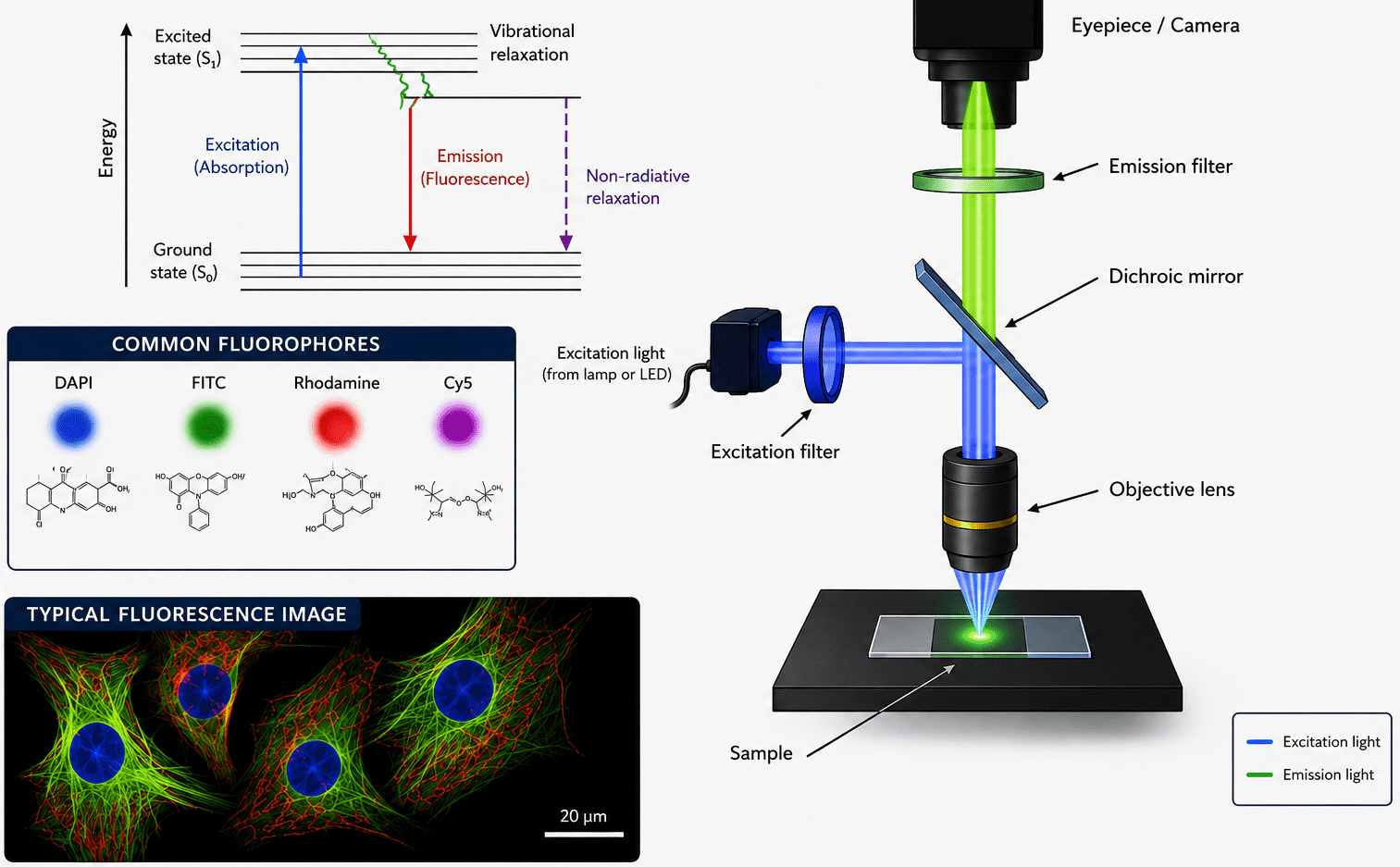
Fluorescence microscopy
Fluorescence microscopy is an advanced optical imaging technique that utilizes the phenomenon of fluorescence to […]

Overview of other Hazardous Chemicals used as Agents of Chemical Warfare: Mechanisms, Effects, and Implications for Human Health
Chemical warfare agents represent a diverse set of toxic compounds designed to harm or incapacitate […]
Understanding Hantavirus Infection: Transmission, Symptoms, and Prevention
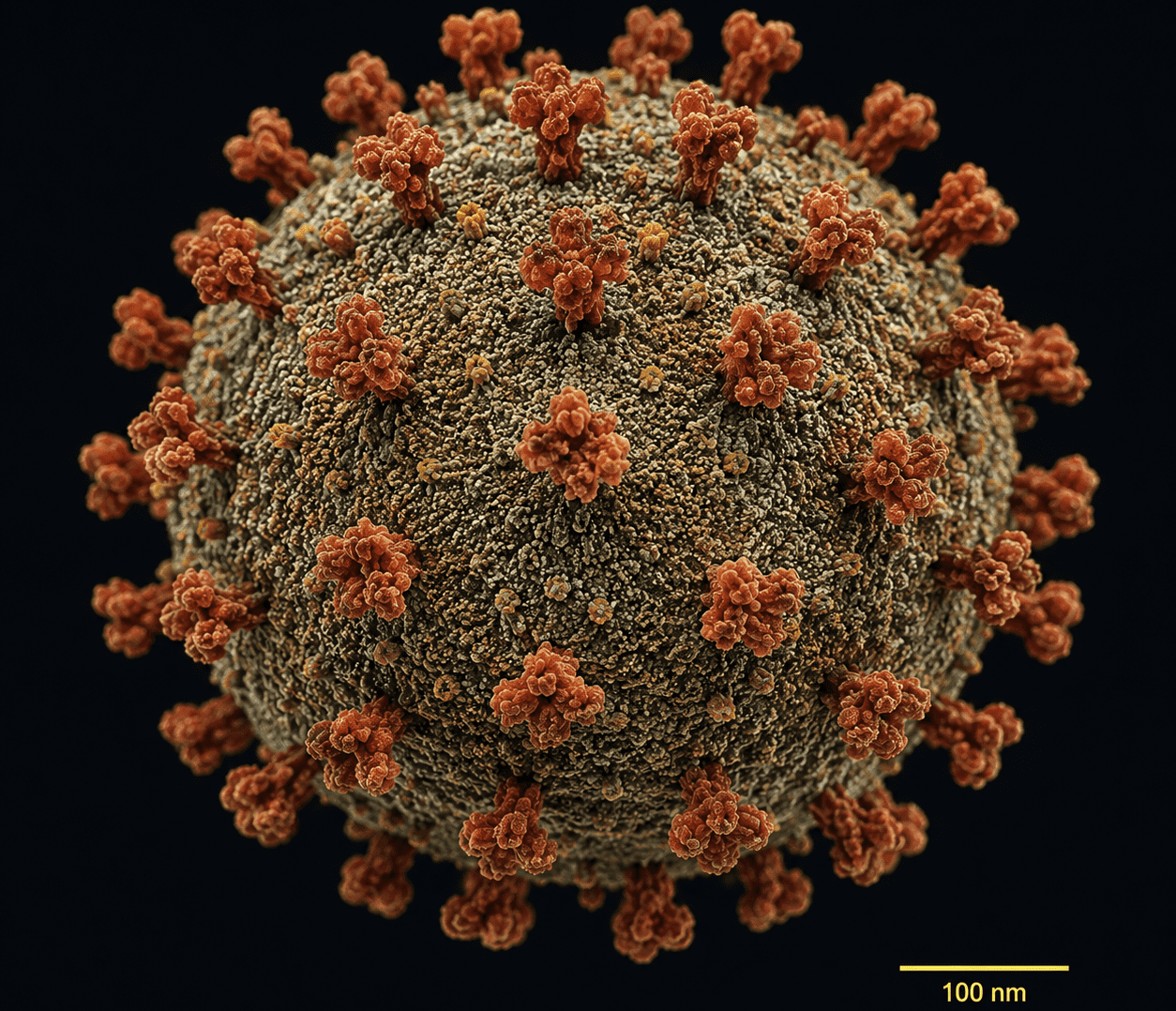
Hantaviruses are classified as Category C biological agents, the third-highest priority group of pathogens considered to […]
Raman Microscopy: How Raman Microscopy is Transforming Microbial Analysis
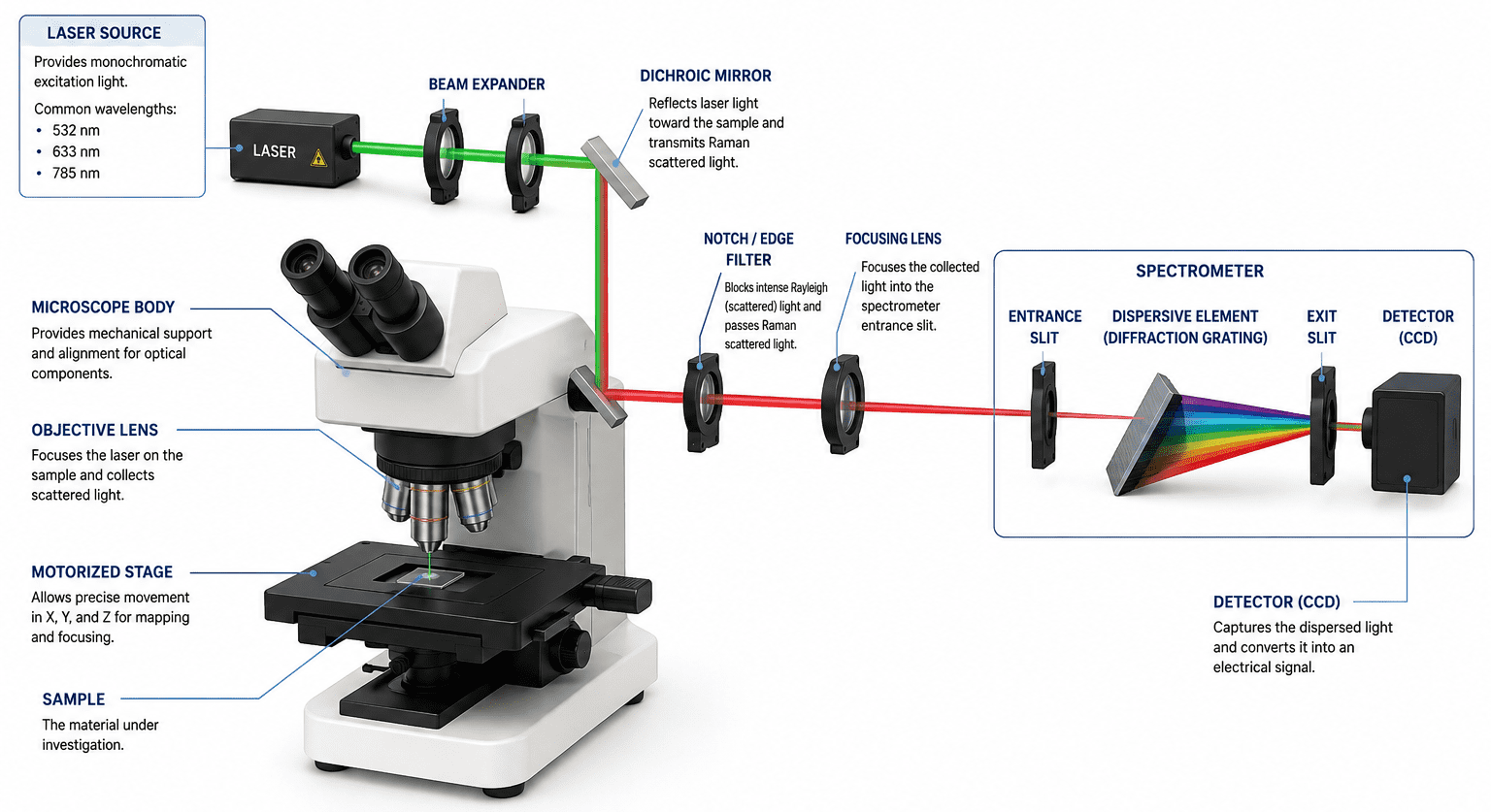
Raman microscopy is an advanced analytical technique that integrates Raman spectroscopy with optical microscopy to enable spatially resolved […]

Category C Biological Agents – Emerging Threats in Public Health: Understanding Category “C” Biological Agents and Their Potential for Future Bioterrorism
Category “C” biological agents occupy a distinct and critical niche in the spectrum of emerging […]
Category B Biological Agents: microbiology, transmission pathways, clinical manifestations
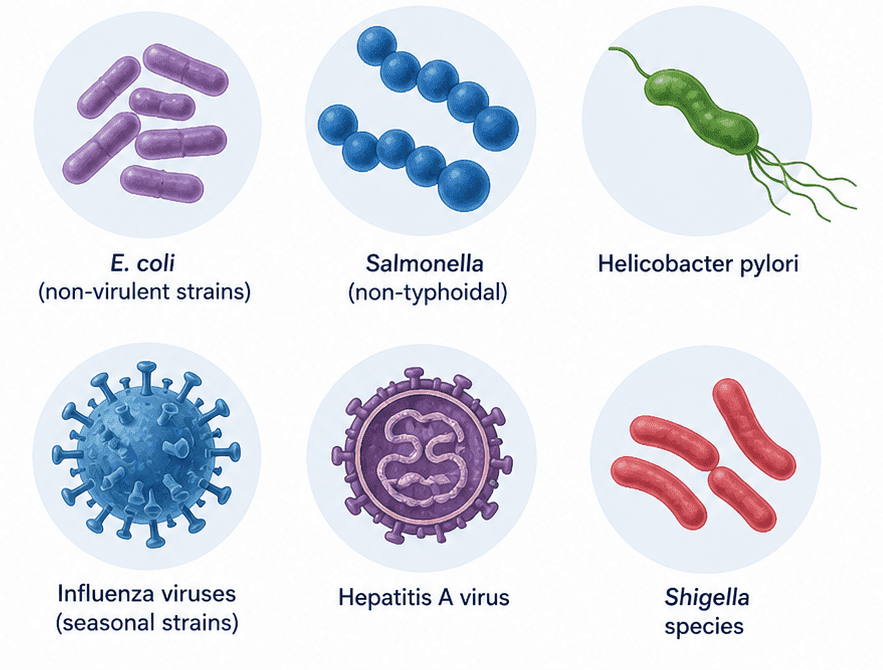
Category B biological agents constitute the second highest priority group of biological threat agents in public health […]
Category A Biological Agents: How to Identify, Contain, and Prepare for the Highest-Risk Biothreats
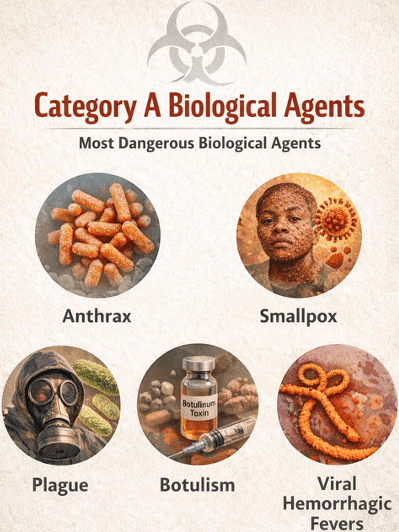
Category A biological agents are pathogens or toxins classified by the Centers for Disease Control and […]
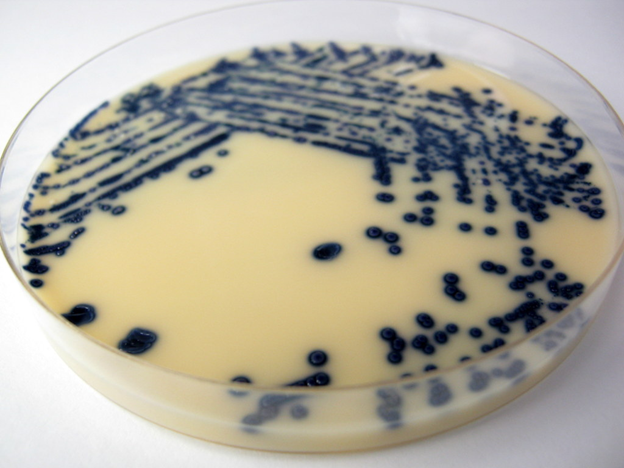
Microbes Used as Biological Weapons: Bioterrorism Threats and Global Biosecurity Measures
Microorganisms have long been recognized not only for their role in disease and ecology but […]

BIOTERRORISM: Definition & Attributes of Biological Agents used for Biowarfare
Bioterrorism is broadly defined as the unauthorized, deliberate, or threatened use of microorganisms including bacteria, […]
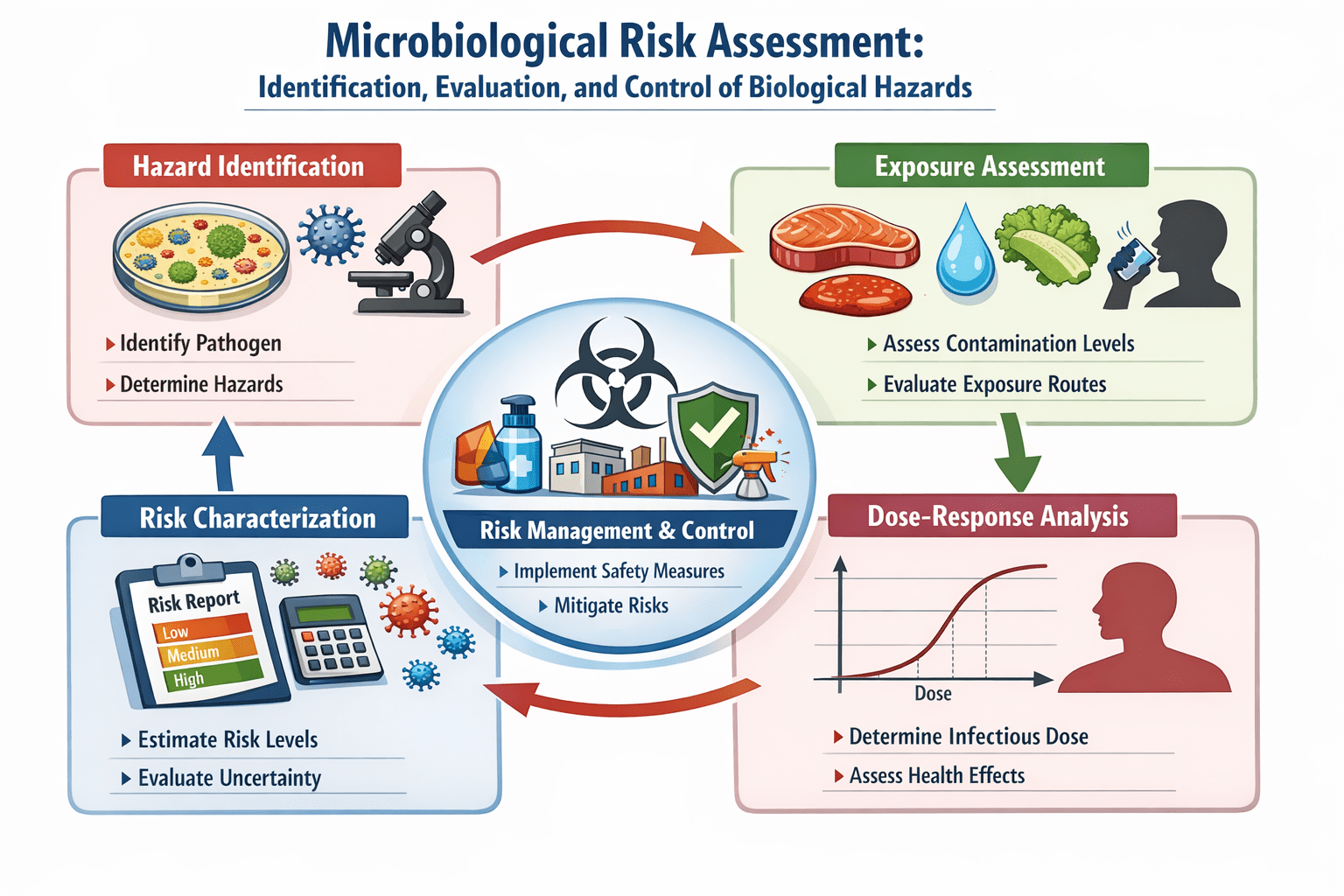
Microbiological Risk Assessment: Identification, Evaluation, and Control of Biological Hazards
Microbiological risk assessment (MRA) is a systematic and structured process used to evaluate the potential […]

Bioterrorism Through History: From Ancient Biological Warfare to Modern Global Security Threats
Bioterrorism refers to the deliberate use of biological agents such as bacteria, viruses, fungi, or […]
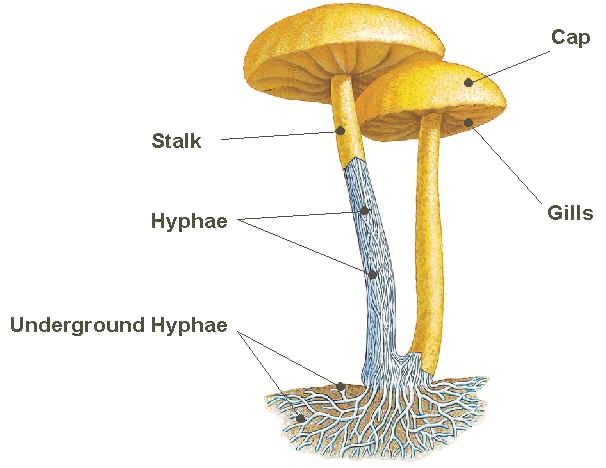
Mushroom Farming: Improving Yield and Productivity in Mushroom Farming Systems
Mushrooms are macroscopic fungi that produce visible fruiting bodies, commonly characterized by an umbrella-like structure. […]