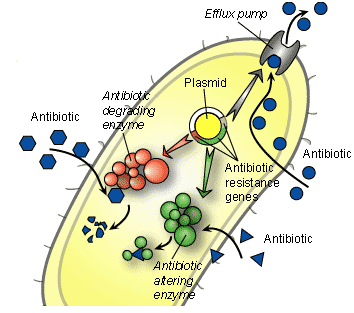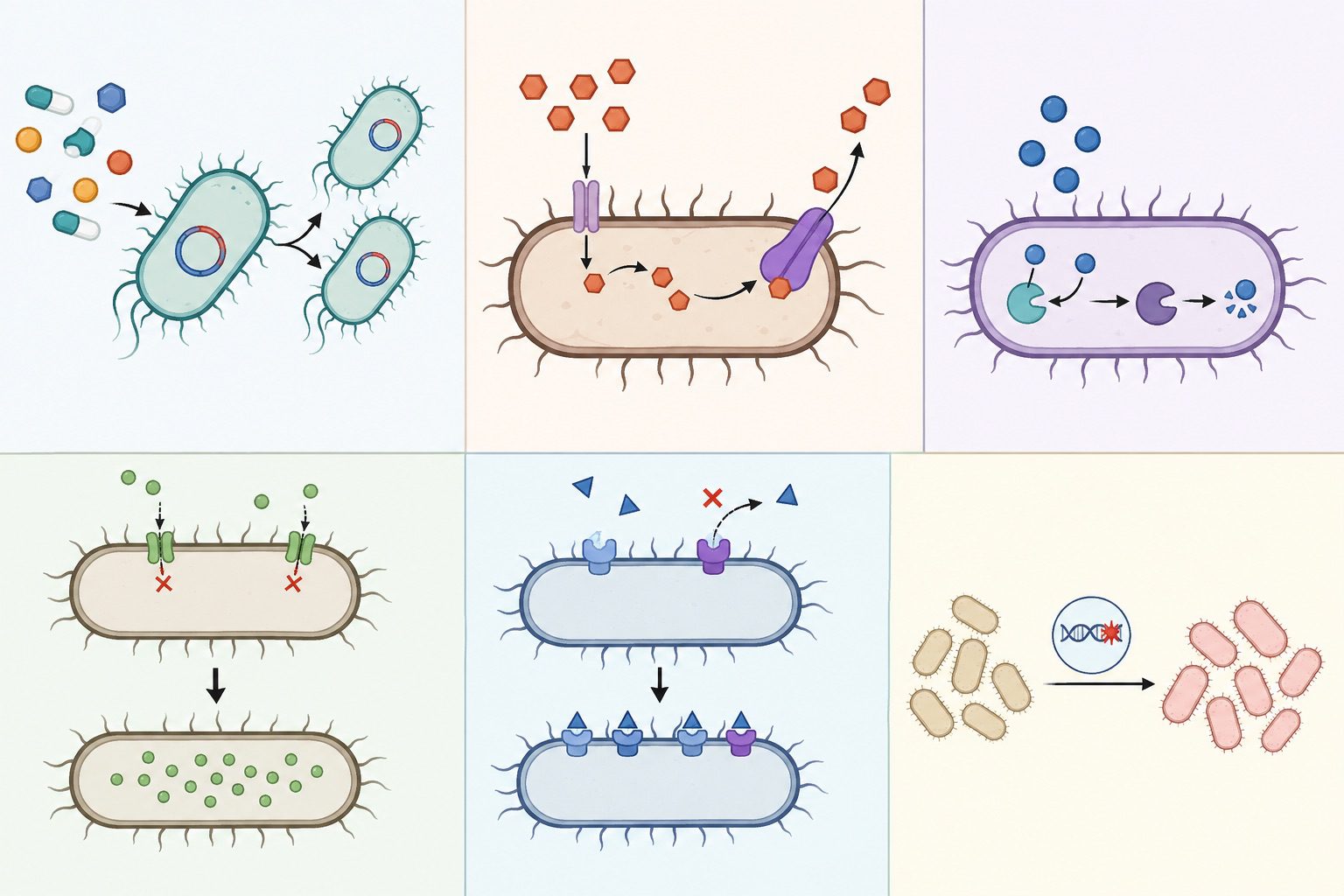

Extended-spectrum beta-lactamases (ESBLs) are bacterial enzymes that hydrolyze a broad range of beta-lactam antibiotics, particularly penicillins, cephalosporins, and aztreonam, thereby reducing the effectiveness of these clinically important drugs. The emergence and dissemination of ESBL-producing bacteria have become a major challenge in antimicrobial therapy because resistance can develop alongside the continued dependence on beta-lactam antibiotics for the treatment of common bacterial infections. ESBL production is particularly important among Gram-negative organisms, where resistance determinants can move rapidly between bacterial populations through mobile genetic elements.
The clinical significance of ESBLs extends beyond the loss of activity of individual antibiotics. ESBL-producing organisms frequently carry additional resistance determinants, generating multidrug-resistant phenotypes that substantially narrow therapeutic options. This characteristic creates a difficult treatment landscape in which antimicrobial selection must account not only for the suspected pathogen but also for the possibility of co-existing resistance mechanisms. Infections caused by ESBL-producing bacteria can become difficult to manage, particularly when microbiological identification and susceptibility testing are delayed.
At the molecular level, ESBL-mediated resistance reflects changes in the interaction between bacterial enzymes and beta-lactam compounds. Many ESBLs arise from mutations within pre-existing beta-lactamase families that modify their substrate profiles, enabling the enzymes to attack antibiotics that were previously less susceptible to hydrolysis. The major ESBL families, including CTX-M, TEM, and SHV variants, demonstrate how relatively small genetic alterations can generate clinically important changes in antimicrobial susceptibility. Among these, CTX-M-type enzymes have become especially prominent in contemporary bacterial populations and have contributed substantially to the changing epidemiology of ESBL-mediated resistance.
The importance of ESBLs is also linked to their ecological mobility. Resistance genes may circulate among humans, animals, food-producing systems, wastewater, and environmental reservoirs, creating interconnected pathways for transmission. Bacteria carrying these determinants can therefore move beyond individual healthcare settings and establish persistent reservoirs within communities. This broader ecological dimension makes ESBL resistance more than a hospital-based problem and highlights the need to understand resistance transmission across different environments.
From a research perspective, ESBL-producing bacteria provide an important model for examining how genetic variation, antimicrobial exposure, bacterial adaptation, and environmental selection interact to shape resistance. Rather than representing a static resistance phenotype, ESBL production can be viewed as a dynamic bacterial strategy influenced by selective pressures and opportunities for gene exchange. Investigating these processes is essential for identifying emerging resistance patterns and understanding why particular ESBL variants become established in specific bacterial populations.
The increasing detection of ESBL-producing organisms therefore emphasizes the need for precise laboratory characterization, responsible antimicrobial use, and continuous surveillance of resistance trends. Defining the genetic and phenotypic features of ESBL producers can improve interpretation of susceptibility profiles and support more informed therapeutic decisions. A focused investigation of ESBL-producing bacteria can consequently contribute not only to understanding antibiotic resistance but also to identifying practical approaches for limiting its further dissemination.
Major types of ESBLs and their representative genes
ESBLs comprise a genetically diverse group of enzymes. Their classification is commonly based on the beta-lactamase family from which they evolved and the sequence characteristics encoded by the corresponding resistance genes. The most clinically important ESBL groups include CTX-M, TEM, SHV, and less frequently identified families such as OXA and other emerging enzyme groups. Their distribution differs geographically and among bacterial populations, but together they illustrate how genetic diversification of beta-lactamases has expanded the spectrum of resistance in Enterobacterales.
1. CTX-M-type ESBLs
CTX-M enzymes are currently among the most important ESBLs encountered in clinical microbiology. Their name reflects their particularly strong activity against cefotaxime, although individual variants can also hydrolyze other extended-spectrum cephalosporins. CTX-M enzymes originated from chromosomal beta-lactamases associated with environmental Kluyvera species and subsequently became widely disseminated after their genes acquired mobile genetic associations.
Representative genes include blaCTX-M-1, blaCTX-M-2, blaCTX-M-9, blaCTX-M-14, and blaCTX-M-15. Among these, blaCTX-M-15 has achieved substantial global distribution and is frequently associated with multidrug-resistant Escherichia coli and Klebsiella pneumoniae. CTX-M genes are often located on plasmids, which facilitates horizontal transfer between bacterial strains and species. Their mobility has contributed to the expansion of ESBL resistance beyond traditional hospital-associated bacterial populations.
2. TEM-type ESBLs
TEM-type enzymes represent another major ESBL family and were originally associated with the narrow-spectrum TEM-1 and TEM-2 beta-lactamases. Genetic substitutions within the enzyme structure altered their substrate-binding characteristics, allowing certain derivatives to hydrolyze extended-spectrum cephalosporins. ESBL-producing TEM variants emerged through evolutionary modification of previously established resistance determinants.
Representative genes include blaTEM-3, blaTEM-10, blaTEM-12, and blaTEM-26. The TEM family demonstrates particularly well how point mutations can transform the functional profile of an enzyme. Although TEM-derived ESBLs remain clinically relevant, their relative prominence varies between bacterial populations and geographic settings. Importantly, not every blaTEM gene indicates an ESBL phenotype because many TEM variants encode narrow-spectrum beta-lactamases rather than extended-spectrum enzymes.
3. SHV-type ESBLs
SHV-type ESBLs constitute another historically important family, particularly among K. pneumoniae. The ancestral SHV enzyme primarily hydrolyzed penicillins and early-generation cephalosporins. Subsequent amino-acid substitutions produced variants capable of hydrolyzing third-generation cephalosporins, generating the ESBL phenotype.
Representative genes include blaSHV-2, blaSHV-5, blaSHV-7, and blaSHV-12. Similar to TEM enzymes, the SHV family contains both ESBL and non-ESBL variants. Identification of a blaSHV determinant alone does not necessarily establish ESBL activity; the specific allele and its phenotypic expression must be considered.
4. OXA-type and other emerging ESBL families
OXA-type beta-lactamases constitute a broad and structurally diverse family. Some OXA variants possess extended-spectrum activity, although many OXA enzymes have different substrate profiles and should not automatically be classified as ESBLs. Representative extended-spectrum-associated genes include blaOXA-10 and related variants. Their interpretation requires particular caution because OXA enzymes differ substantially in biochemical behavior.
Additional ESBL families, including PER, VEB, GES, and BES, have been identified in clinical and environmental bacterial populations. Representative genes include blaPER, blaVEB, blaGES, and blaBES. These enzymes are less uniformly distributed than CTX-M, TEM, or SHV types but demonstrate the continuing diversification of beta-lactamase-mediated resistance.
ESBL classification is fundamentally genetic but has direct phenotypic consequences. Determining the specific gene family can provide valuable epidemiological information, while phenotypic susceptibility testing establishes the functional resistance expressed by the organism. Combining both perspectives is therefore important when investigating the emergence, transmission, and clinical significance of ESBL-producing bacteria.
Clinical significance of ESBLs
ESBLs are enzymes produced predominantly by Gram-negative bacteria that confer resistance to extended-spectrum penicillins, third-generation cephalosporins such as cefotaxime, ceftriaxone, and ceftazidime, and the monobactam aztreonam. In contrast, ESBLs generally do not hydrolyze cephamycins, such as cefoxitin and cefotetan, or carbapenems, including imipenem and meropenem. Their clinical importance, however, extends beyond the resistance phenotype itself because ESBL production can substantially alter the reliability of routine antimicrobial susceptibility results and compromise the effectiveness of commonly selected therapies.
The detection of an ESBL-producing organism in a clinical specimen is particularly consequential when the isolate is associated with invasive or difficult-to-treat infection. A laboratory result indicating apparent susceptibility to a third-generation cephalosporin may not necessarily translate into successful treatment when an ESBL is present. This discrepancy arises because ESBL activity is substrate-dependent and may vary considerably among individual antibiotics. An enzyme can display strong hydrolytic activity against one cephalosporin while exerting comparatively weak activity against another. An isolate may demonstrate a markedly elevated minimum inhibitory concentration (MIC) for ceftazidime while showing a relatively lower MIC for cefotaxime, creating a phenotype that can be difficult to interpret without targeted ESBL investigation.
The therapeutic implications are substantial. Failure to recognize ESBL production may expose patients to antimicrobial treatment that appears appropriate according to routine susceptibility testing but is vulnerable to enzymatic inactivation during infection. This concern is especially relevant in bloodstream, urinary tract, intra-abdominal, and other infections in which adequate antimicrobial exposure is essential for clinical resolution. Furthermore, ESBL-producing organisms frequently acquire additional resistance determinants, producing multidrug-resistant phenotypes that restrict alternative treatment options. ESBL detection is not merely a laboratory classification exercise; it provides clinically meaningful information about the likely robustness of beta-lactam therapy.
ESBL-producing bacteria also represent an important infection-control concern because the genes encoding these enzymes are commonly associated with mobile genetic elements, including plasmids. Such genetic platforms facilitate the transfer of resistance determinants between bacterial strains and, in some circumstances, between different bacterial species. The resulting dissemination can occur within healthcare environments and may extend into community and environmental reservoirs. An apparently isolated ESBL-positive clinical finding may therefore indicate a wider resistance problem within a patient population.
For hospitals, accurate recognition of ESBL production supports antimicrobial stewardship, infection prevention, epidemiological surveillance, and appropriate interpretation of susceptibility profiles. Once ESBL production is established, the clinical laboratory should apply the relevant interpretive standards and institutional reporting policies rather than relying solely on the apparent susceptibility of individual beta-lactam agents. In this context, ESBL detection becomes an essential component of precision microbiology: it connects the biochemical resistance mechanism with the clinical decision-making process and helps prevent misleading susceptibility interpretations.
Laboratory detection of ESBLs
Laboratory detection of ESBL production requires a deliberate approach because the phenotype may not be equally expressed against all indicator antibiotics. The central diagnostic challenge is therefore to distinguish an organism with genuinely reduced susceptibility from one in which resistance is driven by an ESBL mechanism that may remain inconspicuous in routine testing. Accurate detection begins with antimicrobial susceptibility testing and the recognition of characteristic MIC or zone-diameter patterns involving selected extended-spectrum cephalosporins.
Phenotypic detection commonly evaluates the activity of indicator cephalosporins such as cefotaxime and ceftazidime, either individually or in combination with a beta-lactamase inhibitor such as clavulanic acid. The underlying principle is based on restoration of antimicrobial activity when the ESBL is inhibited. A measurable increase in susceptibility in the presence of clavulanate provides phenotypic evidence supporting ESBL production. However, interpretation depends on the testing methodology, bacterial species, antimicrobial concentrations, and current laboratory standards. Therefore, laboratories should use validated procedures and contemporary interpretive criteria rather than relying on historical breakpoint values alone.
The variability of ESBL activity creates an important diagnostic issue. For example, an isolate may exhibit a very high MIC to ceftazidime while showing a substantially lower MIC to cefotaxime. Testing only one substrate could consequently underestimate the resistance mechanism. Including more than one suitable indicator agent increases the likelihood of recognizing isolates with differing substrate preferences. This principle is particularly relevant to CTX-M-type ESBLs, which may demonstrate strong activity against cefotaxime and related substrates while producing less conspicuous resistance to some other cephalosporins.
Automated antimicrobial susceptibility testing systems can assist routine screening, but unusual or clinically significant resistance patterns may require confirmatory investigation. Molecular methods provide a different level of characterization by detecting specific ESBL-associated genes, such as members of the CTX-M, TEM, or SHV families. Molecular detection can clarify the genetic basis of resistance and is particularly valuable for epidemiological investigations, outbreak characterization, and research. Nevertheless, detection of a resistance gene and demonstration of phenotypic enzyme activity are related but distinct findings; genetic assays identify determinants, whereas phenotypic methods evaluate their functional expression.
Laboratory reporting also requires careful interpretation. When an ESBL-producing organism is confirmed, reporting should follow the current recommendations of the applicable clinical breakpoint authority and laboratory policy such as the Clinical and Laboratory Standards Institute (CLSI). Historically, ESBL detection has been linked to the practice of reporting penicillins, cephalosporins, and aztreonam as resistant regardless of individual in vitro susceptibility results. Contemporary breakpoint-based systems may instead incorporate the resistance mechanism into susceptibility interpretation differently. Laboratories should therefore avoid applying outdated blanket rules and should follow current standards for the organism-antibiotic combination being tested.
Reliable ESBL detection depends on integrating screening, confirmatory phenotypic testing, susceptibility interpretation, and, where appropriate, molecular characterization. This integrated approach reduces the risk of overlooking clinically important resistance and transforms laboratory findings into information that can directly support antimicrobial selection, infection-control decisions, and surveillance of emerging resistance.
Screening strategies for ESBL-producing Enterobacterales in the clinical microbiology laboratory
Screening for ESBL production is an important preliminary step in identifying Enterobacterales isolates with a potentially significant beta-lactam resistance phenotype. Enterobacterales is a large order of Gram-negative, rod-shaped, facultatively anaerobic bacteria that includes several major families like Enterobacteriaceae, Yersiniaceae, and Morganellaceae. Unlike definitive confirmation, screening is designed to identify isolates whose susceptibility profiles raise sufficient suspicion of ESBL production to warrant further investigation or appropriate interpretation under current laboratory standards. This distinction is important because the phenotypic expression of ESBL activity can differ substantially between bacterial species, enzymes, and antimicrobial substrates. A screening strategy must therefore be sufficiently sensitive to capture isolates with variable resistance patterns without treating every reduction in cephalosporin susceptibility as definitive evidence of ESBL production.
Historically, the CLSI established specific screening approaches based on disk diffusion and minimum inhibitory concentration (MIC) testing for Escherichia coli, Klebsiella pneumoniae, and Klebsiella oxytoca. These approaches used selected extended-spectrum cephalosporins and aztreonam as indicator agents. Under the historical CLSI screening criteria, an isolate could be considered a potential ESBL producer when reduced inhibition zones or elevated MICs were observed for agents such as cefpodoxime, ceftazidime, aztreonam, cefotaxime, or ceftriaxone. The historical disk-diffusion thresholds included cefpodoxime ≤22 mm, ceftazidime ≤22 mm, aztreonam ≤27 mm, cefotaxime ≤27 mm, and ceftriaxone ≤25 mm; corresponding MIC screening thresholds were ≥2 µg/mL for these agents (Table 1). These values should be regarded as historical screening criteria rather than automatically applied to contemporary reporting, because CLSI susceptibility breakpoints and interpretive practices have subsequently evolved.
Table 1. Historical CLSI screening criteria for suspected ESBL-producing E. coli and Klebsiella spp.
| Antimicrobial agent | Disk diffusion screening criterion | MIC screening criterion |
| Cefpodoxime | ≤ 22 mm | ≥ 2 µg/mL |
| Ceftazidime | ≤ 22 mm | ≥ 2 µg/mL |
| Aztreonam | ≤ 27 mm | ≥ 2 µg/mL |
| Cefotaxime | ≤ 27 mm | ≥ 2 µg/mL |
| Ceftriaxone | ≤ 25 mm | ≥ 2 µg/mL |
Note: These criteria represent historical CLSI screening thresholds for E. coli, K. pneumoniae, and K. oxytoca. Current CLSI/EUCAST standards should always be consulted for contemporary susceptibility interpretation and reporting.
The selection of screening substrates is particularly important because ESBLs do not hydrolyze all beta-lactam antibiotics with equal efficiency. Some enzymes exhibit pronounced activity against cefotaxime, whereas others may produce stronger resistance to ceftazidime or demonstrate a broader substrate profile. Screening with a single antimicrobial agent can fail to recognize isolates carrying an ESBL whose activity is poorly expressed against that particular substrate. Incorporating multiple indicator agents increases the probability of detecting diverse ESBL phenotypes. Historically, cefpodoxime and ceftazidime have demonstrated strong screening performance, while cefotaxime, ceftriaxone, and aztreonam can provide complementary information.
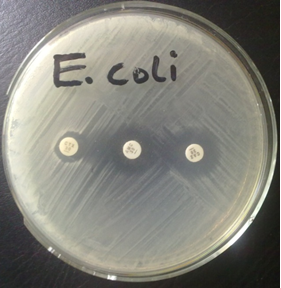
Disk diffusion offers a practical approach for laboratories with routine culture and susceptibility-testing workflows. The diameter of growth inhibition surrounding an antimicrobial disk provides an indirect measure of bacterial susceptibility and can identify isolates requiring further assessment. MIC-based screening provides a quantitative alternative by determining the lowest antimicrobial concentration capable of inhibiting visible bacterial growth. Although the two approaches measure susceptibility differently, both can serve as initial indicators of a phenotype compatible with ESBL production when performed using standardized procedures.
An important limitation of screening is that a positive screening result does not, by itself, establish the precise mechanism responsible for reduced susceptibility. Elevated cephalosporin MICs can arise through mechanisms other than ESBL production, including AmpC beta-lactamases, carbapenemases, alterations in membrane permeability, or combinations of resistance mechanisms. Some ESBL-producing isolates may remain below historical screening thresholds because enzyme expression, bacterial background, or substrate preference can influence the observed phenotype. Screening should therefore be interpreted as a gateway to further characterization rather than as an isolated diagnostic endpoint.
Modern clinical microbiology laboratories increasingly integrate automated susceptibility platforms, standardized disk diffusion, and, where necessary, confirmatory phenotypic or molecular approaches. The choice of method should reflect the bacterial species, local resistance epidemiology, available laboratory resources, and the interpretive framework adopted by the institution. Current CLSI or EUCAST standards should be consulted when establishing laboratory procedures, rather than relying exclusively on older screening thresholds.
Effective ESBL screening depends on recognizing that resistance is a heterogeneous phenotype rather than a uniform laboratory pattern. Using complementary indicator agents, applying standardized susceptibility methods, and interpreting findings within the appropriate clinical and microbiological context can improve the recognition of potential ESBL producers. A carefully designed screening workflow therefore provides an efficient bridge between routine susceptibility testing and more definitive characterization of beta-lactam resistance.
Phenotypic confirmation of ESBL production
Following the identification of an Enterobacterales isolate with a susceptibility profile suggestive of ESBL production after a prior screening test, confirmatory testing is required to distinguish genuine ESBL activity from other causes of reduced susceptibility to extended-spectrum beta-lactams. Phenotypic confirmation is based on a functional principle: an ESBL should hydrolyze selected extended-spectrum cephalosporins, while inhibition of the enzyme by clavulanic acid should restore part of the antimicrobial activity. This approach links the observed susceptibility phenotype to the underlying enzymatic mechanism and provides a practical confirmation strategy for routine clinical microbiology laboratories.
For Escherichia coli, Klebsiella pneumoniae, and Klebsiella oxytoca, the conventional CLSI phenotypic confirmation approach evaluates two indicator cephalosporins, cefotaxime and ceftazidime. Each agent is tested independently and in combination with clavulanic acid. The paired design is important because ESBLs differ in their substrate preferences; an isolate may demonstrate stronger hydrolysis of cefotaxime than ceftazidime, or the reverse. Testing both substrates therefore reduces the possibility that an ESBL phenotype will be overlooked because of reliance on a single antimicrobial.
Two principal phenotypic methods can be used: broth microdilution and disk diffusion. In broth microdilution, the MIC of cefotaxime or ceftazidime is determined both in the absence and presence of clavulanic acid. According to the historical CLSI confirmation criterion provided, an ESBL-producing organism is confirmed when the MIC of either cefotaxime or ceftazidime decreases by more than three twofold dilution steps when the antimicrobial is combined with 4 µg/mL clavulanic acid compared with the MIC obtained for the antimicrobial alone. This reduction reflects inhibition of the beta-lactamase and a corresponding restoration of antimicrobial activity.
Disk diffusion applies the same biological principle through a different measurement. Separate disks containing cefotaxime and ceftazidime are compared with corresponding disks containing the antimicrobial plus clavulanic acid. A greater inhibition zone in the presence of clavulanate indicates that enzymatic hydrolysis has been suppressed. Under the stated historical CLSI criterion, an increase of more than 5 mm in the inhibition-zone diameter for either antimicrobial when combined with clavulanic acid, compared with the agent alone, confirms ESBL production.
The value of this paired testing strategy lies in its ability to demonstrate a specific inhibitor effect rather than simply detecting elevated resistance. An isolate with reduced susceptibility to cefotaxime or ceftazidime may possess several possible resistance mechanisms, and elevated MICs alone cannot reliably identify an ESBL. Demonstrating a substantial susceptibility shift after addition of clavulanic acid provides stronger phenotypic evidence that a clavulanate-inhibited beta-lactamase is responsible for the observed phenotype.
Phenotypic confirmation has limitations. Clavulanate-based tests may be affected by other beta-lactamases, particularly when multiple resistance mechanisms coexist within the same isolate. Organisms producing AmpC beta-lactamases or carbapenemases can generate complex susceptibility patterns that complicate interpretation. In addition, the conventional confirmation procedure is primarily applicable to the organisms for which the relevant standards have been established and should not be extrapolated indiscriminately to every Gram-negative bacterium.
In contemporary laboratory practice, confirmatory findings should therefore be interpreted according to the current CLSI or EUCAST framework adopted by the laboratory. Where phenotypic results are ambiguous, molecular detection of ESBL-associated resistance genes can provide additional characterization, particularly in epidemiological or research settings. Phenotypic confirmation nevertheless remains valuable because it demonstrates the functional expression of resistance and can be incorporated into routine susceptibility workflows without requiring specialized molecular infrastructure.
A reliable confirmation strategy consequently depends on comparative testing rather than a single susceptibility measurement. By examining cefotaxime and ceftazidime with and without clavulanic acid, the laboratory can determine whether inhibition of beta-lactamase activity produces a measurable restoration of antimicrobial susceptibility. This functional evidence provides a more defensible basis for recognizing ESBL production and strengthens the connection between laboratory resistance testing and clinically relevant antimicrobial interpretation.
Quality control organisms for reliable ESBL detection
Quality control (QC) is an essential component of ESBL testing because the interpretation of a phenotypic assay depends not only on the clinical isolate but also on the consistent performance of the antimicrobial disks, culture medium, inoculum, incubation conditions, and laboratory procedure. A confirmatory test that produces an apparently convincing result is of limited value if the testing system itself has not demonstrated acceptable performance. For this reason, laboratories should incorporate appropriate reference organisms into routine quality assurance procedures for ESBL detection.
Historically, K. pneumoniae ATCC 700603 has been used as a well-characterized ESBL-positive control, while E. coli ATCC 25922 serves as an ESBL-negative control. These organisms provide contrasting phenotypic responses that allow the laboratory to determine whether the testing procedure is behaving as expected. The positive control establishes that the assay can demonstrate the characteristic effect associated with ESBL activity, whereas the negative control provides evidence that the procedure does not produce an inappropriate clavulanate-associated response in an organism lacking the expected ESBL phenotype.
The importance of these controls becomes particularly apparent in comparative methods involving cefotaxime or ceftazidime tested alone and in combination with clavulanic acid. For a valid assay, the expected susceptibility behavior of the control strains should remain within the laboratory’s established quality-control ranges. Unexpected shifts may indicate deterioration of antimicrobial disks, inappropriate reagent concentrations, unsuitable media, inoculum errors, incubation problems, or technical inconsistencies. Clinical isolates should not be interpreted confidently when the corresponding QC results fall outside acceptable limits.
QC also provides a mechanism for detecting subtle laboratory drift. Repeated testing over time can reveal gradual changes in disk potency, instrument performance, or procedural consistency before these changes produce obvious diagnostic errors. This is especially relevant for ESBL confirmation because the test may depend on a defined difference between antimicrobial activity in the absence and presence of clavulanate. Small technical variations can therefore influence whether an isolate crosses a confirmatory threshold.
In contemporary practice, laboratories should use the QC organisms and acceptance ranges specified by the current CLSI or other applicable standard rather than relying indefinitely on historical values. Reference strains should be maintained, handled, and tested according to validated laboratory procedures. Proper QC transforms ESBL detection from a single analytical event into a controlled diagnostic process, improving confidence that observed susceptibility changes reflect the bacterial phenotype rather than a technical artifact.
When phenotypic confirmation fails to reveal an ESBL
A negative clavulanate-based confirmatory test does not invariably exclude the presence of an ESBL. This limitation is important when an isolate, particularly K. pneumoniae, exhibits resistance or reduced susceptibility to cefotaxime and/or ceftazidime but fails to demonstrate the expected increase in susceptibility following exposure to clavulanic acid. The apparent contradiction can arise because bacterial isolates may produce several beta-lactamases simultaneously, creating a composite phenotype in which the activity of one enzyme interferes with recognition of another.
One important source of masking is the presence of AmpC beta-lactamases. Unlike ESBLs, AmpC enzymes are generally not inhibited effectively by clavulanic acid. When an isolate produces both an ESBL and substantial AmpC activity, the addition of clavulanate may fail to produce the expected improvement in cephalosporin susceptibility. The result can therefore resemble an ESBL-negative phenotype even though an ESBL determinant is present. This phenomenon illustrates why phenotypic testing should not be interpreted independently of the broader resistance profile.
Inhibitor-resistant TEM enzymes provide another mechanism capable of complicating interpretation. These enzymes can retain beta-lactamase activity despite exposure to inhibitors, thereby diminishing the observable clavulanate effect. Similarly, hyperproduction of TEM or SHV beta-lactamases may generate sufficiently strong beta-lactam resistance to obscure the characteristic response expected from an ESBL. The resulting phenotype is particularly challenging because the laboratory may observe clear cephalosporin resistance without obtaining the confirmatory inhibitor effect required by a conventional phenotypic test.
Such situations demonstrate an important distinction between phenotypic non-confirmation and true absence of an ESBL. The former describes what the assay demonstrates; the latter is a biological conclusion that may require additional evidence. When the resistance phenotype is epidemiologically unusual, clinically important, or inconsistent with the phenotypic confirmation result, molecular characterization may provide greater resolution. Historically, isoelectric focusing and DNA sequencing have been used to characterize multiple beta-lactamases and identify specific resistance determinants, although contemporary laboratories may employ targeted PCR, sequencing, or other validated molecular platforms.
This limitation is particularly relevant in research and reference-laboratory investigations, where defining the complete resistance genotype may be more important than assigning a simple ESBL-positive or ESBL-negative category. A discordant result should prompt consideration of co-existing resistance mechanisms rather than immediate dismissal of ESBL production. Recognition of these analytical blind spots strengthens interpretation and prevents an apparently negative confirmatory assay from being treated as absolute evidence against an ESBL-associated resistance mechanism.
Interpretation and reporting of beta-lactam susceptibility results
The detection of ESBL production has historically influenced how clinical laboratories interpret and report susceptibility results for beta-lactam antibiotics. Under the conventional CLSI approach described for confirmed ESBL-producing isolates, penicillins, cephalosporins, and aztreonam were reported as resistant because the presence of an ESBL indicated a clinically important mechanism capable of compromising the activity of these agents. This approach was intended to reduce the possibility that an apparently susceptible result would be interpreted in isolation from the resistance mechanism.
Cephamycins, including cefoxitin and cefotetan, were treated differently because ESBLs do not characteristically hydrolyze these agents. Their results were therefore interpreted according to the routine susceptibility test rather than automatically being classified as resistant solely because an ESBL was detected. This distinction emphasizes that beta-lactamase-mediated resistance is substrate-specific and that detection of one enzyme should not automatically be extrapolated to every antimicrobial within the beta-lactam class.
For isolates that did not meet the applicable phenotypic criteria for ESBL production, the historical recommendation was to report penicillins, cephalosporins, and aztreonam according to their routine susceptibility results rather than modifying the interpretations solely because an ESBL was suspected. This distinction is important because screening and confirmation are separate stages: a screening phenotype raises suspicion, whereas a confirmed mechanism provides stronger evidence for mechanism-specific interpretation.
Laboratories must recognize that antimicrobial susceptibility reporting has evolved substantially as clinical breakpoints have been revised. Current CLSI and EUCAST frameworks increasingly emphasize validated organism-drug-specific breakpoints and clinical exposure considerations rather than automatically applying older ESBL-driven reporting rules to every isolate. Therefore, historical statements that all penicillins, cephalosporins, and aztreonam must automatically be reported as resistant should not be applied to contemporary laboratory practice without checking the current standard used by the institution.
The reporting process should also distinguish laboratory detection from clinical treatment recommendations. A microbiology report communicates the susceptibility phenotype under a defined interpretive framework; the final antimicrobial choice additionally depends on infection site, organism, patient factors, pharmacokinetics, pharmacodynamics, and local resistance patterns. Accurate reporting therefore requires both analytical discipline and awareness of the current interpretive standard.
ESBL reporting should be standardized, transparent, and aligned with the laboratory’s governing susceptibility guidelines. Historical ESBL-specific reporting rules remain important for understanding the development of clinical microbiology practice, but contemporary laboratories should verify current CLSI or EUCAST recommendations before altering susceptibility interpretations. This approach minimizes outdated reporting practices while preserving the central purpose of ESBL detection: providing clinically meaningful information about beta-lactam resistance.
Further reading
Clinical and Laboratory Standards Institute. (2026). Breakpoint implementation toolkit (BIT). clsi.org/resources/breakpoint-implementation-toolkit/
Ejikeugwu C, Ugwu Malachy, Iroha Ifeanyichukwu, Gugu Thaddeus, Duru Carissa, Eze Peter, and Esimone Charles (2013). Detection and antimicrobial susceptibility of some Gram negative bacteria producing carbapenemases and extended spectrum beta lactamases. International Journal of Microbiology and Immunology Research, 2(6):064-069.
Ejikeugwu C, Ikegbunam Moses, Ugwu Chigozie, Eze Peter, Iroha Ifeanyichukwu, and Esimone Charles (2013). Phenotypic Detection of Klebsiella pneumoniae Strains – Producing Extended Spectrum β-Lactamase (ESBL) Enzymes. Scholars Academic Journal of Biosciences, 1(1):20-23.
Ejikeugwu C, Iroha Ifeanyichukwu, Adikwu Michael and Esimone Charles (2013). Susceptibility and Detection of Extended Spectrum β-Lactamase Enzymes from Otitis Media Pathogens. American Journal of Infectious Diseases, 9(1):24-29.
Ejikeugwu PC., Ugwu C.M., Araka C.O., Gugu T.H., Iroha I.R., Adikwu M.U and Esimone C.O (2012). Imipenem and Meropenem resistance amongst ESBL producing Escherichia coli and Klebsiella pneumoniae clinical isolates. International Research Journal of Microbiology, 3(10):339-344.
Ejikeugwu PC, Nkechukwu M.I., Ugwu C.M., Iroha I.R and Esimone C.O (2012). Extended-spectrum β-lactamase-producing Escherichia coli isolates from suspected community acquired urinary tract infections. European Journal of Scientific Research, 84(4):565-571.
European Committee on Antimicrobial Susceptibility Testing. (2026). EUCAST. www.eucast.org/
Discover more from Microbiology Class
Subscribe to get the latest posts sent to your email.