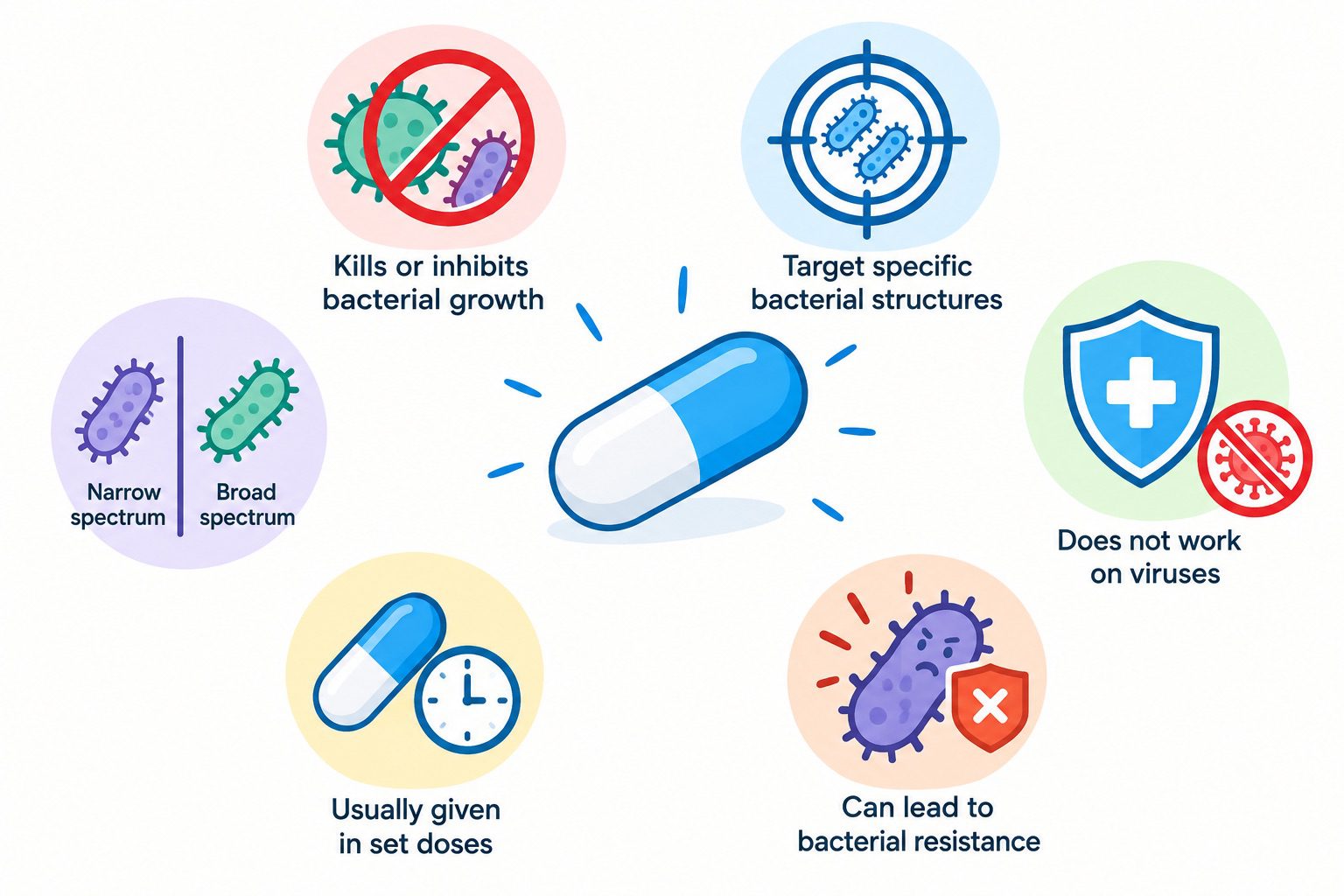

Cephalosporins are a major class of beta-lactam antibiotics widely used in the prevention and treatment of bacterial infections. They are structurally related to penicillins and exert their antibacterial effects by interfering with bacterial cell wall synthesis. Their ability to target essential processes in bacterial growth makes them important agents in clinical medicine. Although cephalosporins share certain properties with penicillins, differences in their chemical structures, antibacterial spectra, and resistance profiles influence their selection for specific infections.
The development of cephalosporins expanded the range of available antibacterial treatments, particularly as resistance to older antibiotics became an increasing challenge in healthcare. Many cephalosporins are relatively resistant to hydrolysis by certain penicillinases, enzymes produced by bacteria that can inactivate penicillin antibiotics. However, their susceptibility to bacterial beta-lactamases varies considerably among individual drugs, and some enzymes can effectively destroy particular cephalosporins. These antibiotics should not be regarded as universally resistant to beta-lactamase-mediated degradation.
The antibacterial activity of cephalosporins depends on their interaction with penicillin-binding proteins (PBPs), which are enzymes involved in the synthesis and maintenance of the bacterial cell wall. By inhibiting these proteins, cephalosporins prevent the proper cross-linking of peptidoglycan, a fundamental structural component of the bacterial cell wall. This disruption weakens the wall and may cause bacterial cells to undergo lysis, particularly when they are actively growing and dividing. Because human cells lack peptidoglycan cell walls, this mechanism provides a degree of selective toxicity against bacteria.
A defining feature of cephalosporins is their classification into five generations, rather than four, based primarily on differences in antibacterial spectrum, chemical modifications, and clinical applications. First-generation agents generally demonstrate strong activity against many Gram-positive bacteria, alongside activity against selected Gram-negative organisms. Second-generation cephalosporins offer expanded activity against certain Gram-negative bacteria, although their coverage varies by agent.
Third-generation drugs typically provide greater activity against a broader range of Gram-negative organisms, and some can penetrate the central nervous system when appropriate clinical conditions are met. Fourth-generation agents, such as cefepime, combine broad Gram-positive and Gram-negative activity and offer stability against certain beta-lactamases. Fifth-generation agents, including ceftaroline, possess activity against selected resistant Gram-positive bacteria, notably methicillin-resistant Staphylococcus aureus (MRSA).
Despite these general patterns, the generations are not absolute measures of effectiveness, and antibacterial activity differs among individual drugs within the same group. Cephalosporin selection therefore depends on the suspected or confirmed pathogen, infection site, susceptibility results, patient characteristics, and local resistance patterns.
First-generation cephalosporins
First-generation cephalosporins are β-lactam antibiotics characterized by their strong activity against many Gram-positive bacteria and limited effectiveness against Gram-negative organisms. This group includes cephalexin, cephalothin, cephapirin, cefazolin, cephradine, and cefadroxil. Their antibacterial action occurs through inhibition of bacterial cell-wall synthesis, resulting in weakened cell walls and eventual bacterial death.
First generation cephalosporins are particularly effective against susceptible Streptococcus species and methicillin-susceptible Staphylococcus aureus (MSSA). Their activity against Gram-negative bacteria is comparatively restricted but includes certain members of the family Enterobacteriaceae, notably susceptible strains of Escherichia coli, Klebsiella species, and Proteus mirabilis. However, they generally lack reliable activity against organisms such as Pseudomonas aeruginosa, Enterococcus species, and MRSA.
First-generation cephalosporins are commonly used to manage susceptible skin and soft-tissue infections, uncomplicated urinary tract infections, and selected surgical infections. Cefazolin is frequently administered intravenously for surgical prophylaxis, whereas cephalexin and cefadroxil are commonly given orally. Their clinical usefulness depends on the infection site, local resistance patterns, and the susceptibility of the causative organism. Although their spectrum is relatively narrow, these agents remain valuable options for treating infections caused by susceptible bacteria.
Second generation cephalosporins
Second-generation cephalosporins are beta-lactam antibiotics developed to improve activity against Gram-negative bacteria, particularly organisms capable of producing beta-lactamase enzymes that inactivate certain antibiotics. Compared with first-generation cephalosporins, these agents generally demonstrate broader Gram-negative antibacterial coverage while retaining some activity against Gram-positive microorganisms. Their effectiveness varies according to the specific drug and the susceptibility of the causative pathogen.
These antibiotics are active against several clinically significant members of the family Enterobacteriaceae, including Escherichia coli and Klebsiella species. They also provide coverage against Haemophilus species, which are associated with respiratory tract infections. Certain agents within this generation, particularly cefoxitin and cefotetan, exhibit additional activity against selected anaerobic bacteria, including Bacteroides species. This characteristic makes them useful in treating infections involving mixed aerobic and anaerobic microorganisms.
Common examples of second-generation cephalosporins include cefaclor, cefuroxime, cefoxitin, and cefotetan. Although these drugs share a common beta-lactam mechanism of action, their antibacterial spectra differ, influencing their clinical applications. For instance, cefuroxime is frequently used for susceptible respiratory pathogens, whereas cefoxitin and cefotetan may be selected for certain intra-abdominal and pelvic infections because of their anaerobic coverage.
Second-generation cephalosporins are not universally resistant to beta-lactamases, and their activity depends on bacterial resistance mechanisms and local susceptibility patterns. Appropriate selection therefore requires consideration of the suspected pathogen, infection site, and antimicrobial susceptibility results.
Third generation cephalosporins
Third-generation cephalosporins are β-lactam antibiotics that include ceftazidime, cefotaxime, and ceftriaxone. They demonstrate improved activity against many Gram-negative bacteria compared with second-generation cephalosporins, making them valuable agents in the treatment of serious bacterial infections. Their antimicrobial spectrum encompasses numerous members of the family Enterobacteriaceae, as well as selected non-enteric pathogens, including Pseudomonas aeruginosa, particularly with ceftazidime.
A major pharmacological advantage of this generation is its enhanced systemic distribution and, for certain agents, effective penetration into the cerebrospinal fluid, especially when the meninges are inflamed. This characteristic makes cefotaxime and ceftriaxone important therapeutic options for central nervous system infections, including bacterial meningitis caused by organisms such as Neisseria meningitidis. Their effectiveness varies according to the specific drug, bacterial species, and resistance profile.
Clinically, third-generation cephalosporins are frequently used in severe infections, including sepsis, pneumonia, and meningitis. They may also be administered empirically when the causative microorganism has not yet been identified, guided by the suspected source of infection and local antimicrobial resistance patterns. Once culture and susceptibility results become available, treatment should be reassessed to ensure appropriate antimicrobial selection and minimize unnecessary broad-spectrum antibiotic exposure.
Fourth generation cephalosporins
Fourth-generation cephalosporins represent an advanced class of β-lactam antibiotics developed to improve antibacterial coverage against clinically significant pathogens, particularly Gram-negative bacilli that may exhibit reduced susceptibility to third-generation cephalosporins. The principal agents in this group include cefepime and cefpirome, which demonstrate broad-spectrum activity against diverse bacterial species.
These antibiotics are effective against several important Gram-negative organisms, including Enterobacter spp., Citrobacter spp., Neisseria spp., and Haemophilus spp., as well as numerous members of the family Enterobacteriaceae. Their antimicrobial properties make them valuable therapeutic options for infections caused by susceptible Gram-negative pathogens.
Fourth-generation cephalosporins generally exhibit greater stability against certain β-lactamase enzymes produced by Gram-negative bacteria, thereby improving their activity against organisms capable of inactivating less stable β-lactam agents. Their effectiveness remains dependent on the specific resistance mechanisms expressed by the infecting organism.
Another important characteristic is their capacity to penetrate the outer membrane of Gram-negative bacteria, facilitating access to penicillin-binding proteins involved in bacterial cell-wall synthesis. This property, combined with their broad antibacterial spectrum and relative resistance to enzymatic degradation, contributes to their clinical utility in treating serious bacterial infections. Appropriate selection requires consideration of local antimicrobial susceptibility patterns, infection severity, and the potential emergence of antimicrobial resistance.
Fifth generation cephalosporins
Fifth-generation cephalosporins represent an advanced class of β-lactam antibiotics developed to combat challenging bacterial infections, including those caused by certain multidrug-resistant pathogens. These agents are particularly notable for their activity against MRSA, a significant cause of healthcare-associated and community-acquired infections. Unlike many earlier cephalosporins, selected drugs in this generation possess enhanced binding affinity for altered penicillin-binding proteins, enabling them to target resistant Gram-positive bacteria.
The principal agents in this group are ceftaroline fosamil and ceftobiprole. Both of these agents are administered intravenously (IV). Ceftaroline fosamil is a prodrug converted into active ceftaroline in the body and is used to treat specific infections, including community-acquired bacterial pneumonia and acute bacterial skin and skin-structure infections. Ceftobiprole also exhibits activity against MRSA and several other clinically important bacterial species, with approved indications varying by country.
Despite their expanded antibacterial spectrum, fifth-generation cephalosporins do not provide universal coverage against resistant organisms. Their effectiveness against Gram-negative bacteria varies, and they are not reliable treatments for certain pathogens, including many extended-spectrum β-lactamase-producing organisms. Appropriate selection therefore depends on the suspected pathogen, susceptibility testing, infection site, and clinical circumstances. These antibiotics offer valuable therapeutic options when resistance limits the usefulness of conventional cephalosporins.
Sources of cephalosporins
Cephalosporins are β-lactam antibiotics originally obtained from fungi belonging to the genus Cephalosporium, particularly Cephalosporium acremonium, which is now classified as Acremonium chrysogenum. These microorganisms are important natural sources of cephalosporin compounds and have contributed significantly to the development of antibiotics used to treat bacterial infections. The discovery of cephalosporins dates to the 1940s, when the Italian scientist Giuseppe Brotzu isolated antibiotic-producing moulds from seawater near a sewage outlet in Sardinia. Subsequent investigations identified substances produced by these fungi that demonstrated activity against several bacterial pathogens, leading to further research and the development of cephalosporin antibiotics.
In their natural environment, cephalosporin-producing fungi synthesize these compounds as part of their secondary metabolism. Their production can be influenced by environmental conditions, nutrient availability, temperature, and the composition of the growth medium. Under controlled industrial conditions, selected fungal strains are cultivated through fermentation to produce cephalosporin-related compounds in quantities suitable for pharmaceutical manufacturing. Following fermentation, the desired products are recovered, purified, and processed to obtain intermediates used in antibiotic production.
Natural cephalosporins have provided the structural foundation for the development of numerous clinically useful derivatives. However, the compounds produced directly by fungi may possess limitations in their antibacterial spectrum, stability, absorption, or resistance to bacterial β-lactamase enzymes. To overcome these limitations, pharmaceutical manufacturers employ semi-synthetic modification, in which specific chemical groups are introduced into the basic cephalosporin structure to improve its therapeutic properties.
A key intermediate in this process is 7-aminocephalosporanic acid (7-ACA), which contains the characteristic β-lactam ring fused to a dihydrothiazine ring. Chemical modification of the side chains attached to this nucleus can alter the antibiotic’s antibacterial activity, pharmacokinetic characteristics, and susceptibility to enzymatic degradation. These modifications have enabled the development of different generations of cephalosporins, each possessing distinct properties and clinical applications.
The sources of cephalosporins include both natural biological production and the semi-synthetic processes derived from it. Although fungal fermentation remains fundamental to their historical origin and industrial manufacture, chemical modification is essential for producing many modern cephalosporins with improved efficacy, broader antibacterial coverage, and greater resistance to certain bacterial defence mechanisms.
Structure of cephalosporins
The fundamental molecular framework of cephalosporins is 7-aminocephalosporanic acid (7-ACA). 7-ACA serves as the parent nucleus for the development of various cephalosporin antibiotics (Figure 1). This nucleus consists of a four-membered β-lactam ring fused to a six-membered dihydrothiazine ring containing sulfur. The β-lactam ring is essential for antibacterial activity, whereas the surrounding molecular framework influences the stability, reactivity, and pharmacological properties of individual compounds.
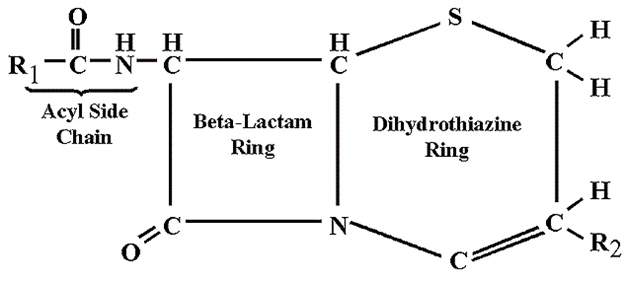
Structural diversity among cephalosporins arises primarily from modifications at specific positions of the 7-ACA nucleus. Substitution at the C-7 position, particularly through alteration of the amino-containing side chain, can influence antibacterial potency, spectrum of activity, and resistance to β-lactamase enzymes. These modifications affect the interaction of cephalosporins with PBPs, which participate in the final stages of bacterial cell wall synthesis. Changes in the C-7 substituent can modify the effectiveness of individual cephalosporins against different bacterial species.
The C-3 position represents another important site for structural modification. Changes in the substituent attached to this position can influence the chemical stability, metabolic behaviour, and pharmacokinetic characteristics of the resulting compounds. Certain substituents may also affect the rate of drug elimination and the duration of antibacterial activity. In addition, modifications to the dihydrothiazine ring and its associated functional groups can alter the overall physicochemical properties of cephalosporins.
The relationship between molecular structure and biological activity is a central consideration in cephalosporin development. Strategic alterations to the parent nucleus have enabled the production of compounds with different antibacterial spectra, improved stability against selected β-lactamases, and modified absorption and distribution characteristics. The effects of individual substitutions depend on their chemical nature and position within the molecule.
The 7-ACA nucleus provides a versatile structural platform for the synthesis of diverse cephalosporin derivatives. The systematic modification of its substituent groups has contributed to the development of multiple generations of cephalosporins, each displaying distinct chemical and antibacterial characteristics.
Clinical applications of cephalosporins
Cephalosporins are β-lactam antibiotics widely employed in clinical practice for the treatment of bacterial infections caused by a broad range of pathogenic microorganisms. Their antibacterial activity results from the inhibition of bacterial cell-wall synthesis through binding to PBPs, thereby disrupting peptidoglycan cross-linking and promoting bacterial cell death. These agents are particularly valuable in the management of infections caused by Gram-positive and Gram-negative bacteria, although their effectiveness varies according to the generation of the drug, the susceptibility of the causative organism, and its resistance mechanisms.
The clinical selection of a cephalosporin depends on the suspected pathogen, infection site, disease severity, local resistance patterns, patient-specific factors, and microbiological findings. Appropriate dosing, renal-function assessment where indicated, and antimicrobial stewardship are essential to maximize therapeutic success while limiting adverse effects and the emergence of antimicrobial resistance.
First-generation cephalosporins, including cefazolin and cephalexin, demonstrate pronounced activity against Gram-positive bacteria, particularly methicillin-susceptible Staphylococcus aureus and susceptible Streptococcus species. They are commonly prescribed for skin and soft-tissue infections, uncomplicated urinary tract infections, and selected respiratory infections. Cefazolin is also widely administered for surgical antimicrobial prophylaxis because of its activity against common skin-associated pathogens and its favourable pharmacokinetic profile. However, these agents generally provide limited coverage against many Gram-negative bacilli.
Second-generation cephalosporins, such as cefuroxime and cefoxitin, possess improved activity against selected Gram-negative organisms, including susceptible strains of Klebsiella and Proteus species. Their clinical applications include certain respiratory tract infections, otitis media, and other infections caused by susceptible bacteria. Cefoxitin and cefotetan, which are cephamycins closely related to second-generation cephalosporins, also exhibit activity against some anaerobic bacteria and may be used in selected intra-abdominal and pelvic infections. Most agents in this generation do not provide reliable coverage against Pseudomonas aeruginosa.
Third-generation cephalosporins, including ceftriaxone, cefotaxime, ceftazidime, and cefixime, generally offer enhanced activity against numerous Gram-negative bacilli and improved penetration into certain body compartments. Ceftriaxone and cefotaxime are important therapeutic options for susceptible bacterial meningitis, community-acquired pneumonia, and selected cases of bloodstream infection. Ceftazidime provides antipseudomonal activity and may be indicated for infections caused by susceptible P. aeruginosa. Third-generation agents differ considerably in their antibacterial spectra, and resistance mediated by extended-spectrum β-lactamases (ESBLs), AmpC enzymes, or other mechanisms may compromise their effectiveness.
Fourth-generation cephalosporins, represented by cefepime, combine broad Gram-negative activity with useful coverage of many Gram-positive organisms. Cefepime is particularly valuable in the management of severe hospital-acquired infections, febrile neutropenia, and selected infections involving P. aeruginosa. Its relative stability against certain β-lactamases enhances its usefulness against some resistant Gram-negative bacteria, although it does not overcome every resistance mechanism. Susceptibility testing remains essential when resistant pathogens are suspected.
Fifth-generation cephalosporins, including ceftaroline, extend the therapeutic spectrum to encompass MRSA, an organism resistant to most conventional cephalosporins. Ceftaroline is used for selected skin and soft-tissue infections and community-acquired bacterial pneumonia. However, it does not provide reliable antipseudomonal activity.
Spectrum of activity of cephalosporins
Cephalosporins demonstrate antimicrobial and/or antibacterial activity against both Gram-positive and Gram-negative bacteria,. Their spectrum of activity varies according to the generation of the drug, their chemical structure, and the susceptibility of the target organism.
The spectrum of cephalosporins progressively shifts across generations, with important differences in organism coverage and resistance susceptibility. Their selection should be guided by the suspected pathogen, infection site, local resistance patterns, and microbiological susceptibility results.
First-generation cephalosporins, such as cefazolin and cephalexin, show strong activity against many Gram-positive organisms, particularly susceptible streptococci and MSSA. Their activity against Gram-negative bacteria is comparatively limited but includes selected organisms such as Escherichia coli, Klebsiella pneumoniae, and Proteus mirabilis.
Second-generation agents, including cefuroxime and cefaclor, generally provide improved coverage against selected Gram-negative pathogens while retaining activity against certain Gram-positive bacteria. Some members, such as cefoxitin and cefotetan, also exhibit activity against anaerobic bacteria.
Third-generation cephalosporins, including ceftriaxone, cefotaxime, and ceftazidime, possess enhanced activity against many Gram-negative organisms. Ceftriaxone and cefotaxime are frequently used against susceptible invasive pathogens, whereas ceftazidime provides activity against Pseudomonas aeruginosa. Their activity against Gram-positive bacteria varies, and resistance can substantially reduce their effectiveness.
Fourth-generation cephalosporins, particularly cefepime, combine broad Gram-negative coverage with useful activity against several Gram-positive organisms. Cefepime is also active against P. aeruginosa and is relatively stable against certain β-lactamases.
Mechanism or mode of action of cephalosporins
Cephalosporins are β-lactam antibiotics that exert their antibacterial activity by inhibiting bacterial cell wall synthesis. They are generally known to inhibit peptidoglycan synthesis and to disrupt bacterial cell wall integrity. Similar to penicillins, they act primarily by interfering with the formation of peptidoglycan. Peptidoglycan is an essential structural component that provides strength, rigidity, and protection to the bacterial cell. The cell wall maintains the shape of bacterial cells and prevents them from bursting under internal osmotic pressure. Interference with its synthesis compromises bacterial survival, particularly during active growth and cell division.
The mechanism of action of cephalosporins begins with their interaction with specific bacterial enzymes known as PBPs. These proteins are involved in the final stages of peptidoglycan assembly, particularly the transpeptidation reaction responsible for cross-linking adjacent peptidoglycan strands. This cross-linking process is necessary to establish a strong and stable cell wall. Cephalosporins bind to susceptible PBPs and inhibit their enzymatic activity, thereby preventing the formation of the cross-links required for normal cell wall integrity.
Following PBP inhibition, newly synthesized peptidoglycan cannot be adequately strengthened and incorporated into the developing cell wall. As a result, the bacterial envelope becomes structurally weakened and unable to withstand normal osmotic forces. This disruption may lead to cell deformation, leakage of cellular contents, and eventual bacterial lysis. The antibacterial effect of cephalosporins is therefore generally bactericidal, meaning that they kill susceptible bacteria rather than merely suppressing their multiplication. Their activity is most pronounced against bacteria undergoing active cell wall synthesis.
Although cephalosporins share a fundamental mechanism of action with penicillins, they differ in their chemical structures, antibacterial spectra, and susceptibility to bacterial resistance mechanisms. Many cephalosporins possess greater stability against certain β-lactamases, which are bacterial enzymes capable of hydrolysing the β-lactam ring and inactivating susceptible antibiotics. However, this stability varies considerably among individual cephalosporins and does not apply to all β-lactamases. ESBLs and AmpC β-lactamases, for example, can compromise the activity of many cephalosporins.
The effectiveness of individual cephalosporins depends on their ability to penetrate the bacterial envelope, reach their target PBPs, and resist enzymatic degradation. Differences in PBP affinity and bacterial permeability contribute to variations in activity against Gram-positive and Gram-negative organisms. Resistance may also arise through altered PBPs, reduced membrane permeability, and increased efflux of the antibiotic.
Cephalosporins inhibit bacterial growth by binding to PBPs and disrupting peptidoglycan cross-linking, resulting in weakened cell walls and bacterial death. Their therapeutic effectiveness depends on the susceptibility of the organism, the properties of the specific cephalosporin, and the resistance mechanisms expressed by the bacterium.
Bacterial resistance to cephalosporins
Cephalosporins are an important class of β-lactam antibiotics widely employed in the treatment of bacterial infections because of their broad-spectrum activity, favourable safety profile, and effectiveness against numerous pathogenic microorganisms. However, the increasing emergence of bacterial resistance has progressively reduced the therapeutic efficacy of these antibiotics, presenting a significant challenge to contemporary antimicrobial chemotherapy.
Resistance to cephalosporins is particularly concerning among Gram-negative bacteria, which have developed diverse mechanisms to withstand the antibacterial effects of these agents. One of the principal mechanisms responsible for cephalosporin resistance is the production of β-lactamases, enzymes that hydrolyse the β-lactam ring essential for antibiotic activity. Among these enzymes, ESBLs are especially important because they can inactivate many penicillins, broad-spectrum cephalosporins, and aztreonam.
ESBL-producing organisms, including certain strains of Escherichia coli and Klebsiella pneumoniae, are increasingly associated with infections that are difficult to manage using conventional antibiotic regimens. In addition to ESBL production, other resistance determinants contribute to the diminished effectiveness of cephalosporins. AmpC β-lactamases can confer resistance to several cephalosporins, while carbapenemases may compromise the activity of multiple β-lactam antibiotics, including some advanced-generation cephalosporins.
Bacteria may also acquire resistance through alterations in penicillin-binding proteins, reduced outer-membrane permeability, and increased expression of efflux pumps. These mechanisms can occur individually or in combination, further complicating antimicrobial susceptibility patterns. The dissemination of resistance genes through plasmids and other mobile genetic elements facilitates the transfer of resistance traits between bacterial populations.
Infections caused by resistant organisms may require alternative treatment strategies, increase healthcare costs, prolong hospitalisation, and contribute to poorer clinical outcomes. Strengthening antimicrobial stewardship, implementing effective infection-prevention measures, conducting routine susceptibility testing, and promoting the development of new antimicrobial agents are essential approaches to limiting the spread of cephalosporin resistance and preserving the clinical usefulness of this important antibiotic class.
Pharmacokinetics of cephalosporins
Cephalosporins are a group of β-lactam antibiotics whose pharmacokinetic properties determine their absorption, distribution, metabolism, and elimination from the body. These characteristics influence their therapeutic effectiveness, dosing schedules, and suitability for treating different bacterial infections. Although cephalosporins are generally well tolerated, their pharmacokinetic behavior varies according to the generation of the drug, its chemical structure, and the route of administration.
Absorption: Oral cephalosporins are absorbed through the gastrointestinal tract, although the extent of absorption differs among individual agents. Some are efficiently absorbed, whereas others have limited oral bioavailability and must be administered parenterally. Intravenous administration delivers the drug directly into the systemic circulation, producing rapid and predictable plasma concentrations. Intramuscular administration also permits systemic absorption, although the rate depends on the specific formulation.
Distribution: Cephalosporins are distributed through the bloodstream into various tissues and extracellular fluids. Their penetration into body compartments depends on factors such as molecular characteristics, protein binding, and tissue permeability. Many agents achieve therapeutic concentrations in the kidneys, lungs, skin, soft tissues, and other organs. Penetration into cerebrospinal fluid is generally limited under normal conditions but may increase when the meninges become inflamed. Certain cephalosporins are suitable for treating infections of the central nervous system.
Metabolism: Most cephalosporins undergo minimal metabolic transformation and circulate predominantly in their active forms. However, some agents may undergo partial metabolism before elimination. Their limited dependence on hepatic metabolism makes renal function an important consideration in their clinical use.
Excretion: Renal elimination is the principal route of excretion for most cephalosporins, occurring through glomerular filtration and, in some cases, tubular secretion. Reduced kidney function can prolong drug elimination and increase systemic exposure. Therefore, dosage adjustments may be necessary in patients with renal impairment. Certain cephalosporins, such as ceftriaxone, also undergo significant biliary excretion.
Side effects / toxicity of cephalosporins
Cephalosporins are widely used β-lactam antibiotics that play an important role in the treatment of bacterial infections. Despite their therapeutic effectiveness, their administration may be associated with adverse drug reactions ranging from mild, self-limiting symptoms to severe and potentially life-threatening complications. The nature and severity of these reactions depend on factors such as the specific cephalosporin administered, dosage, duration of therapy, renal function, and individual patient susceptibility.
Hypersensitivity reactions represent an important category of cephalosporin-associated toxicity. Similar to penicillins, cephalosporins may provoke allergic responses mediated by the immune system. However, the frequency of hypersensitivity reactions is generally lower than that associated with penicillins, although the risk varies among individual agents and patients. Clinical manifestations may include skin rashes, urticaria, itching, and, in rare cases, angioedema or anaphylaxis.
Cross-reactivity between penicillins and cephalosporins can occur, particularly when their chemical side chains are similar; therefore, a careful history of previous antibiotic allergies is essential before prescribing these drugs. Other adverse effects include gastrointestinal disturbances, such as nausea, vomiting, abdominal discomfort, and diarrhoea. Antibiotic-associated disruption of normal intestinal flora may occasionally lead to Clostridioides difficile (formerly Clostridium difficile, or C. diff) infection, which can cause severe diarrhoea and colitis.
Certain cephalosporins may also produce haematological abnormalities, including neutropenia, thrombocytopenia, or haemolytic anaemia, particularly during prolonged treatment. In addition, elevated liver enzymes and local reactions at injection sites may occur. Neurotoxicity, including confusion, encephalopathy, myoclonus, and seizures, is an uncommon but significant complication, especially when certain cephalosporins accumulate because of impaired renal function.
Appropriate dose adjustment, monitoring, and judicious antibiotic selection help minimize these risks. The safe use of cephalosporins requires careful assessment of patient-specific risk factors, prompt recognition of adverse reactions, and rational antimicrobial prescribing.
References
Bertino, J. S., & Speck, W. T. (1983). The cephalosporin antibiotics. Pediatric Clinics of North America, 30(1), 17–26.
Chaudhry, S. B., Veve, M. P., & Wagner, J. L. (2019). Cephalosporins: A focus on side chains and β-lactam cross-reactivity. Pharmacy, 7(3), Article 103.
De Rosa, M., & Marabotti, A. (2021). Cephalosporins. In S. Offermanns & W. Rosenthal (Eds.), Encyclopedia of molecular pharmacology. Springer.
Denyer, S. P., Hodges, N. A., & Gorman, S. P. (2004). Hugo and Russell’s pharmaceutical microbiology (7th ed., pp. 152–172). Blackwell Publishing.
Donowitz, G. R. (1989). Third-generation cephalosporins. Infectious Disease Clinics of North America, 3(3), 595–612.
Drusano, G. L. (2007). Pharmacokinetics and pharmacodynamics of antimicrobials. Clinical Infectious Diseases, 45(Suppl. 2), S89–S95.
Ennis, D. M., & Cobbs, C. G. (1995). The newer cephalosporins: Aztreonam and imipenem. Infectious Disease Clinics of North America, 9(3), 687–713.
Kumar, A. (1983). Cephalosporins: Recent developments. Journal of the National Medical Association, 75(2), 218–223.
Thompson, R. L. (1977). The cephalosporins. Mayo Clinic Proceedings, 52(10), 625–630.
Turck, M. (1982). Cephalosporins and related antibiotics: An overview. Reviews of Infectious Diseases, 4(Suppl. 2), S281–S287.
Discover more from Microbiology Class
Subscribe to get the latest posts sent to your email.