

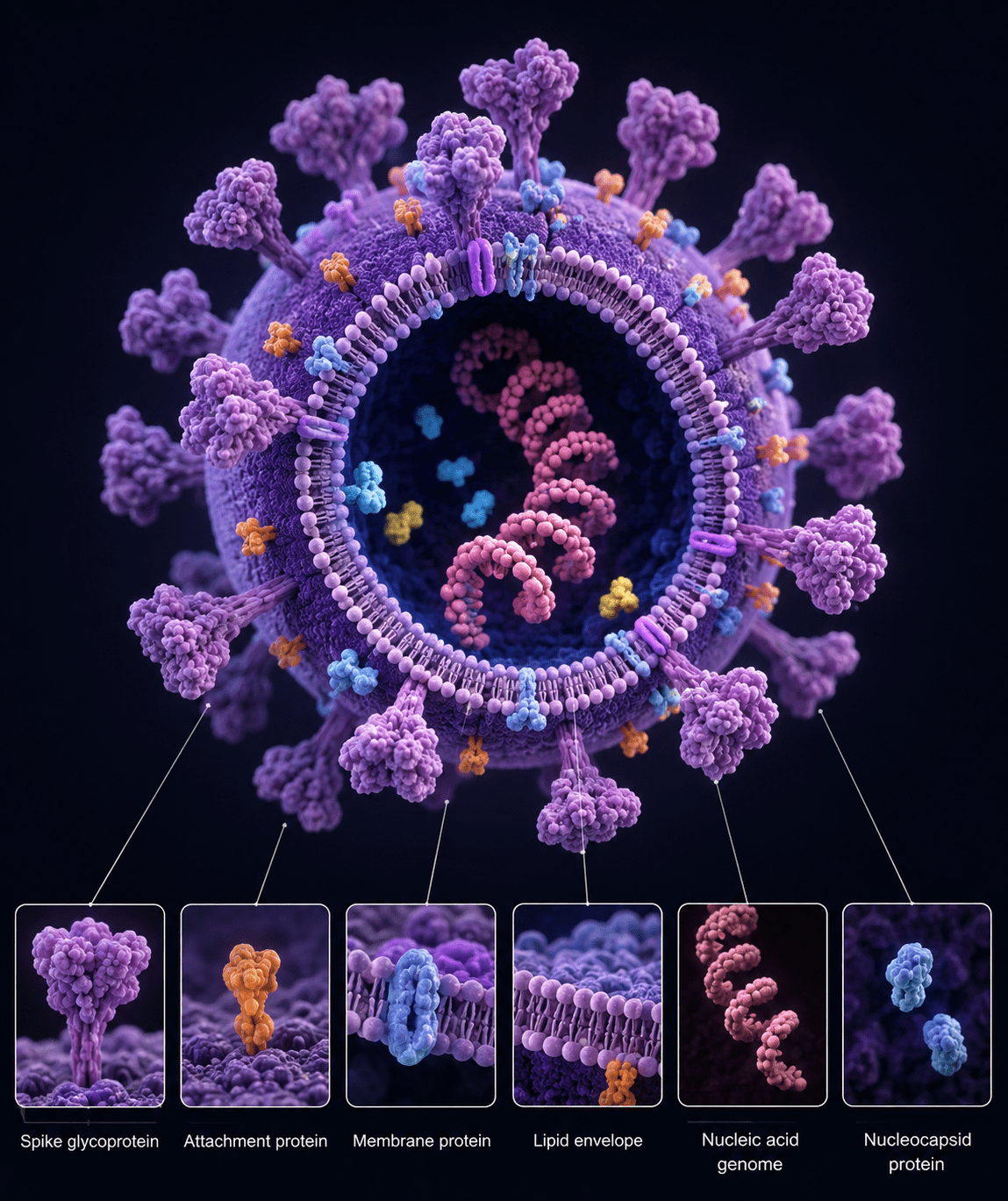
Viral composition refers to the collective assemblage of viral entities present within a defined environment, […]
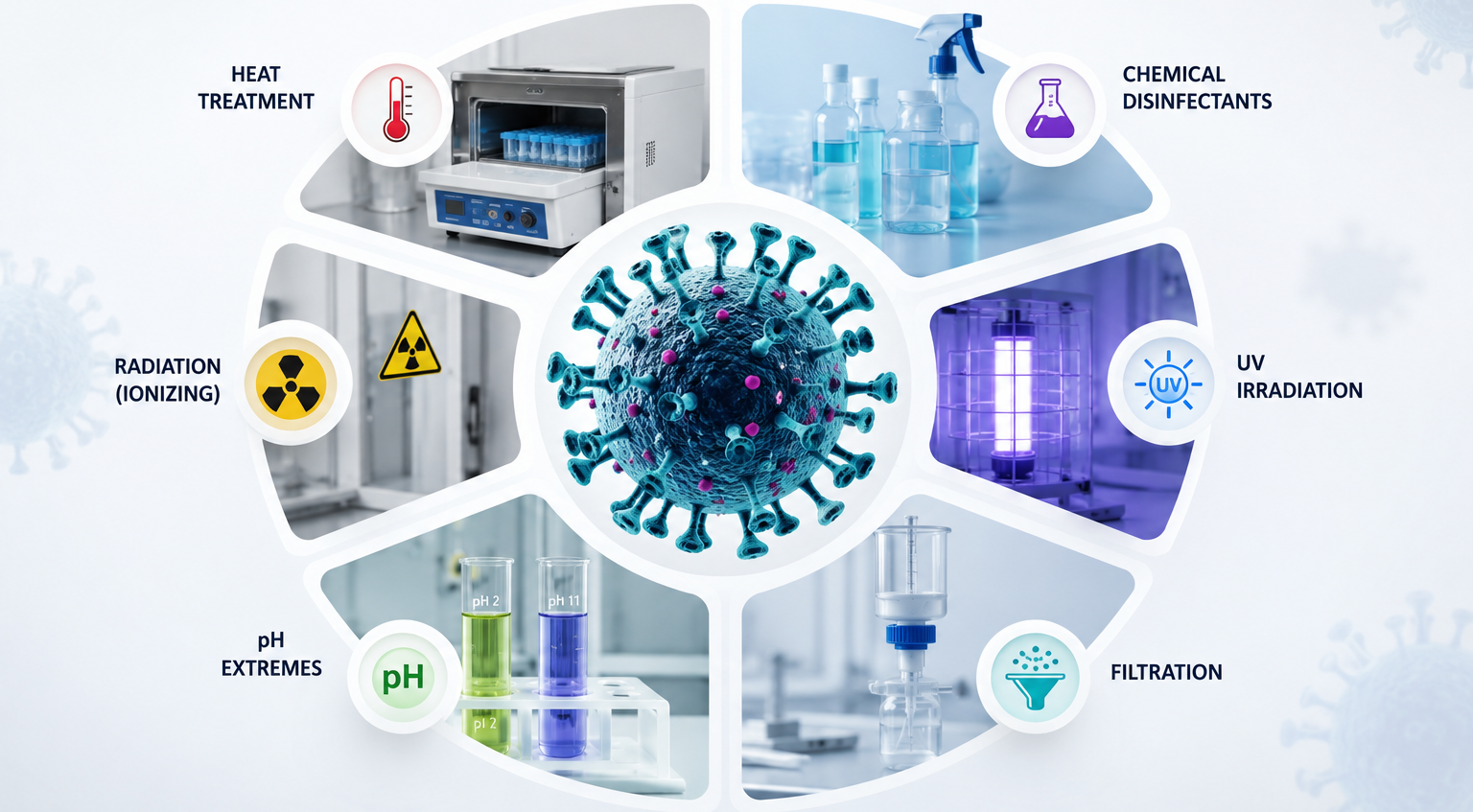
Methods used for the Inactivation of Viruses
Viruses can remain infectious in air, water, on surfaces, in biological materials, and within industrial […]

Chemical and Physical Properties of Viruses
Viruses possess a highly organized structure composed primarily of nucleic acid and protein, with some […]
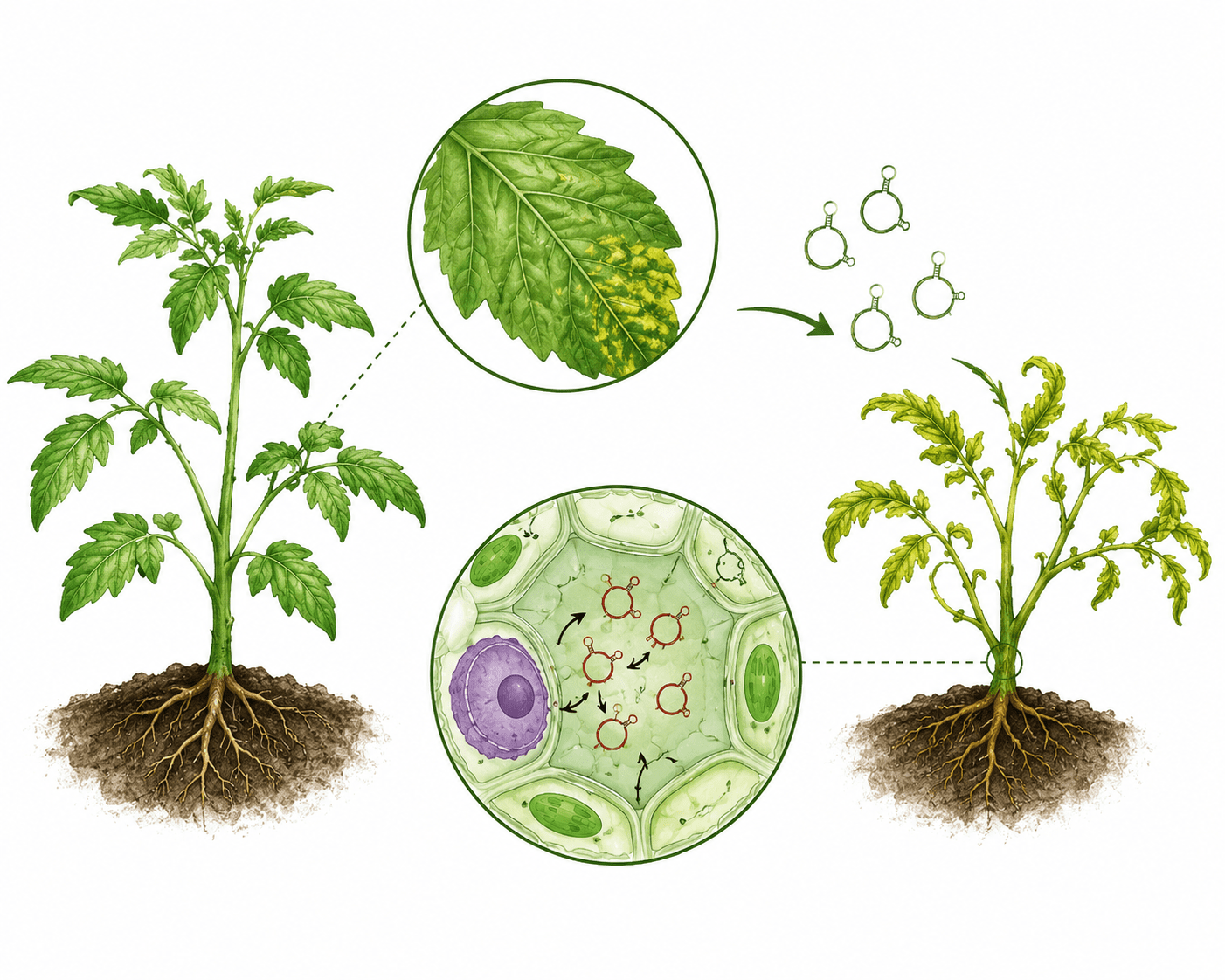
Viroids: Minimal Infectious Agents Composed of Naked Single-Stranded Circular RNA (ssRNA)
Viroids are the smallest known infectious agents. They represent a unique class of sub-viral pathogens that […]
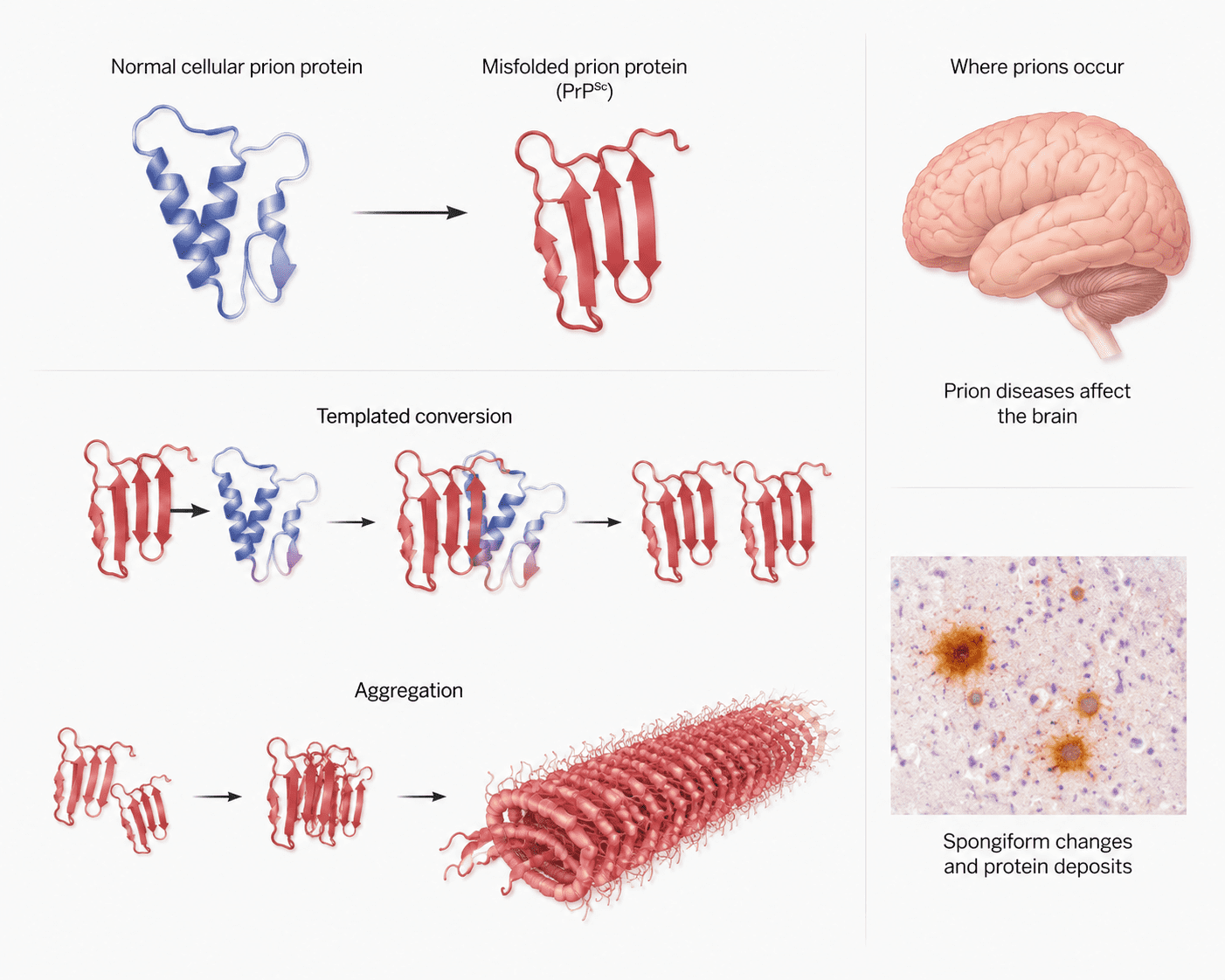
Prions: Unique Proteinaceous Infectious Agents and their Distinction from Viruses
Prions are unique sub-viral infectious agents composed primarily of proteins. Unlike conventional infectious organisms such […]
Bacterial Transformation (The Transforming Principle)
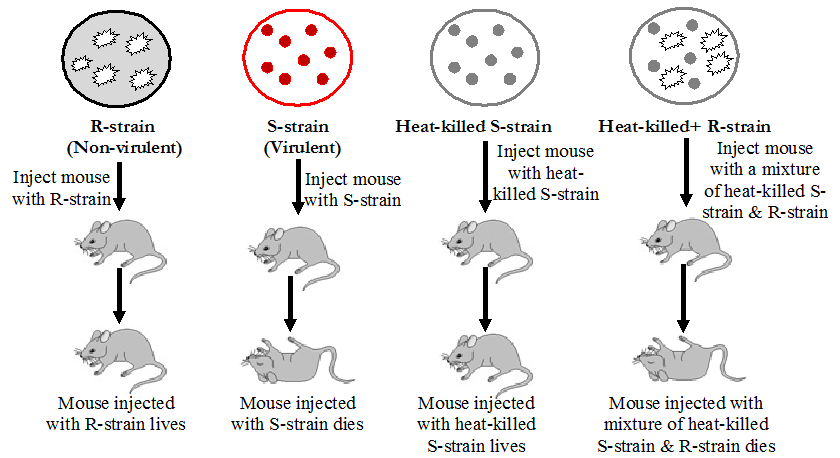
Fredrick Griffith showed in 1928 that deoxyribonucleic acid (DNA) is the genetic material of the […]
RIBONUCLEIC ACID (RNA)
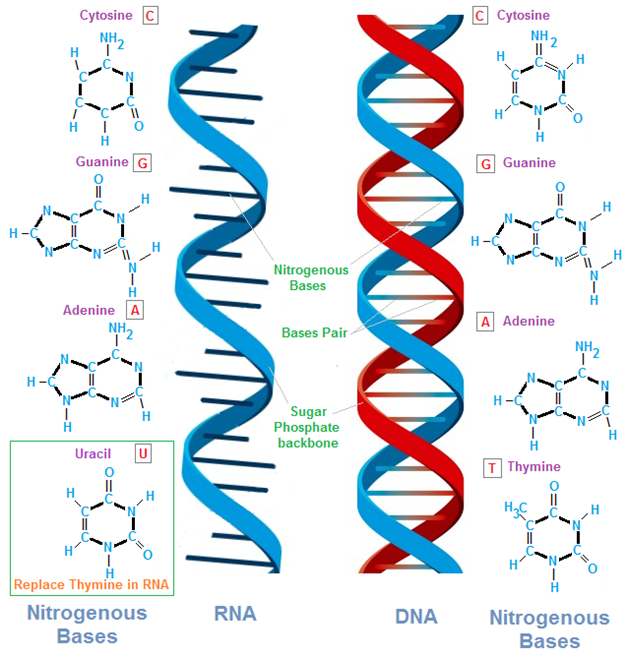
An understanding of the nucleic acid molecules which include deoxyribonucleic acid (DNA) and ribonucleic acid […]

PROTEIN STRUCTURE – types and function
Proteins are a group of polypeptides that form a molecule of specific biological function; and […]
PURINES & PYRIMIDINES
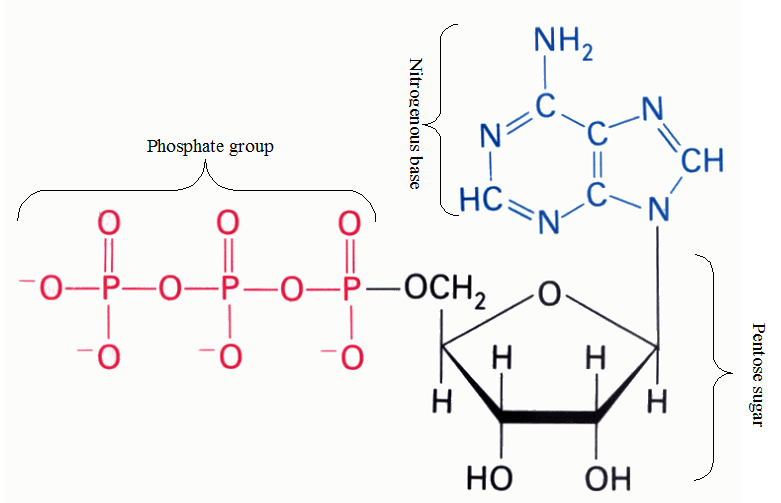
Purines are heterocyclic aromatic organic compound that consist of a pyrimidine ring fused to an […]
NUCLEOTIDES
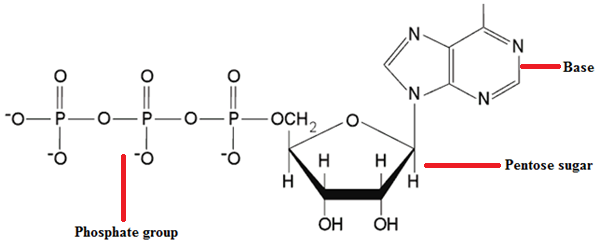
Nucleotides are nucleosides with one or more phosphate groups covalently attached to the 3′ or […]
Mechanisms for uptake of nutrients by microorganisms – diffusion & active transport
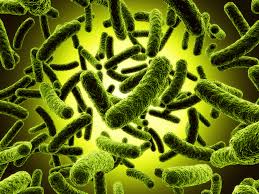
Microbial cells employ a variety of mechanisms to uptake nutrients (including macromolecules, inorganic ions, water […]
NUTRITIONAL GROUPS OF MICROORGANISMS
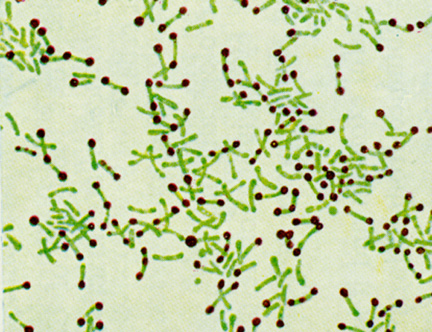
Living organisms vary in terms of their mode of nutrition i.e. how they feed or […]
Microbial (Bacterial) Nutrition
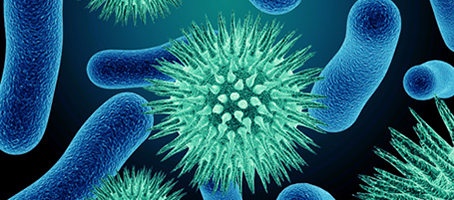
Bacterial Nutritionis importantfor the optimum growth of the organism because it is the only means […]
CORYNEBACTERIUM DIPHTHERIAE
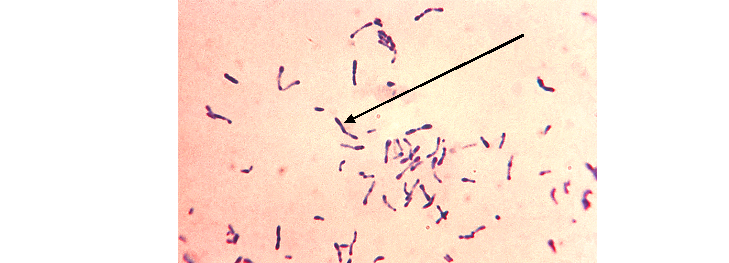
Corynebacterium diphtheriae is a Gram-positive, non-spore forming, aerobic, rod-shaped and motile bacterium that causes diphtheria, […]
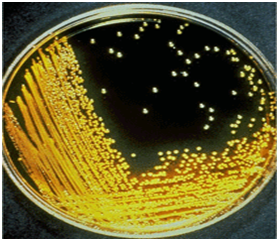
VIBRIO CHOLERAE
Vibrio cholerae is a Gram-negative, oxidase positive, spiral, non-spore forming, facultative, motile, curved or straight […]
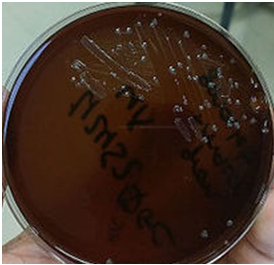
NEISSERIA GONORRHOEAE
Neisseria gonorrhoeae is a Gram-negative, oxidase-positive, non-motile, non-sporulating, non-capsulate, diplococcus found asymptomatically in humans. N. […]
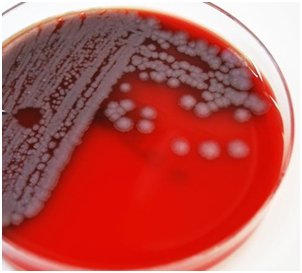
Bacillus anthracis
Bacillus anthracis is a mesophilic, Gram-positive, aerobic, catalase-positive, rod-like and spore-forming bacterium that causes anthrax […]
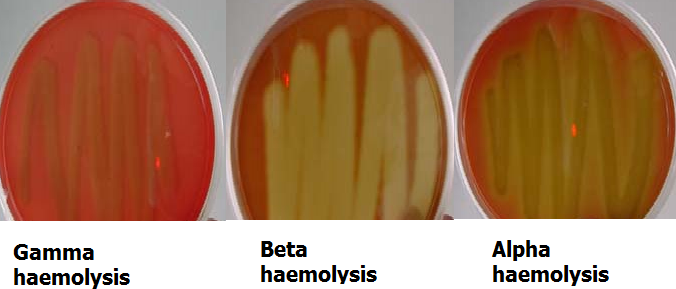
MICROBIAL HAEMOLYSIS IN BLOOD AGAR
Haemolysis is the breakdown of red blood cells (RBCs). Certain bacterial species including Streptococcus and […]

From Antimicrobial Discovery to the Evolution of Drug Resistance
The history of antimicrobial therapy is a story of scientific innovation, clinical transformation, and continual […]
PATHOGENICITY ISLANDS
Pathogenicity islands (PAIs) are the regions of bacterial chromosome (usually of foreign origin) that contain […]
BACTERIAL ENZYMES THAT EXCITE PATHOGENICITY
Pathogenic bacteria produce numerous enzymes that help to increase their pathogenicity and/or virulence during an […]
ENDOTOXIN PRODUCING BACTERIA
Endotoxins are microbial toxins which are produced only on cell lysis i.e. on cell death. […]

EXOTOXIN PRODUCING BACTERIA
Exotoxins are extracellular toxins produced by living bacterial cells. They are protein molecules excreted by […]
BACTERIAL TOXINS
Toxins are specific microbial products or secretions which at very low concentrations can act specifically […]
Characteristics of Pathogenic Microorganisms (Bacteria)
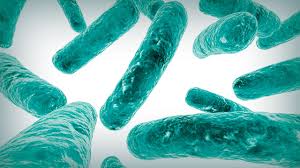
Bacterial pathogens that cause infections in humans have innate characteristic mechanisms with which they use […]
INOCULUM SIZE OF MICROBES
Inoculum size is defined as the number of invading pathogenic microorganisms that is sufficient enough […]
Continuous and Semi-Continuous Fermentation
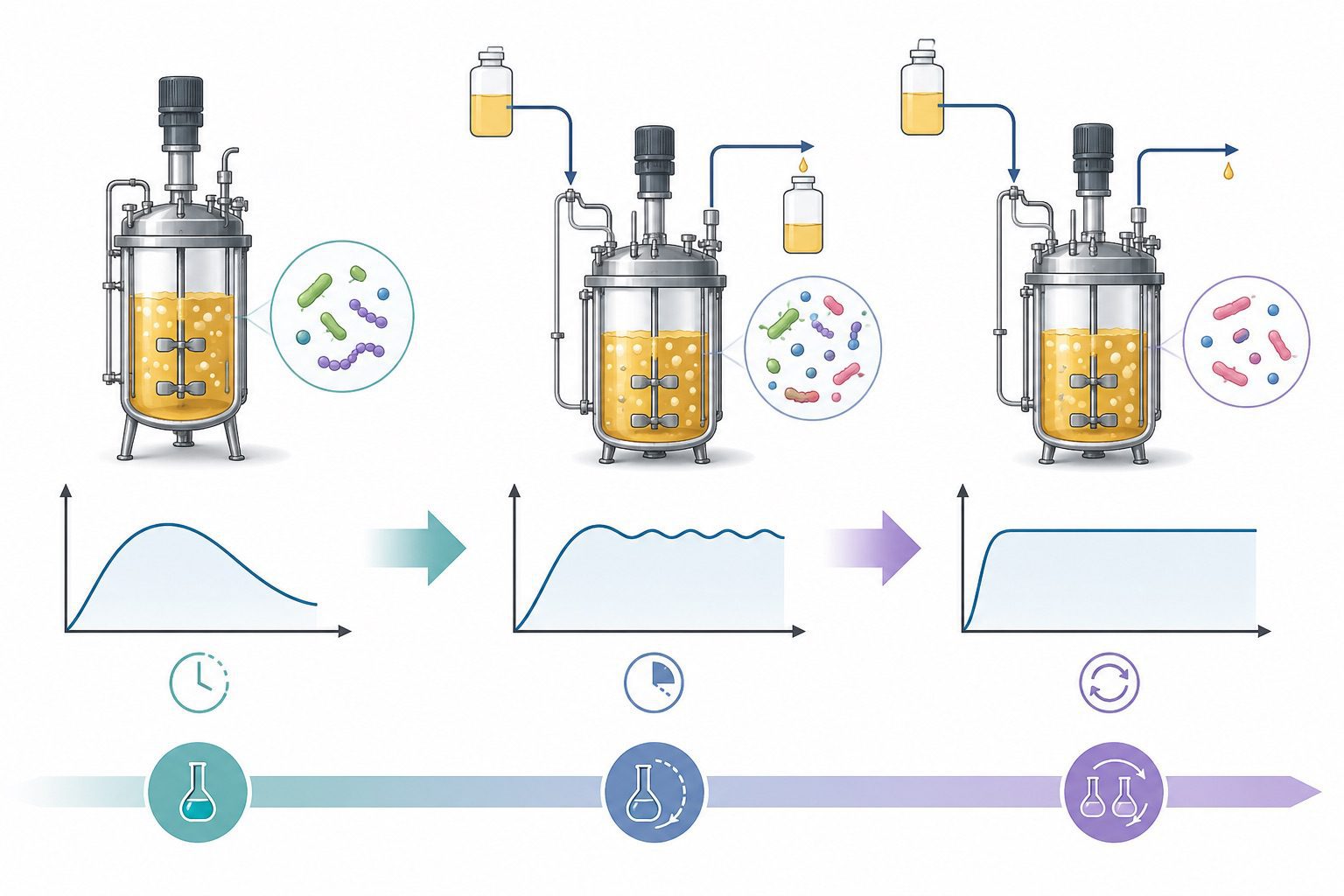
Fermentation is a metabolic process by which microorganisms convert organic compounds primarily carbohydrates into simpler […]
Fed-Batch Fermentation
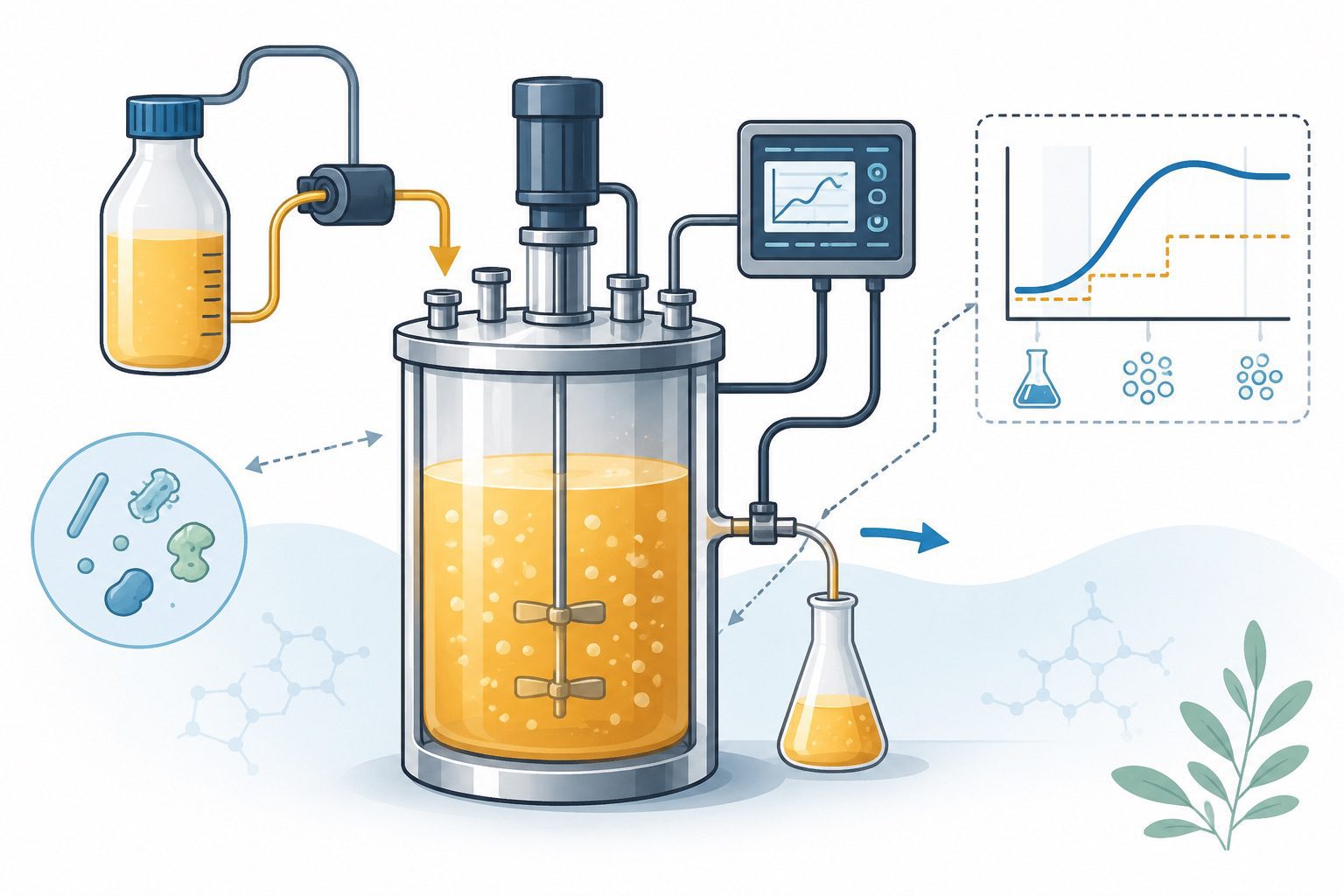
Fed-batch fermentation is a critical and widely used process in modern biotechnology and industrial microbiology. […]

Batch Fermentation
Fermentation is a biological process in which microorganisms convert substrates (typically carbohydrates) into valuable end-products […]
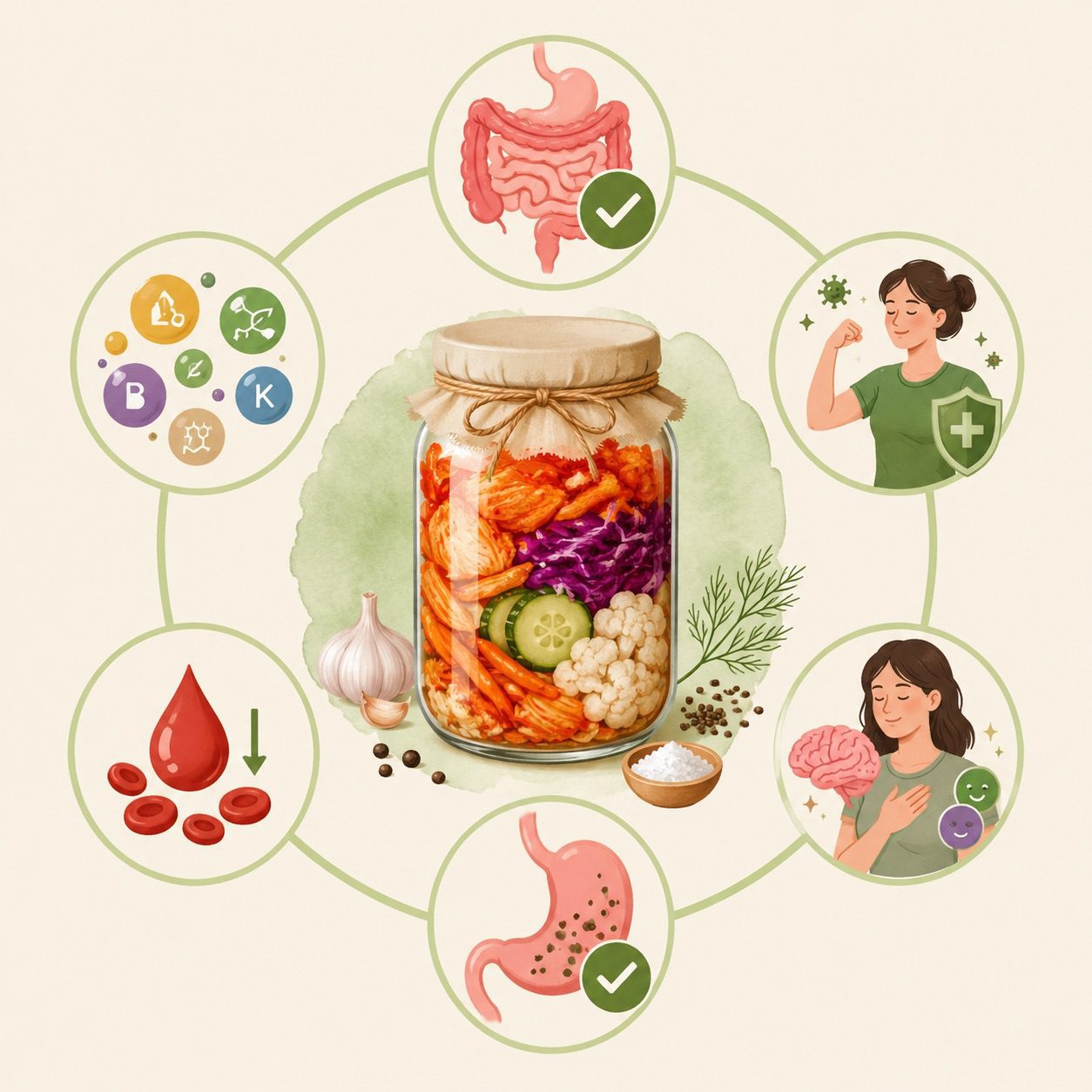
Significance and Benefits of Fermentation in Food, Health, Industry, and Sustainable Development
Fermentation is a biological process in which microorganisms such as bacteria, yeasts, molds, and actinomycetes […]
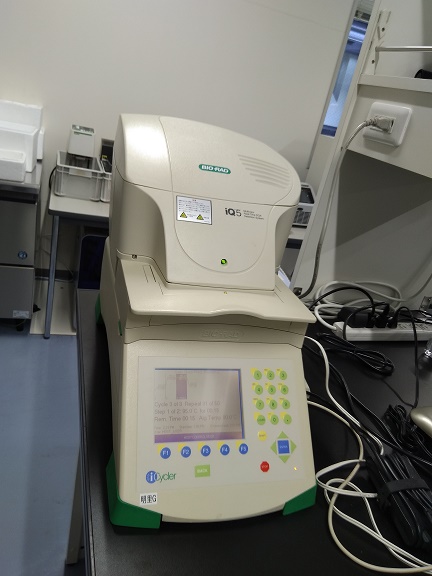
THERMOCYCLER (PCR Machine)
Thermocycler or thermal cycler is a piece of equipment is used for the copying or […]
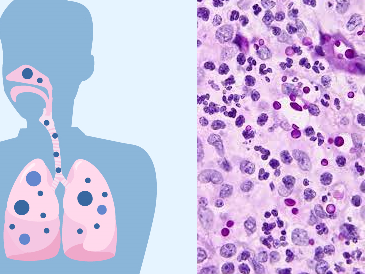
SYSTEMIC MYCOSES
Systemic mycoses are fungal infections that affect deep tissues and organs of the body; and […]
SUBCUTANEOUS MYCOSES
Subcutaneous mycoses are fungal infections that affect the subcutaneous tissues below the skin, and the […]
CUTANEOUS MYCOSES
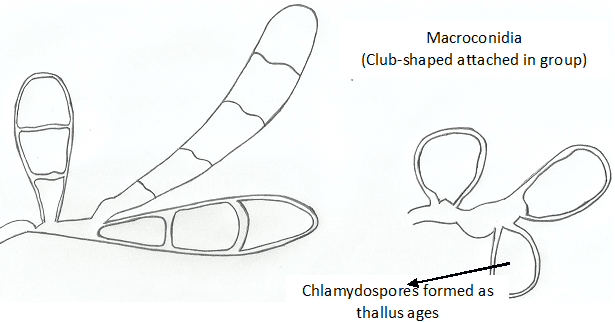
Cutaneous mycoses are fungal infections of the skin, nails and hairs; and they are mainly […]
SUPERFICIAL MYCOSES
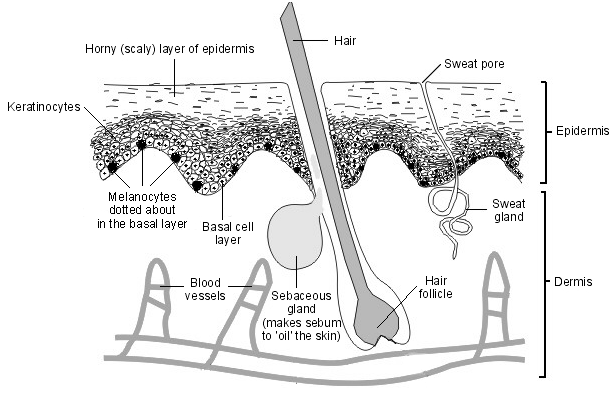
Superficial mycoses are fungal infections which are only limited to the keratinized outer layer of […]
MYCOSES – fungal infections
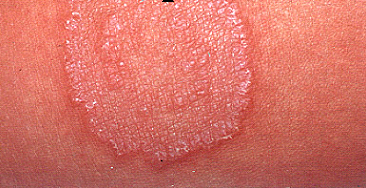
Mycoses are infections caused by pathogenic fungi. And they include superficial mycoses, cutaneous mycoses, subcutaneous […]
STRUCTURES OF FUNGI
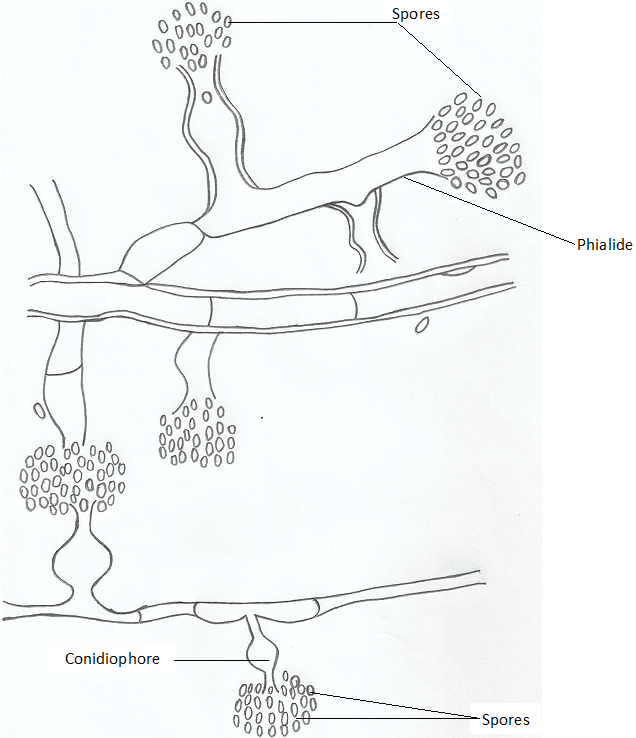
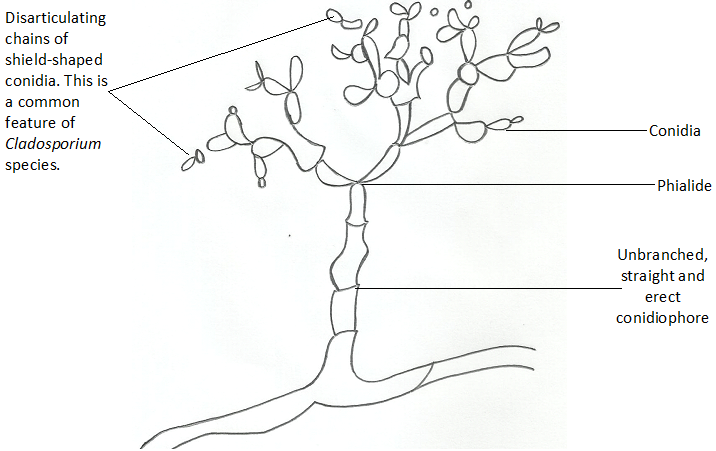
The spores (conidia) are produced in dry chains from the tips of the phialides, with […]
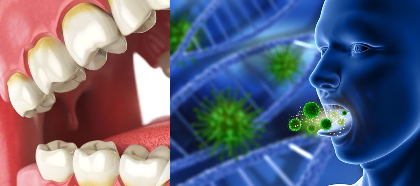
FORMS & PREVENTION OF HALITOSIS
There are various forms of halitosis (bad breath) that an individual can experience at different […]
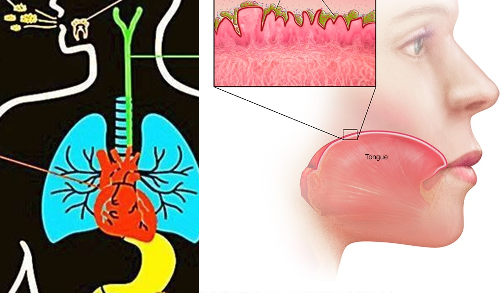
HALITOSIS – BAD BREATH AND YOU
Bad breath is clinically known as halitosis. Halitosis is an oral health condition that affects […]
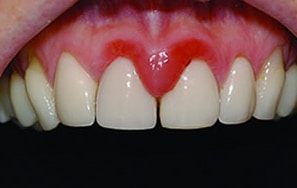
PERIODONTITIS
Periodontitis is defined as the microbial infection of the periodontal membrane leading to pyorrhea, and […]
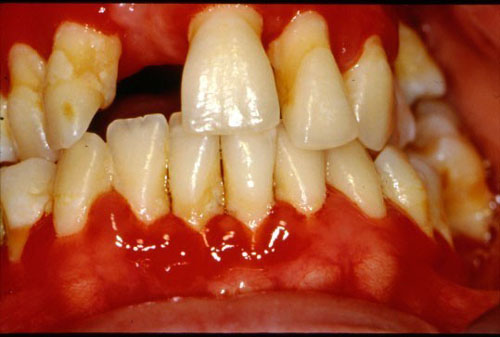
GINGIVITIS
Gingivitis is simply defined as the inflammation of the gum (gingivae) caused by microbial activity. […]
TECHNIQUES OF REVIVING MICROBIAL CULTURES
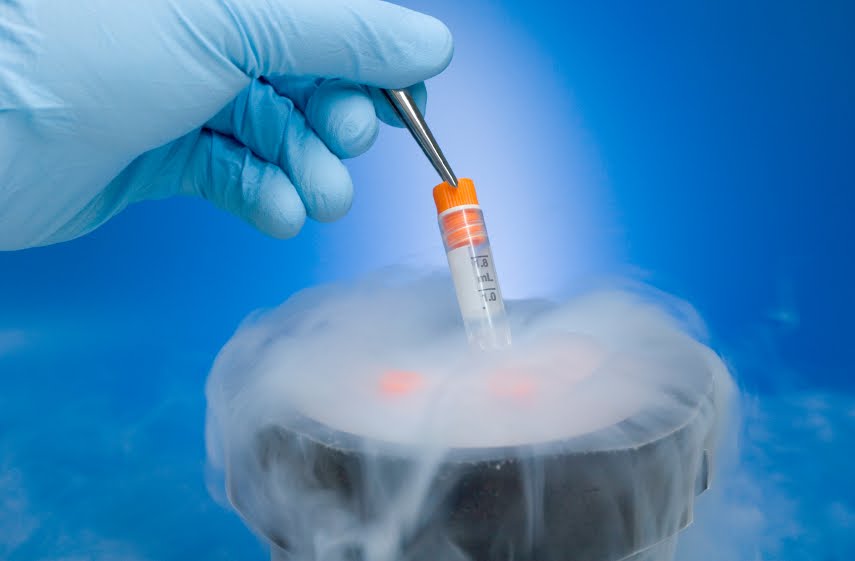
The procedures described below are guidelines of the American Type Culture Collection (ATCC). They are […]

Immunization: Importance in Disease Prevention and Public Health
Immunization is the process through which an individual is made immune or resistant to an […]
GENOMIC DNA ISOLATION
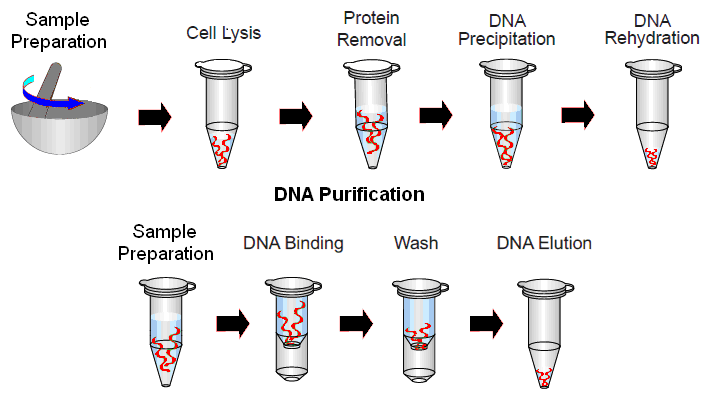
The Isolation of Genomic DNA from the bacterium, Escherichia coli is explained in this section […]

Epidemic Disease Occurrence
Epidemic disease occurrence refers to the sudden increase in the number of cases of a […]

Desoxycholate Citrate Agar (DCA)
Desoxycholate Citrate Agar (DCA) is a selective medium for the isolation of Salmonella and Shigella […]
ANTIGEN RETRIEVAL PROTOCOL FOR PARAFFIN-EMBEDDED TISSUE
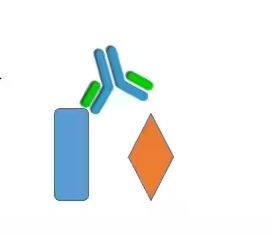
In the previous section on DEPARAFFINIZATION PRIOR TO IMMUNOHISTOCHEMISTRY STAINING, we looked at deparaffinization and […]

ANTIBODY SELECTION AND STAINING FOR IMMUNOHISTOCHEMISTRY
We have looked at deparaffinization and rehydration of paraffin-embedded tissue, as well as antigen-retrieval protocol […]
ADENOVIRUS INFECTION
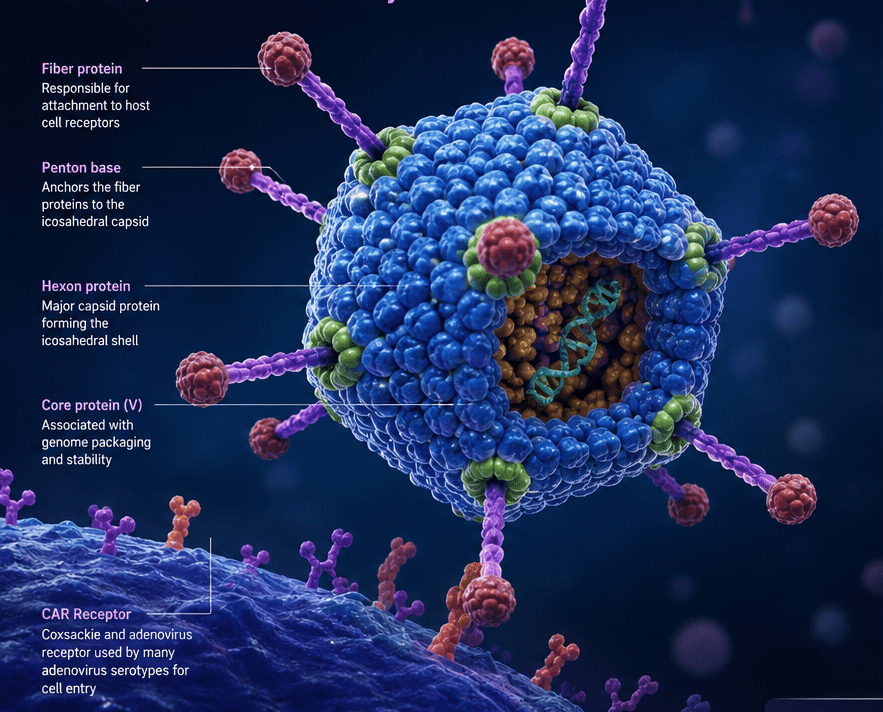
Adenoviridae are a diverse group of viruses that infect humans and a wide range of animal […]
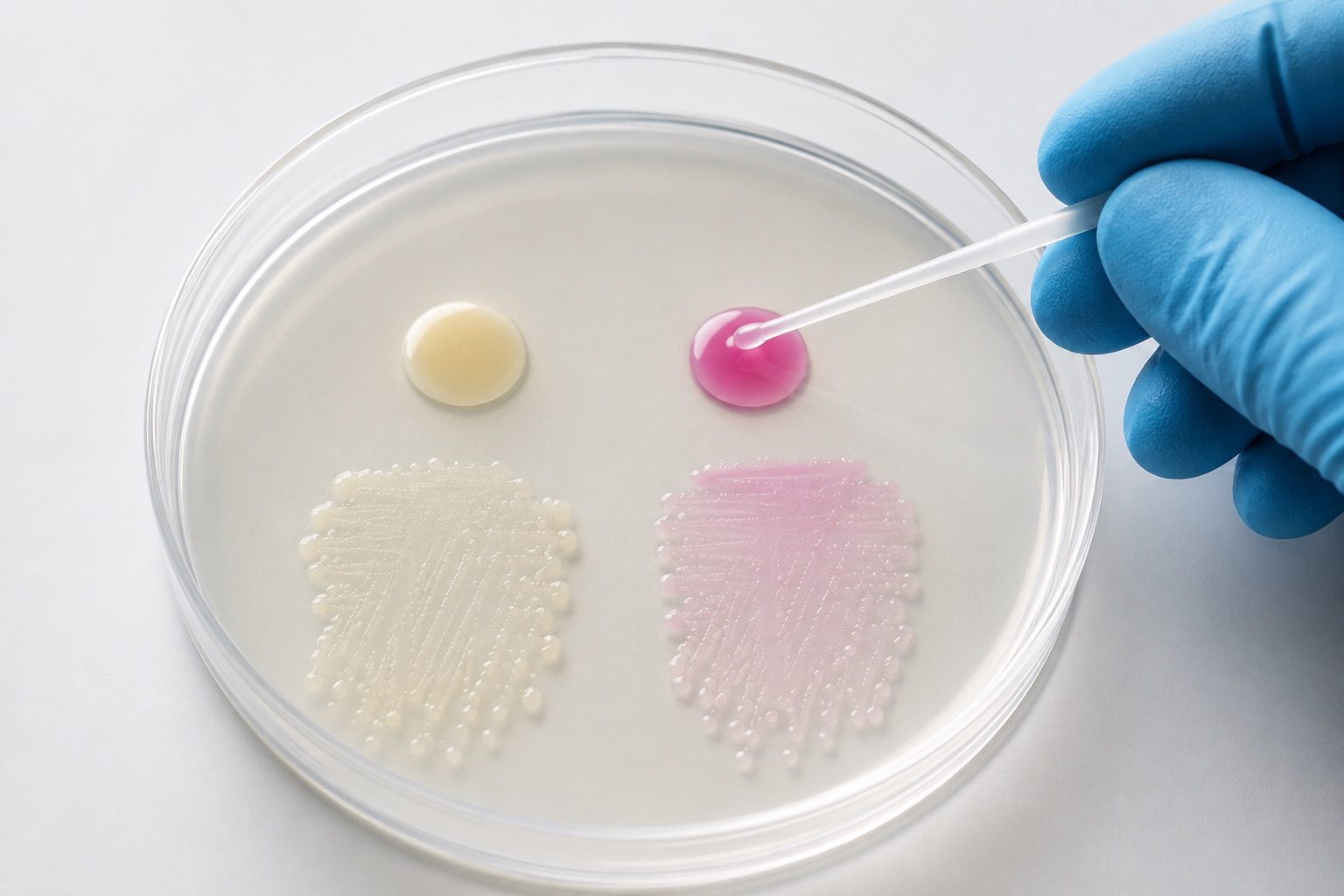
Nitrocefin test for Beta-Lactamase Production in Bacteria
Antimicrobial resistance has become an important challenge in clinical microbiology. This is because bacteria can […]