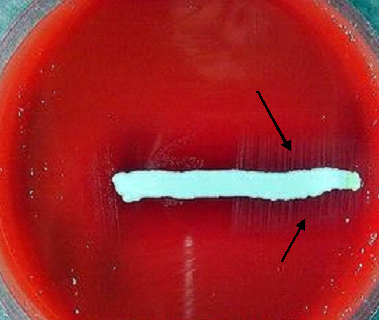

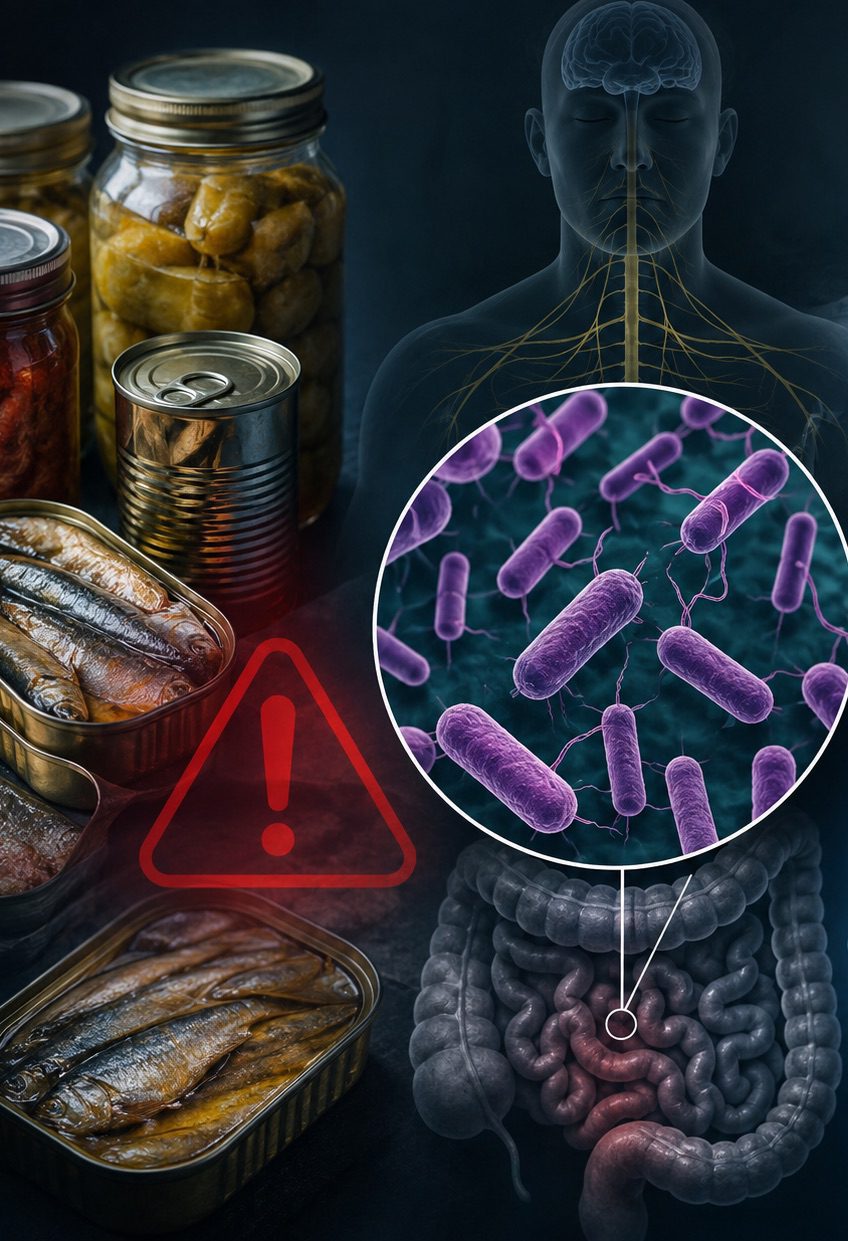
Botulism is a rare yet life-threatening neuroparalytic illness caused by toxins produced by the anaerobic, spore-forming bacterium Clostridium botulinum. Although uncommon, the disease remains a significant public health concern because even minute quantities of botulinum neurotoxin can cause severe illness and death. The bacterium thrives in oxygen-deficient environments, where it germinates from highly resilient spores and releases potent toxins capable of disrupting normal nerve signaling. These toxins interfere with the communication between nerves and muscles, resulting in progressive muscle weakness, paralysis, and, in severe cases, respiratory failure requiring immediate medical intervention.
Human botulism occurs in several forms, including foodborne, infant, wound, inhalation, and iatrogenic botulism. Although these forms differ in their routes of exposure and pathogenesis, they all share a common mechanism in which botulinum neurotoxin disrupts neuromuscular transmission, resulting in flaccid paralysis. Among these, food-borne botulism remains the most frequently recognized form and is primarily associated with improperly preserved or processed foods. Because botulism progresses rapidly and can become fatal without prompt treatment, early diagnosis, administration of antitoxin, and supportive care are essential. Continuous public awareness, strict food safety measures, and effective surveillance systems remain fundamental strategies for preventing outbreaks and minimizing the disease’s impact on communities.
Etiology, transmission, and public health significance of botulism
Clostridium botulinum is widely distributed in nature, with its spores commonly found in soil, freshwater sediments, marine environments, and agricultural settings. These spores are exceptionally resistant to heat, desiccation, and adverse environmental conditions, allowing them to persist for extended periods. Under anaerobic conditions, such as those created in inadequately processed canned, vacuum-packed, smoked, or fermented foods, the spores germinate into actively growing bacteria that produce botulinum neurotoxins. Seven immunologically distinct toxin serotypes, designated A through G, have been identified. Human disease is primarily caused by toxin types A, B, E, and, less commonly, F, whereas other serotypes predominantly affect animals.
Food-borne botulism develops when preformed toxin is ingested in contaminated food rather than through bacterial infection itself. Because the toxin is already present in the food, symptoms may appear within hours to several days after consumption, depending on the quantity of toxin ingested. Common manifestations include blurred or double vision, drooping eyelids, difficulty speaking and swallowing, dry mouth, and descending symmetrical paralysis that may progress to respiratory muscle failure. Importantly, botulism is not contagious and cannot spread through direct person-to-person contact, distinguishing it from many other foodborne illnesses.
Other clinical forms arise through different mechanisms. Infant botulism occurs when ingested spores colonize the immature intestinal tract and produce toxin internally, while wound botulism results from bacterial growth in contaminated wounds under oxygen-poor conditions. Inhalation botulism is exceedingly rare and is primarily considered a concern in laboratory accidents or intentional aerosol release. Iatrogenic botulism may occur following excessive therapeutic or cosmetic administration of botulinum toxin preparations, although such cases are infrequent when approved medical guidelines are followed.
From a public health perspective, botulism demands vigilant surveillance because of its high fatality risk and potential for outbreaks associated with contaminated food products. Home-preserved vegetables, fermented fish, cured meats, and improperly canned foods are among the most frequently implicated sources. Prevention relies heavily on adherence to scientifically validated food preservation techniques, adequate thermal processing to destroy bacterial cells, proper storage conditions, and discarding foods from swollen, leaking, or damaged containers. Healthcare systems also play a crucial role through rapid case recognition, laboratory confirmation, prompt administration of botulinum antitoxin, and respiratory support when necessary. Public education regarding safe food handling practices and awareness of early neurological symptoms remains indispensable for reducing morbidity and preventing fatalities. These preventive measures strengthen food safety systems and reinforce preparedness against one of the most potent biological toxins known.
Symptoms of food-borne botulism
Foodborne botulism is a severe neuroparalytic illness that develops following the ingestion of food contaminated with preformed botulinum neurotoxins. These toxins selectively target the peripheral nervous system by preventing the release of acetylcholine at neuromuscular junctions, thereby disrupting nerve impulse transmission and producing progressive muscle paralysis. Unlike infectious gastrointestinal diseases, the clinical manifestations result from the biological activity of the toxin rather than direct invasion of tissues by C. botulinum.
The illness typically begins with nonspecific symptoms such as profound fatigue, generalized weakness, dizziness, and malaise. As the toxin affects cranial nerves, patients commonly experience blurred or double vision, drooping eyelids (ptosis), dilated pupils, dry mouth, slurred speech, and difficulty swallowing. Gastrointestinal disturbances, including nausea, vomiting, abdominal discomfort, constipation, or occasionally diarrhea, may occur during the early stages, particularly when contaminated food has recently been consumed. Neurological impairment subsequently progresses in a characteristic descending pattern, initially affecting the head and neck before extending to the shoulders, upper limbs, trunk, and lower extremities. In advanced cases, paralysis of the diaphragm and other respiratory muscles can lead to respiratory insufficiency, making mechanical ventilation essential for survival.
A distinguishing feature of food-borne botulism is that affected individuals usually remain fully conscious and mentally alert throughout the course of the illness. Fever is generally absent unless a secondary infection develops, which helps differentiate botulism from many other neurological and infectious conditions. Symptom onset most commonly occurs between 12 and 36 hours after toxin ingestion, although the incubation period may range from as little as 4 hours to as long as 8 days depending on the toxin dose and individual susceptibility.
Although foodborne botulism is rare, it constitutes a medical emergency because of its rapid progression and potential for fatal respiratory failure. Timely clinical recognition, prompt administration of botulinum antitoxin, intensive respiratory support, and appropriate critical care significantly improve patient outcomes. Despite advances in medical management, the disease continues to carry a case-fatality rate of approximately 5-10%, emphasizing the importance of early diagnosis and immediate therapeutic intervention.
Exposure and transmission of food-borne botulism
Food-borne botulism results from the ingestion of foods containing preformed botulinum neurotoxin produced by C. botulinum. The bacterium exists naturally in the environment as highly resilient spores that are widely distributed in soil, sediments, dust, and aquatic ecosystems. These spores can contaminate raw agricultural products and seafood during harvesting or processing. When contaminated foods are inadequately preserved or processed, particularly in environments lacking oxygen, the spores germinate into actively growing bacteria that synthesize botulinum toxin before the food is consumed.
Foods most frequently implicated include home-canned vegetables, fermented fish, smoked seafood, cured meats, sausages, and vacuum-packaged or lightly preserved products with low acidity. The risk is greatest in foods with a pH above 4.6, insufficient salt concentration, and storage temperatures that permit bacterial growth. Although the spores are highly heat resistant and may survive conventional cooking, the neurotoxin itself is heat-labile and can be inactivated by thoroughly boiling contaminated food at temperatures above 85°C for at least five minutes before consumption.
Transmission occurs exclusively through ingestion of toxin-contaminated food and does not involve person-to-person spread. During suspected outbreaks, rapid collection and laboratory analysis of food samples are essential for confirming the contamination source, facilitating product recalls, and preventing additional cases through timely public health interventions and food safety investigations.
Infant botulism: pathogenesis and clinical characteristics
Infant botulism is a distinctive form of botulism that primarily affects infants younger than six months of age due to the immaturity of their gastrointestinal microbiota and immune defenses. Unlike foodborne botulism, which results from consuming food containing preformed botulinum toxin, infant botulism develops after the ingestion of C. botulinum spores. These spores can be present in environmental dust, soil, or certain foods and, once swallowed, may germinate within the infant’s intestine. The bacteria subsequently colonize the intestinal tract and produce botulinum neurotoxin in situ, leading to progressive neuromuscular impairment.
The immature intestinal environment of young infants lacks the protective microbial diversity and physiological barriers that typically inhibit the growth of C. botulinum. As children mature, the normal intestinal microbiota becomes more established, creating a competitive environment that prevents bacterial colonization and toxin production. Infant botulism is rarely observed in children older than six months or in healthy adults. C. botulinum in infants include constipation, loss of appetite, weakness, an altered cry and a striking loss of head control. Although there are several possible sources of infection for infant botulism, spore-contaminated honey has been associated with a number of cases. Parents and caregivers are therefore warned not to feed honey to the infants before the age of 1 year.
Clinically, the disease often begins with constipation, poor feeding, generalized weakness, diminished muscle tone, weak crying, and difficulty sucking or swallowing. As toxin production continues, paralysis may progress and compromise respiratory function, making timely diagnosis and supportive medical care essential. Although most affected infants recover with appropriate treatment, the condition remains a serious pediatric emergency requiring close monitoring. Preventive measures emphasize minimizing infants’ exposure to potential sources of C. botulinum spores and promoting awareness among caregivers and healthcare professionals regarding the early signs of this uncommon but potentially life-threatening illness.
Wound botulism: pathogenesis and clinical characteristics
Wound botulism is an uncommon but potentially life-threatening form of botulism that develops when C. botulinum spores contaminate an open wound and germinate under oxygen-deficient (anaerobic) conditions. Unlike foodborne botulism, which results from ingesting preformed toxin, wound botulism arises when the bacteria multiply within damaged tissue and produce botulinum neurotoxin directly at the site of infection. The toxin subsequently enters the bloodstream, where it interferes with neuromuscular transmission by blocking the release of acetylcholine at peripheral nerve endings, leading to progressive flaccid paralysis.
The incubation period is generally longer than that of foodborne botulism, with clinical manifestations typically appearing between 4 and 14 days after wound contamination. Early symptoms often include blurred or double vision, drooping eyelids, slurred speech, dry mouth, difficulty swallowing, and generalized muscle weakness. As toxin production continues, paralysis descends from the cranial nerves to the neck, upper limbs, trunk, and respiratory muscles, potentially resulting in respiratory failure if timely treatment is not provided.
Wound botulism has been strongly associated with injection drug use, particularly the subcutaneous or intramuscular injection of black tar heroin, which creates anaerobic conditions favorable for bacterial growth. However, the disease may also occur following traumatic injuries, surgical wounds, crush injuries, or contaminated puncture wounds. Management requires prompt administration of botulinum antitoxin, meticulous wound debridement to eliminate the source of toxin production, appropriate antimicrobial therapy, and intensive supportive care, including mechanical ventilation when respiratory compromise develops. Early diagnosis and rapid intervention substantially improve patient outcomes and reduce the risk of long-term neurological complications.
Inhalation botulism: an uncommon but high-consequence biological threat
Inhalation botulism is an exceptionally rare form of botulism that does not occur under natural environmental conditions. Instead, it is primarily associated with accidental laboratory exposure or the intentional aerosolization of botulinum toxin, making it a significant concern in biodefense and emergency preparedness. Because of its potential use as a biological weapon, inhalation botulism is regarded as a high-priority public health threat despite its rarity. The estimated median lethal dose in humans is approximately 2 nanograms of botulinum toxin per kilogram of body weight, illustrating the extraordinary potency of this neurotoxin and its capacity to cause severe illness following minimal exposure.
Following inhalation, clinical manifestations generally emerge within 24 to 72 hours, although lower toxin concentrations may prolong the incubation period. The disease initially presents with nonspecific symptoms such as fatigue, dizziness, blurred vision, dry mouth, and difficulty speaking or swallowing. As the toxin irreversibly disrupts neuromuscular transmission, patients develop progressive, symmetrical descending paralysis that can rapidly involve the respiratory muscles, resulting in respiratory insufficiency or failure if prompt medical intervention is not provided. The clinical presentation closely resembles that of food-borne botulism, making a history of aerosol exposure crucial for diagnosis.
Effective management extends beyond clinical treatment to include immediate public health and infection-control measures. Individuals suspected of aerosol exposure should be removed from the contaminated environment, and secondary environmental contamination should be minimized. Contaminated clothing should be carefully removed, sealed in plastic bags, and thoroughly washed before reuse. Exposed individuals should undergo prompt decontamination with soap and water to eliminate residual toxin from the skin and hair. Rapid administration of botulinum antitoxin, combined with intensive respiratory support when necessary, significantly improves survival and reduces the risk of life-threatening complications.
Iatrogenic botulism: complication of therapeutic botulinum toxin exposure
Iatrogenic botulism is an uncommon form of botulism that occurs when excessive amounts of botulinum toxin are introduced into the body during medical or cosmetic treatments. Unlike food-borne botulism, which results from ingestion of preformed toxin in contaminated food, iatrogenic botulism arises from the unintended systemic effects of therapeutic botulinum neurotoxin preparations. Botulinum toxin is widely used in clinical practice for the management of various neurological, muscular, and cosmetic conditions because of its ability to temporarily inhibit nerve-to-muscle communication. However, inappropriate dosing, accidental spread beyond the intended injection site, or increased patient sensitivity may result in toxin dissemination and neurological complications.
The condition is characterized by symptoms resembling other forms of botulism, including generalized muscle weakness, fatigue, blurred vision, drooping eyelids, difficulty swallowing, speech impairment, and, in severe cases, respiratory muscle paralysis. The onset and severity of symptoms depend on the quantity of toxin administered, injection technique, patient factors, and the distribution of toxin within the body. Although most therapeutic applications are considered safe when performed correctly, rare adverse events highlight the importance of accurate dosing, appropriate patient selection, and professional administration.
Prevention of iatrogenic botulism depends on strict adherence to clinical guidelines, proper storage and handling of botulinum toxin products, and careful monitoring after treatment. Healthcare professionals must recognize early signs of systemic toxin effects to ensure timely intervention and supportive management. Continued pharmacovigilance and education regarding safe botulinum toxin use are essential for maintaining the therapeutic benefits of this powerful biological agent while minimizing potential risks.
Other forms of botulinum toxin intoxication and therapeutic applications
Beyond the commonly recognized forms of botulism, several less frequent categories of intoxication have been documented or proposed, reflecting the diverse ways in which botulinum neurotoxins can affect human health. Waterborne botulism is theoretically possible when individuals consume water containing pre-formed botulinum toxin; however, this route of exposure is considered highly unlikely because standard water treatment practices effectively neutralize the toxin. Methods such as boiling and appropriate chemical disinfection, including the use of properly prepared hypochlorite solutions, significantly reduce the risk of toxin-mediated illness. Consequently, confirmed cases linked to treated water sources remain exceptionally rare.
Botulism of undetermined origin represents another unusual form, primarily observed among adults in whom no identifiable food, wound, or environmental source can be established. These cases share similarities with infant botulism because they may involve internal toxin production following colonization of the intestinal tract by Clostridium botulinum. Disruption of normal intestinal microbial balance, sometimes associated with gastrointestinal surgery, prolonged antibiotic exposure, or other alterations of gut ecology, may create favorable conditions for bacterial growth and toxin production.
In addition to naturally occurring disease, botulinum toxin exposure can occur through medical or cosmetic applications. The same neurotoxin produced by C. botulinum is the active ingredient in Botox. Botox is a purified pharmaceutical preparation containing highly diluted botulinum neurotoxin type A. When administered by qualified healthcare professionals, Botox is used to manage various medical conditions involving abnormal muscle activity and is also widely employed for aesthetic procedures. The treatment works by temporarily blocking nerve signals that stimulate muscle contraction, producing controlled and localized effects. Although generally considered safe when appropriately prescribed and administered, adverse reactions may occasionally occur, particularly if excessive doses are used or if the toxin spreads beyond the intended treatment area. Careful patient assessment, precise dosing, and professional supervision are essential to ensure therapeutic benefits while minimizing potential complications.
Diagnosis of botulism: clinical assessment and laboratory confirmation
The diagnosis of botulism requires a careful integration of clinical history, neurological examination, and specialized laboratory investigations. Because botulism is an uncommon but potentially life-threatening neuroparalytic illness, early recognition is essential to prevent complications and reduce fatal outcomes. Physicians typically begin the diagnostic process by evaluating the patient’s symptoms, exposure history, dietary habits, wound conditions, and possible contact with contaminated food or environments associated with C. botulinum. The characteristic clinical features include symmetrical descending muscle paralysis, blurred vision, drooping eyelids, difficulty swallowing, impaired speech, and progressive respiratory weakness.
Laboratory confirmation is performed to identify the presence of botulinum neurotoxin or the organism responsible for toxin production. Diagnostic testing may involve detecting botulinum toxin in biological samples such as serum or stool, analyzing suspected food sources, or isolating C. botulinum through bacterial culture from stool, wounds, or contaminated materials. These investigations help distinguish botulism from other neurological disorders and confirm the specific type of toxin involved. However, laboratory results may require time, meaning that treatment decisions are often based on clinical suspicion rather than waiting for definitive confirmation.
A major challenge in diagnosing botulism is its similarity to several other neuromuscular conditions. The disease may be mistakenly identified as stroke, Guillain-Barré syndrome, or myasthenia gravis because these disorders can also produce weakness and impaired nerve function. Unlike many neurological diseases, however, botulism usually presents with a distinctive pattern of descending paralysis, beginning with cranial nerve abnormalities and progressing toward the respiratory muscles. Awareness of these distinguishing characteristics allows healthcare professionals to initiate appropriate intervention without unnecessary delays.
Treatment strategies: antitoxin therapy and supportive care
The cornerstone of botulism management is the prompt administration of botulinum antitoxin after a clinical diagnosis has been established. Antitoxin therapy works by neutralizing circulating toxin molecules and preventing further damage to nerve endings. Although it cannot reverse paralysis that has already developed, early treatment can significantly limit disease progression and improve survival outcomes. For this reason, suspected cases are considered medical emergencies, and antitoxin administration should not be postponed while awaiting laboratory confirmation.
Patients with severe botulism often require intensive supportive care due to respiratory muscle paralysis, which can lead to respiratory failure. Mechanical ventilation may become necessary to maintain breathing and can sometimes be required for several weeks or even months until normal nerve and muscle function gradually returns. Comprehensive supportive management may also include nutritional assistance, monitoring of vital functions, prevention of secondary infections, and rehabilitation to restore muscle strength and mobility.
Antibiotic therapy is generally not recommended for foodborne or infant botulism because antibiotics do not neutralize the toxin already present in the body and may potentially increase toxin release in certain situations. However, antibiotics can play a role in treating wound botulism by eliminating bacterial growth at the infection site. In such cases, appropriate wound care combined with antimicrobial therapy is essential to prevent continued toxin production.
A preventive vaccine against botulism has been developed, but its use remains limited. The vaccine is mainly reserved for individuals with occupational exposure risks, such as laboratory personnel working with botulinum toxins. Its broader application is restricted because its effectiveness has not been completely established, and concerns remain regarding possible adverse effects. Prevention primarily focuses on safe food preparation, proper preservation techniques, wound hygiene, and rapid recognition of symptoms rather than routine vaccination.
Prevention of botulism through food processing and preservation strategies
Prevention of foodborne botulism relies on a combination of scientifically controlled food processing methods, effective preservation techniques, and strict hygiene practices. The primary objective is to eliminate Clostridium botulinum or prevent the conditions that allow the organism to multiply and produce its highly potent neurotoxin. Proper heating and sterilization procedures are essential because, although the vegetative bacterial cells can be destroyed through boiling, the resistant spores may survive prolonged exposure to ordinary boiling temperatures. These spores require more intensive thermal treatments, such as high-temperature commercial canning processes, to achieve reliable destruction.
Industrial sterilization methods, including retort processing, are designed to expose foods to temperatures sufficiently high to eliminate bacterial spores and ensure long-term safety. However, some preservation approaches, such as commercial pasteurization, vacuum packaging, and hot smoking, may not completely eliminate spores. Therefore, additional protective measures are necessary to inhibit spore germination, bacterial growth, and toxin production. Factors such as refrigeration, controlled acidity, reduced moisture availability, and appropriate salt concentrations create unfavorable environments for C. botulinum development. Maintaining these barriers is particularly important in ready-to-eat foods, preserved products, and other items stored under reduced-oxygen conditions where the bacterium can potentially thrive.
Prevention of botulism through hygiene practices and consumer awareness
Food safety education and responsible handling practices are fundamental components in reducing the occurrence of botulism. The World Health Organization’s (WHO) five keys to safer food provide a practical framework for improving food hygiene among food workers, producers, and consumers. These principles encourage preventive behaviors that minimize contamination risks throughout food preparation, storage, and consumption.
The first principle, keeping clean, emphasizes the importance of hand hygiene, sanitized equipment, and clean food preparation environments to reduce the introduction of harmful microorganisms. The second principle, separating raw and cooked foods, prevents cross-contamination by ensuring that potentially contaminated ingredients do not come into contact with ready-to-eat products. The third principle, cooking thoroughly, highlights the need for adequate heat treatment to destroy harmful organisms. The fourth principle, maintaining safe food temperatures, focuses on proper refrigeration and storage conditions that restrict bacterial multiplication and toxin formation. The final principle, using safe water and raw materials, promotes the selection of uncontaminated ingredients and reliable water sources during food preparation.
These preventive strategies form a comprehensive defense against foodborne botulism. By combining advanced food preservation technologies with consistent hygiene awareness, communities can significantly reduce exposure to C. botulinum and protect public health.
Global surveillance and risk evaluation in botulism response
The WHO plays a central role in strengthening global preparedness against botulism outbreaks by improving surveillance systems, encouraging rapid detection, and supporting coordinated responses among countries. Since botulism can emerge through food contamination, accidental exposure, natural occurrence, or deliberate misuse, early identification of the outbreak pattern is essential for effective control. WHO works through the International Network of Food Safety Authorities (INFOSAN), jointly managed with the Food and Agriculture Organization (FAO), to connect national food safety authorities and facilitate timely information exchange. WHO conducts scientific risk assessments to determine the severity, origin, and potential international impact of outbreaks. These evaluations contribute to the development of global food safety standards and guidance through the Codex Alimentarius Commission.
Botulism outbreak control and emergency assistance
WHO supports affected countries by coordinating measures to stop the spread of botulism at its source and reduce further health risks. The organization collaborates with national authorities, laboratories, experts, and international partners to organize emergency interventions. A major priority is ensuring rapid access to botulinum antitoxin, as early treatment can greatly improve patient outcomes. WHO also assists with the movement of medical resources, technical expertise, and response materials through cooperation with agencies, airlines, and other organizations. Through these coordinated efforts, WHO helps strengthen international capacity to manage botulism emergencies efficiently and protect communities from future outbreaks.
References
Dover, N., Barash, J. R., Hill, K. K., Xie, G., & Arnon, S. S. (2014). Molecular characterization of a novel botulinum neurotoxin type H gene. The Journal of Infectious Diseases, 209(2), 192-202.
Cui, W., Ma, C., Liu, M., Li, Y., Zhou, L., Shi, Y., Xu, X., & Liu, H. (2025). Foodborne botulism caused by Clostridium botulinum subtype A5(b3) by self-packaged vacuum spicy rabbit heads. Microorganisms, 13(7), Article 1662
Kobaidze, K., & Wiley, Z. (2023). Botulism in the 21st century: A scoping review. Brown Journal of Hospital Medicine, 2(2), 72707.
Lonati, D., Schicchi, A., Crevani, M., Buscaglia, E., Scaravaggi, G., Maida, F., et al. (2020). Foodborne botulism: Clinical diagnosis and medical treatment. Toxins, 12(8), Article 509.
Rao, A. K., Sobel, J., Chatham-Stephens, K., & Luquez, C. (2021). Clinical guidelines for diagnosis and treatment of botulism, 2021. MMWR Recommendations and Reports, 70(2), 1-30.
Sobel, J. (2005). Botulism. Clinical Infectious Diseases, 41(8), 1167–1173.
World Health Organization. (2023). Botulism. Retrieved January 10, 2023, from www.who.int/news-room/fact-sheets/detail/botulism
Discover more from Microbiology Class
Subscribe to get the latest posts sent to your email.