


Bioterrorism is broadly defined as the unauthorized, deliberate, or threatened use of microorganisms including bacteria, […]
Tag: surveillance

Methicillin-resistant Staphylococcus aureus (MRSA)
Methicillin-resistant Staphylococcus aureus (MRSA) is a clinically significant bacterial pathogen that has developed resistance to multiple antibiotics, […]

Measurement of Disease Occurrence in a Population
The measurement of disease occurrence is one of the fundamental principles of epidemiology. It provides […]
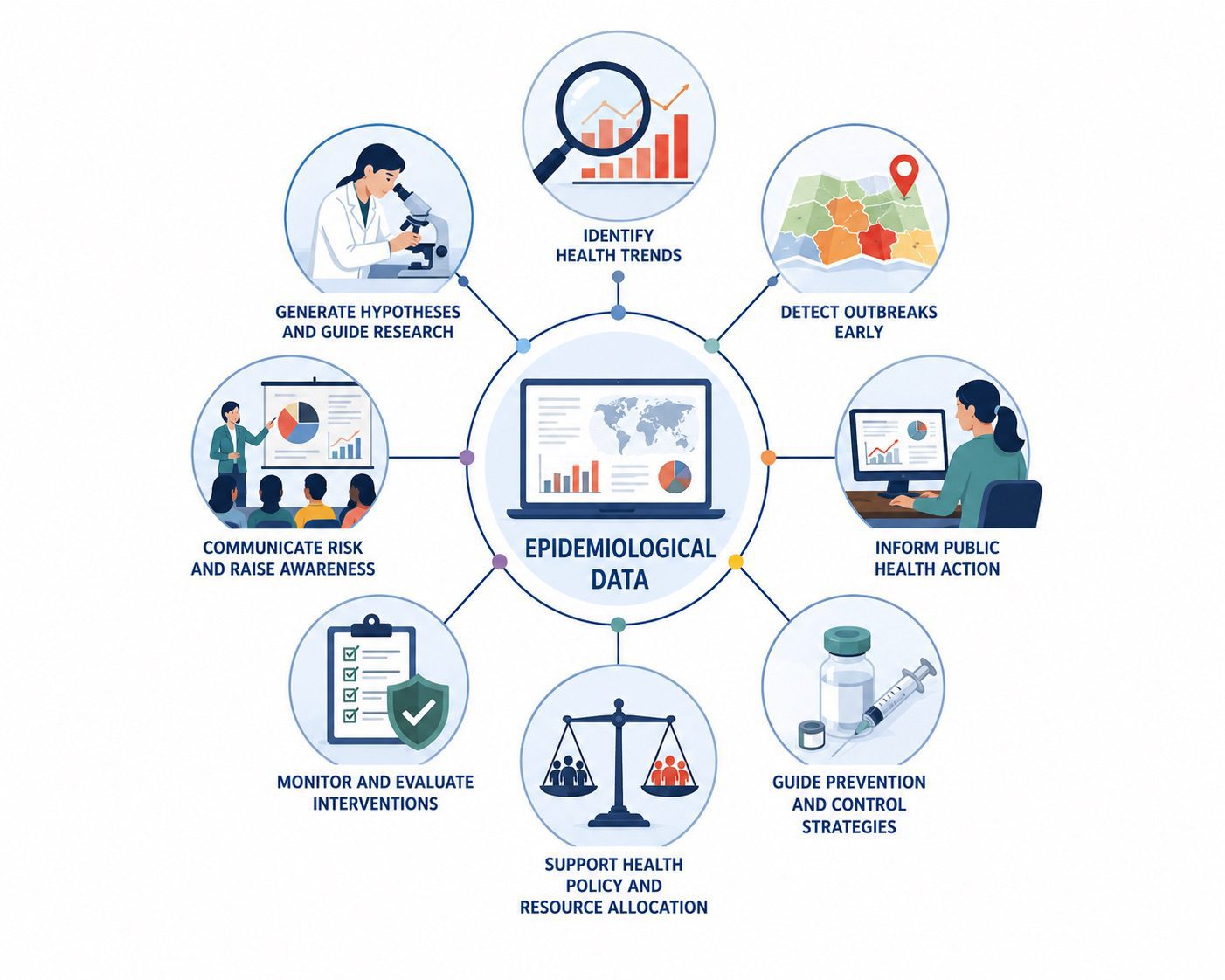
Uses of Epidemiological Data
Epidemiological data form the empirical backbone of public health science. They provide systematically collected information […]
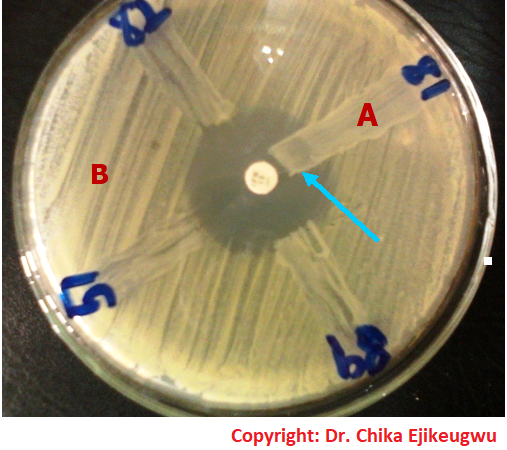
Metallo Beta Lactamases (MBLs)
Metallo-beta-lactamases (MBLs) represent an important class of acquired and clinically relevant resistance determinants that compromise […]

Terminologies used in Epidemiological Studies
Normally, each state, local or federal government of a nation establishes by law those infections/diseases […]

The Place of Statistics in the Study of Epidemiology
Statistics occupies a central and indispensable position in the study of epidemiology. It serves as […]
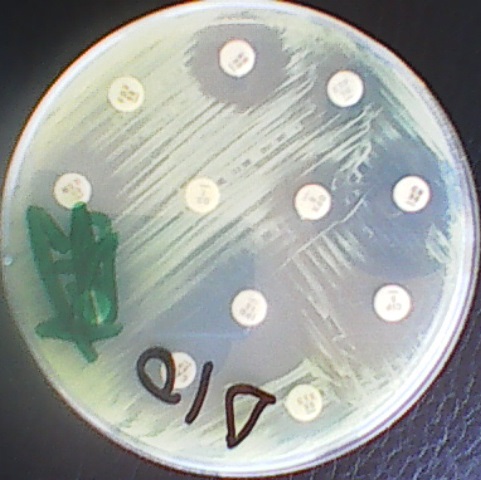
Multidrug Resistant Bacteria (MDRB)
The discovery and clinical deployment of antibiotics transformed the management of bacterial infections and fundamentally […]

Brief History of Antibiotic Resistance
Antibiotic (antimicrobial) resistance is one of the most significant challenges confronting modern medicine. It occurs […]

Control of Antibiotic (Antimicrobial) Resistance
Antibiotic resistance, more broadly referred to as antimicrobial resistance (AMR), has emerged as one of […]

Impact and Cost of Antimicrobial Resistance on Public Health and the Economy
Antimicrobial resistance (AMR) or antibiotic resistance occurs when microorganisms acquire the capacity to survive exposure […]
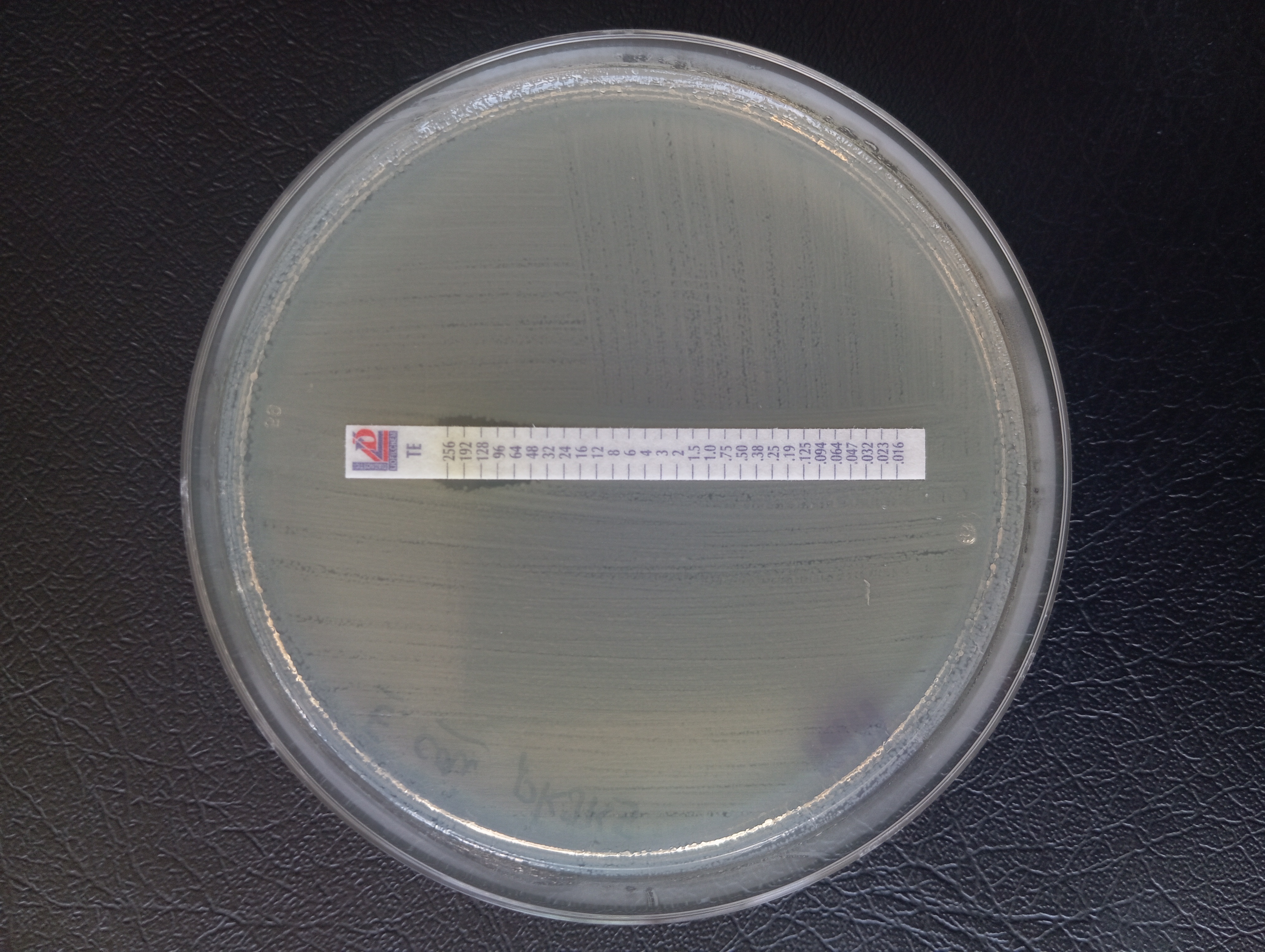
Antimicrobial (Antibiotic) Resistance
Antimicrobial resistance (AMR), particularly antibiotic resistance, has emerged as one of the most consequential challenges […]
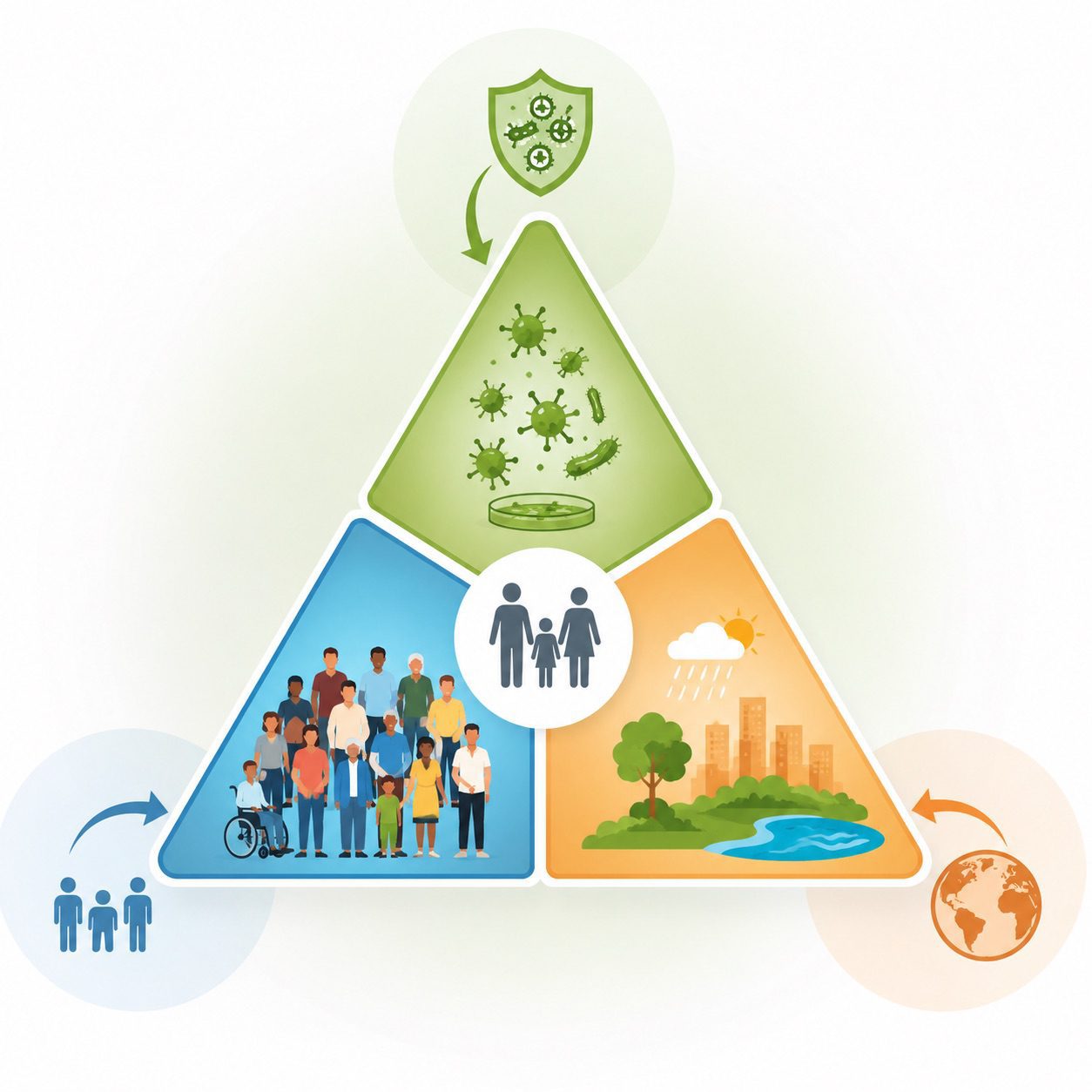
The Triangle of Epidemiology (Epidemiological Triad)
The triangle of epidemiology, also known as the epidemiological triad, is a fundamental model used in epidemiology […]

Indicator Organisms
Indicator organisms are microorganisms used as biological markers to assess the microbiological quality, hygienic status, […]
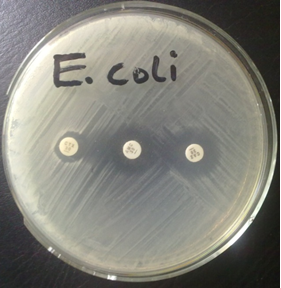
Extended Spectrum Beta-Lactamases (ESBLs)
Extended-spectrum beta-lactamases (ESBLs) are bacterial enzymes that hydrolyze a broad range of beta-lactam antibiotics, particularly […]

WHO Global Principles for the Containment of Antimicrobial Resistance in Animals Intended for Food
Antimicrobial resistance (AMR) has emerged as a formidable challenge at the intersection of animal health, […]

Botulism: A Public Health Menace
Botulism is a rare yet life-threatening neuroparalytic illness caused by toxins produced by the anaerobic, […]
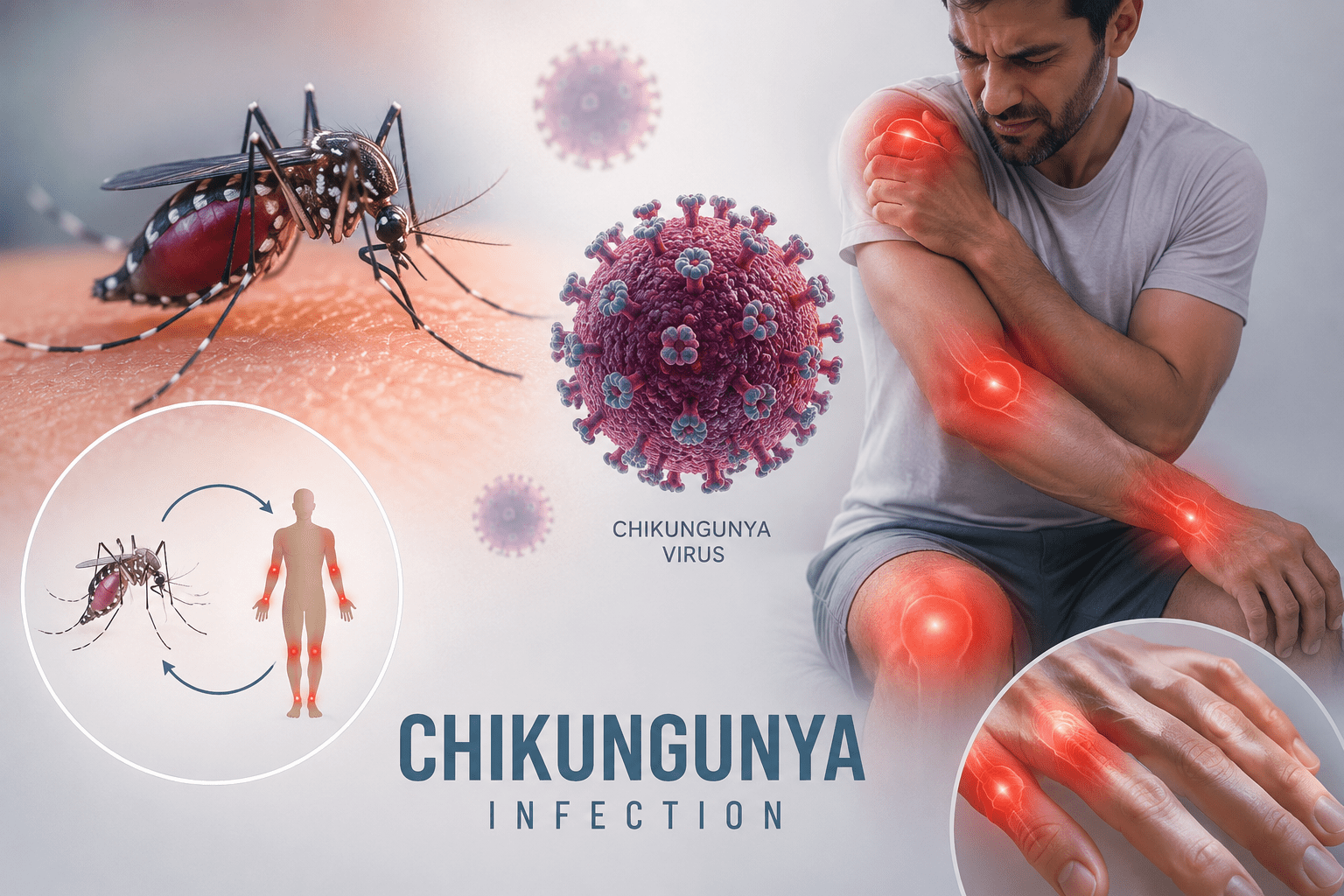
Chikungunya Infection
Chikungunya is a mosquito-borne viral disease first described during an outbreak in southern Tanzania in […]