
Metallo-beta-lactamases (MBLs) represent an important class of acquired and clinically relevant resistance determinants that compromise the activity of many β-lactam antibiotics, particularly the carbapenems. Carbapenems, including imipenem, meropenem, and ertapenem, are frequently reserved for the treatment of serious infections caused by multidrug-resistant Gram-negative bacteria. The emergence and dissemination of MBL-producing pathogens therefore constitute a major therapeutic challenge, as these enzymes can substantially reduce the effectiveness of antibiotics that are often considered critical options for severe bacterial infections. MBL production has been reported in a range of clinically important Gram-negative organisms, including members of the Enterobacterales, Pseudomonas aeruginosa, and Acinetobacter spp., thereby increasing the clinical significance of this resistance mechanism.
MBLs belong to the metallo-dependent group of β-lactamases and differ mechanistically from serine β-lactamases through their requirement for divalent metal ions at the catalytic site. Zinc ions (Zn²⁺) play a central role in substrate binding and catalytic hydrolysis of the β-lactam ring. MBL activity can be inhibited in vitro by metal-chelating compounds such as ethylenediaminetetraacetic acid (EDTA) and dipicolinic acid. This distinctive biochemical property provides an important basis for the phenotypic differentiation of MBL-mediated resistance from resistance caused by other carbapenemases. Phenotypic detection can be influenced by bacterial species, enzyme expression, inoculum size, assay conditions, and the presence of additional resistance mechanisms.
The genes encoding acquired MBLs are commonly associated with mobile genetic elements, facilitating their movement between bacterial populations. Horizontal gene transfer through plasmids, integrons, transposons, and other mobile DNA structures can accelerate the dissemination of MBL determinants among unrelated bacterial strains and species. Clinically significant MBL families include New Delhi metallo-β-lactamases (NDM), Verona integron-encoded metallo-β-lactamases (VIM), and imipenemases (IMP), among others. Their distribution is geographically variable, and individual bacterial isolates may simultaneously carry MBL genes together with determinants conferring resistance to other antimicrobial classes.
A defining feature of MBL-mediated resistance is the broad substrate profile of these enzymes. MBLs can hydrolyze most β-lactam antibiotics, including penicillins, cephalosporins, and carbapenems. Aztreonam is generally stable to hydrolysis by MBLs because of its monobactam structure; however, MBL-producing organisms may possess additional β-lactamases or other resistance mechanisms that compromise aztreonam activity. The clinical phenotype of an MBL-producing isolate is frequently shaped by mechanisms extending beyond MBL production itself, including alterations in membrane permeability, efflux activity, target modification, and co-carriage of resistance determinants against aminoglycosides and fluoroquinolones.
The increasing detection of MBL-producing bacteria has implications for antimicrobial susceptibility testing, infection-control practices, therapeutic decision-making, and antimicrobial stewardship. Rapid recognition of these organisms is particularly important because conventional susceptibility profiles may not adequately identify the underlying resistance mechanism. Molecular detection of MBL genes can provide definitive information regarding specific resistance determinants, while phenotypic approaches remain useful for routine laboratory investigation.
Types of metallo-beta-lactamases
MBLs comprise a heterogeneous group of enzymes that share the ability to use metal ions, predominantly zinc, to catalyze the hydrolysis of the β-lactam ring. Although this common catalytic characteristic places them within the metallo-dependent β-lactamase family, individual MBLs differ substantially in their genetic organization, amino-acid sequence, substrate profile, epidemiological distribution, and association with mobile genetic elements.
These differences are particularly important when MBLs are considered in the context of clinical microbiology because the detection of an MBL phenotype does not necessarily indicate the presence of a single resistance mechanism or a particular gene family. Several MBL groups have been identified, but the clinically important acquired families include IMP, VIM, NDM, SPM, GIM, SIM, AIM, and DIM, with IMP, VIM, and NDM being among the most widely encountered determinants in clinical Gram-negative bacteria.
IMP-type MBLs
The IMP (imipenemase) family represents one of the earliest recognized groups of acquired MBLs associated with clinically significant carbapenem resistance. IMP enzymes were initially identified in Pseudomonas aeruginosa and subsequently detected in a broad range of Gram-negative organisms, including members of the Enterobacterales and Acinetobacter species. Their genetic determinants are frequently associated with class 1 integrons, which provide an efficient platform for the capture and expression of antimicrobial-resistance gene cassettes. This genetic organization contributes to the frequent association of IMP-type MBLs with additional resistance determinants.
IMP variants have demonstrated considerable sequence diversity, resulting in differences in catalytic properties and substrate hydrolysis. Their occurrence in multiple bacterial species also illustrates the capacity of mobile resistance elements to move beyond their original bacterial host. In clinical isolates, IMP production may therefore occur as part of a broader multidrug-resistant phenotype rather than as an isolated resistance trait. The epidemiological importance of IMP-type enzymes consequently extends beyond carbapenem resistance to their role as markers of transferable antimicrobial-resistance determinants.
VIM-type MBLs
The VIM (Verona integron-encoded metallo-beta-lactamase) family constitutes another major group of acquired MBLs. VIM enzymes were initially associated with P. aeruginosa but have subsequently been identified in numerous Gram-negative species. The name reflects their historical association with integron-borne resistance determinants, although the genetic contexts surrounding individual blaVIM genes can vary.
VIM-producing organisms have been reported in healthcare-associated infections involving bloodstream, urinary, respiratory, wound, and other clinical sites. Their distribution across different bacterial species emphasizes the importance of horizontal gene transfer in the persistence of these determinants. VIM variants have also emerged through genetic diversification, producing a large family of related enzymes. Molecular assays directed at MBL detection may need to account for considerable sequence variation when broad detection of VIM-type determinants is required.
NDM-type MBLs
The NDM (New Delhi metallo-beta-lactamase) family has become one of the most consequential groups of acquired MBLs because of its extensive international dissemination. NDM-producing organisms have been detected in Enterobacterales, Acinetobacter species, P. aeruginosa, and other Gram-negative bacteria. A major feature of NDM epidemiology is its frequent association with plasmids and other mobile genetic structures, which can facilitate movement of blaNDM between bacterial populations.
NDM-positive isolates commonly exhibit complex multidrug-resistance profiles because blaNDM may occur alongside determinants conferring resistance to aminoglycosides, fluoroquinolones, sulfonamides, and other antimicrobial classes. The clinical significance of NDM therefore reflects both carbapenem hydrolysis and the broader resistance background of the host organism. The emergence of multiple NDM variants further demonstrates the evolutionary flexibility of this enzyme family. From a diagnostic perspective, NDM has consequently become an important target in molecular surveillance and characterization of carbapenem-resistant Gram-negative bacteria.
SPM-, GIM-, SIM-, AIM-, and DIM-type MBLs
Other acquired MBL families include SPM (São Paulo metallo-beta-lactamase), GIM (German imipenemase), SIM (Seoul imipenemase), AIM (Australian imipenemase), and DIM (Dutch imipenemase). Although these groups are generally encountered less frequently than IMP, VIM, and NDM, their identification demonstrates the continuing diversification of acquired MBL determinants. SPM-type enzymes have been particularly associated with P. aeruginosa, whereas GIM-type enzymes were first described in P. aeruginosa isolates from Germany.
SIM-type determinants have been identified primarily among Acinetobacter and other Gram-negative organisms, while AIM and DIM represent additional examples of geographically associated MBL families that have subsequently attracted wider epidemiological interest. The relatively restricted detection of some MBL families should not be interpreted as evidence that they are clinically insignificant.
Their importance may increase when resistance determinants become incorporated into mobile genetic elements capable of efficient transmission. The apparent geographical concentration of particular MBL families can change over time as bacterial populations, healthcare networks, antimicrobial-selection pressures, and international movement of patients and microorganisms alter transmission patterns.
Molecular diversity and classification of MBLs
The classification of MBLs is based primarily on molecular and biochemical characteristics rather than on the bacterial species in which they are detected. Individual families contain numerous variants generated through nucleotide substitutions and other genetic changes. These variants may differ in amino-acid sequence while retaining the characteristic metal-dependent catalytic mechanism. Identifying an MBL-positive phenotype and identifying the precise MBL family are two different laboratory objectives.
MBLs are also classified within the broader metallo-β-lactamase superfamily, which includes enzymes with diverse biological functions. The clinically important acquired carbapenemases belong predominantly to subclass B1, although B2 and B3 enzymes also occur within the broader classification system. B1 MBLs typically possess a catalytic center capable of coordinating one or two zinc ions and include the major acquired carbapenemase families such as IMP, VIM, and NDM. B2 enzymes have distinctive substrate preferences and are represented by enzymes such as CphA, while B3 enzymes include several chromosomally encoded metallo-β-lactamases with different structural and functional characteristics.
This classification is important because not every metallo-β-lactamase encountered in nature has the same epidemiological significance. Some are intrinsic components of bacterial genomes and contribute to the natural antimicrobial-resistance repertoire of their host species, whereas acquired MBLs are particularly concerning because their genes can become embedded within mobile genetic platforms. The distinction between intrinsic MBLs and acquired MBLs is therefore central to understanding their clinical relevance.
The diversity of MBLs reflects a dynamic interaction between bacterial evolution, genetic mobility, antimicrobial selection, and ecological adaptation. IMP, VIM, and NDM remain particularly important acquired families, but the continued identification of SPM, GIM, SIM, AIM, DIM, and other emerging variants demonstrates that the MBL landscape is not static. Accurate differentiation among these enzyme families is consequently important for molecular surveillance, outbreak investigation, epidemiological mapping, and understanding the mechanisms underlying carbapenem resistance in clinically important Gram-negative bacteria.
Intrinsic and acquired metallo-beta-lactamases
Metallo-beta-lactamases (MBLs) can be broadly considered in terms of their intrinsic or acquired occurrence in bacterial populations, a distinction that is important for understanding the ecological origin, genetic behavior, and clinical significance of MBL-mediated resistance. Intrinsic (chromosomally encoded) MBLs are encoded by genes that are naturally associated with the genome of particular bacterial species or lineages. Their presence therefore forms part of the organism’s inherent genetic repertoire rather than resulting from the recent acquisition of a resistance determinant from another bacterium.
In many cases, these chromosomal MBL genes are expressed at relatively low levels and may not produce a clinically significant carbapenem-resistant phenotype under normal physiological conditions. Their contribution to resistance can nevertheless become more apparent when regulatory changes, genetic alterations, or additional permeability and efflux mechanisms modify the overall susceptibility of the organism. The ecological role of intrinsic MBLs extends beyond their direct contribution to antimicrobial resistance.
Environmental bacteria have evolved diverse metalloenzymes that participate in the degradation or transformation of naturally occurring beta-lactam compounds and other environmental substrates. Some bacterial species therefore possess chromosomal MBL-like genes without having evolved specifically in response to modern clinical antibiotic use. These naturally occurring determinants represent a reservoir from which resistance mechanisms can potentially emerge. Genetic mobility becomes particularly consequential when an intrinsically encoded MBL determinant or a related metallo-beta-lactamase gene becomes associated with a mobile genetic element capable of movement between bacterial cells.
Acquired MBLs differ fundamentally in their epidemiological behavior. They are generally associated with transferable genetic structures, including plasmids, integrons, transposons, and insertion sequences, which permit resistance determinants to move within and between bacterial populations. Acquired MBL genes such as blaNDM, blaVIM, and blaIMP have become particularly important because their dissemination can introduce carbapenemase activity into bacterial species that previously lacked an effective MBL-mediated resistance mechanism. Once established in a successful bacterial lineage, the acquired determinant may persist through clonal expansion, while its association with mobile DNA can permit additional horizontal dissemination.
The distinction between intrinsic and acquired MBLs is consequently relevant to both laboratory interpretation and epidemiological investigation. Detection of an MBL-associated phenotype does not, by itself, establish whether the underlying determinant is chromosomal or horizontally acquired. Molecular characterization is required to identify the specific gene and its genetic context. This distinction can provide important information about the likelihood of onward transmission and the relationship between apparently unrelated resistant isolates.
Acquired MBLs are of particular clinical concern because they frequently occur alongside additional antimicrobial-resistance determinants. A plasmid carrying an MBL gene may also contain genes associated with resistance to aminoglycosides, fluoroquinolones, sulfonamides, or other antimicrobial classes. Selection pressure from exposure to one antimicrobial may therefore indirectly maintain bacteria carrying several resistance determinants simultaneously. This phenomenon, known as co-selection, can contribute to the persistence of multidrug-resistant organisms even when carbapenems are not being used.
Phenotypic basis and laboratory recognition of MBL production
The phenotypic detection of MBL production is fundamentally linked to the dependence of these enzymes on divalent metal ions, particularly zinc. Chelating compounds such as ethylenediaminetetraacetic acid (EDTA) bind these metal ions and can consequently reduce or inhibit MBL activity in vitro. This biochemical characteristic provides the rationale for inhibitor-based approaches used in clinical microbiology laboratories to investigate carbapenem resistance suspected to be mediated by MBLs.
Phenotypic detection is particularly valuable where molecular testing is unavailable, costly, or not routinely incorporated into diagnostic workflows. Interpretation requires consideration of the organism, antimicrobial susceptibility profile, assay conditions, and the possible coexistence of other carbapenem-resistance mechanisms. The genetic determinants responsible for MBL production may occur within the bacterial chromosome or, more importantly from an epidemiological perspective, on mobile genetic elements.
Plasmids, integrons, transposons, and related genetic structures can facilitate the movement of resistance determinants between bacterial cells. The detection of an MBL phenotype does not merely indicate reduced susceptibility to a particular antimicrobial agent; it may also signal the presence of a transferable resistance determinant capable of contributing to the wider dissemination of antimicrobial resistance. This phenomenon is comparable to the dissemination of other clinically important resistance mechanisms, including extended-spectrum beta-lactamases (ESBLs).
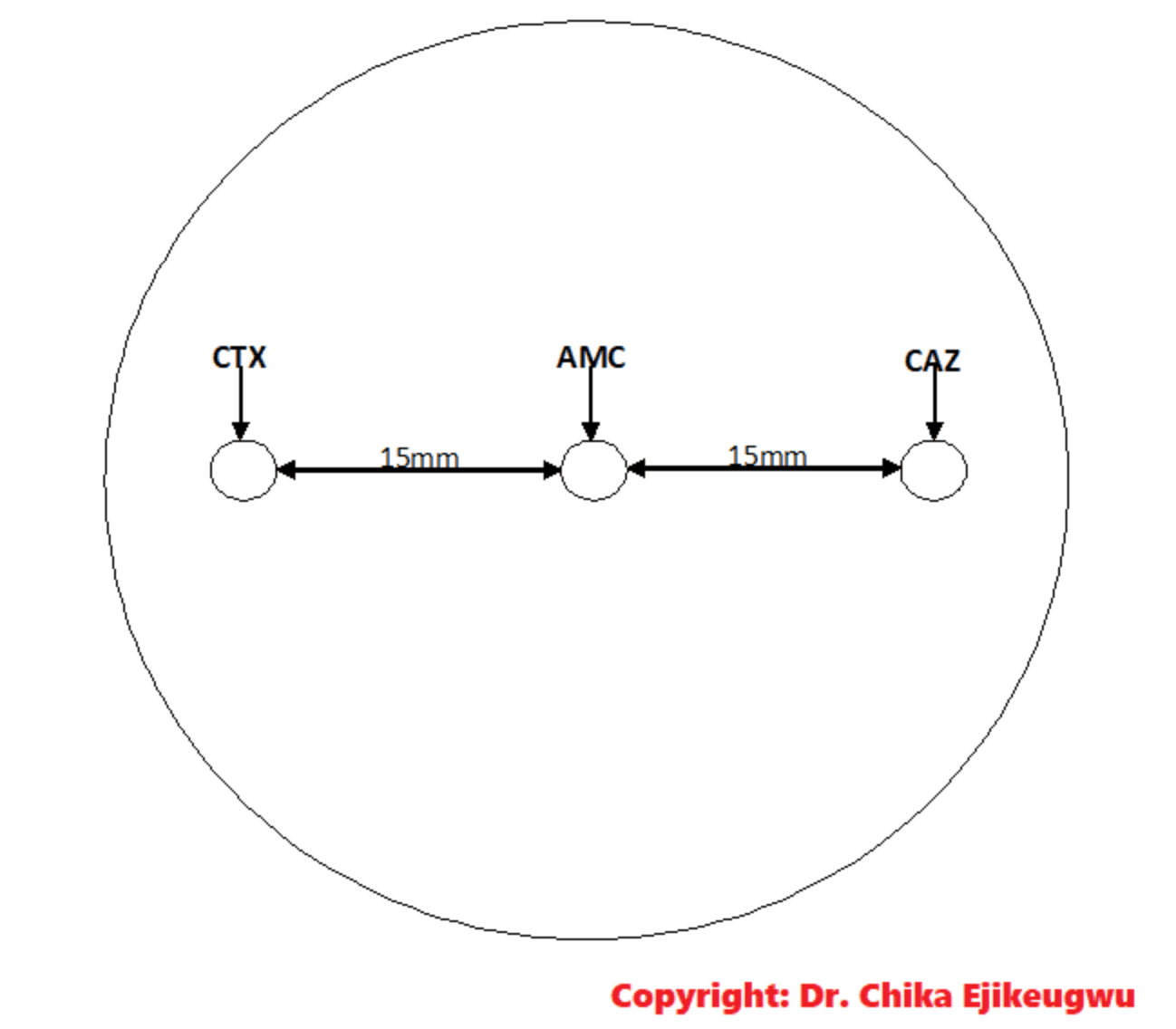
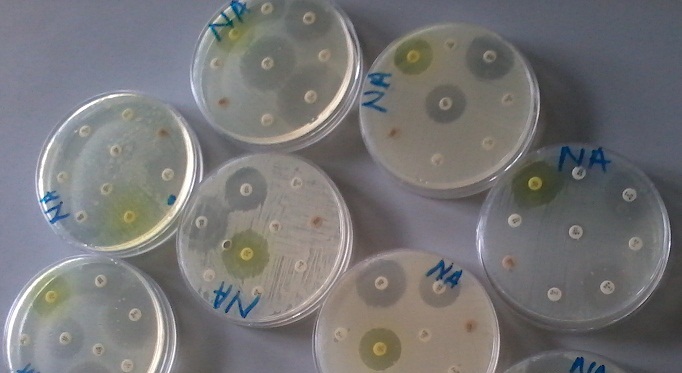
Laboratory investigation commonly begins with antimicrobial susceptibility testing (AST), through which isolates displaying reduced susceptibility or resistance to carbapenems are identified for further characterization. The overall diagnostic workflow can therefore be conceptualized as a screening stage followed by phenotypic and/or molecular confirmation (Figure 1). Depending on laboratory capacity, approaches may include disk-based assays, broth microdilution, gradient diffusion methods, carbapenem hydrolysis assays, and inhibitor-based tests. Molecular methods, particularly polymerase chain reaction (PCR), provide an alternative approach by directly detecting specific MBL-encoding genes.
In inhibitor-based testing, the activity of a carbapenem is compared when the drug is tested alone and when combined with a metal-chelating compound (Figure 2). A measurable increase in the inhibition zone associated with the inhibitor-containing preparation may support the presence of an MBL phenotype. Nevertheless, the magnitude of the zone difference should be interpreted according to a validated laboratory protocol rather than as an isolated observation. Differences in inoculum density, agar composition, disk potency, incubation conditions, and coexisting resistance mechanisms can influence the result. Phenotypic testing is therefore most informative when integrated with a complete antimicrobial susceptibility profile and, where possible, molecular characterization.
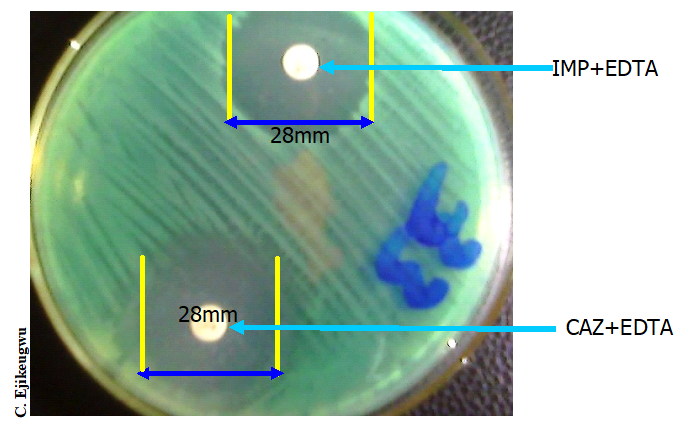
KEY: IPM-imipenem 10 µg, MEM-meropenem 10µg, EDTA (ethylenediamine tetraacetic acid).
Distribution of MBL-producing bacteria and resistance dissemination
MBL production has been identified in a broad range of Gram-negative bacteria, with particularly important associations involving non-fermenting organisms such as Pseudomonas aeruginosa and Acinetobacter species. MBL determinants are also encountered among members of the Enterobacterales, including clinically important species such as Escherichia coli and Klebsiella pneumoniae. The distribution of these organisms across clinical settings is influenced by antimicrobial exposure, healthcare practices, bacterial population structure, local epidemiology, and the circulation of mobile resistance determinants.
The epidemiological importance of MBLs extends beyond individual bacterial species because resistance genes can move between genetically unrelated organisms. Integrons are particularly relevant in this context because they can capture and express resistance gene cassettes, while plasmids and transposons can facilitate their movement within and between bacterial populations. A single bacterial isolate may consequently harbor several resistance determinants simultaneously. Such accumulation can produce resistance phenotypes that extend well beyond beta-lactam antibiotics and substantially complicate antimicrobial susceptibility interpretation.
Hospital environments provide numerous opportunities for the selection and persistence of resistant organisms. Patients receiving prolonged or repeated courses of broad-spectrum antimicrobial therapy may exert selective pressure that favors resistant bacterial populations. Carbapenem exposure is especially important when carbapenemase-producing organisms are already present within a healthcare setting, although resistance emergence is a multifactorial process and cannot be attributed to carbapenem use alone. Transmission of MBL-positive bacteria may occur through contaminated equipment, healthcare workers’ hands, environmental reservoirs, or direct patient-to-patient contact.
The movement of patients between hospitals and healthcare facilities can further connect otherwise distinct bacterial populations. The occurrence of MBL-producing organisms is not restricted to a particular geographical region. Such bacteria have been documented in healthcare settings across Europe, Asia, the Americas, and Africa, although the prevalence and distribution of individual MBL families differ between regions and institutions. Local surveillance is therefore essential because national or international prevalence estimates may not accurately represent resistance patterns within an individual hospital.
Environmental reservoirs also warrant attention. MBL-producing organisms and transferable resistance determinants may occur in wastewater, surface water, soil, food-associated environments, and other ecological niches. These settings can provide opportunities for interactions between environmental and clinical bacterial populations. The movement of resistance determinants across human, animal, and environmental compartments has consequently contributed to the development of a One Health perspective on antimicrobial resistance.
For this reason, laboratory identification of MBL-positive isolates has significance beyond reporting antimicrobial susceptibility. Detection can provide an early indication of the circulation of transferable resistance determinants within a healthcare or community-associated bacterial population. Combining microbiological surveillance with infection-prevention measures, antimicrobial stewardship, and molecular epidemiology can help establish whether apparently unrelated cases represent isolated events or components of a wider transmission process.
Clinical relevance of MBL-positive bacteria
The clinical relevance of MBL-positive bacteria arises primarily from the convergence of limited antimicrobial susceptibility, multidrug resistance, and the potential for rapid dissemination within vulnerable patient populations. Carbapenems have historically occupied an important position in the management of severe infections caused by Gram-negative organisms with resistance to other beta-lactam agents. When an infecting organism produces an MBL, however, carbapenem activity may be substantially compromised. The resulting reduction in therapeutic options is particularly important in infections involving critically ill patients, individuals with prolonged hospitalization, and patients who have previously received extensive antimicrobial treatment.
The significance of MBL production should not be interpreted solely from the resistance profile of the carbapenems. MBL-positive isolates frequently carry additional resistance determinants, either within the same mobile genetic element or elsewhere in the bacterial genome. Resistance to aminoglycosides, fluoroquinolones, and other antimicrobial classes may accompany the MBL phenotype. This combination can leave clinicians with fewer active agents and may require treatment decisions to be based on isolate-specific susceptibility results rather than conventional empirical regimens.
An additional clinical challenge is that the presence of an MBL gene does not necessarily predict an identical susceptibility phenotype across bacterial species or individual isolates. Expression level, permeability barriers, efflux systems, porin alterations, and additional beta-lactamases can modify the final antimicrobial susceptibility profile. Phenotypic carbapenem resistance may arise through mechanisms other than MBL production. This distinction is important because therapeutic and infection-control implications depend on accurately identifying the underlying resistance mechanism.
MBL-positive organisms are also relevant to hospital infection prevention. Their ability to coexist with multiple resistance determinants creates the possibility of transmission of highly resistant bacterial populations between patients. In settings where invasive procedures, mechanical ventilation, urinary catheterization, intensive-care treatment, or prolonged hospitalization are common, transmission of resistant Gram-negative organisms can have substantial consequences.
Recognition of MBL-positive isolates should therefore prompt appropriate interpretation within the institution’s infection-prevention framework, including consideration of contact precautions, microbiological surveillance, environmental hygiene, and investigation of possible transmission when clinically indicated. From a therapeutic perspective, the detection of an MBL phenotype can influence the interpretation of antimicrobial susceptibility results and the selection of potentially active agents.
The susceptibility of aztreonam to MBL-mediated hydrolysis distinguishes it mechanistically from many other beta-lactams, although co-produced serine beta-lactamases can compromise aztreonam activity. Contemporary therapeutic approaches therefore increasingly consider the complete resistance genotype and phenotype rather than relying on MBL status alone. MBL positivity represents both a microbiological finding and a clinically relevant marker of complex antimicrobial resistance. Its identification can influence laboratory reporting, antimicrobial selection, infection-prevention decisions, and the broader surveillance of healthcare-associated resistance.
Phenotypic confirmation, modified Hodge testing, and molecular detection of MBL bacteria
The laboratory investigation of MBL-producing bacteria generally combines AST with targeted phenotypic and molecular approaches. Initial susceptibility testing establishes whether an isolate exhibits reduced susceptibility to carbapenems or other beta-lactam agents, after which additional testing may be undertaken to investigate the underlying mechanism. Standardized methods such as disk diffusion and broth microdilution provide the susceptibility measurements required for interpretation against the applicable clinical breakpoints. Where MBL production is suspected, inhibitor-based methods as shown in Figure 2 can subsequently assess whether chelation of metal ions alters carbapenem activity.
In a conventional disk-potentiation approach, a carbapenem disk is tested alongside the corresponding carbapenem supplemented with a chelating agent such as EDTA. Greater inhibition associated with the inhibitor-containing preparation provides phenotypic evidence consistent with MBL activity. Such assays are relatively straightforward and can be incorporated into laboratories with basic microbiological infrastructure. They require appropriate controls and standardized interpretation because EDTA may influence bacterial growth or membrane properties independently of its effect on MBL activity. Other carbapenemases and resistance mechanisms may also produce overlapping phenotypes.
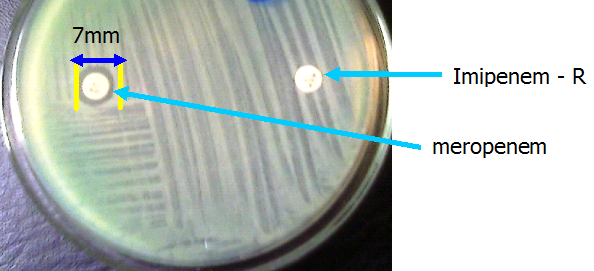
The modified Hodge test (MHT) has historically been used to investigate carbapenemase activity (Figure 3). In the example presented in Figure 3, E. coli strains 82, 81, 89, and 51 exhibit phenotypic evidence of carbapenemase activity, with strain 81 demonstrating growth toward the imipenem disk, a finding consistent with phenotypic MBL production. The conventional procedure involves inoculating Mueller-Hinton (MH) agar with a standardized suspension of E. coli ATCC 25922, generally adjusted to approximately 0.5 McFarland turbidity. A carbapenem disk is positioned centrally, after which the test organism is streaked from the disk toward the edge of the plate. Growth of the indicator organism toward the carbapenem disk can produce a characteristic distortion of the inhibition zone, historically interpreted as evidence of carbapenemase activity.
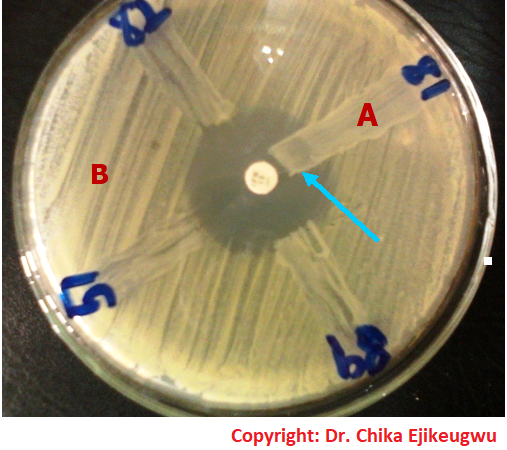
Importantly, the MHT does not specifically identify MBLs and has recognized limitations in sensitivity, specificity, and discrimination among carbapenemase types. Its interpretation should therefore not be equated directly with molecular confirmation of an MBL gene. Contemporary laboratories may instead employ validated inhibitor-based assays, immunochromatographic tests, rapid biochemical carbapenemase assays, or molecular methods depending on available resources. PCR provides a more specific approach by detecting defined MBL determinants such as blaNDM, blaVIM, and blaIMP. Sequencing can provide additional information where characterization of variants or epidemiological relationships is required.
Combining phenotypic susceptibility data with molecular detection offers a more comprehensive characterization of resistant isolates than either approach alone. Such integrated testing is particularly valuable for surveillance because it distinguishes the observable resistance phenotype from the genetic mechanism responsible for it. Accurate detection supports appropriate laboratory reporting, targeted infection-control interventions, antimicrobial stewardship, and monitoring of the emergence and dissemination of MBL-producing bacteria.
Treatment, prevention, and control of MBL-producing bacterial infections
Management of infections caused by MBL-producing bacteria requires an integrated approach that combines accurate microbiological diagnosis, individualized antimicrobial selection, source control, and effective infection-prevention measures. The presence of an MBL should not be interpreted as an indication for a single universal treatment regimen because therapeutic options depend on the bacterial species, site and severity of infection, antimicrobial susceptibility profile, resistance mechanisms occurring alongside the MBL, and patient-specific factors. Treatment decisions should be guided by susceptibility testing and, where available, characterization of the underlying resistance determinant.
A major therapeutic difficulty is that MBL enzymes can inactivate most conventional beta-lactam antibiotics, including carbapenems. MBL-producing isolates frequently possess additional resistance mechanisms that reduce susceptibility to non-beta-lactam agents. This can substantially narrow the number of active antibiotics available for treatment. Contemporary management therefore emphasizes the identification of agents that retain activity against the individual isolate rather than relying solely on the historical classification of carbapenem resistance.
Where newer beta-lactam-based treatment options are considered, the specific carbapenemase mechanism is particularly important because different inhibitor combinations have different spectra of activity. For MBL-producing organisms, therapeutic strategies may involve combinations designed to circumvent MBL-mediated hydrolysis, while other agents may be selected according to demonstrated in vitro susceptibility and the anatomical site of infection. Infectious-disease and clinical microbiology consultation can be particularly valuable for severe infections or isolates displaying extensive drug resistance.
Antimicrobial treatment alone may be insufficient when infection is associated with a removable focus. Appropriate source control including drainage of abscesses, removal or replacement of infected devices, debridement of infected tissue, and management of obstructed anatomical sites can reduce bacterial burden and improve the probability of microbiological clearance. The duration and intensity of therapy should likewise be individualized according to the infection site, clinical response, immune status, and microbiological findings rather than prolonged unnecessarily.
Prevention of MBL-producing bacterial infections begins with reducing opportunities for transmission and limiting unnecessary antimicrobial selection pressure. Healthcare facilities should maintain robust hand-hygiene practices, appropriate environmental cleaning, and validated disinfection procedures for reusable equipment. Patients carrying highly resistant organisms may require additional infection-prevention measures according to institutional policies and local epidemiological circumstances. Rapid communication of important resistance findings from the microbiology laboratory to clinical and infection-prevention teams is essential because delayed recognition can allow transmission before appropriate interventions are implemented.
Antimicrobial stewardship represents another major component of prevention. Antibiotics should be prescribed only when clinically indicated, with selection, dosage, route, and duration adjusted to the suspected or confirmed pathogen and infection. Once microbiological results become available, therapy should be reassessed and unnecessarily broad treatment narrowed where appropriate. Avoiding inappropriate antimicrobial exposure reduces selective pressure that favors resistant bacterial populations.
Surveillance provides an additional layer of control. Routine analysis of susceptibility patterns, carbapenemase mechanisms, and clusters of MBL-positive isolates can help healthcare institutions recognize changes in local resistance epidemiology. Where transmission is suspected, epidemiological investigation and molecular typing can help determine whether isolates are genetically related. Effective control therefore depends on coordination among clinicians, microbiologists, pharmacists, infection-prevention personnel, and public-health laboratories. Through the combination of targeted therapy, source control, antimicrobial stewardship, surveillance, and rigorous infection-prevention practices, the clinical impact and onward transmission of MBL-producing bacteria can be reduced.
References
Boyd, S. E., Livermore, D. M., Hooper, D. C., & Hope, W. W. (2020). Metallo-β-lactamases: Structure, function, epidemiology, treatment options, and the development pipeline. Antimicrobial Agents and Chemotherapy, 64(10), e00397-20.
Ejikeugwu, C., Nworie, O., Saki, M., Al-Dahmoshi, H. O. M., et al. (2021). Detection of metallo-β-lactamase and AmpC genes in Escherichia coli, Klebsiella species, and Pseudomonas aeruginosa isolates from abattoir and poultry origin in Nigeria. BMC Microbiology, 21, 124.
Ejikeugwu, C., Saki, M., Nwakaeze, E., Eze, P., et al. (2019). Characterization of metallo-β-lactamases-encoding genes blaIMP-1 and blaVIM-1 amongst Klebsiella pneumoniae from abattoir samples of Ebonyi State, southeastern Nigeria. Gene Reports, 16, 100428.
Ejikeugwu, P. C., Edeh, C., Iroha, I. R., Orji, J., & Eluu, S. U. (2016). Antibiogram and detection of metallo-beta-lactamase (MBL) positive Escherichia coli isolates from abattoir. Nature and Science, 14, 65–69.
Ejikeugwu, C., Ngozi, A., Agabus, N., Ovia, K., et al. (2018). Phenotypic detection of metallo-beta-lactamase (MBL) and AmpC enzymes among abattoir isolates of Escherichia coli and Klebsiella species in Abakaliki, Nigeria. Trends in Medicine, 18.
Ejikeugwu, C., Esimone, C., Iroha, I., Eze, P., et al. (2018). Genotypic and phenotypic characterization of MBL genes in Pseudomonas aeruginosa isolates from the non-hospital environment. Journal of Pure and Applied Microbiology, 12(4), 1877–1885.
Franklin, C., Liolios, L., & Peleg, A. Y. (2006). Phenotypic detection of carbapenem-susceptible metallo-β-lactamase-producing Gram-negative bacilli in the clinical laboratory. Journal of Clinical Microbiology, 44(9), 3139–3144.
Golovina, A., Antipin, F., Khalymbadzha, I., Terina, O., Yakovlev, D., Fedina, E., & Ivanov, R. (2026). Treatment options for metallo-beta-lactamase-producing Enterobacterales in the era of increasing resistance. International Journal of Molecular Sciences, 27(12), 5320.
Guddeti, P. K., Verma, B. S., Karicheri, R., Abdullah, M., & Shah, H. (2025). Evaluation of three phenotypic methods for detecting metallo-β-lactamase in clinical isolates of Acinetobacter baumannii. Cureus, 17(10), e95031.
Lawrence, J., O’Hare, D., van Batenburg-Sherwood, J., et al. (2024). Innovative approaches in phenotypic beta-lactamase detection for personalised infection management. Nature Communications, 15, 9070.
Palzkill, T. (2013). Metallo-β-lactamase structure and function. Annals of the New York Academy of Sciences, 1277, 91–104.
Takei, K., Kanamori, H., Nakayama, A., Chiba, M., Takei, Y., Seike, I., Kitamura, C., Baba, H., Oshima, K., & Tokuda, K. (2023). Screening for metallo-beta-lactamases using non-carbapenem agents: Effective detection of MBL-producing Enterobacterales and differentiation of carbapenem-resistant Enterobacterales. Antibiotics, 12(7), 1146.
Zakhour, J., El Ayoubi, L. W., & Kanj, S. S. (2024). Metallo-beta-lactamases: Mechanisms, treatment challenges, and future prospects. Expert Review of Anti-Infective Therapy, 22(4), 189–201.
Discover more from Microbiology Class
Subscribe to get the latest posts sent to your email.