

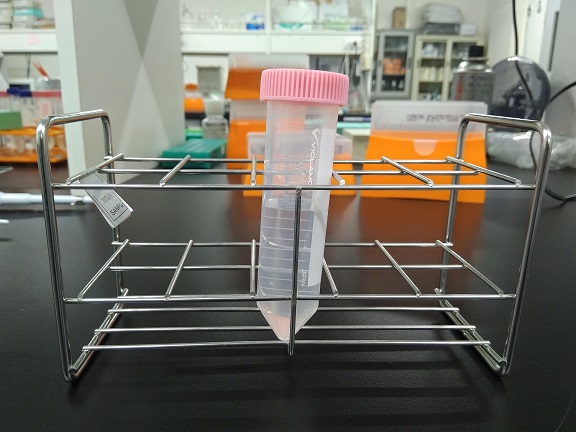
In the cell culture laboratory, there are many cell culture techniques that are routinely engaged […]
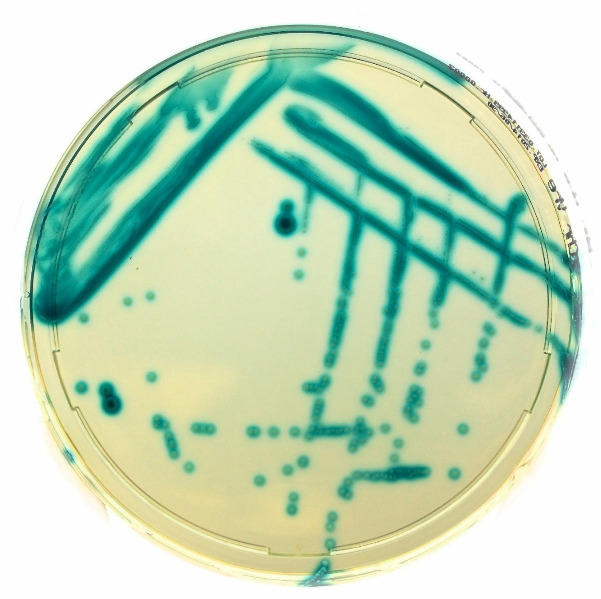
Chromatic Vancomycin Resistant Enterococci (VRE) Agar
The increasing prevalence of vancomycin-resistant enterococci (VRE) has created a persistent challenge for clinical microbiology, […]
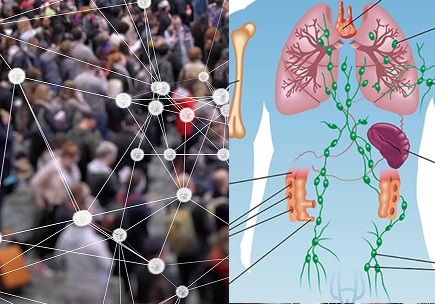
HERD IMMUNITY
Herd immunity is a group resistance of a population against a particular disease and the […]

The Triangle of Epidemiology (Epidemiological Triad)
The triangle of epidemiology, also known as the epidemiological triad, is a fundamental model used in epidemiology […]

Experimental Epidemiological Study
Experimental epidemiological studies, often referred to as clinical trials, are analytical research designs used to […]
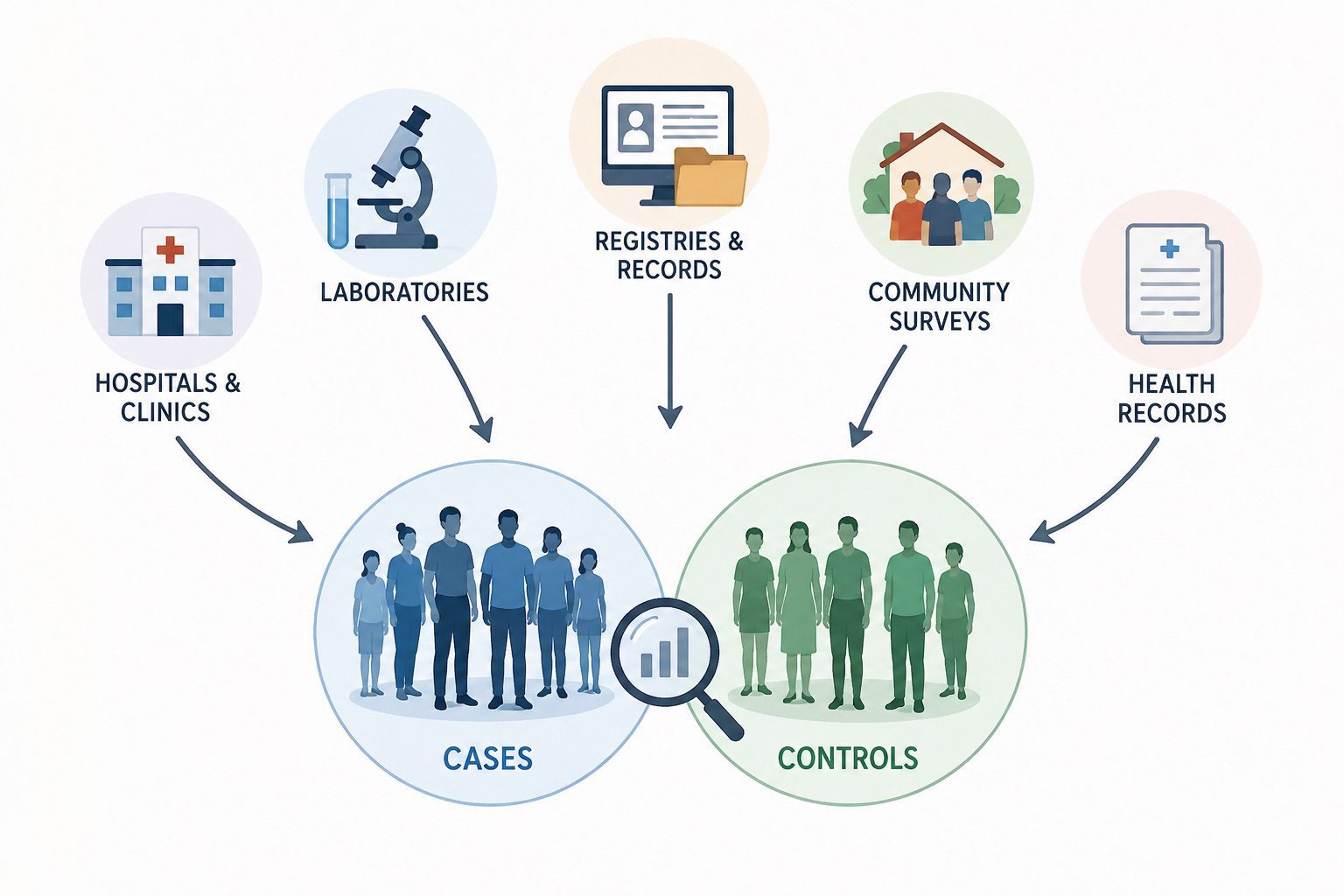
Sources of Cases & Control in an Epidemiological Study
In epidemiological research, particularly in case-control studies, the selection of cases and controls is one […]

Ecological Studies
Ecological studies are a type of observational epidemiological study in which the unit of analysis […]
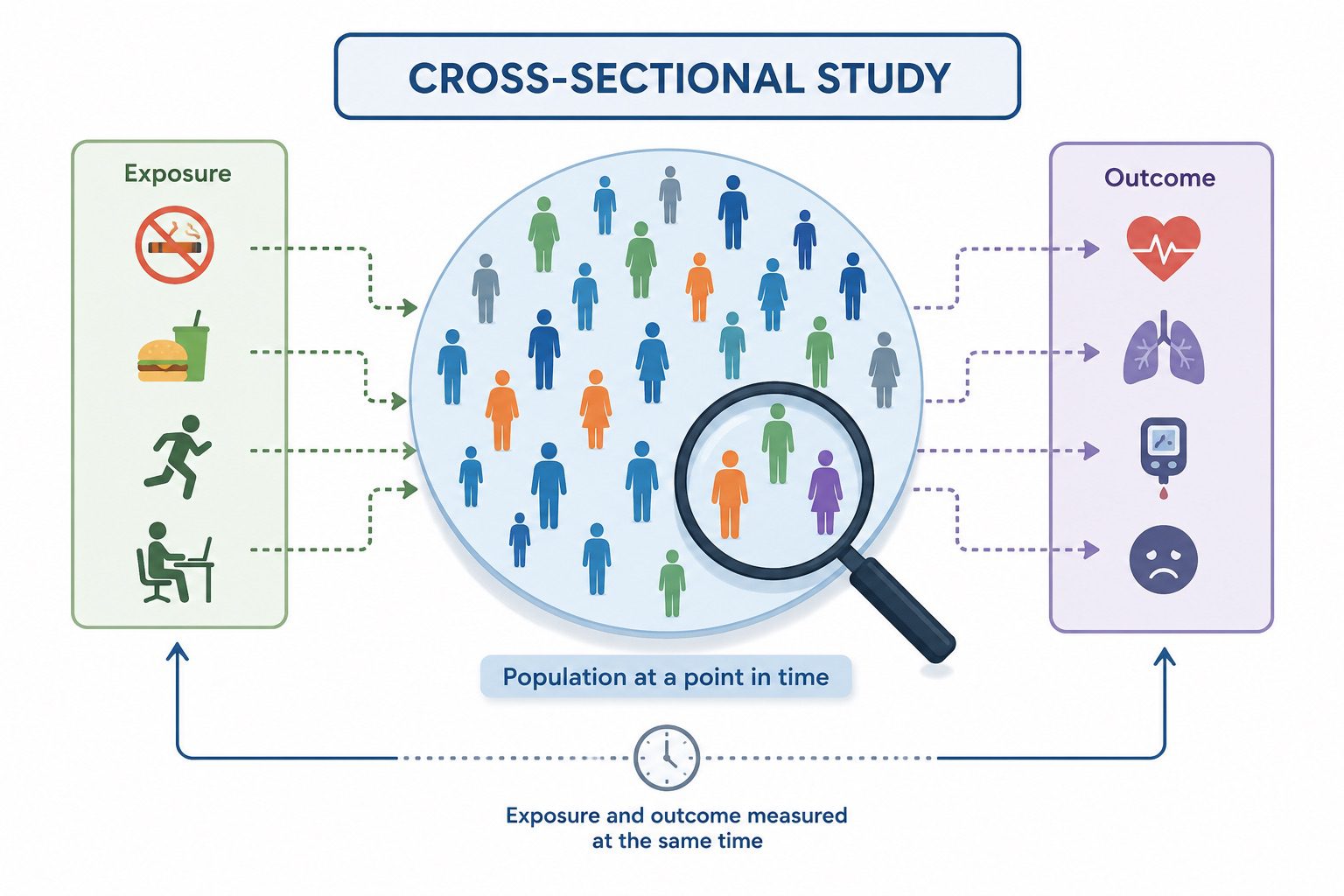
Cross-Sectional Study
A cross-sectional study is a descriptive observational epidemiological research design used to investigate the prevalence […]

Prospective (Cohort) Studies
Prospective or cohort studies are observational analytical epidemiological investigations in which the starting point is […]

Retrospective (Case-Control) Study
A retrospective study, commonly referred to as a case-control study, is an observational analytical epidemiological research […]

Case Reports and Case Series
Case reports are epidemiological studies that involve the careful, detailed, and comprehensive description of a […]

Analytical Epidemiological Study
Analytical epidemiological study is a more detailed and comprehensive approach to epidemiological investigation than descriptive […]
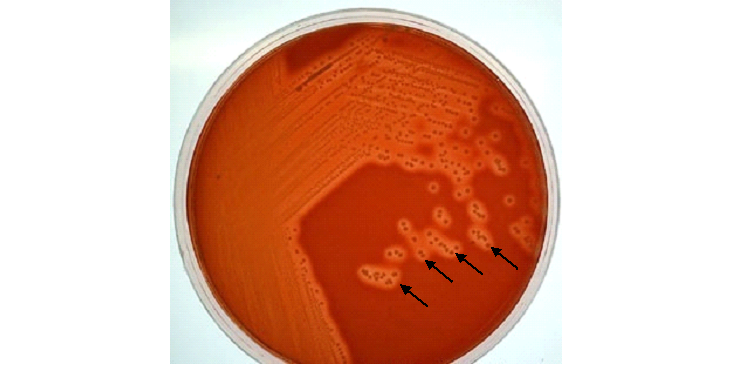
SPUTUM CULTURE TECHNIQUE
Sputum culture is often recommended in the diagnoses of lower respiratory tract infection (e.g. bacterial […]
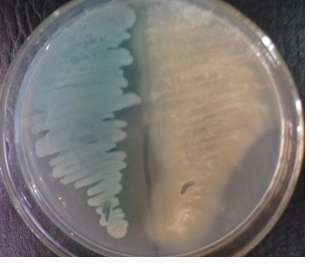
URINE CULTURE TECHNIQUE
Urine culture is performed in order to specifically identify organisms that may be causing a […]
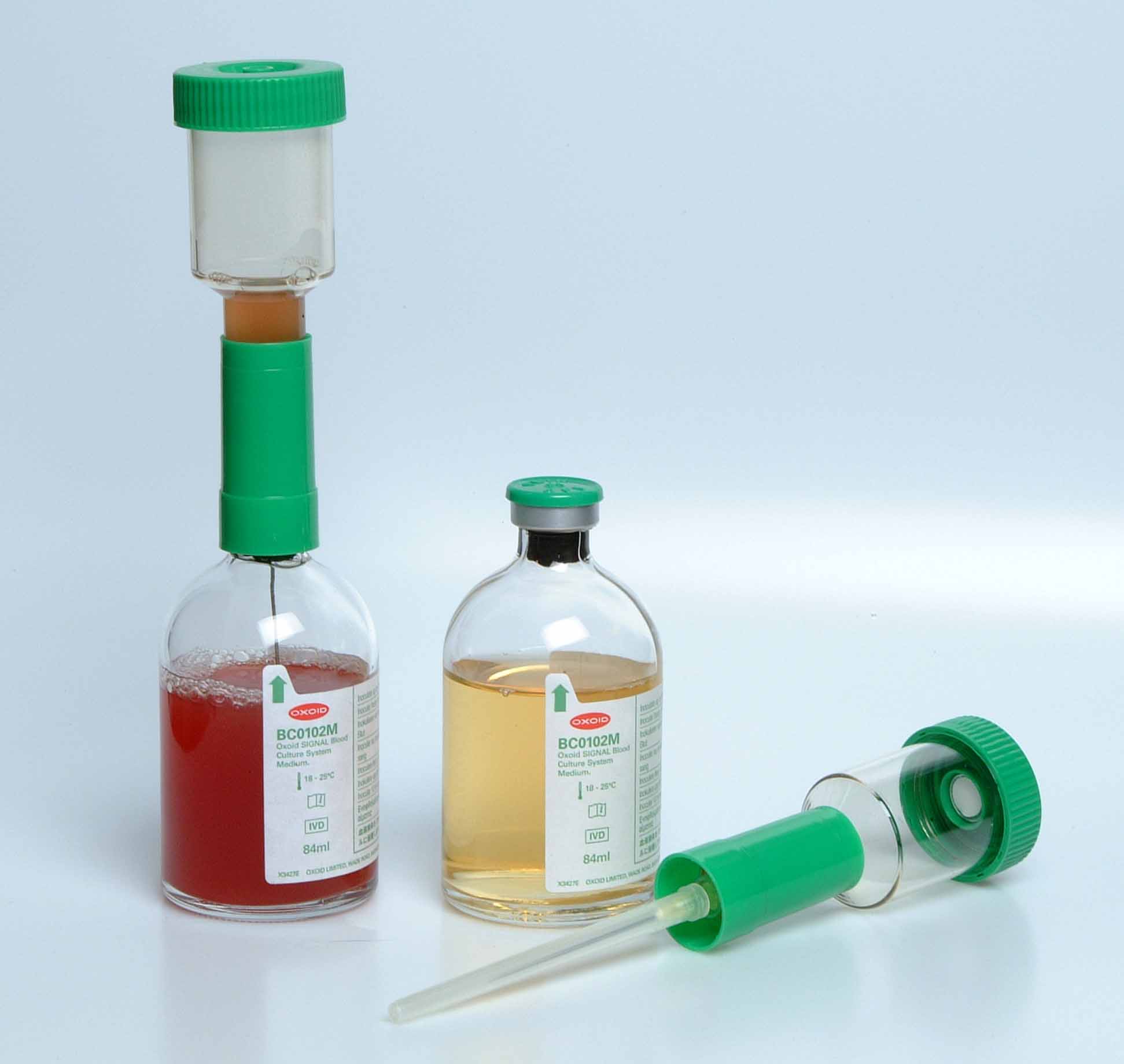
BLOOD CULTURE TECHNIQUE
Blood culture is the most important diagnostic method for detecting and diagnosing bacteraemia (presence of […]
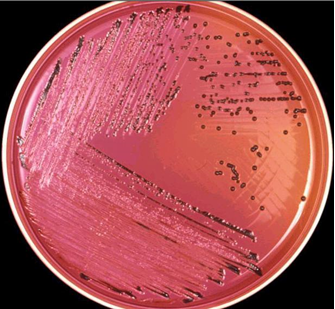
STOOL CULTURE TECHNIQUE
Stool culture is demanded in the bacteriology laboratory as method for detecting and diagnosing enteric […]
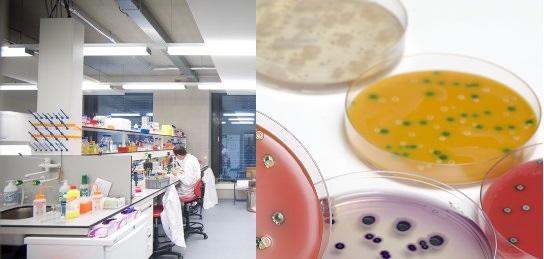
LABORATORY DIAGNOSIS OF FUNGAL INFECTIONS/DISEASES
The laboratory diagnosis of fungal infection is mainly based on microscopy and cultural techniques. Several […]
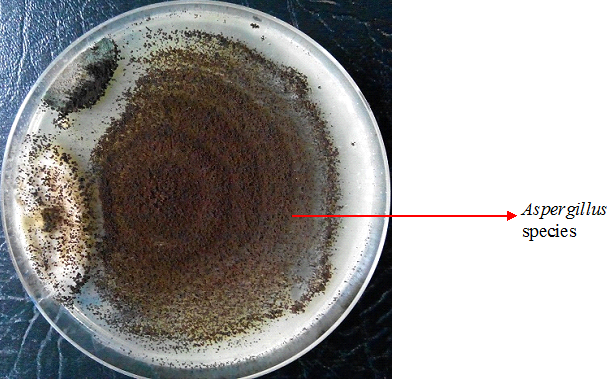
MYCOTOXINS
Mycotoxins are exotoxins produced by fungi. The area of microbiology that studies fungi and the […]
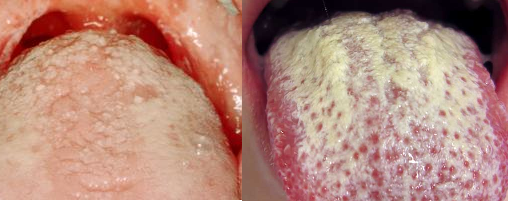
ORAL THRUSH (ORAL CANDIDIASIS)
Oral thrush (oral candidiasis) is a localized fungal infection caused by C. albicans in the […]
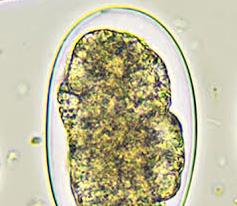
Classification of parasites that parasitize humans
Generally, parasites can be classified into two major groups: Endoparasites are parasites that live inside […]

TRANSPEPTIDATION REACTION
Transpeptidation reaction is the chemical reaction that forms the peptide cross-links or bonds during the […]
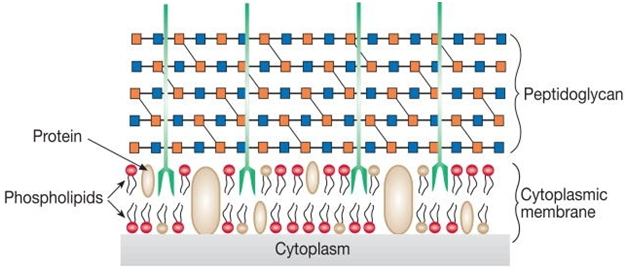
BACTERIAL CELL WALL
Cell wall is a layer that is present outside the plasma or cytoplasmic membrane of […]

EUKARYOTIC CELLS
Eukaryotic cells are organisms or cells that have a membrane-bound nucleus. They are distinct group […]

CLASSIFICATION OF MUTATION BY THEIR EFFECTS ON THE DNA MOLECULE
Based on their effects on the structural integrity of the DNA molecule, mutations can be […]

MUTATION: definition, types and causes
The term mutation is derived from the Latin word “mutare” – which means “to change”. […]

Molecular Manipulation of Microorganisms: significance and applications
Microorganisms including bacteria, fungi, algae and viruses are important tools used for a wide variety […]

LIPOSOMES: relevance & applications
The phrase liposome is derived from two Greek words: Lipos which means “fat” and Soma […]
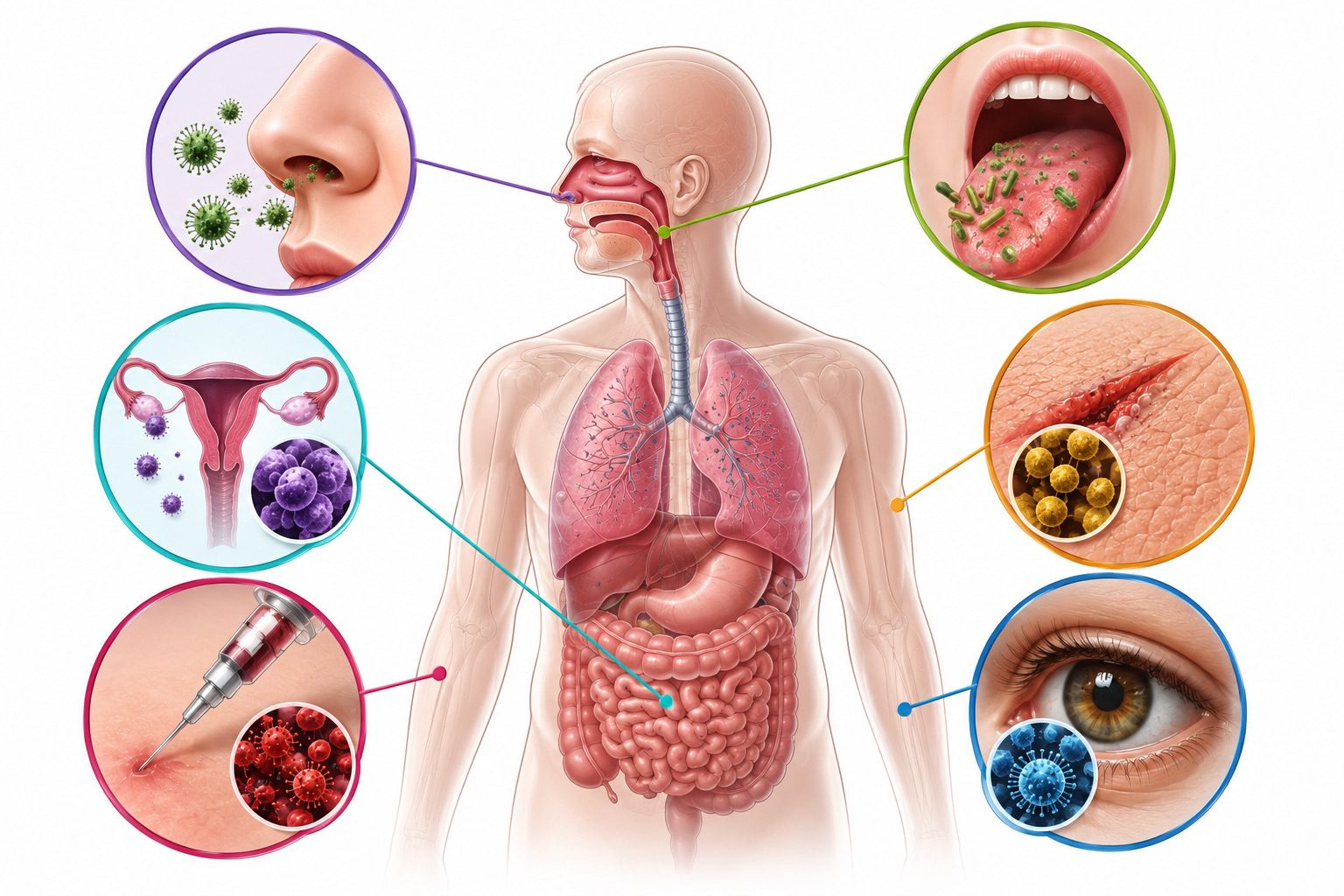
Portal of Entry of Infectious Agents into the Human Body
Infectious diseases remain a major cause of morbidity and mortality worldwide despite significant advances in […]

Hazard Analysis Critical Control Point (HACCP)
Hazard Analysis Critical Control Point (HACCP) is a preventive, science-based food safety management system designed […]

Indicator Organisms
Indicator organisms are microorganisms used as biological markers to assess the microbiological quality, hygienic status, […]
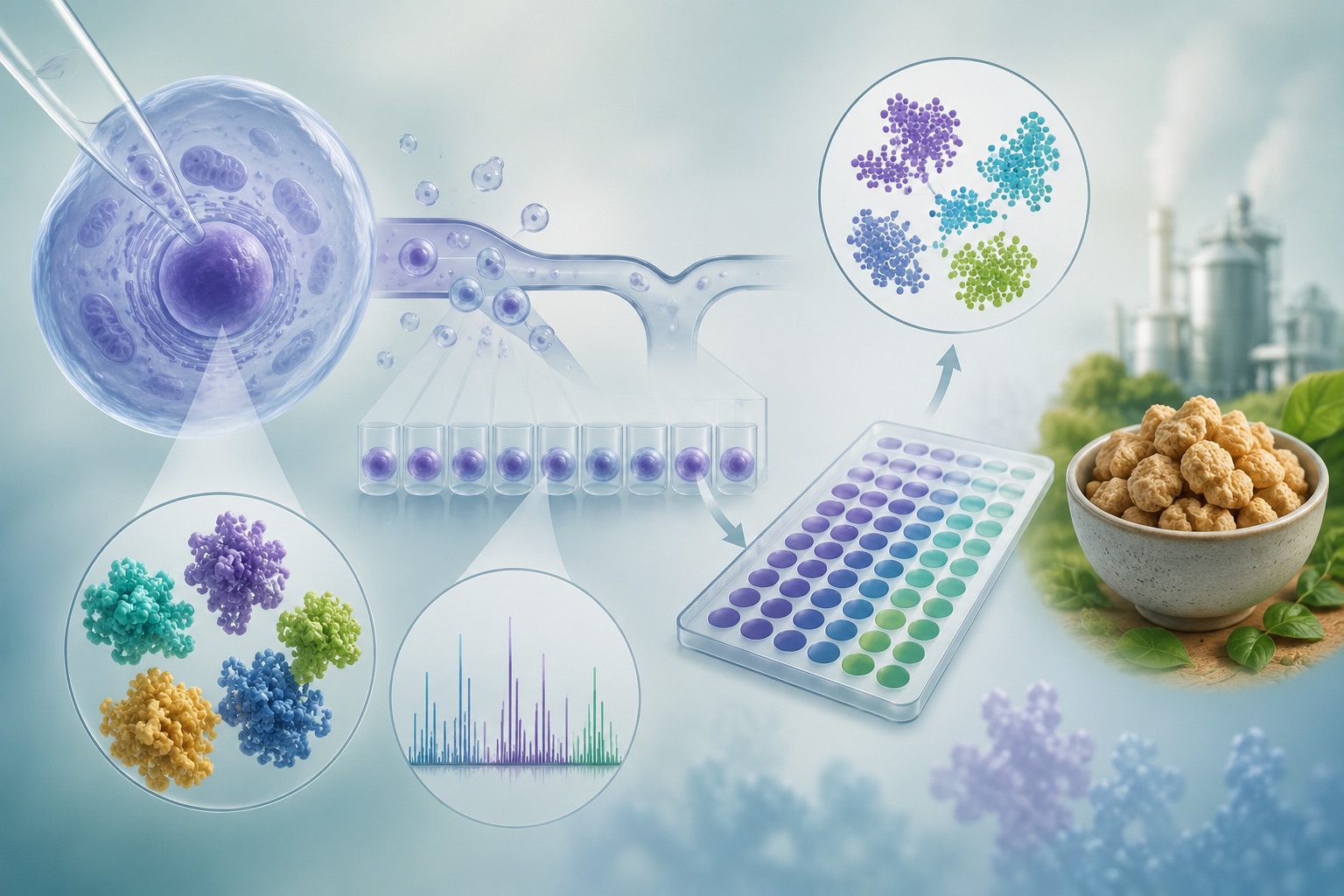
Feeding the Future: How Single Cell Proteins Can Help Solve Global Malnutrition
As the global population races past 8 billion and continues to rise, the urgency to […]
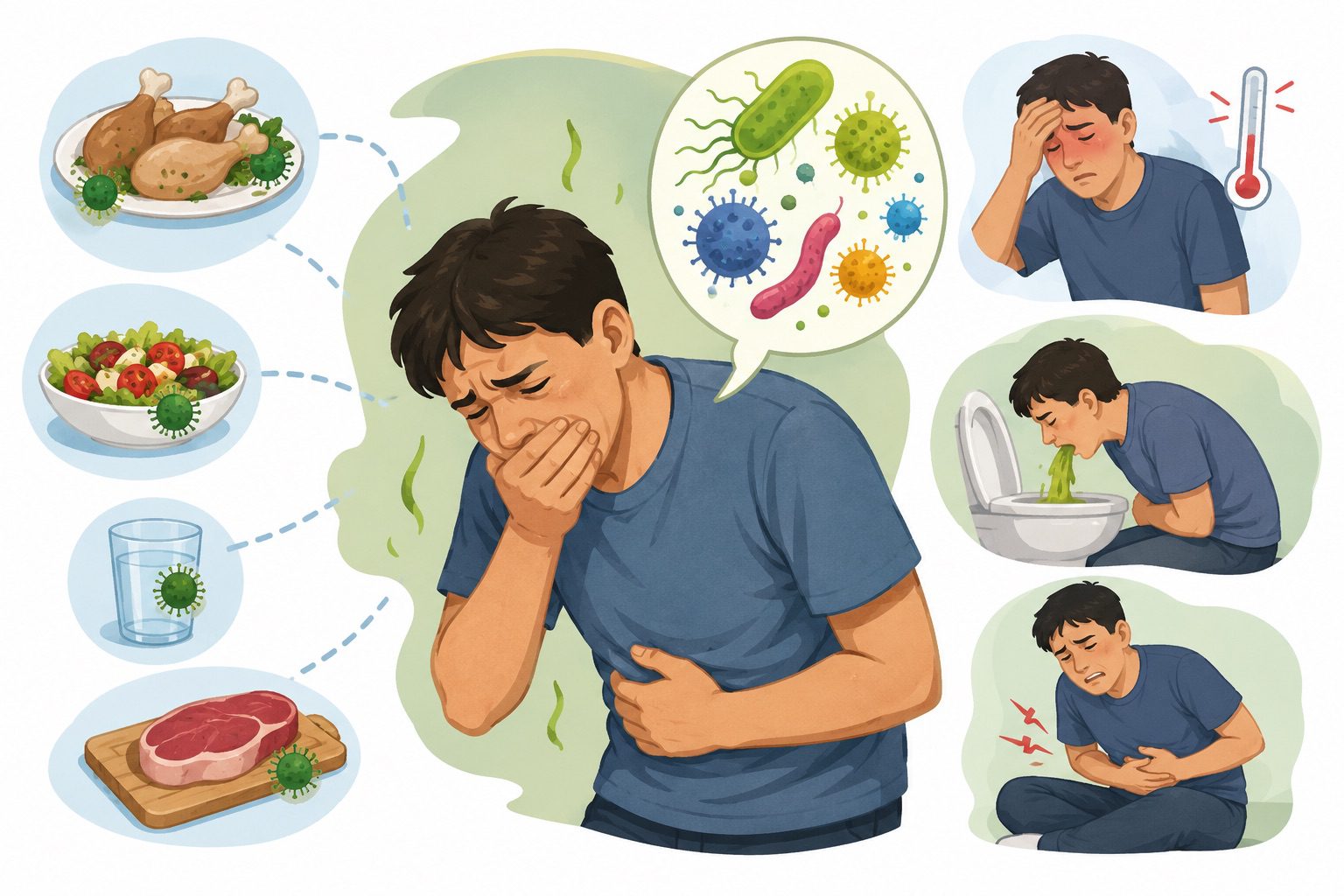
Food Poisoning
Food safety remains one of the most significant public health concerns worldwide. This is because […]
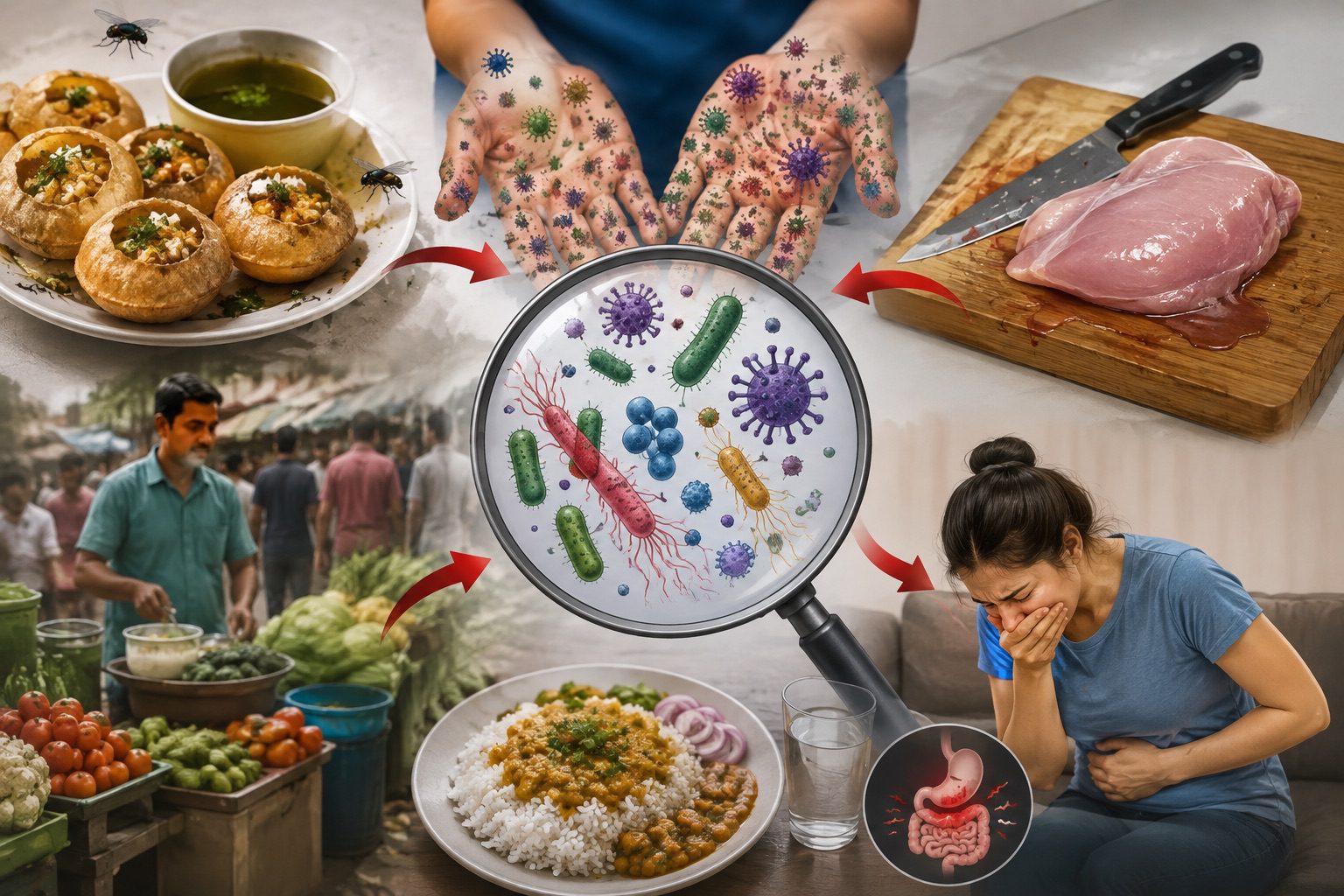
Food Borne Diseases
Food borne diseases represent one of the most significant public health challenges worldwide. It affects […]

Sources of Microbial Contamination of Food
Food is continuously exposed to a wide spectrum of microorganisms throughout its journey from primary […]

Extrinsic Factors of Food Spoilage
Food spoilage is a complex biological and chemical process that results in the deterioration of […]

Intrinsic Factors of Food Spoilage
Food spoilage represents a complex biological and chemical phenomenon that diminishes the safety, nutritional quality, […]

Food Spoilage
Food is a fundamental requirement for human survival. It provides the nutrients and energy necessary […]
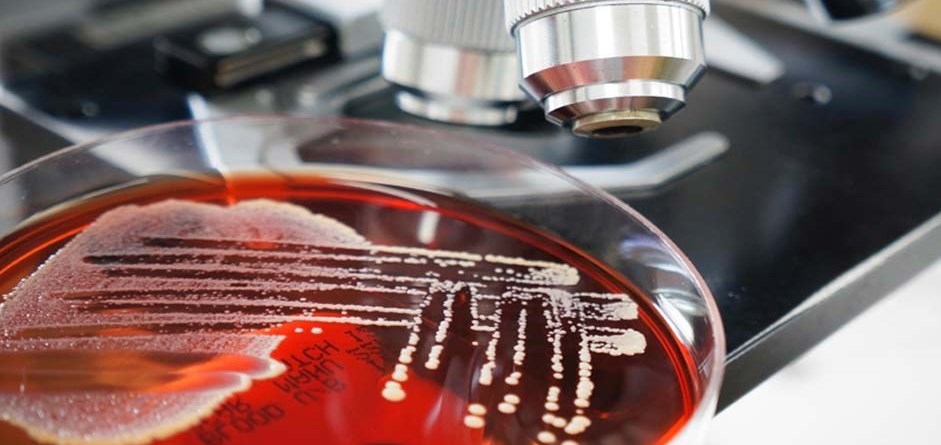
Collection and processing of various clinical samples in the microbiology lab
COLLECTION OF SPUTUM Sputum specimens are collected from patient’s suspected to have respiratory disorders example […]
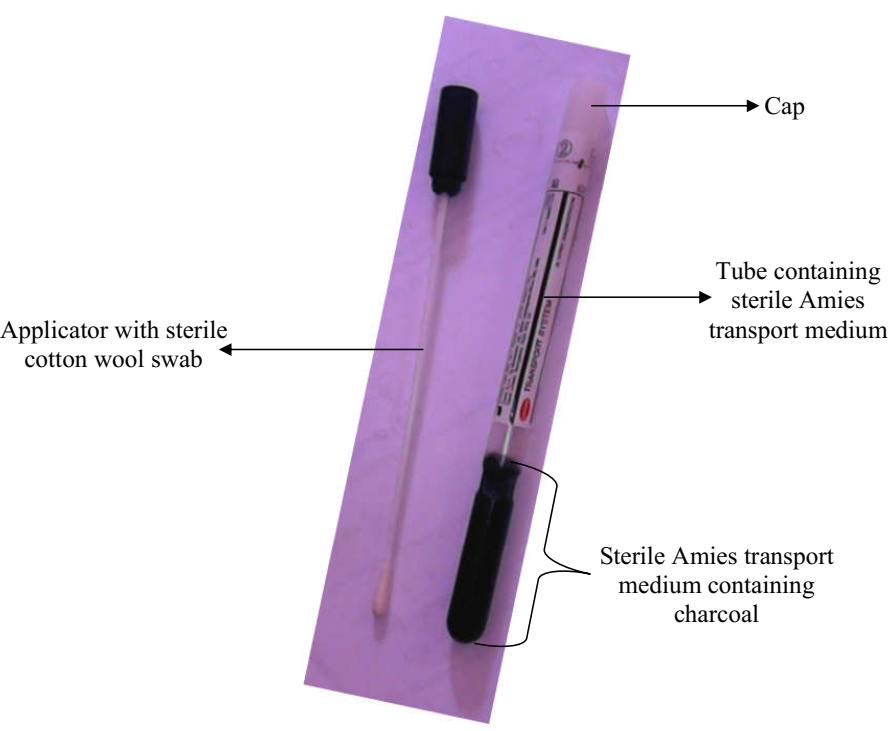
Specimen Collection in Microbiology Lab
The sample collection unit is one of the most important units in the clinical microbiology […]
IMPORTANCE OF MICROORGANISMS
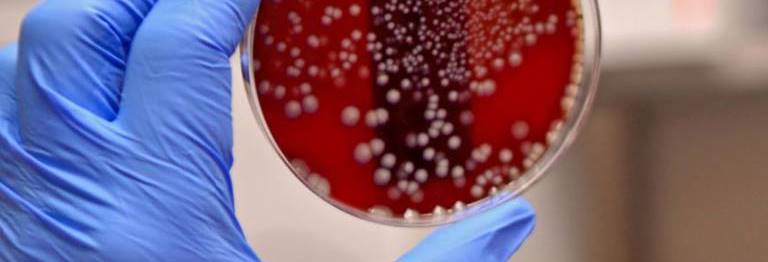
Microorganisms are studied for diverse reasons. These microscopic forms of life play tremendous significant roles […]

IMMUNOGLOBULIN D (IgD)
Immunoglobulin D (IgD) is an antibody with the basic four polypeptide structure of an immunoglobulin […]

IMMUNOGLOBULIN G (IgG): Structure, Function, and Clinical Significance
Structural Characteristics and Molecular Properties Immunoglobulin G (IgG) is a monomeric antibody that represents the […]
IMMUNOGLOBULIN E (IgE)
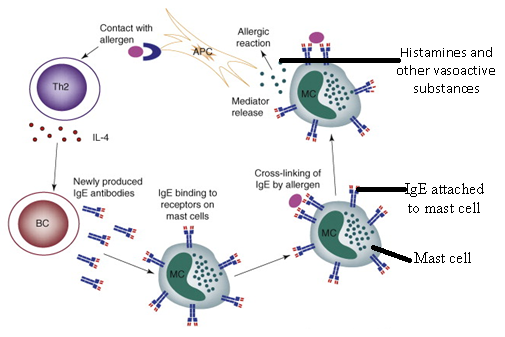
Immunoglobulin E (IgE) is an antibody that is known to bind to host tissue cells […]
IMMUNOGLOBULIN M (IgM)
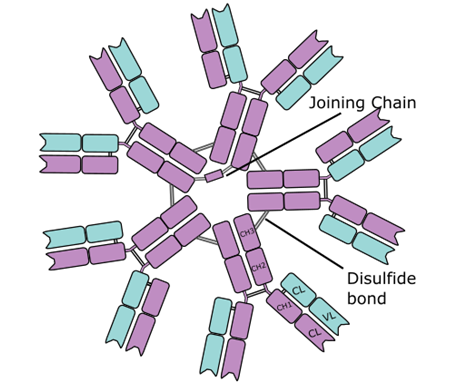
Immunoglobulin M (IgM) is an antibody that mainly exist as a pentamer i.e. it consists […]

COLOSTRUM
Colostrum is the first secretion of the mammary gland (breast) produced before proper lactation commences […]
Immunoglobulin A (IgA)
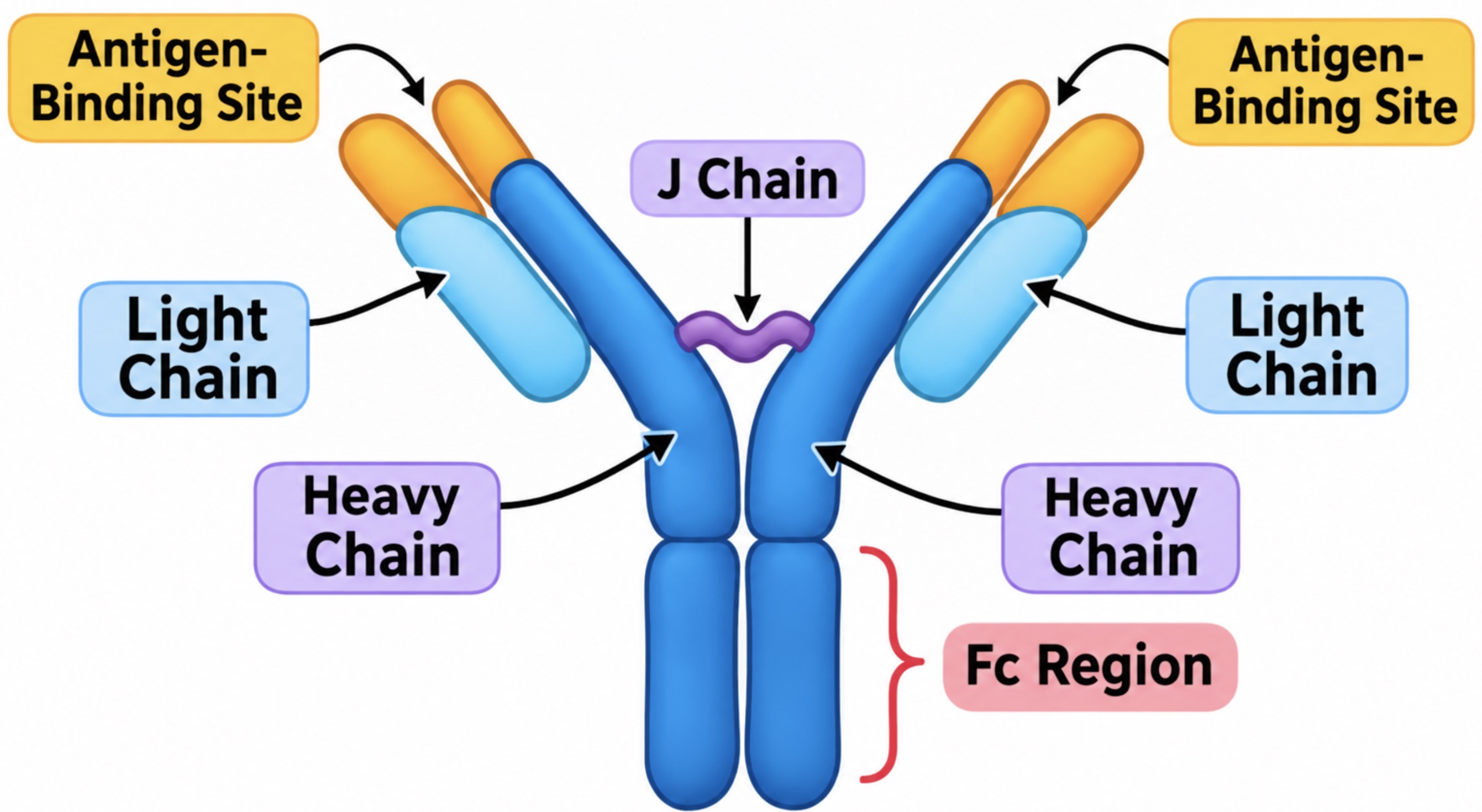
Immunoglobulin A (IgA) is a specialized glycoprotein antibody that plays a fundamental role in the […]

Classes or Types of Immunoglobulins (Antibodies)
Immunoglobulins (Igs) are specialized glycoproteins produced by plasma cells following the activation and differentiation of […]
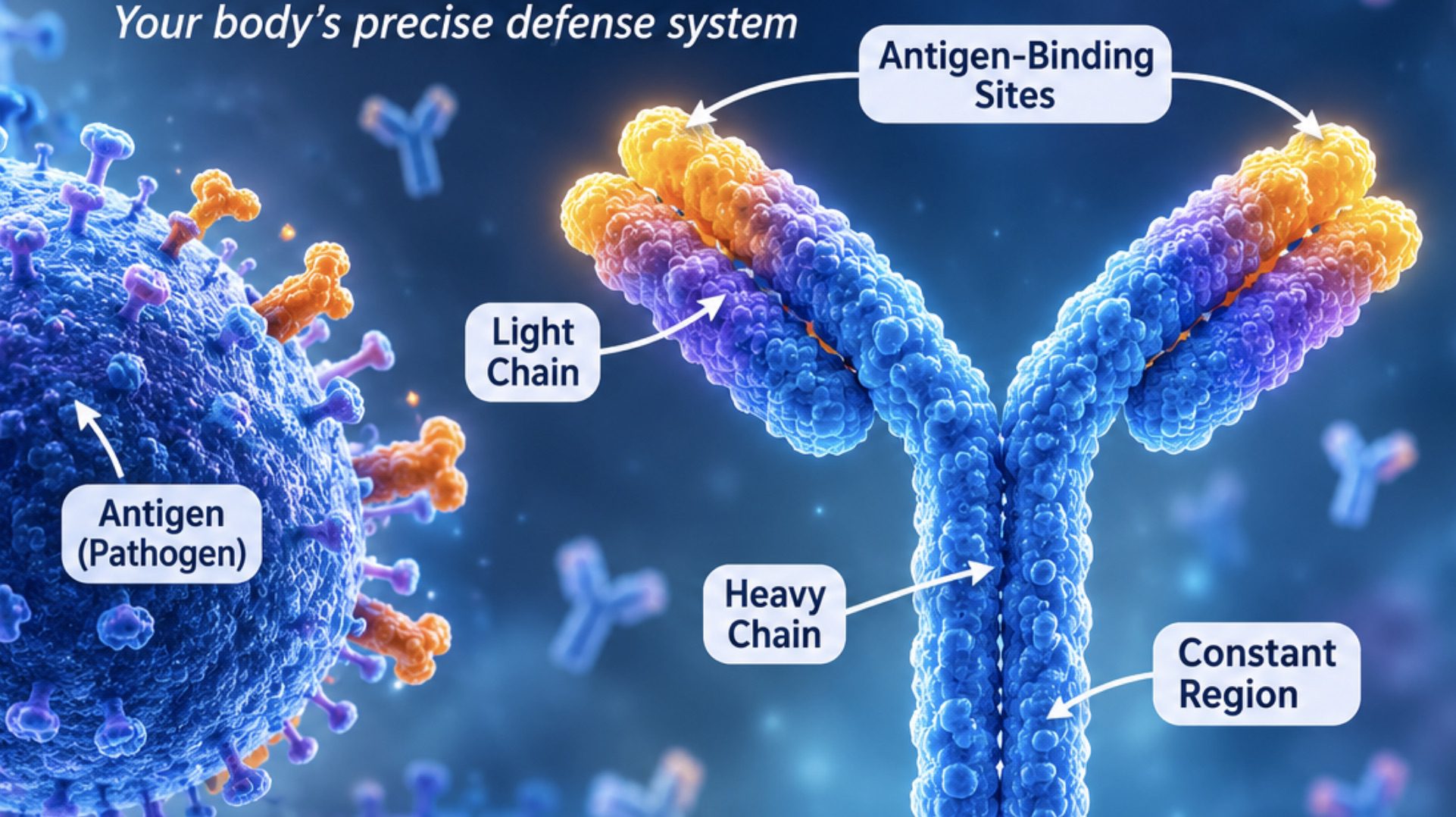
Antibodies (Immunoglobulins) and Mechanism of Production
Antibodies, scientifically known as immunoglobulins (Igs), are specialised glycoproteins that constitute a fundamental component of […]
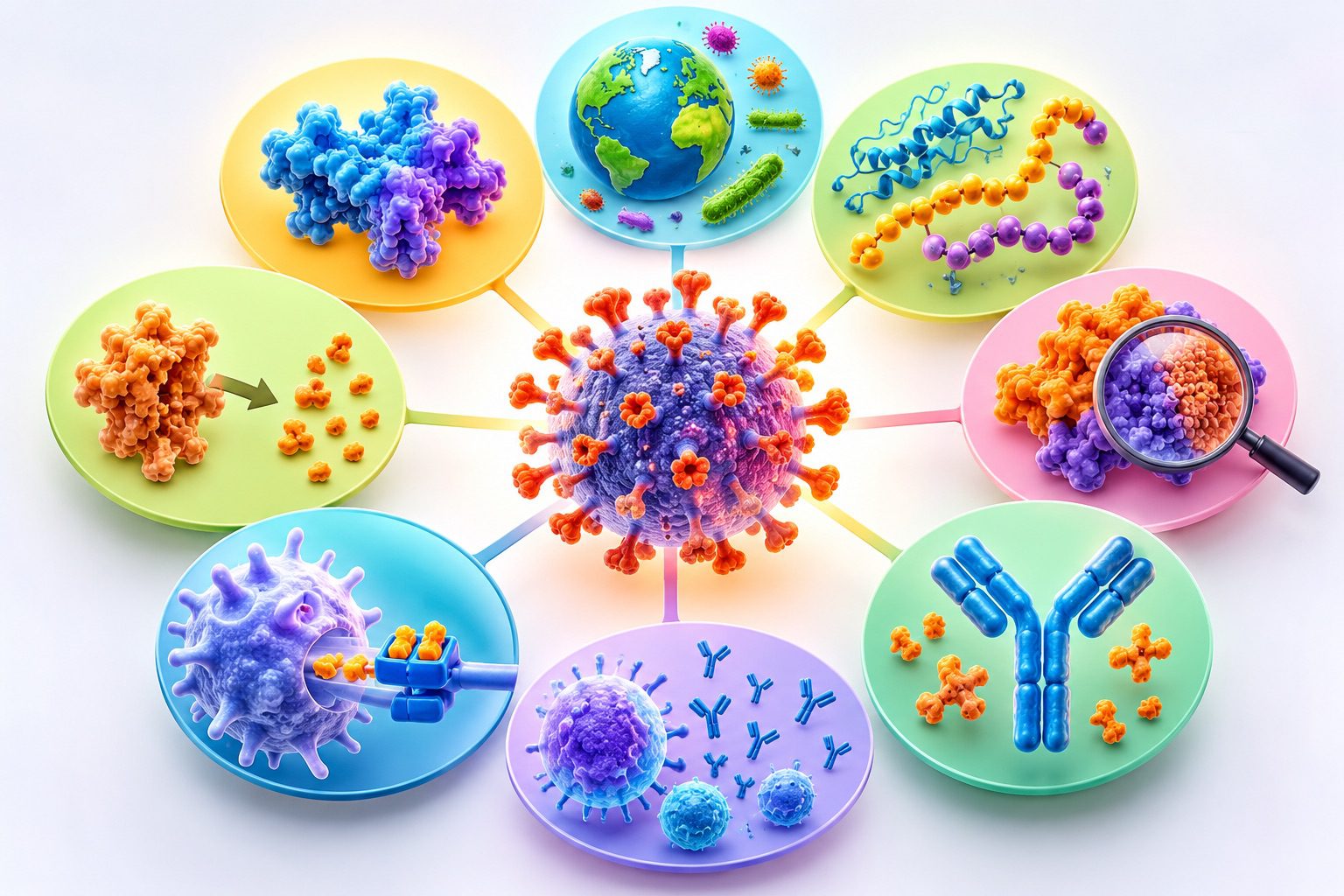
Characteristics of Antigens
The human body is constantly exposed to a wide range of biological and environmental substances […]

Care of the Microscope: How to Properly Care for and Maintain a Microscope
The microscope is one of the most indispensable instruments in microbiology and biomedical science. Its […]