
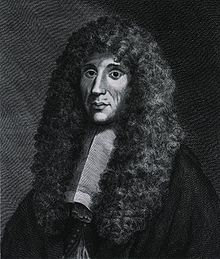
Francesco Redi, an Italian scientist was the first scientist to challenge the theory of spontaneous […]
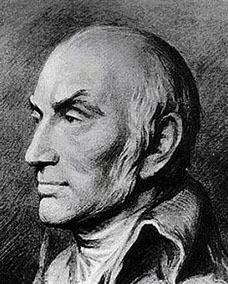
NICOLAS APPERT (1749-1841)
Nicolas Appert, a French chef and a confectioner is the “father of canning”, and was […]
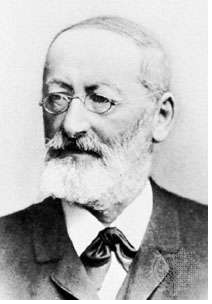
FERDINAND J. COHN (1828-1898)
Ferdinand Cohn, a German biologist was born in Breslau (now in Poland). Cohn was the […]
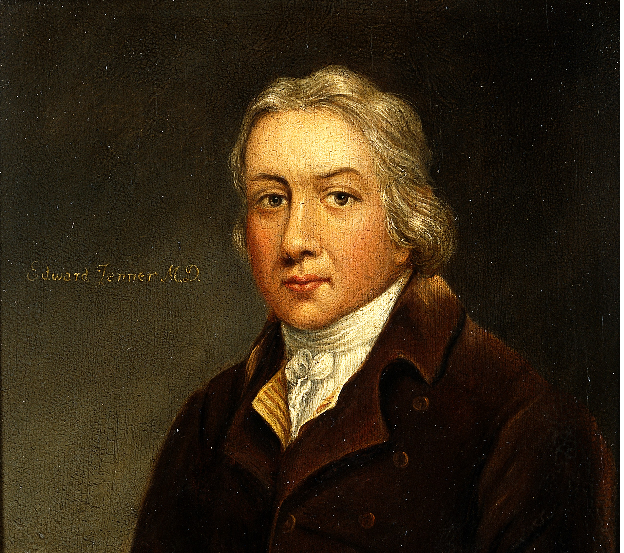
EDWARD JENNER (1749-1823)
Edward Jenner was the pioneer of the dreaded smallpox vaccination and also the father of […]
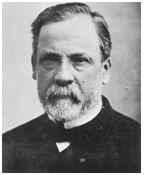
LOUIS PASTEUR (1822-1895)
Louis Pasteur, a French scientist was the first to report the role of microorganisms in […]
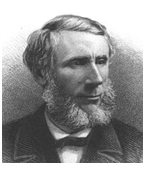
JOHN TYNDALL (1820-1883)
One of the traditional arguments against abiogenesis was the claim that the heat used to […]
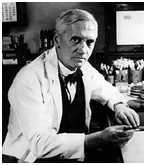
ALEXANDER FLEMING (1881-1955)
Alexander Fleming, a Scottish born physician who spent most of his time studying bacteria discovered […]
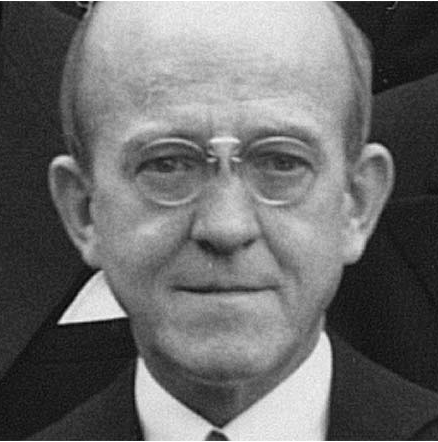
AVERY OSWALD (1877-1955)
Avery Oswald was a Canadian-born American physician and medical researcher who provided the molecular explanation […]
HANS CHRISTIAN JOACHIM GRAM (1853-1938)
Hans Gram developed a microbiological technique which is still used today in clinical microbiology practice […]
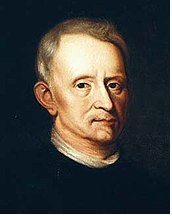
ROBERT HOOKE (1635-1703)
Robert Hooke was the first scientist to study and record living cells using the microscope. […]
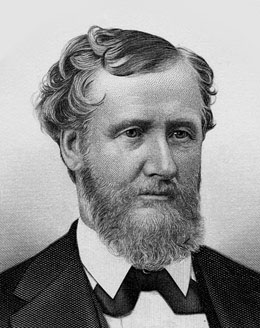
JOHN NEEDHAM (1713-1781)
John Needham is the English scientist who performed experiments on spontaneous generation or abiogenesis in […]

ANTHONY VAN LEEUWENHOEK (1632-1723)
Anthony Van Leeuwenhoek was a Dutch scientist and tradesman who did a part time job […]
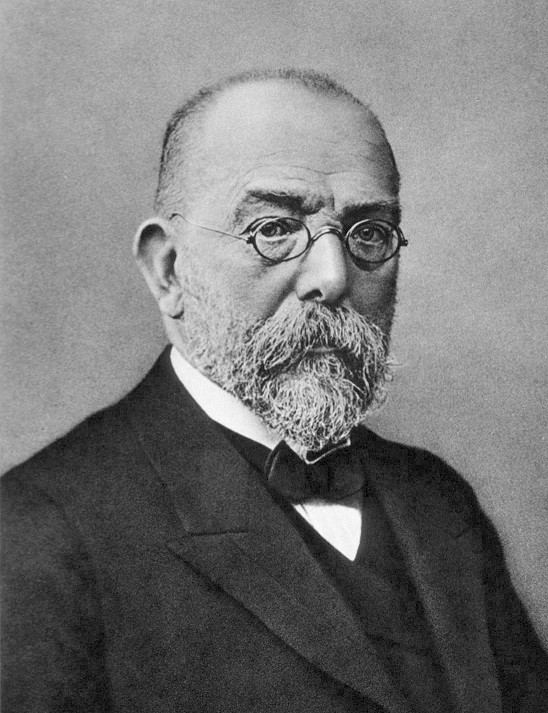
ROBERT KOCH (1843-1910)
Robert Koch, a German scientist was the first medical microbiologist. Koch was also the first […]
Historical Perspectives of Microbiology
Microbiology as a field in the biological sciences saw the light of the day because […]

SIGNIFICANCE OF BIODETERIORATION/BIODEGRADATION
Microorganisms are ubiquitous and they play several roles in the degradation of recalcitrant organic and […]
MICROBIAL DISEASES TRANSMISSIBLE THROUGH THE SOIL
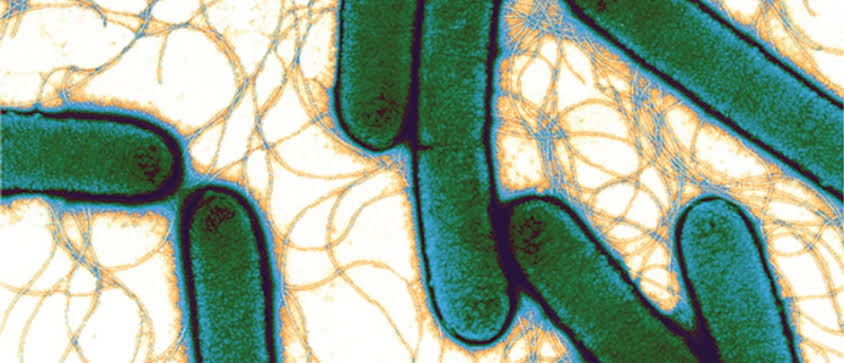
Microorganisms are ubiquitous and are thus found everywhere including the soil. The soil no doubt […]
HOST-PARASITE RELATIONSHIPS (MICROBIAL ASSOCIATIONS)
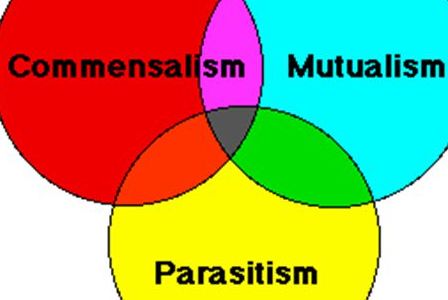
A host-parasite relationship is an association that exists between two organisms known as the host […]
Environmental Microbiology
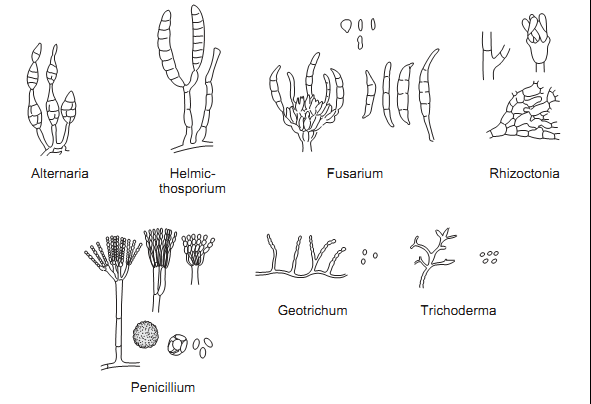
Environmental microbiology is the study of microbial processes in the environment, microbial communities and microbial […]
OUTPUT OF ANTIMICROBIAL DRUG SUSCEPTIBILITY TESTING
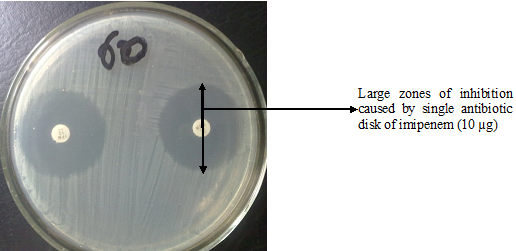
The output of an antimicrobial drug susceptibility test is often expressed as raw data which […]
Overview of antimicrobial susceptibility testing (AST) / Antibiogram
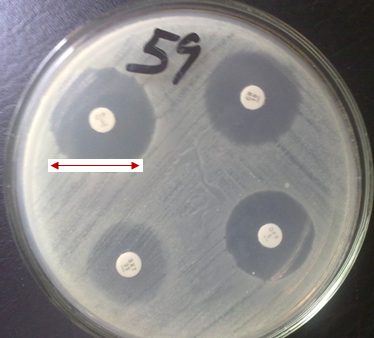
When a pathogenic microorganism is isolated from the specimen of a patient, the clinical microbiology […]
Cephalosporins
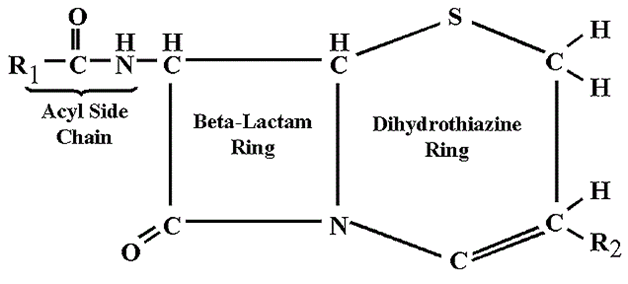
Cephalosporins are a major class of beta-lactam antibiotics widely used in the prevention and treatment […]
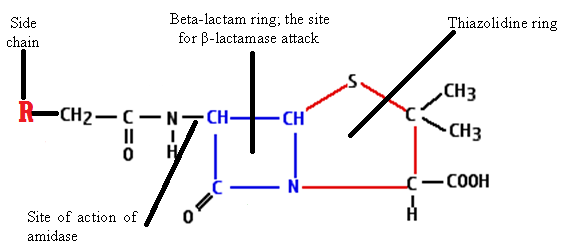
Penicillins
Penicillins are a class of β-lactam antibiotics that interfere with bacterial cell wall biosynthesis. They […]
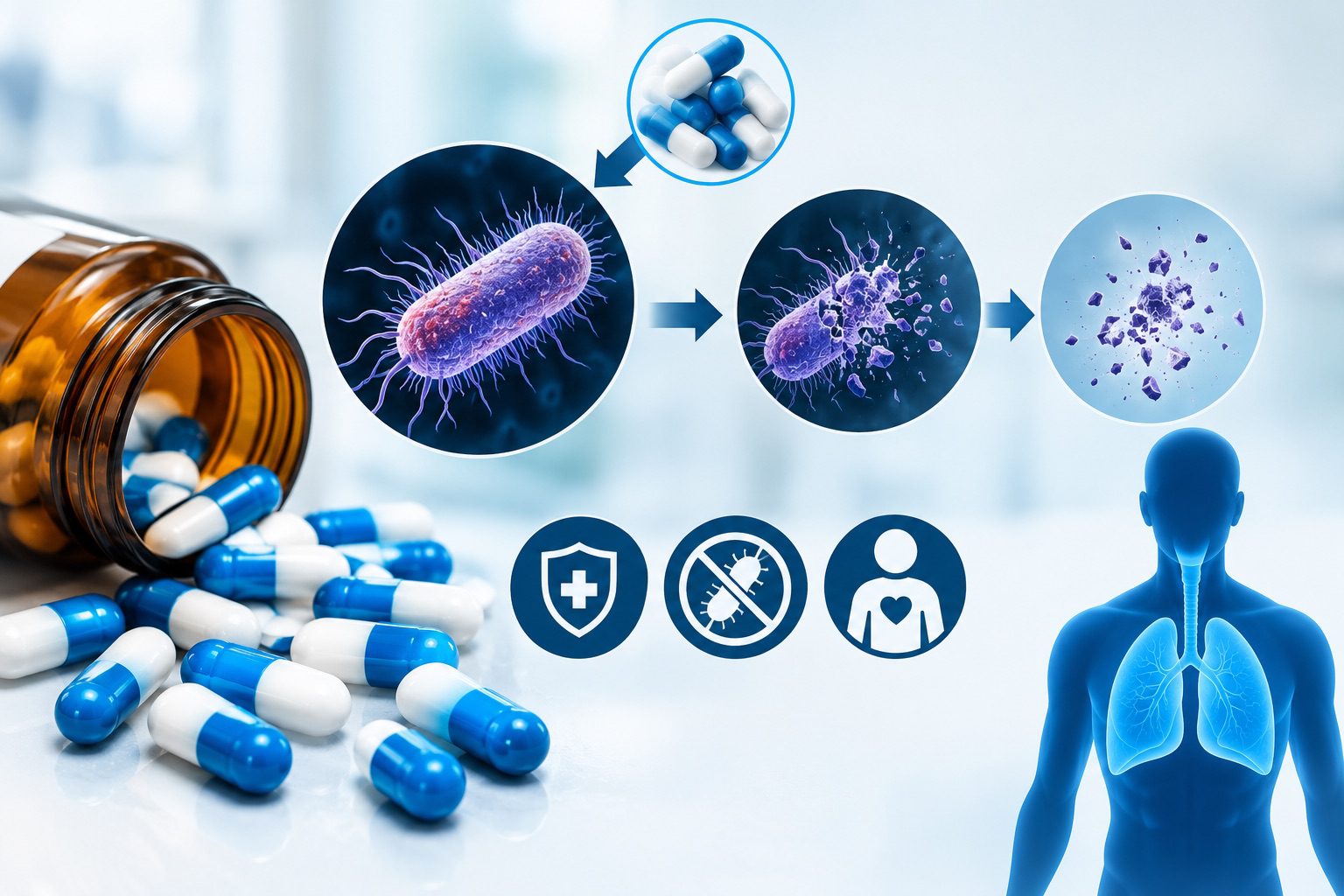
Classification of Antibiotics Based on Spectrum of Activity and Mechanism of Action
Antibiotics constitute one of the most consequential groups of therapeutic agents in modern medicine. Its […]
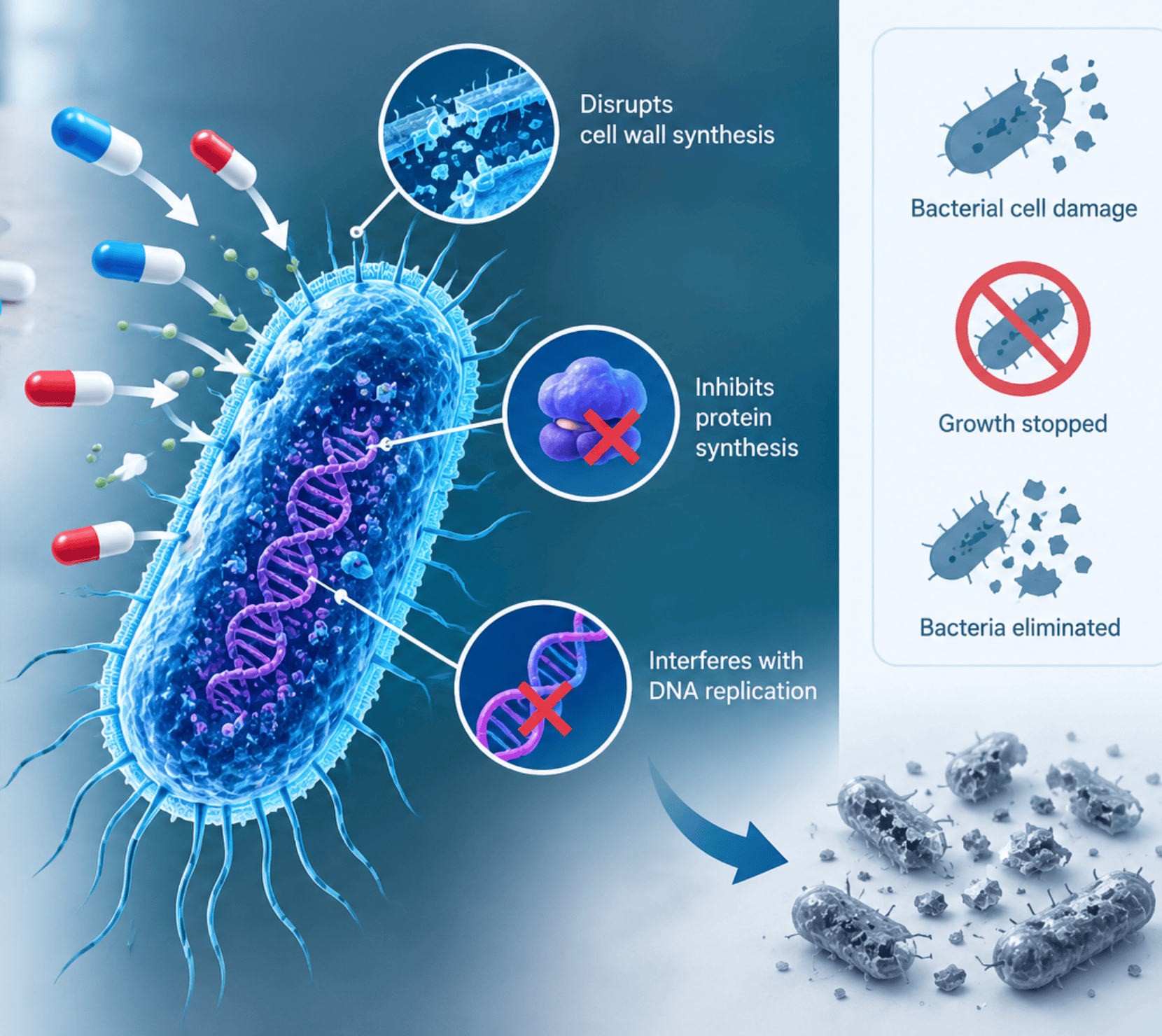
Antibiotics as Selective Inhibitory Agents in Culture Media
Selective culture media are fundamental tools in microbiology because they create controlled nutritional and chemical […]
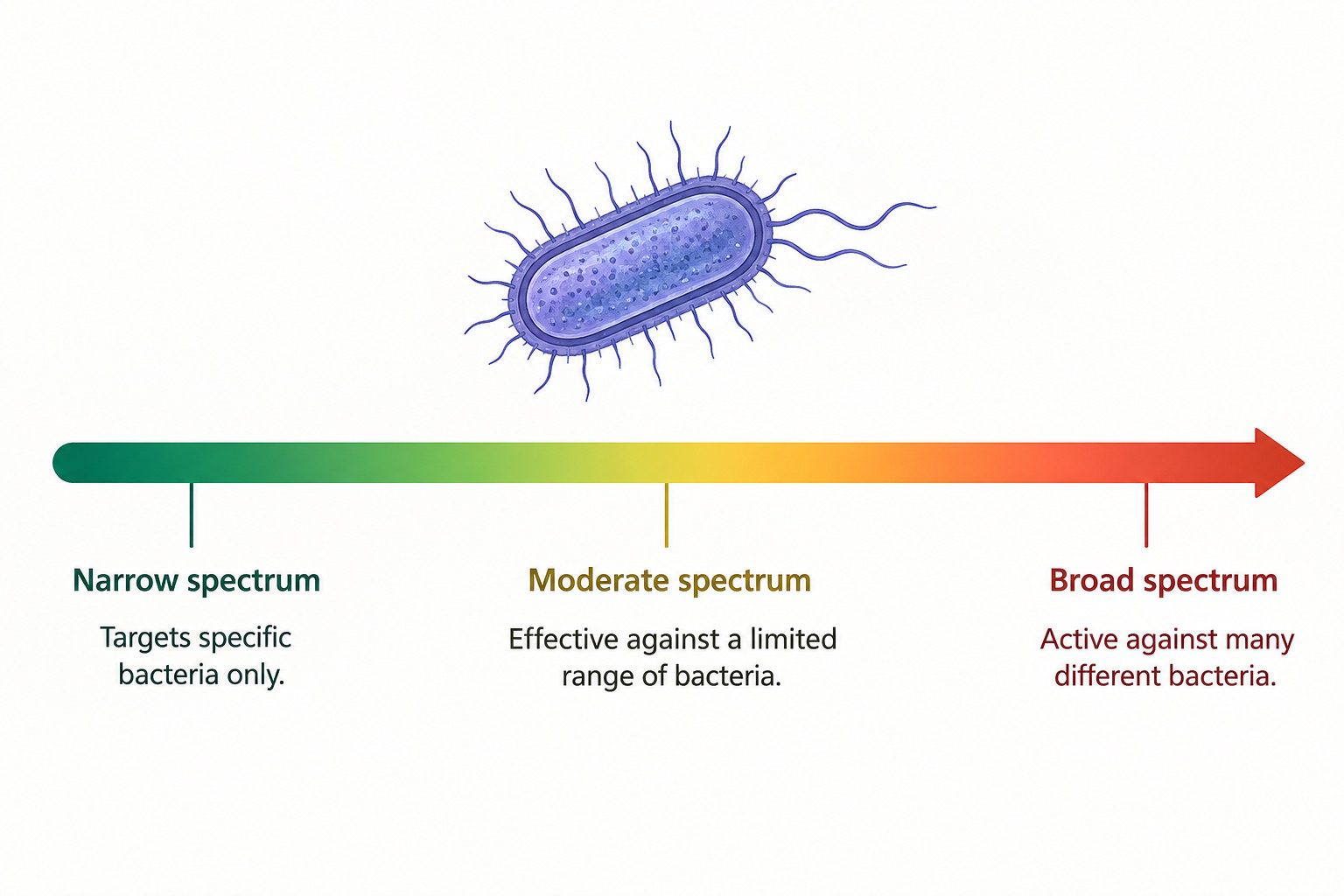
Spectrum of Activity and Therapeutic Index of Antibacterial Agents
The spectrum of activity is a fundamental pharmacological characteristic that describes the range of bacterial […]
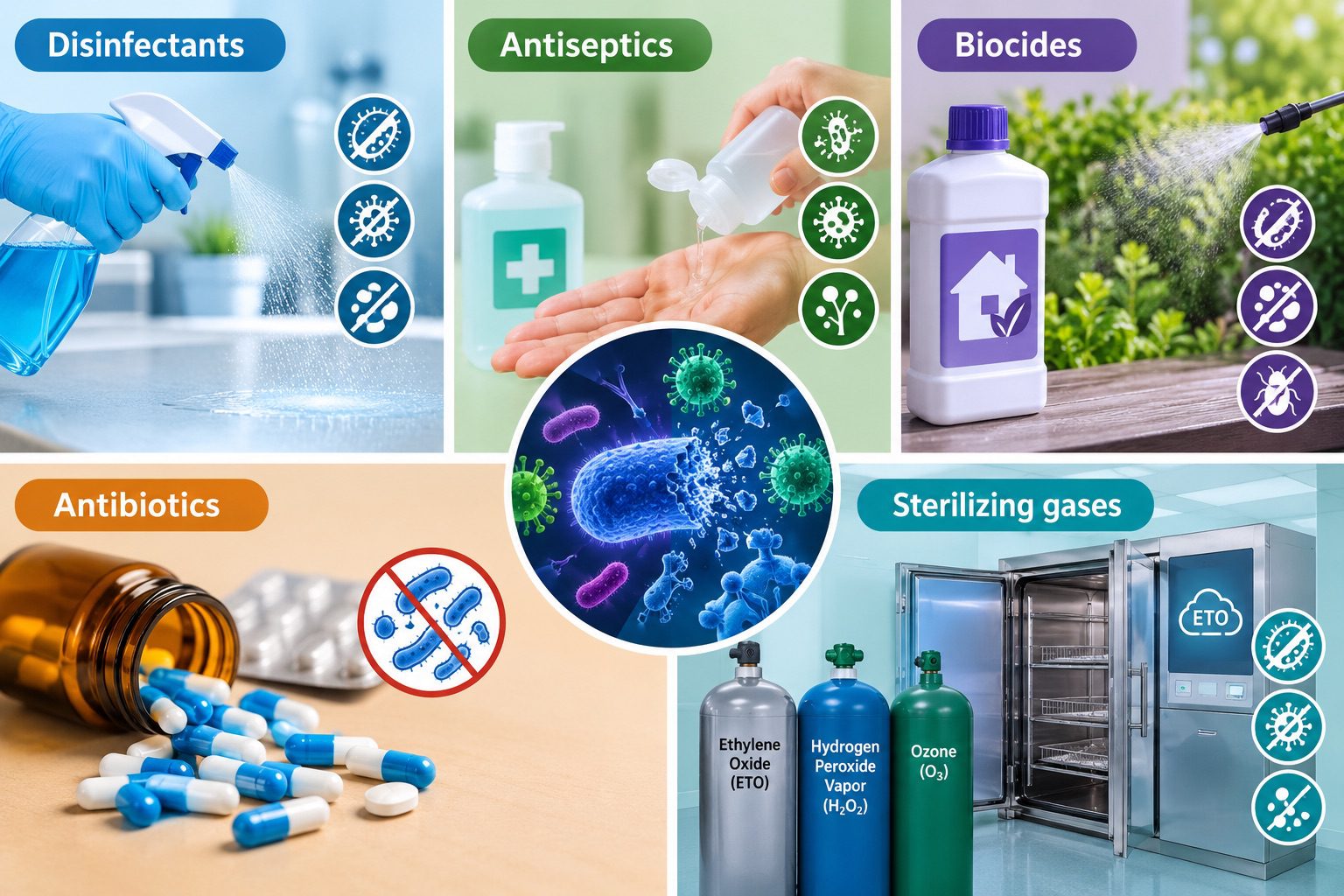
Antimicrobial Agents: Classification, Types, and Applications
Microorganisms occupy virtually every biological niche, where they contribute to ecological processes, food systems, biotechnology, […]
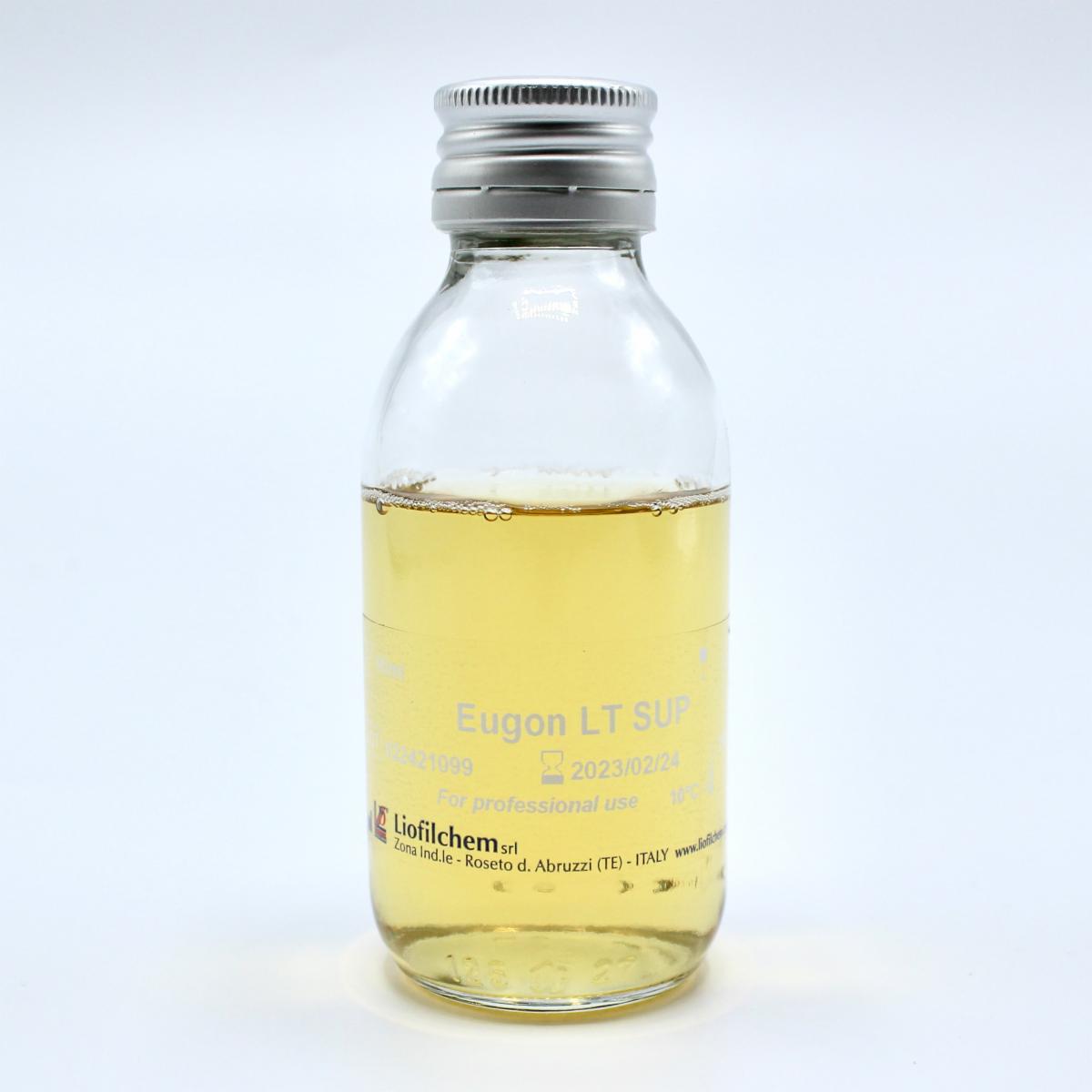
Eugon LT SUP Medium
Eugon LT Sup is a nutritious (broth) medium for detecting and enumerating microorganisms in cosmetics. […]
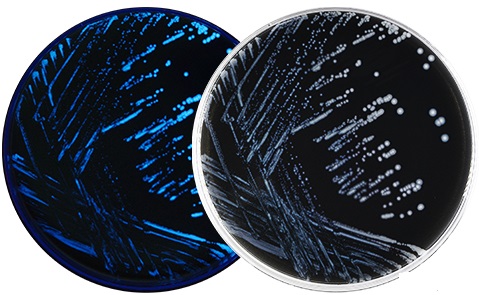
Buffered Charcoal Yeast Extract (BCYE) Agar
Buffered Charcoal Yeast Extract (BCYE) Agar is used for primary isolation and cultivation of Legionella pneumophila […]
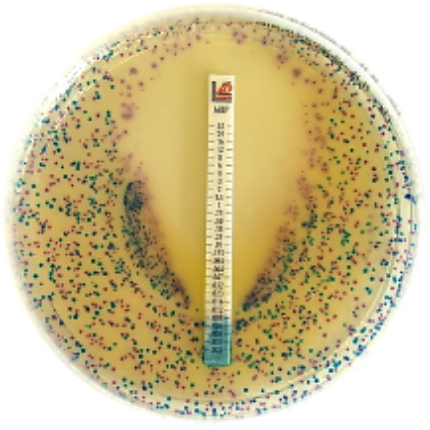
Chromogenic culture media for detecting antimicrobial resistance mechanisms
Chromatic Super CAZ/AVI Chromogenic medium for detecting Ceftazidime-avibactam resistant Gram-negative bacteria. Chromatic Super CAZ/AVI is […]
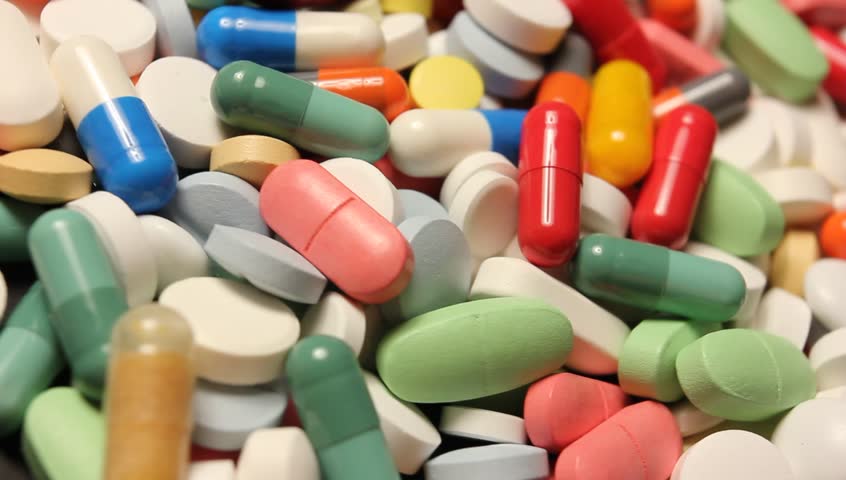
Classes of Antibiotics
Antibiotics are an important group of antimicrobial medicines developed to prevent and treat infections caused […]
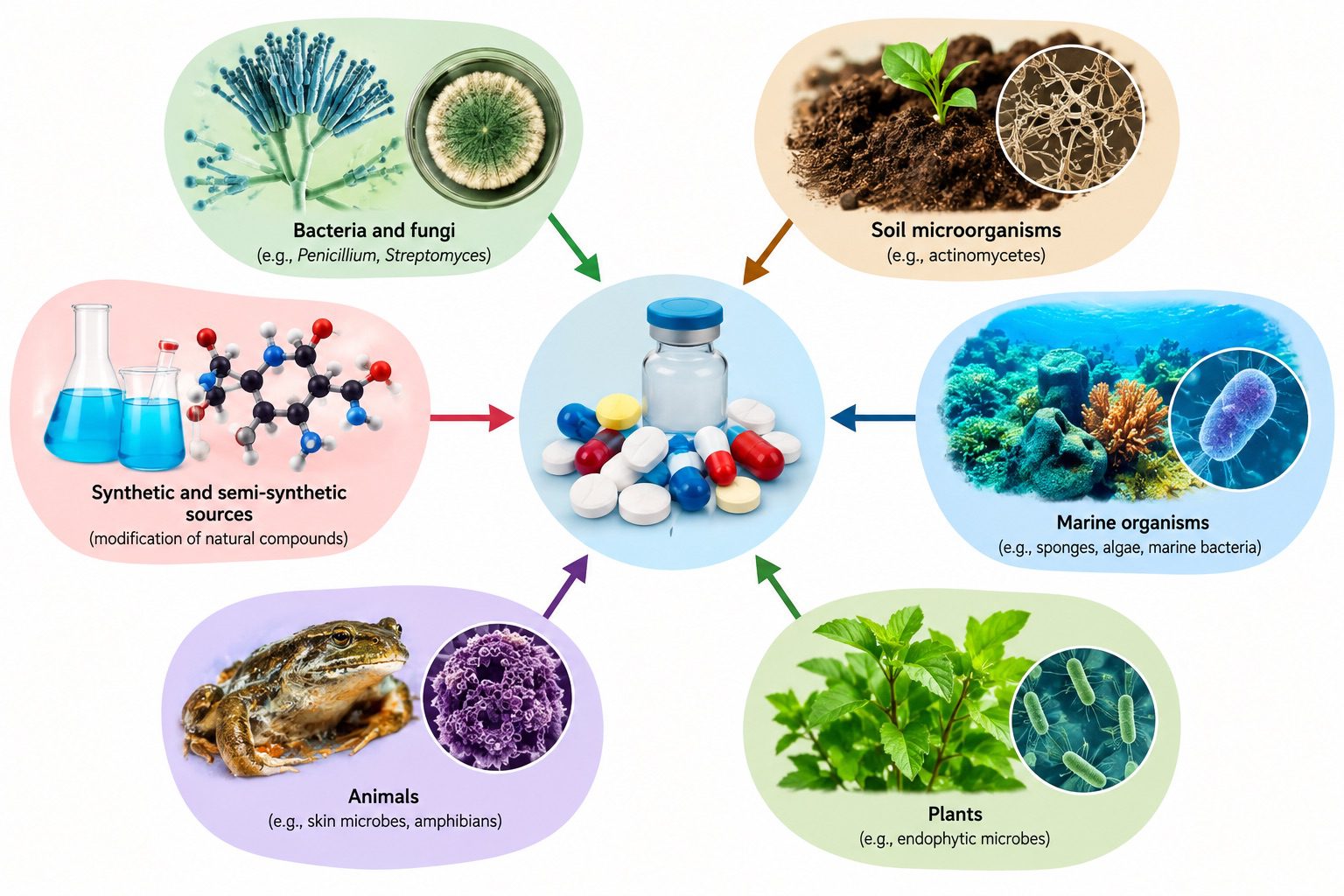
Sources of Antibiotics
Long before the emergence of modern medicine, ancient civilizations relied on naturally occurring substances to […]

History and Evolution of Antibiotics
The history of antibiotics represents one of the most consequential developments in science and medicine. […]
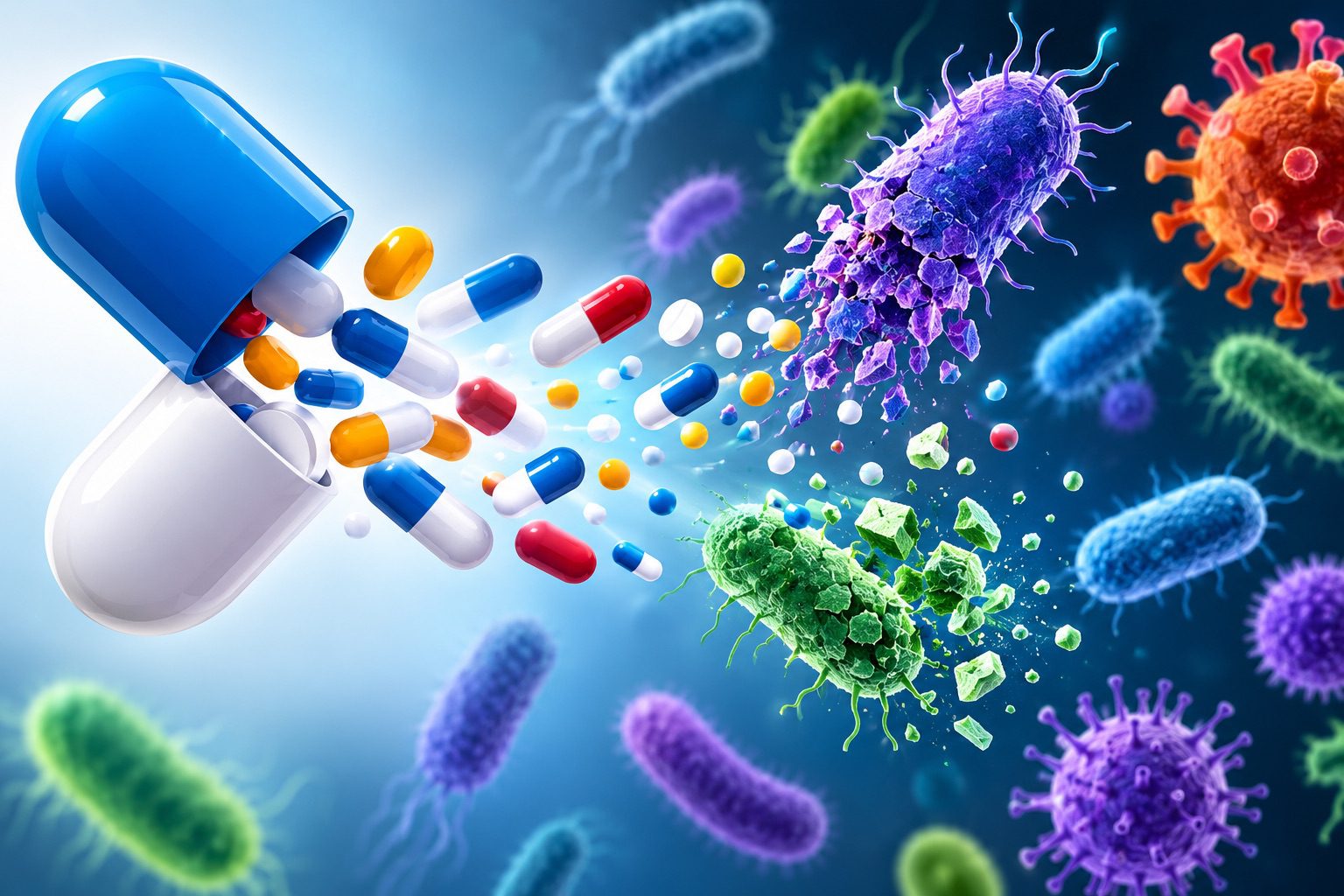
Antibiotics: Definition, Characteristics, and Therapeutic Uses
There is no universally accepted definition of an antibiotic, largely because the concept has evolved […]
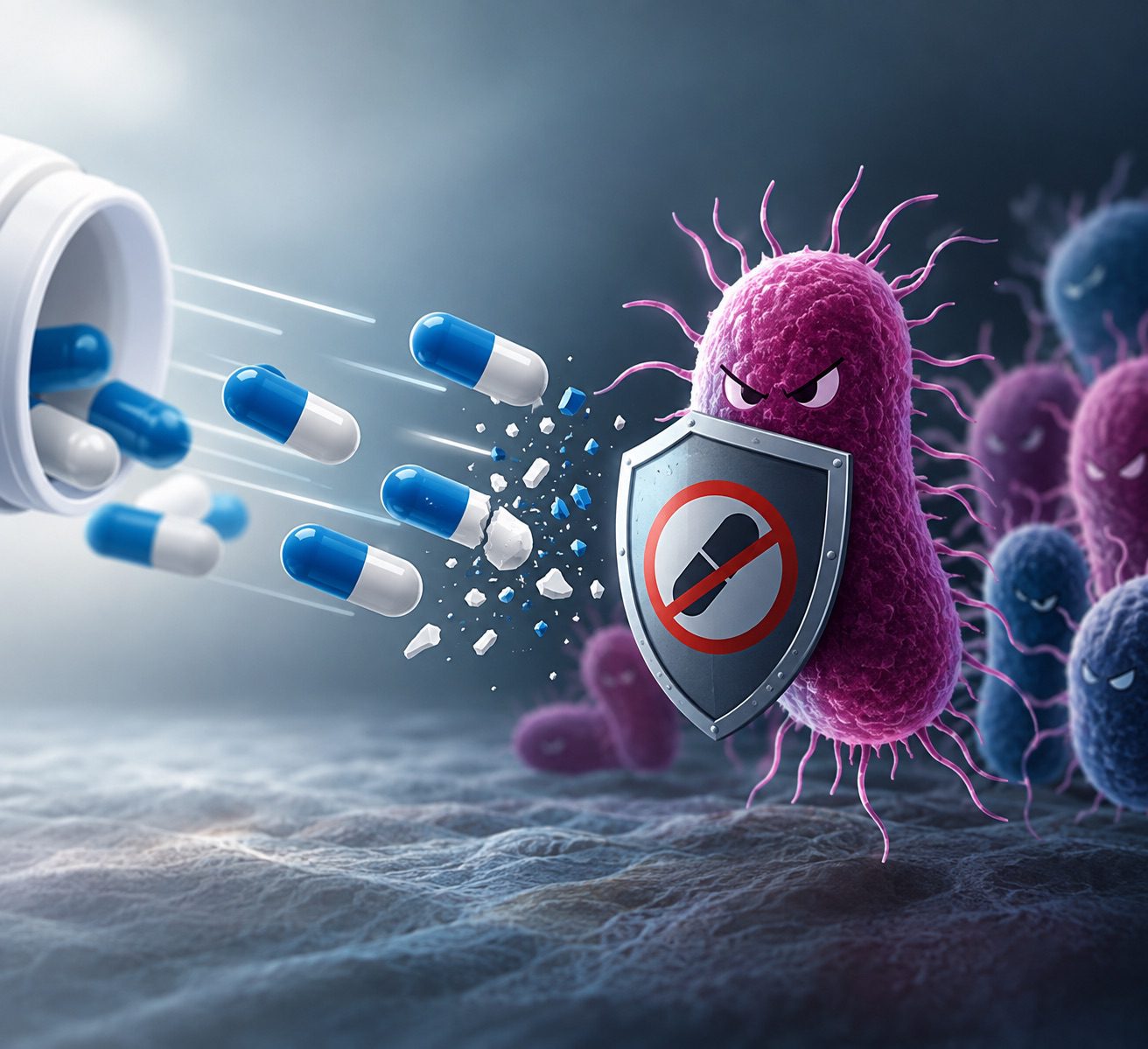
Antibiotic Resistance and Antimicrobial Resistance (AMR)
Antimicrobial resistance (AMR) refers to the ability of microorganisms to survive or continue multiplying despite exposure […]
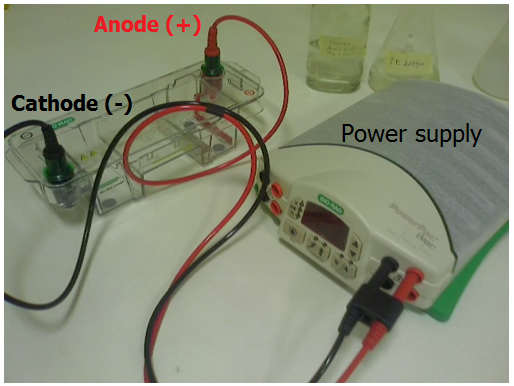
GEL ELECTROPHORESIS TECHNIQUE
The term “electrophoresis” refers to the movement of a solid particle (e.g. nucleic acids) through […]
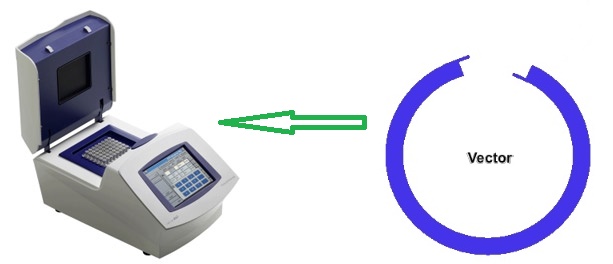
Introduction to Recombinant DNA (rDNA) Technology / Genetic Engineering
Recombinant DNA (rDNA) technology or genetic engineering is the in vitro controlled manipulation of nucleic […]
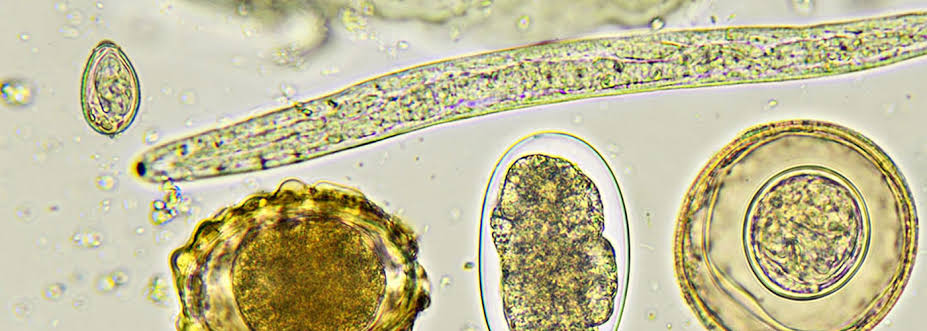
Introduction to Parasitology
Parasitology is the study of parasites and their interaction with other organisms (i.e. their hosts). […]
PUBLIC HEALTH AND PARASITIC DISEASES
Public health is a branch of medical sciences that primarily deals with the surveillance, control, […]
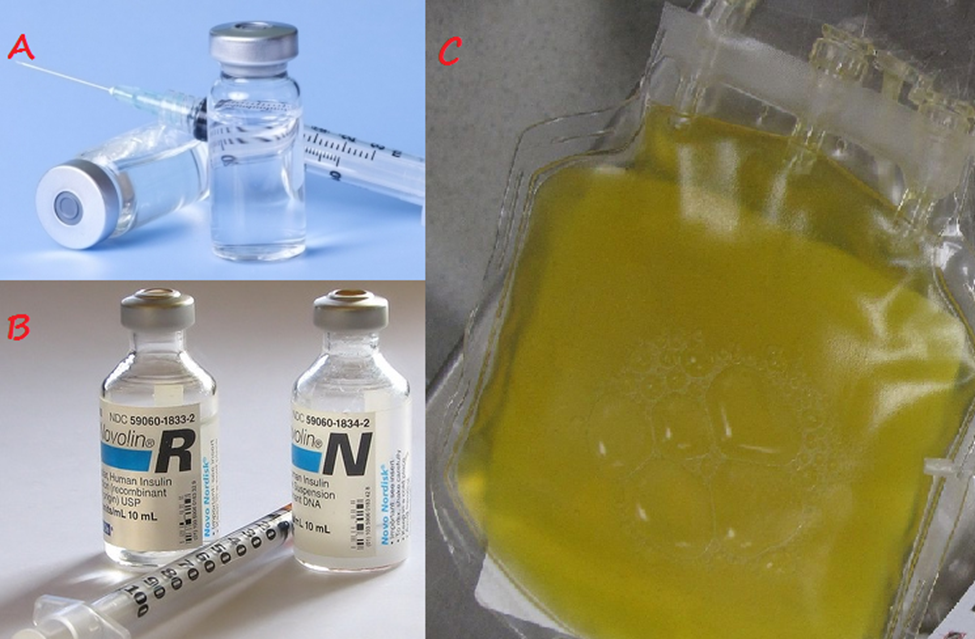
Sterility Tests of Biological Products
The phrase sterility simply means the absence of living organisms including bacteria, fungi, viruses, protozoa […]
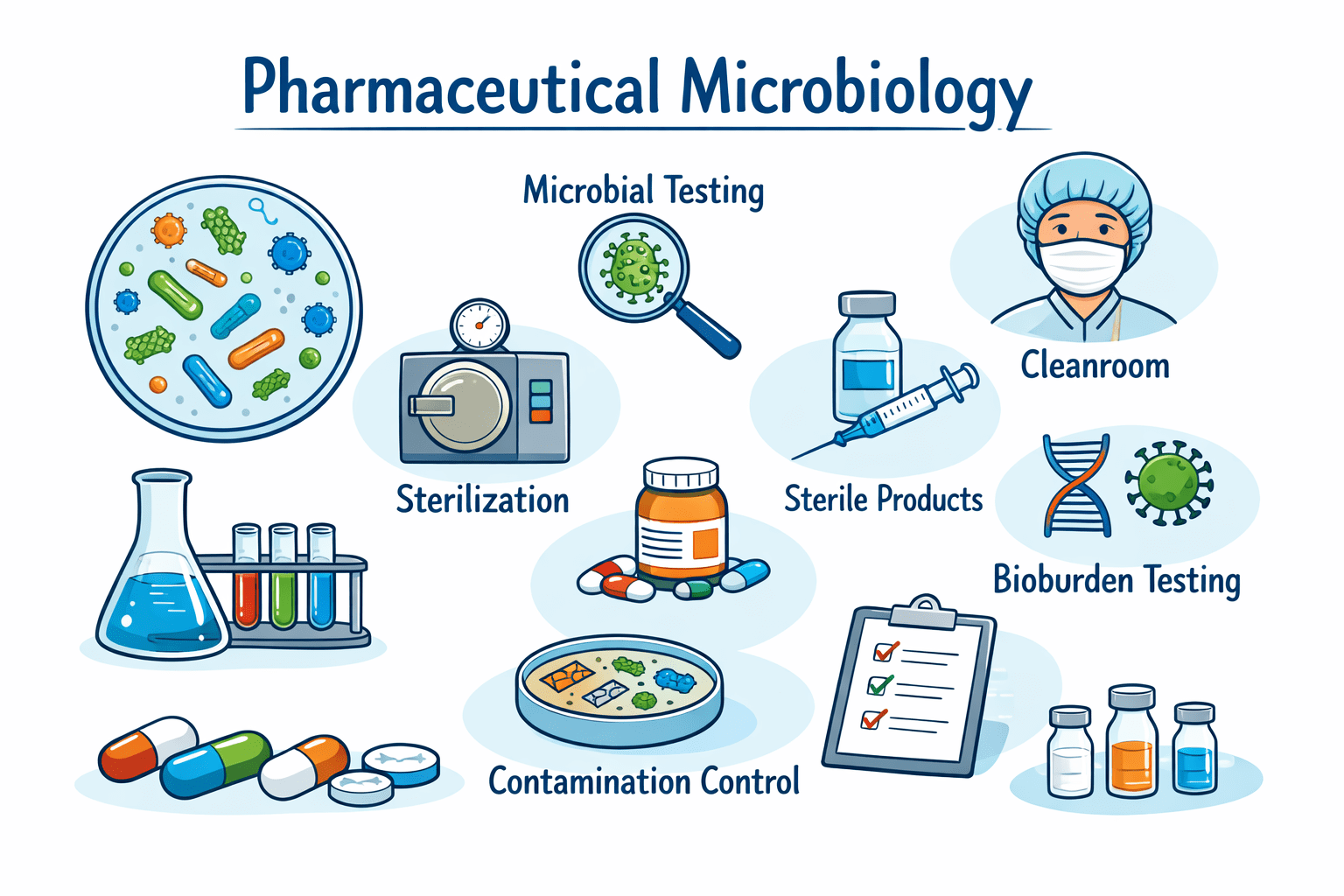
Introduction to Pharmaceutical Microbiology
Pharmaceutical microbiology is the branch of microbiology that focuses on all aspects of pharmacy especially […]
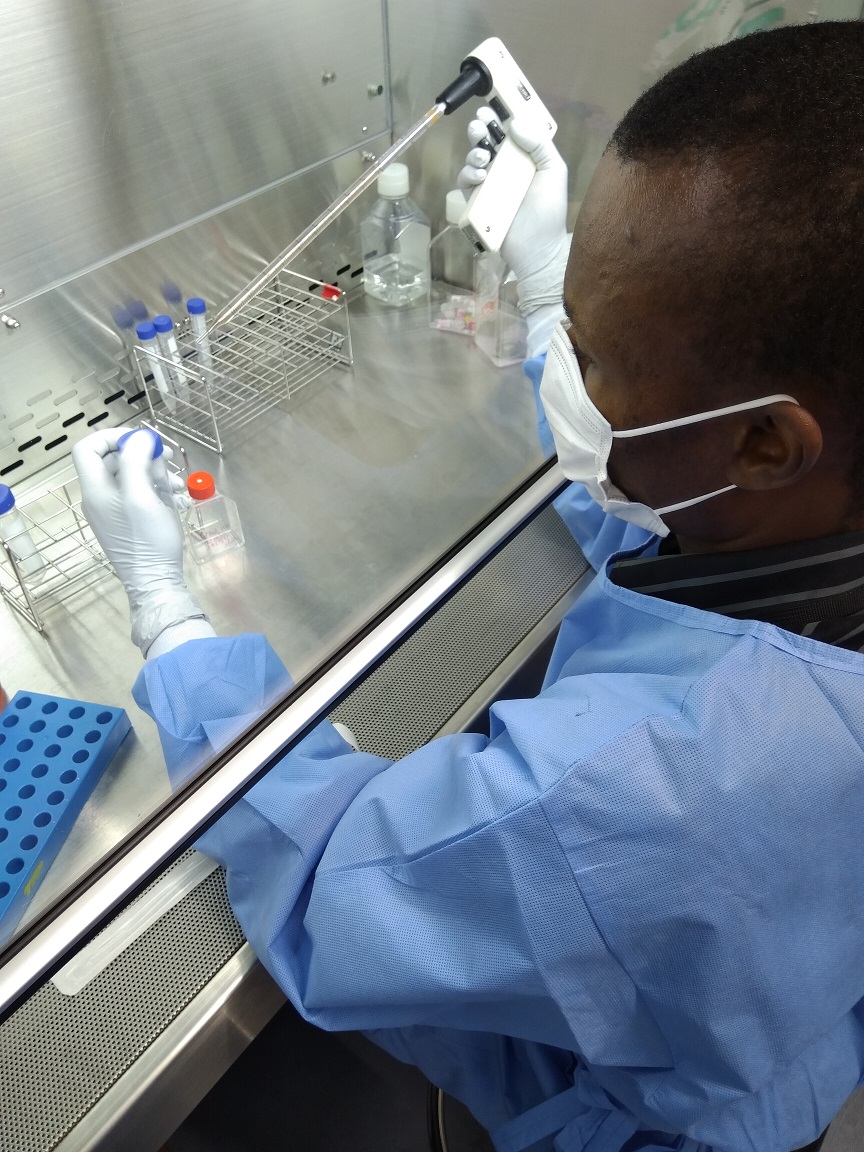
PHYSIOCHEMICAL ENVIRONMENTAL FACTORS THAT AFFECT CELL CULTURE
Cell or tissue culture experimentations should not be carried out in the regular laboratory space […]

Introduction to Cell Culture
Cell culture is the laboratory technique of growing and maintaining the cells of multicellular organisms […]
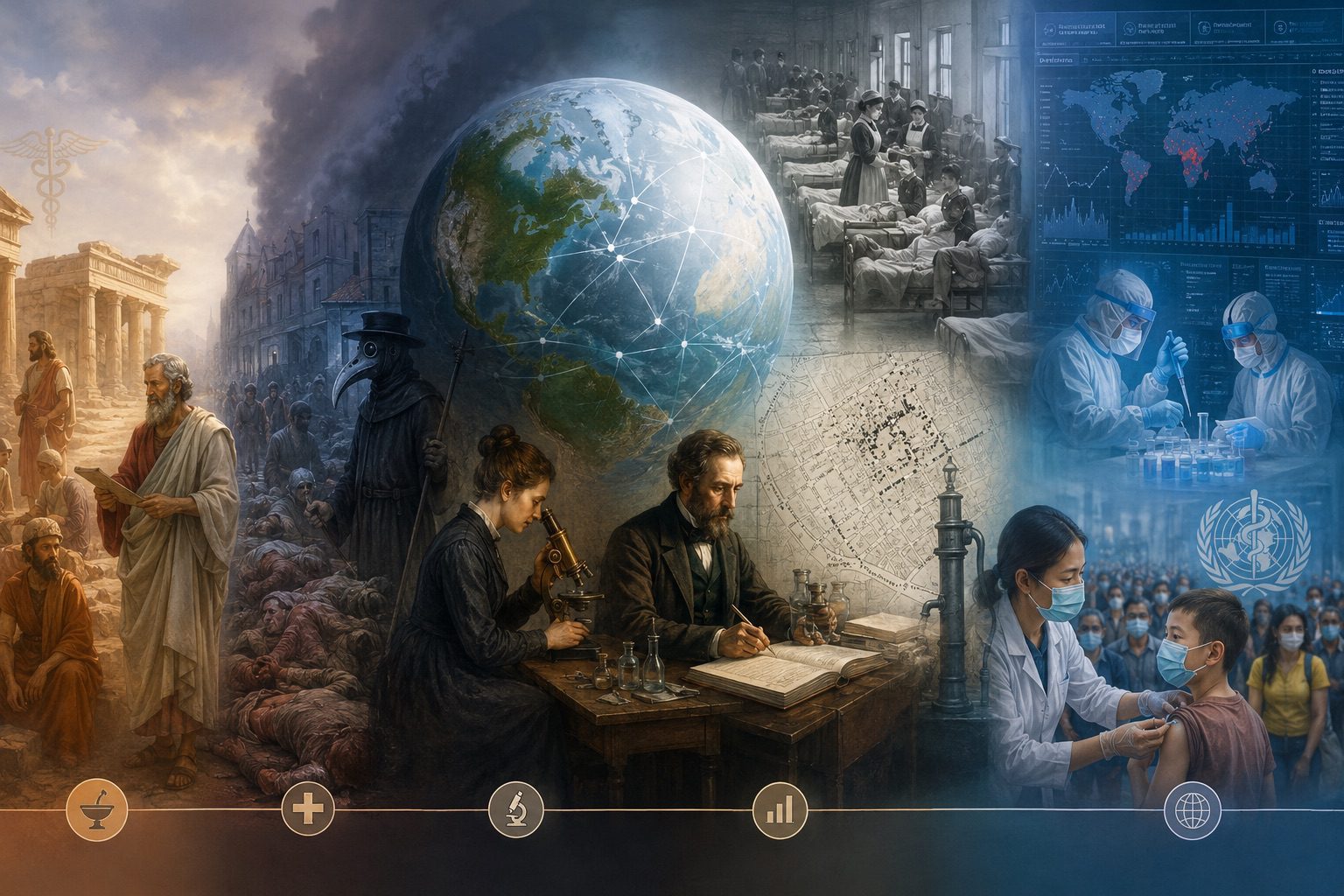
Historical Milestones in Epidemiology and Public Health
Epidemiology is the scientific study of the distribution, patterns, and determinants of health-related events in […]

Epidemiology: Public Health Importance and Applications
History of epidemiology The history of epidemiology reflects humanity’s long-standing effort to understand the causes, […]
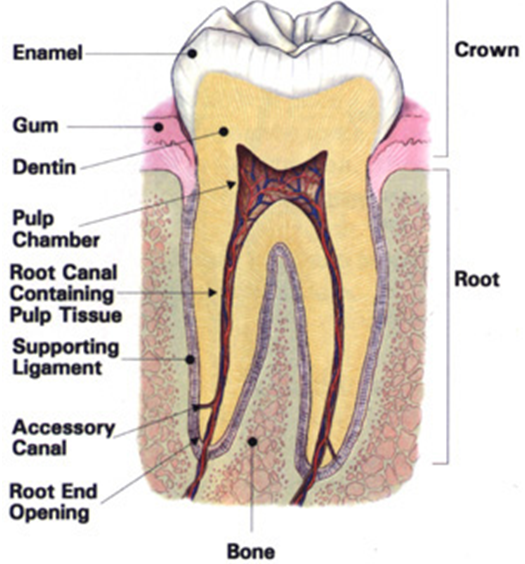
Introduction to Microbiology of Oral Infection
The first investigation into the world of oral bacteria was first made by the father […]

ARCHAEA, EUBACTERIA and BACTERIA
Archaea bacteria generally inhabit terrestrial and aquatic environments where the condition of living is extremely […]
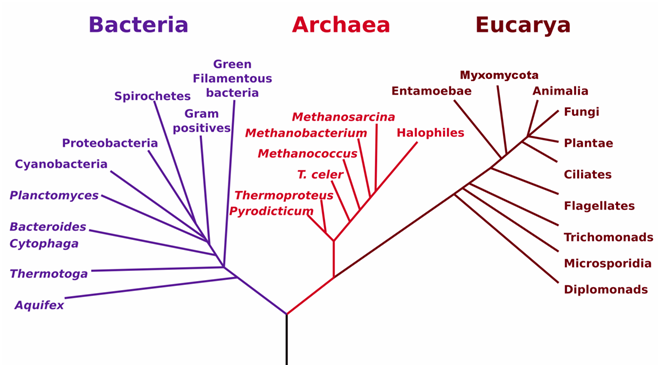
MICROBIAL DIVERSITY: Archaea, Eubacteria, Bacteria
The phylogenetic tree of life comprises mainly of Eubacteria, Archaea and Bacteria. Eubacteria or Eukarya, […]
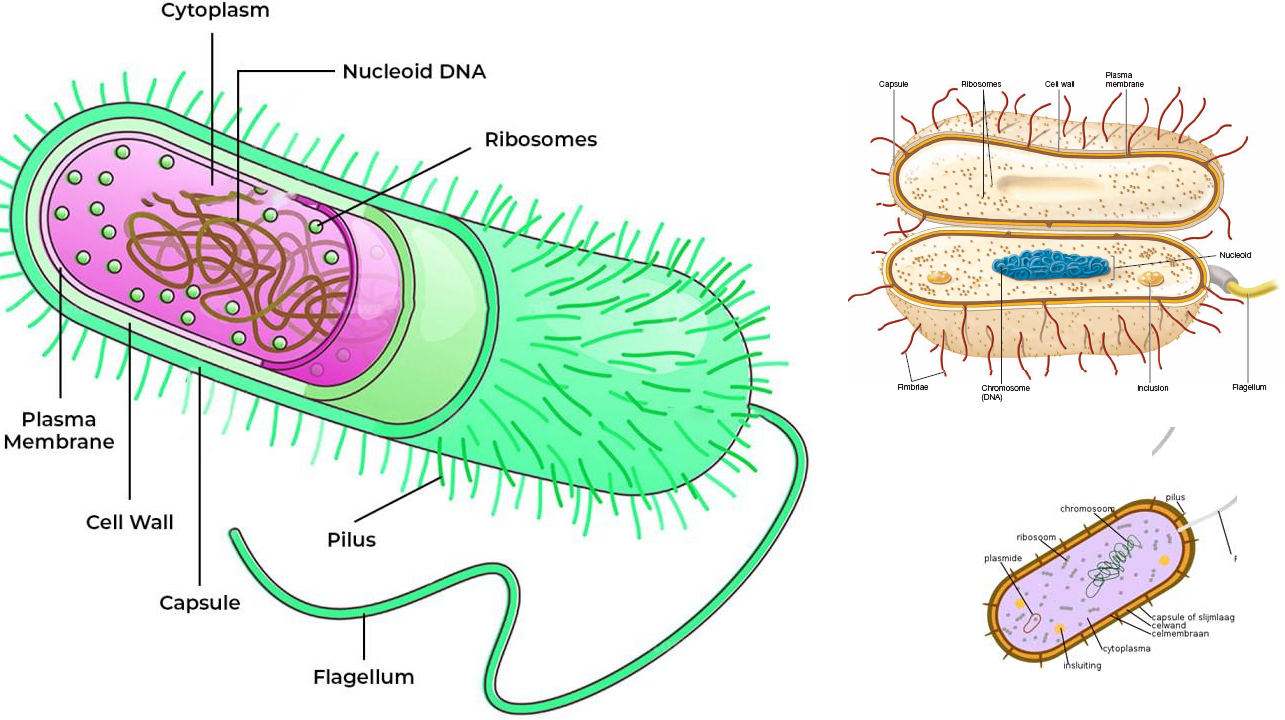
TAXONOMIC GROUPS OF MICROORGANISMS
There are millions of microorganisms in the face of the planet earth, and these organisms […]
CATEGORIES OF TAXONOMY: identification, classification, nomenclature
Taxonomy, which is the science of biological classification, is divided into 3 main interconnected parts […]
Introduction to Microbial Taxonomy
Taxonomy can be defined as the scientific system of classifying biological organisms into taxa (singular: […]