


Sterile pharmaceutical products are defined as sensitive pharmaceutical products that should be free from living micro-organisms, […]
Author: DrChika
Dr. Chika Ejikeugwu (Ph.D., 2017, UNIZIK, Nigeria) is a distinguished microbiologist, researcher, and educator with an impressive international profile. He is a Fellow of the renowned Alexander von Humboldt (AvH) Stiftung in Germany and currently holds a Research Fellowship at the Helmholtz Centre for Environmental Research (UFZ) in Leipzig, Germany. His ongoing research within the soilRESIST project investigates the effects of antibiotic mixtures on soil microbiomes, addressing critical challenges in antimicrobial resistance (AMR) and environmental microbiology.
Dr. Ejikeugwu is the visionary founder and developer of Africa's leading microbiology platform, www.MicrobiologyClass.net, a widely recognized and trusted knowledge hub that supports students, professionals, and researchers across the continent and beyond. This platform has become a cornerstone in advancing microbiology education and research in Africa.
Throughout his career, Dr. Ejikeugwu has held prestigious research positions globally. He was awarded the prestigious Alexander von Humboldt (AvH) Fellowship for Experienced Researchers in 2023 and is currently conducting research on AMR in soil ecosystems at the Helmholtz Centre for Environmental Research (UFZ) in Leipzig, Germany, as a Senior Humboldt Research Fellow. Previously, he held a DAAD Postdoctoral Fellowship at the Federal Institute for Materials Research and Testing (BAM) in Berlin, Germany, in 2021, and a MIF Postdoctoral Fellowship at Kyoto University, Kyoto, Japan, in 2018. His groundbreaking work in antimicrobial resistance (AMR) earned him the esteemed Young Investigator Award on AMR from Institut Mérieux, France, in 2021. Additionally, he is a recipient of the NIH CAMRA grant for AMR research, with his project focusing on antimicrobial resistance in poultry environments.
Dr. Ejikeugwu is a dynamic member of the Global Young Academy (GYA), Germany, and holds memberships in several prominent professional organizations, including Applied Microbiology International (AMI), the European Society of Clinical Microbiology and Infectious Diseases (ESCMID), the Nigerian Society for Microbiology (NSM), and the American Society for Microbiology (ASM).
He earned his doctorate in Pharmaceutical Microbiology and Biotechnology and serves as a Senior Lecturer and Researcher at Enugu State University of Science and Technology (ESUT), Nigeria. In this role, he is deeply committed to mentoring undergraduate and postgraduate students, fostering their academic development, and nurturing the next generation of microbiologists. Driven by a passion for teaching, cutting-edge research, and community development, Dr. Ejikeugwu continues to make significant contributions to the global microbiology landscape.
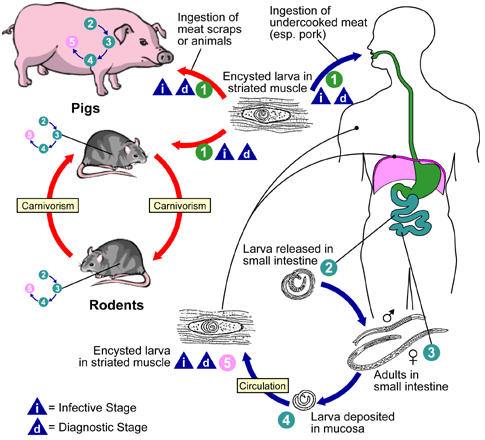
TRICHINELLOSIS
Trichinellosis or trichinosis is a zoonotic parasitic disease caused by tissue nematodes or roundworms after […]
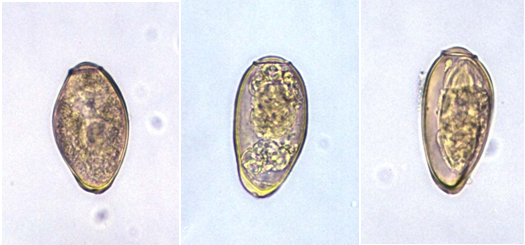
PARAGONIMIASIS
Paragonimiasis or lung-fluke infection is a protozoan lung disease that resembles bacterial tuberculosis in humans; […]
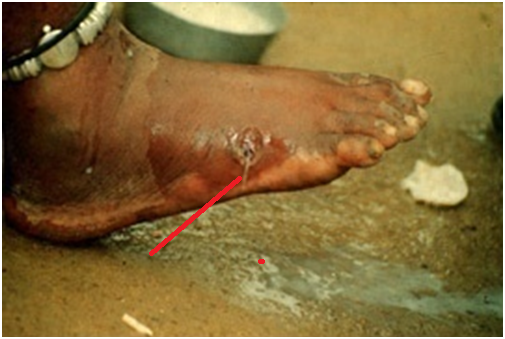
DRACUNCULIASIS
Dracunculiasis is a crippling parasitic disease that is caused by a tissue nematode (roundworm) which […]

CONTROL OF ANTIBIOTIC RESISTANCE
Antibiotic resistance knows no border of any country since there is free movement of both […]

IMPACT AND COST OF ANTIMICROBIAL RESISTANCE ON PUBLIC HEALTH AND THE ECONOMY OF A NATION
Antimicrobial agents (antibiotics in particular) have helped countless numbers of people worldwide owing to their […]

FACTORS THAT CONTRIBUTE TO ANTIBIOTIC (ANTIMICROBIAL) RESISTANCE
Antibiotic resistance is a global health problem that bedevils our health sector and threatens our […]
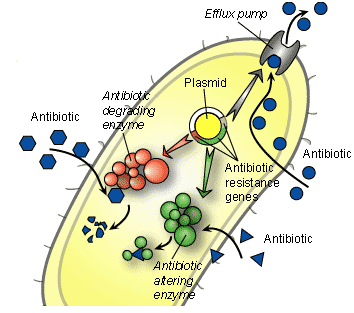
SPECIFIC MECHANISMS OF ACQUIRING RESISTANCE BY BACTERIA/MICROBIAL PATHOGENS
An antibiotic has to go through a number of steps in order to exert its […]
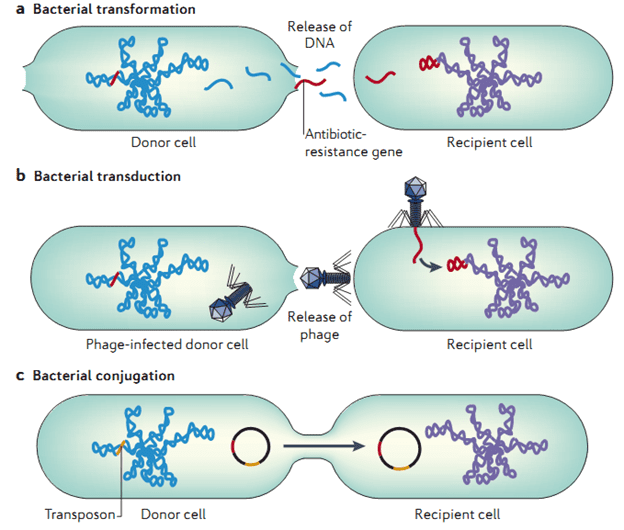
MODE (MECHANISMS) OF TRANSFER OF RESISTANCE GENES
Antibiotic resistant bacteria owe their drug insensitivity and ingenuity in developing resistance against our therapeutic […]
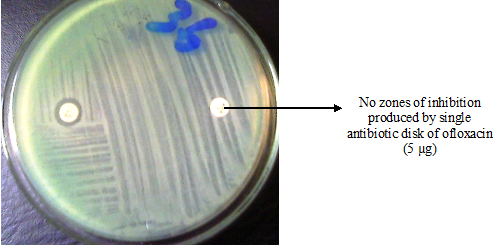
ANTIMICROBIAL (ANTIBIOTIC) RESISTANCE: definition, selective pressure and clonal selection
Antibiotic or antimicrobial resistance (AMR) is a phenomenon that occurs when bacteria are not killed […]
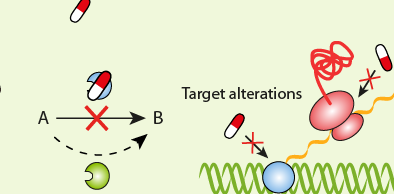
TYPES OF ANTIBIOTIC RESISTANCE
The resistance of a microbial cell to the potent action of antimicrobial agents or antibiotics […]
PRECAUTIONS TAKEN TO AVOID CONTAMINATION IN CELL CULTURE
Contamination is a great enemy in the cell culture laboratory. Thus all aseptic techniques must […]
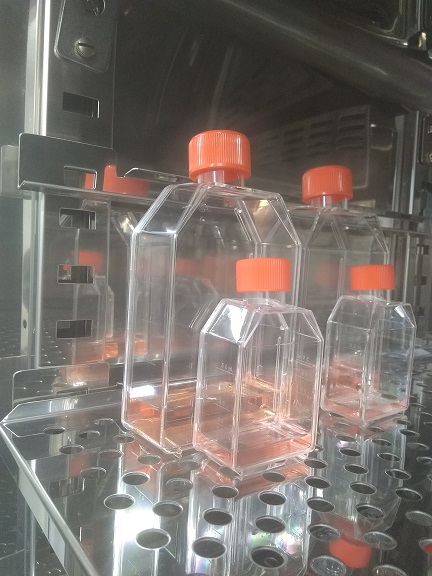
CELL LINES
OVERVIEW OF CELL LINES A cell line is a cell that has undergone mutation and […]

BASIS FOR A SUCCESSFUL CELL CULTURE & AREAS THAT ENCOURAGED CELL CULTURE DEVELOPMENT
Having a cell culture without any form of contamination is paramount in the cell culture […]
CLASSIFICATION/TYPES OF CELL CULTURE
In the cell culture laboratory, there are many cell culture techniques that are routinely engaged […]

Chromatic Vancomycin Resistant Enterococci (VRE) agar
Chromatic VRE is a selective and differential chromogenic medium used for the qualitative and presumptive detection […]
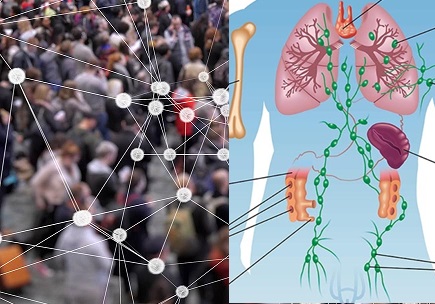
HERD IMMUNITY
Herd immunity is a group resistance of a population against a particular disease and the […]
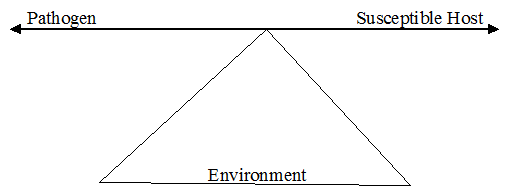
THE TRIANGLE OF EPIDEMIOLOGY (Epidemiological triad)
The characteristics of a disease are largely dependent on the relationship between the environment, the […]

EXPERIMENTAL EPIDEMIOLOGICAL STUDY
Experimental epidemiological study can also be referred to as clinical trials. It is an analytical […]

SOURCES OF CASES & CONTROL IN AN EPIDEMIOLOGICAL STUDY
SOURCES OF CASES IN AN EPIDEMIOLOGICAL STUDY Cases in an epidemiological study can be sourced […]

ECOLOGICAL STUDIES
Ecological epidemiological studies are observational descriptive studies that investigate the rate of a disease in […]
CROSS-SECTIONAL STUDY
Cross-sectional studies are descriptive observational epidemiological studies which investigates the prevalence or occurrence of a […]
PROSPECTIVE (COHORT) STUDY
Prospective or cohort studies are an observational analytic epidemiological study in which the starting point […]

RETROSPECTIVE (CASE-CONTROL) STUDY
Retrospective study which can also be called case control study is an observational analytic epidemiologic […]
CASE REPORTS & CASE SERIES
Case reports are epidemiological studies that consist of the careful and thorough or comprehensive description […]

ANALYTICAL EPIDEMIOLOGY
Analytical epidemiological study is a more detailed and all-encompassing epidemiological study than the descriptive epidemiological […]
SPUTUM CULTURE TECHNIQUE
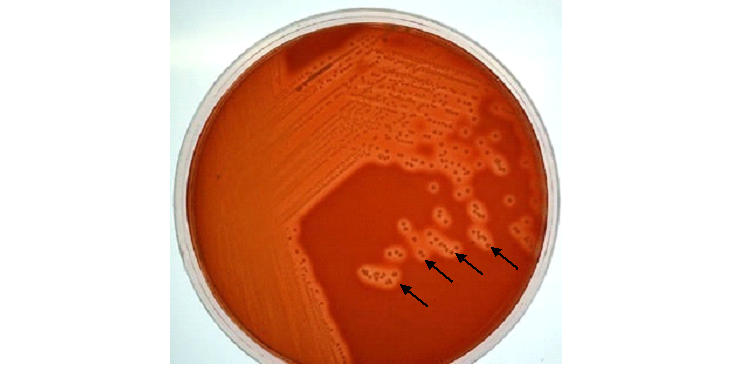
Sputum culture is often recommended in the diagnoses of lower respiratory tract infection (e.g. bacterial […]
URINE CULTURE TECHNIQUE
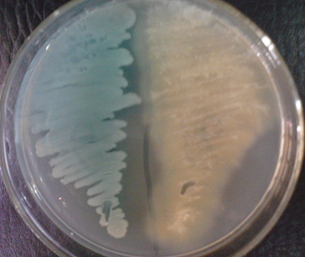
Urine culture is performed in order to specifically identify organisms that may be causing a […]

BLOOD CULTURE TECHNIQUE
Blood culture is the most important diagnostic method for detecting and diagnosing bacteraemia (presence of […]
STOOL CULTURE TECHNIQUE
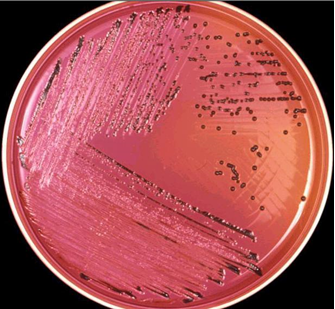
Stool culture is demanded in the bacteriology laboratory as method for detecting and diagnosing enteric […]

LABORATORY DIAGNOSIS OF FUNGAL INFECTIONS/DISEASES
The laboratory diagnosis of fungal infection is mainly based on microscopy and cultural techniques. Several […]
MYCOTOXINS
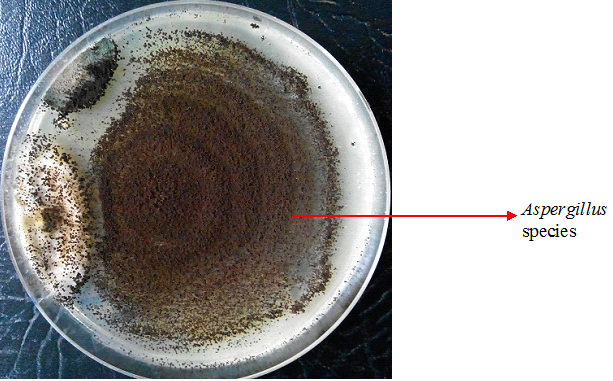
Mycotoxins are exotoxins produced by fungi. The area of microbiology that studies fungi and the […]
ORAL THRUSH (ORAL CANDIDIASIS)
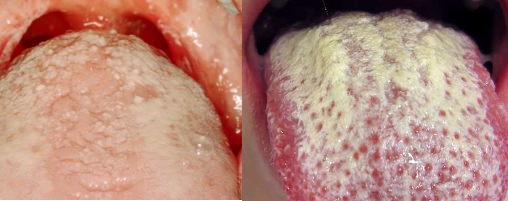
Oral thrush (oral candidiasis) is a localized fungal infection caused by C. albicans in the […]
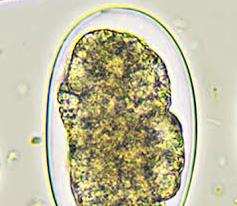
Classification of parasites that parasitize humans
Generally, parasites can be classified into two major groups: Endoparasites are parasites that live inside […]
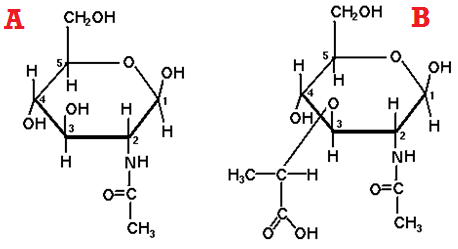
TRANSPEPTIDATION REACTION
Transpeptidation reaction is the chemical reaction that forms the peptide cross-links or bonds during the […]
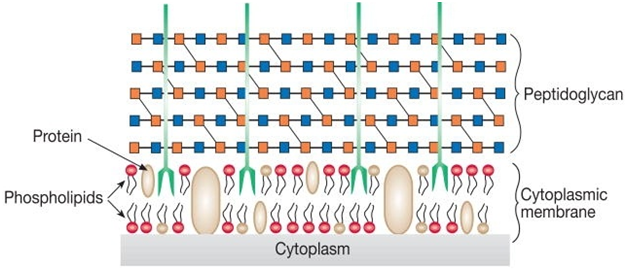
BACTERIAL CELL WALL
Cell wall is a layer that is present outside the plasma or cytoplasmic membrane of […]

EUKARYOTIC CELLS
Eukaryotic cells are organisms or cells that have a membrane-bound nucleus. They are distinct group […]

CLASSIFICATION OF MUTATION BY THEIR EFFECTS ON THE DNA MOLECULE
Based on their effects on the structural integrity of the DNA molecule, mutations can be […]

MUTATION: definition, types and causes
The term mutation is derived from the Latin word “mutare” – which means “to change”. […]

Molecular Manipulation of Microorganisms: significance and applications
Microorganisms including bacteria, fungi, algae and viruses are important tools used for a wide variety […]
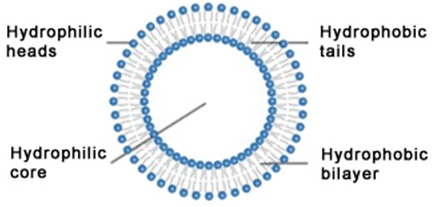
LIPOSOMES: relevance & applications
The phrase liposome is derived from two Greek words: Lipos which means “fat” and Soma […]

PORTAL OF ENTRY OF INFECTIOUS AGENTS INTO THE BODY
Pathogenic bacteria enter the human body in various ways and through various medium or routes. […]

HAZARD ANALYSIS CRITICAL CONTROL POINT (HACCP): Building Effective Food Safety Control Systems for Regulatory Compliance and Risk Mitigation
Hazard Analysis and Critical Control Point (HACCP) is an internationally recognized, science-based food safety management […]

INDICATOR ORGANISMS
Indicator organisms are microorganisms that signify the possible contamination of food or food products as […]

Feeding the Future: How Single Cell Proteins Can Help Solve Global Malnutrition
As the global population races past 8 billion and continues to rise, the urgency to […]

FOOD POISONING
Food poisoning/food infection is defined as the microbial infection or disease that is caused by […]

FOOD BORNE DISEASES
Food borne diseases are diseases caused by the ingestion of food borne pathogens. They are […]

SOURCES OF MICROBIAL CONTAMINATION OF FOOD
Microbial contamination of food is almost inevitable owing to the ubiquity of microorganisms – which […]

EXTRINSIC FACTORS OF FOOD SPOILAGE
Extrinsic factors of food spoilage are the non-substrate factors that affect the spoilage of foods […]

INTRINSIC FACTORS OF FOOD SPOILAGE
Intrinsic factors of food spoilage are those inherent factors that are associated with the food […]