

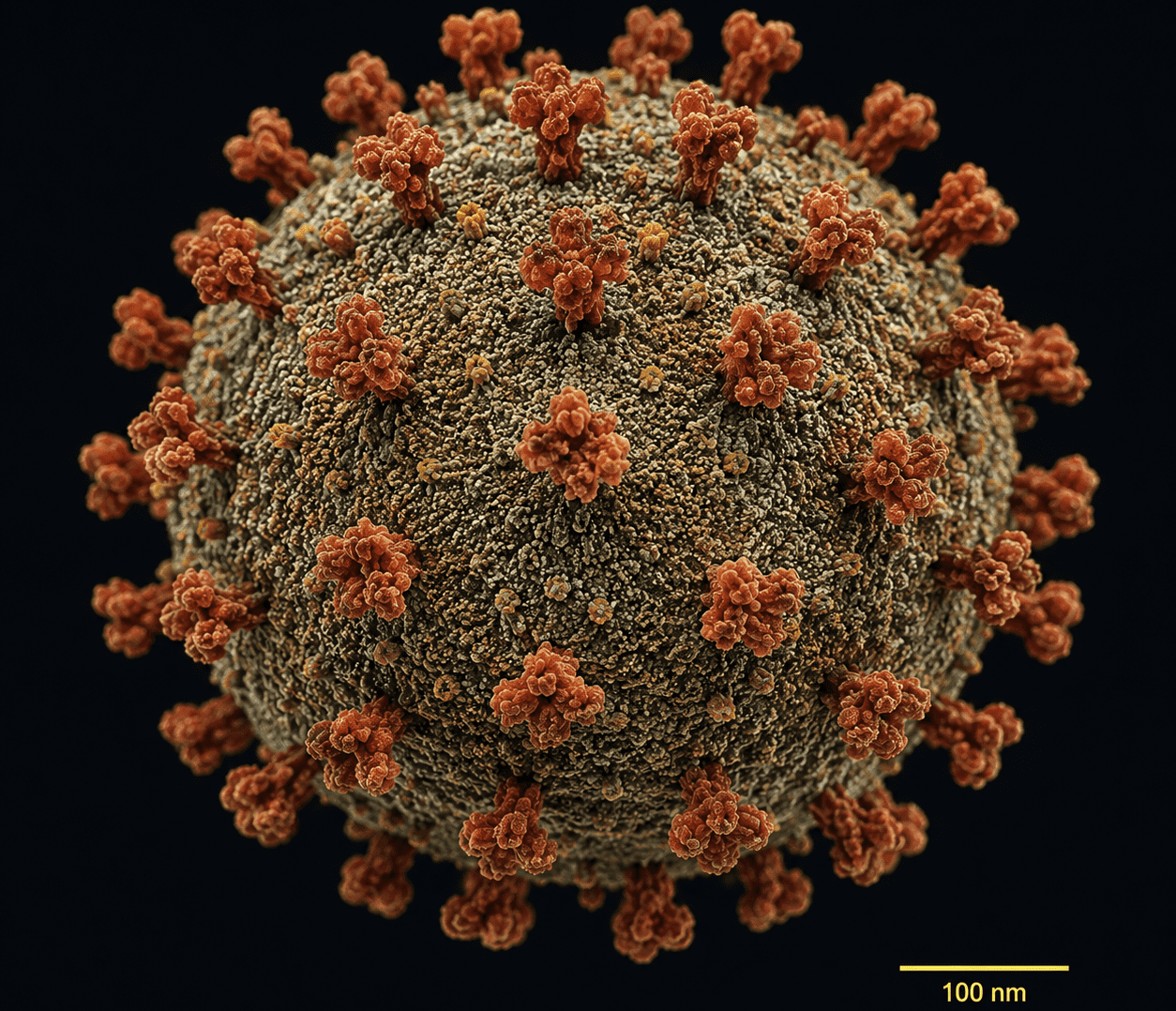
Hantaviruses are classified as Category C biological agents, the third-highest priority group of pathogens considered to […]
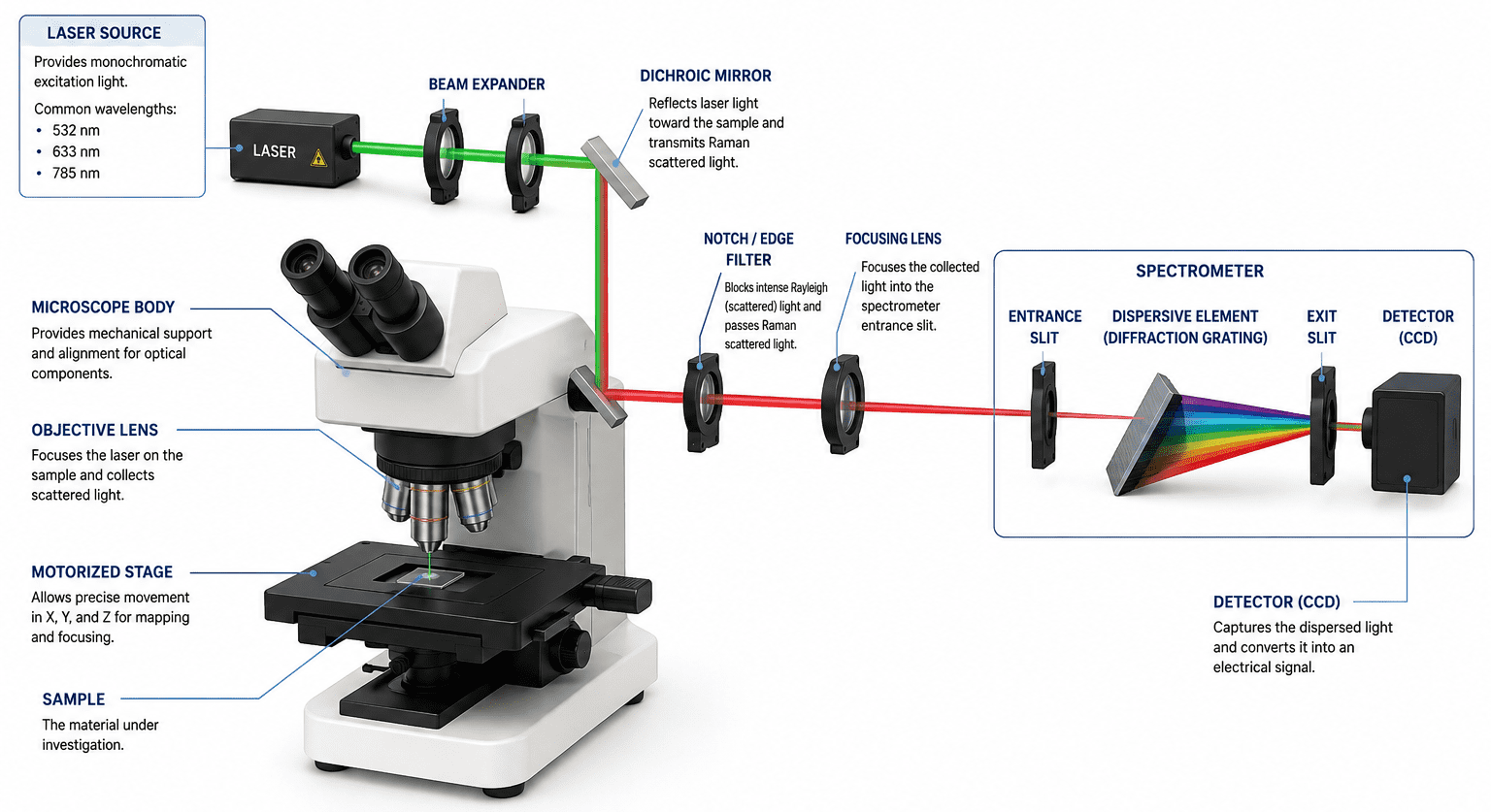
Raman Microscopy: How Raman Microscopy is Transforming Microbial Analysis
Raman microscopy is an advanced analytical technique that integrates Raman spectroscopy with optical microscopy to enable spatially resolved […]
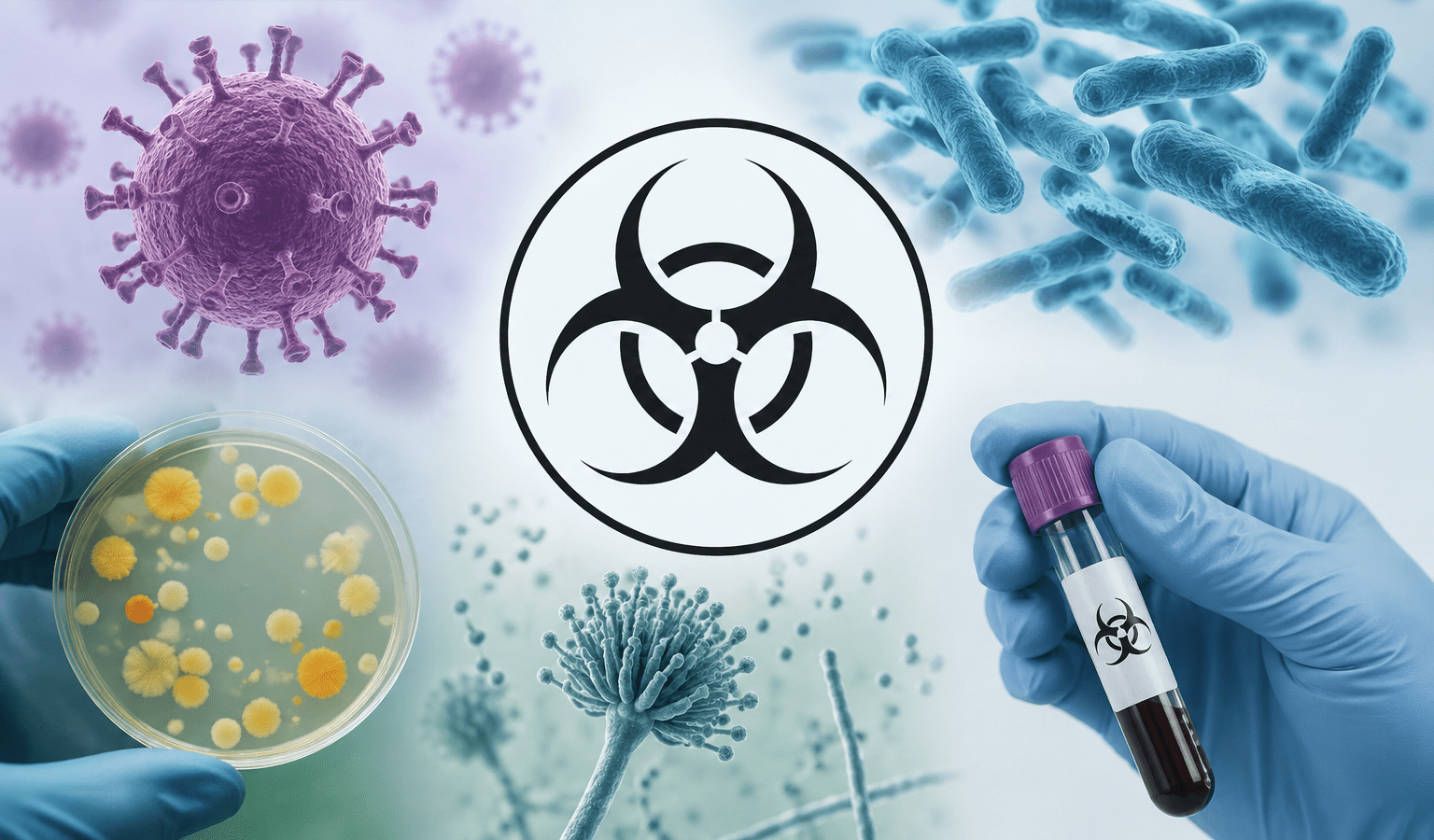
Category C Biological Agents – Emerging Threats in Public Health: Understanding Category “C” Biological Agents and Their Potential for Future Bioterrorism
Category “C” biological agents occupy a distinct and critical niche in the spectrum of emerging […]
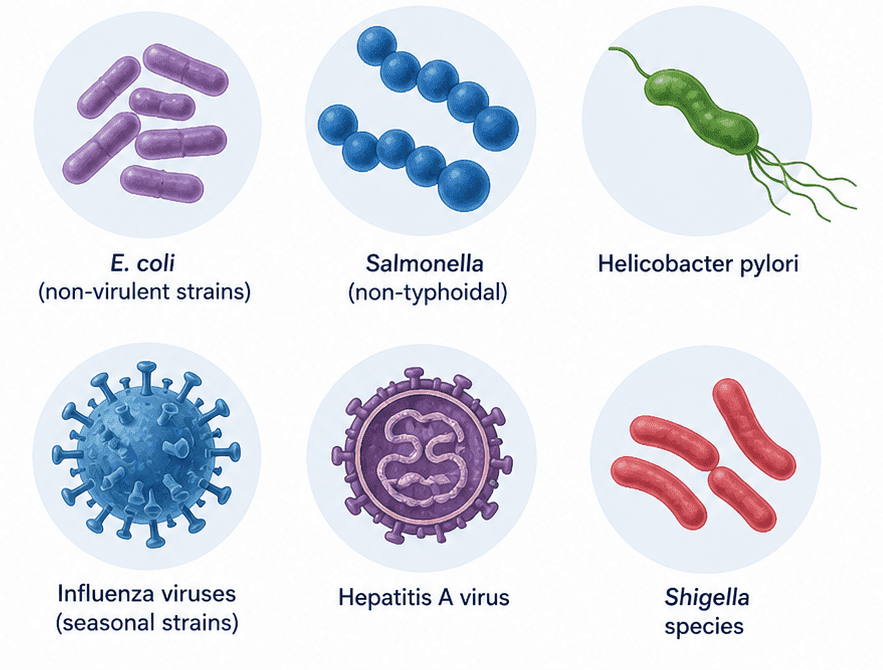
Category B Biological Agents: microbiology, transmission pathways, clinical manifestations
Category B biological agents constitute the second highest priority group of biological threat agents in public health […]
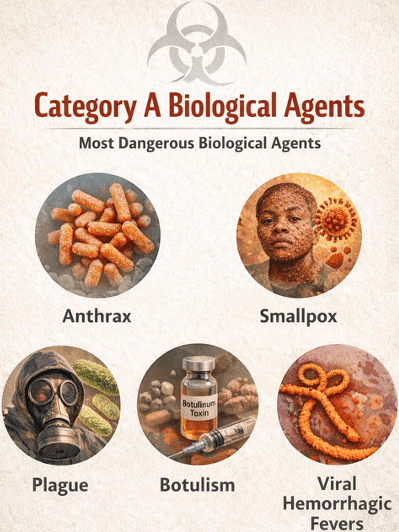
Category A Biological Agents: How to Identify, Contain, and Prepare for the Highest-Risk Biothreats
Category A biological agents are pathogens or toxins classified by the Centers for Disease Control and […]
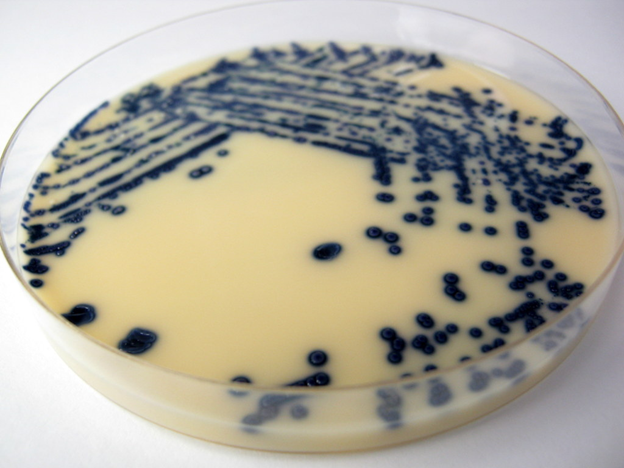
Microbes Used as Biological Weapons: Bioterrorism Threats and Global Biosecurity Measures
Microorganisms have long been recognized not only for their role in disease and ecology but […]

3 PhD Studentships in Microbiology and Host-Pathogen Interactions – Poland
Deadline: 10 May 2026 – 23:59 (Europe/Warsaw) Research programme overview We invite applications for three […]
PhD Fellow in Pharmacy Practice – UiT The Arctic University of Norway
Application Deadline: 24 May 2026 – 23:59 (Europe/Oslo) A PhD position is available at the Department […]

BIOTERRORISM: Definition & Attributes of Biological Agents used for Biowarfare
Bioterrorism is broadly defined as the unauthorized, deliberate, or threatened use of microorganisms including bacteria, […]
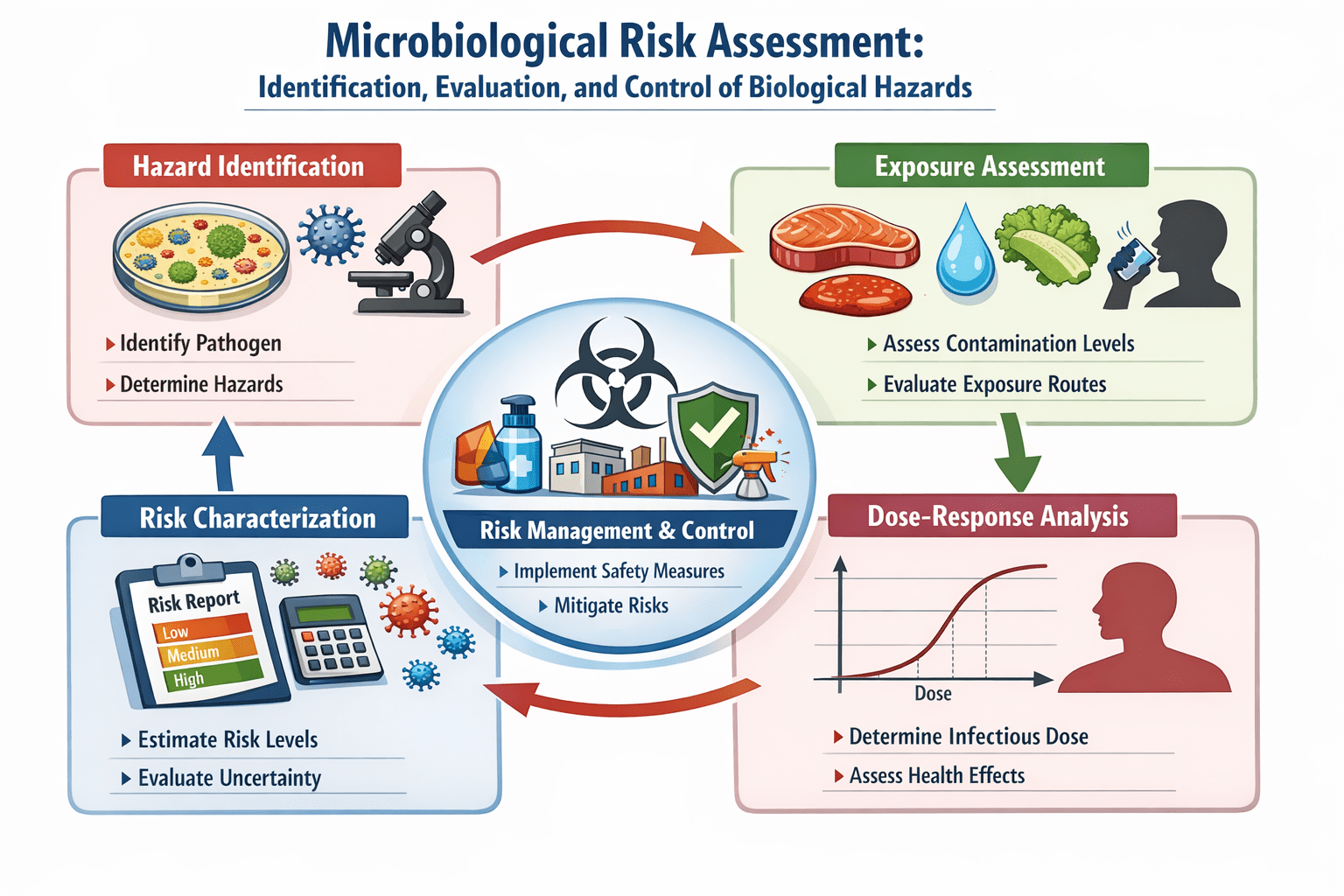
Microbiological Risk Assessment: Identification, Evaluation, and Control of Biological Hazards
Microbiological risk assessment (MRA) is a systematic and structured process used to evaluate the potential […]
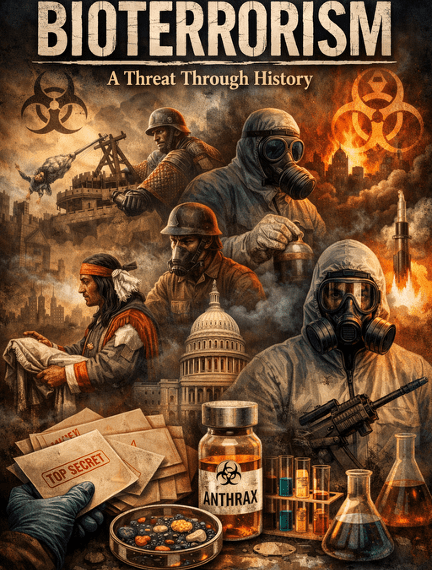
Bioterrorism Through History: From Ancient Biological Warfare to Modern Global Security Threats
Bioterrorism refers to the deliberate use of biological agents such as bacteria, viruses, fungi, or […]
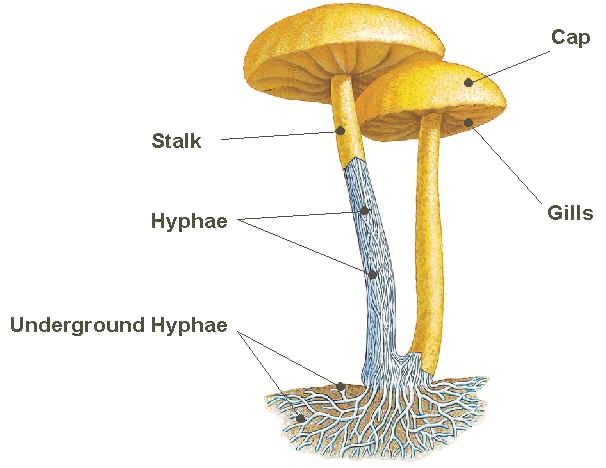
MUSHROOM FARMING: Improving Yield and Productivity in Mushroom Farming Systems
Mushrooms are macroscopic fungi that produce visible fruiting bodies, commonly characterized by an umbrella-like structure. […]
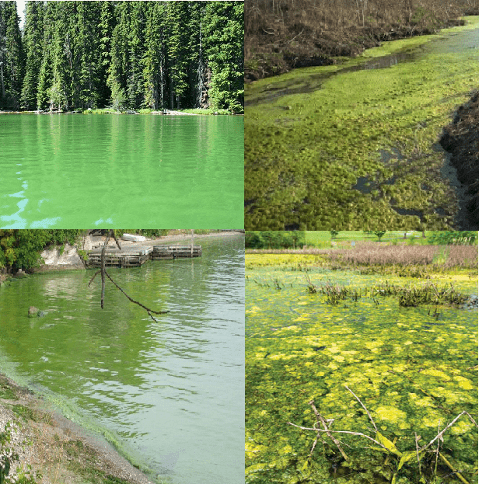
Eutrophication Management: Causes, Impacts, and Practical Strategies to Prevent Algal Blooms
Eutrophication refers to the enrichment of aquatic ecosystems with excessive amounts of inorganic nutrients, primarily nitrogen […]

Bioremediation: An Actionable, Cost-Effective Strategy for Restoring Contaminated Soil and Water
Bioremediation is a scientifically grounded, sustainable approach to environmental clean-up that harnesses biological systems to […]
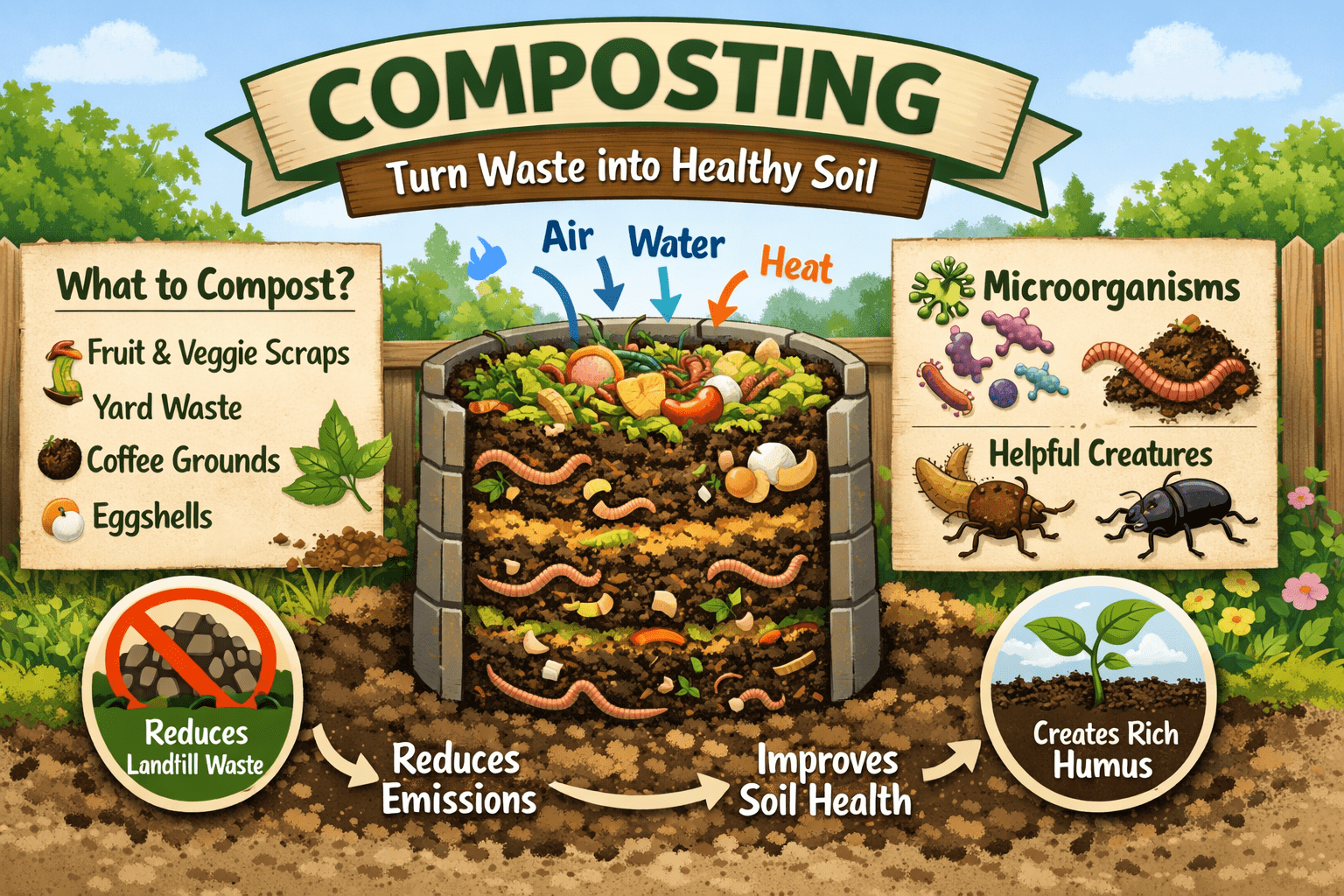
Composting: Harnessing Composting to Transform Organic Waste into Sustainable Soil Fertility and Environmental Resilience
Composting is one of the most practical, sustainable, and environmentally sound approaches for managing organic […]
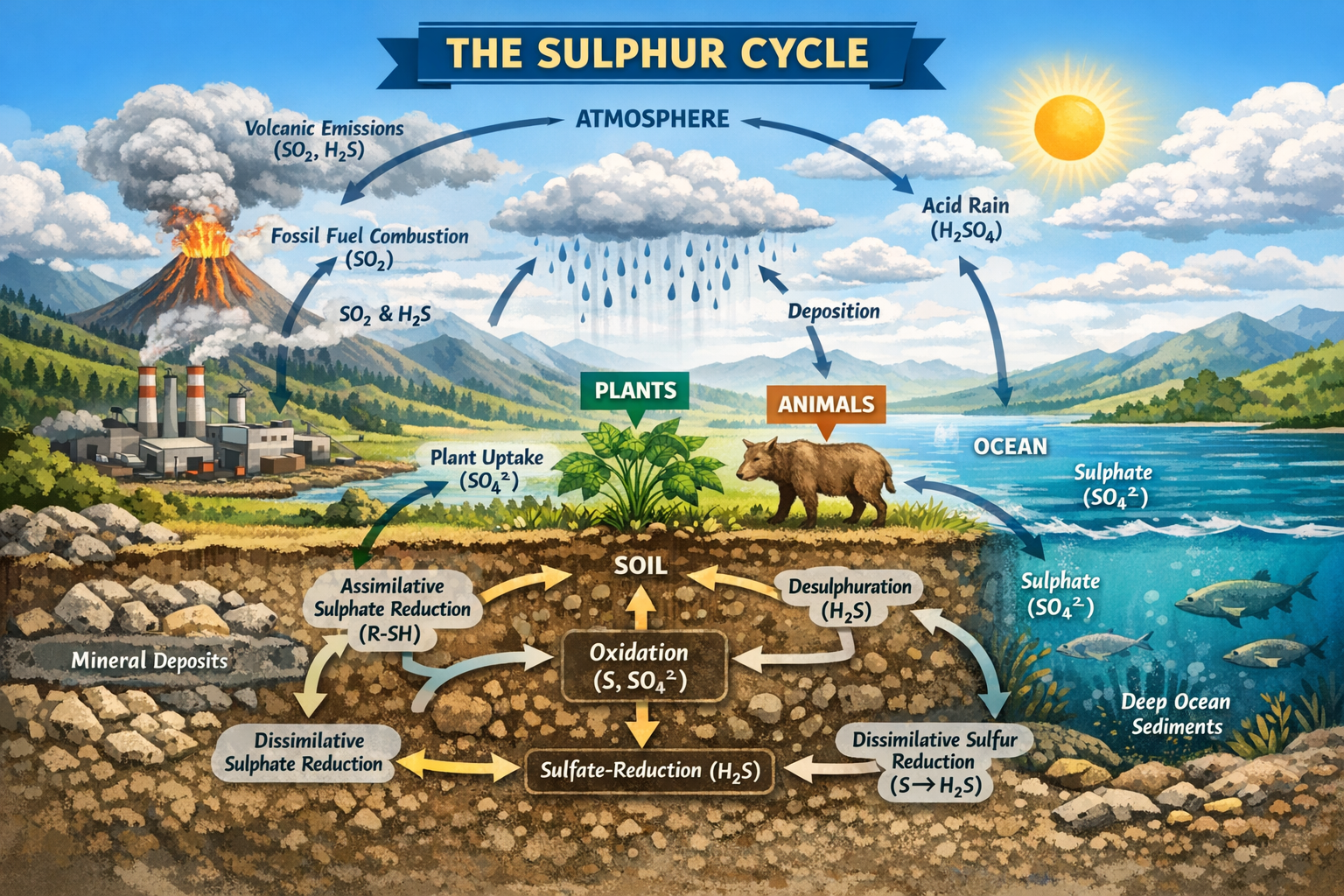
Sulphur cycle: Managing the Sulphur Cycle for Ecosystem Productivity, Environmental Quality, and Sustainable Development
The sulphur cycle is a fundamental biogeochemical cycle that regulates the movement, transformation, and availability […]
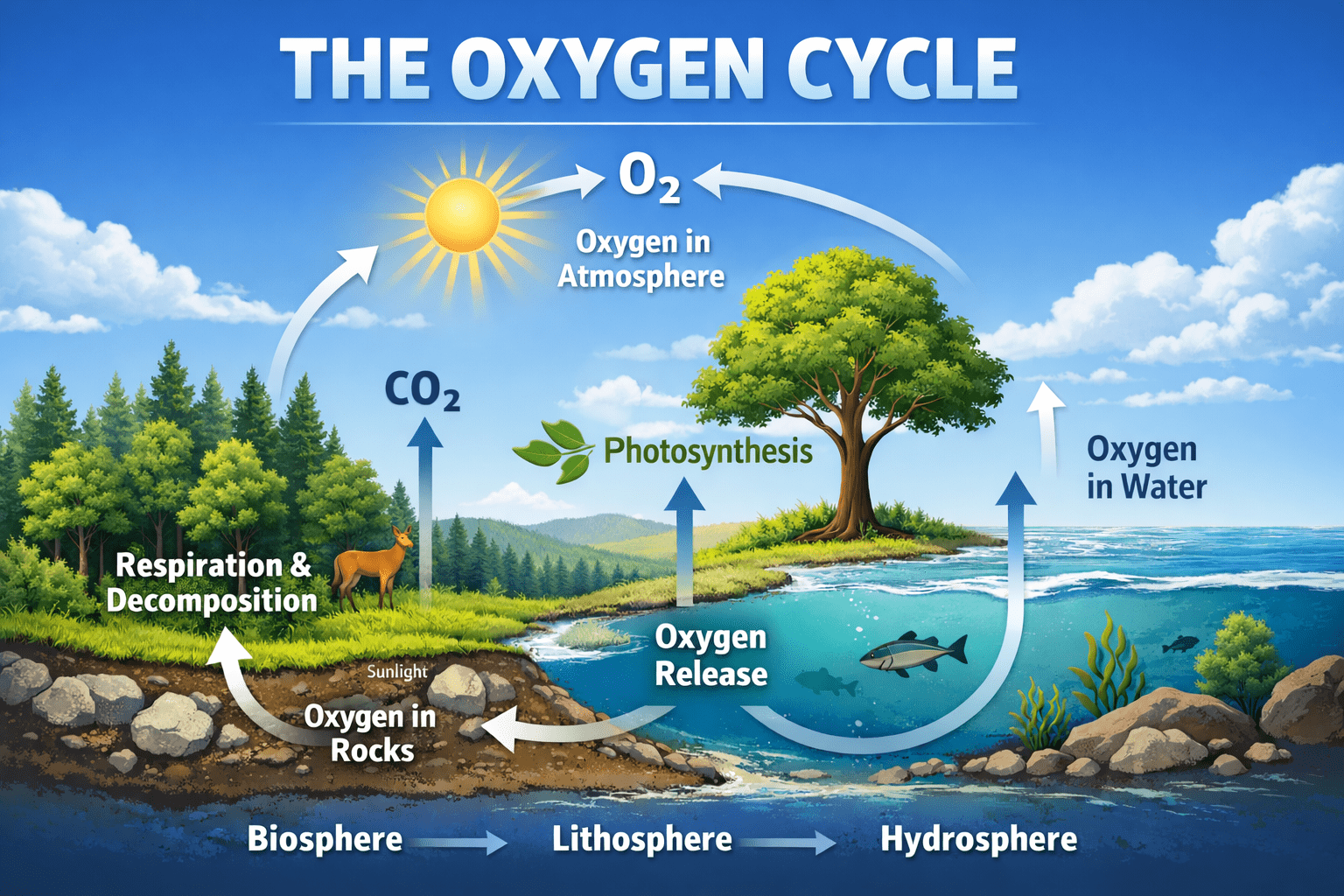
Oxygen cycle: Understanding and Sustaining the Oxygen Cycle, its Processes, Functions, and Implications for Life on Earth
The oxygen cycle is one of the most fundamental biogeochemical cycles on Earth, underpinning the […]
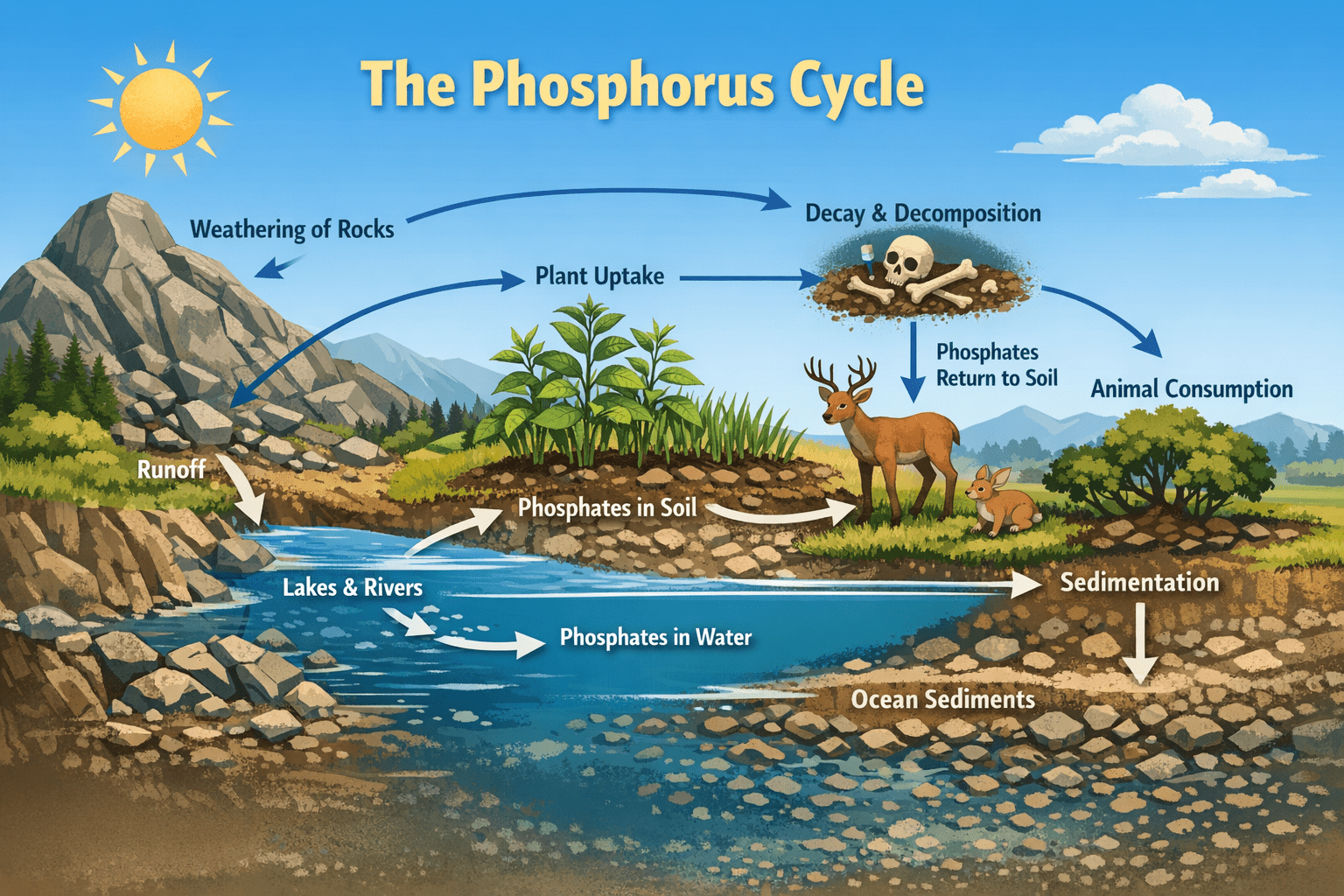
Phosphorus cycle: Managing the Phosphorus Cycle for Sustainable Ecosystems and Food Security
The phosphorus cycle is a fundamental biogeochemical process that governs the movement and transformation of […]
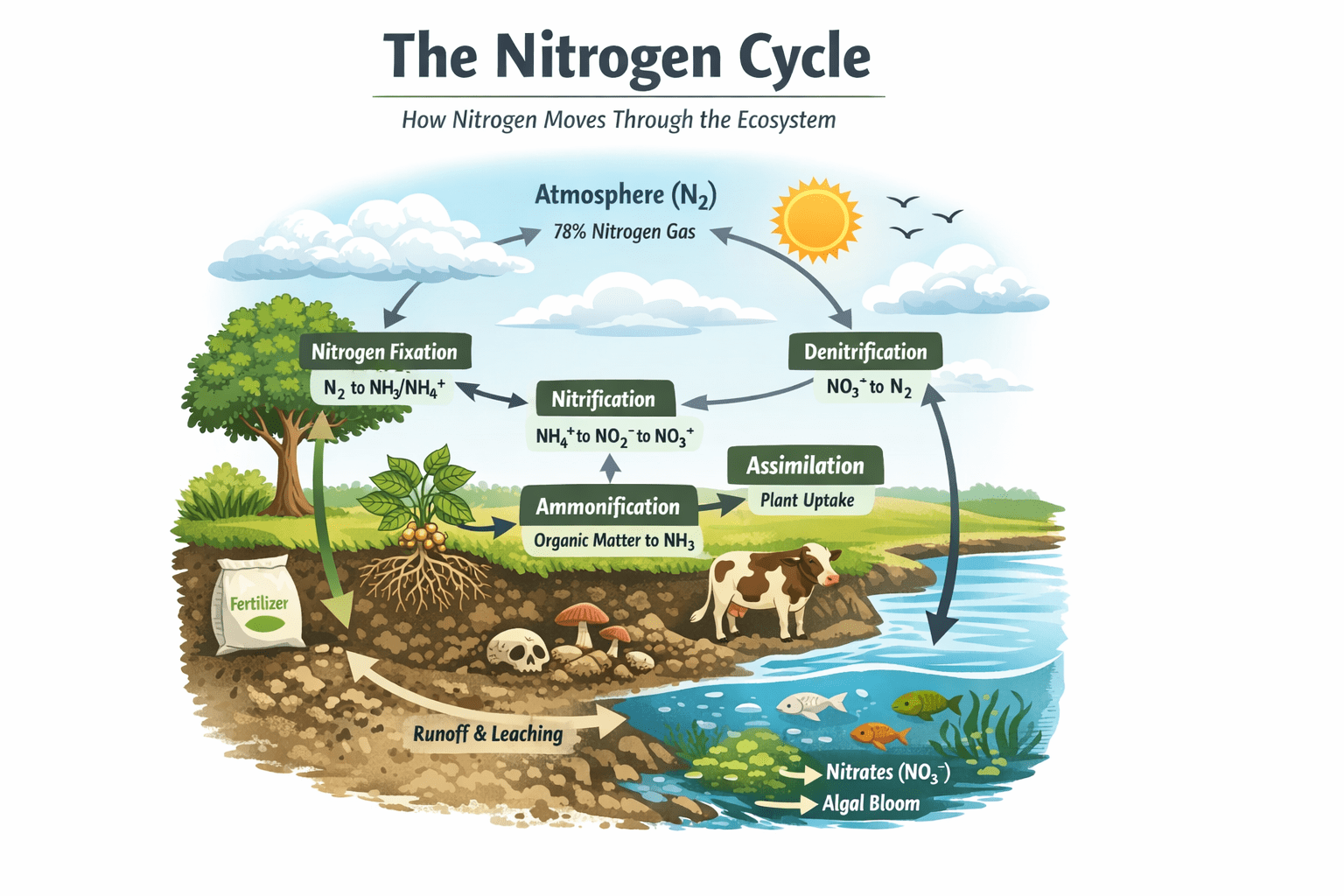
Nitrogen cycle: Understanding and Managing the Nitrogen Cycle for Ecosystem Sustainability
The nitrogen cycle is a fundamental biogeochemical process through which nitrogen is exchanged between the […]
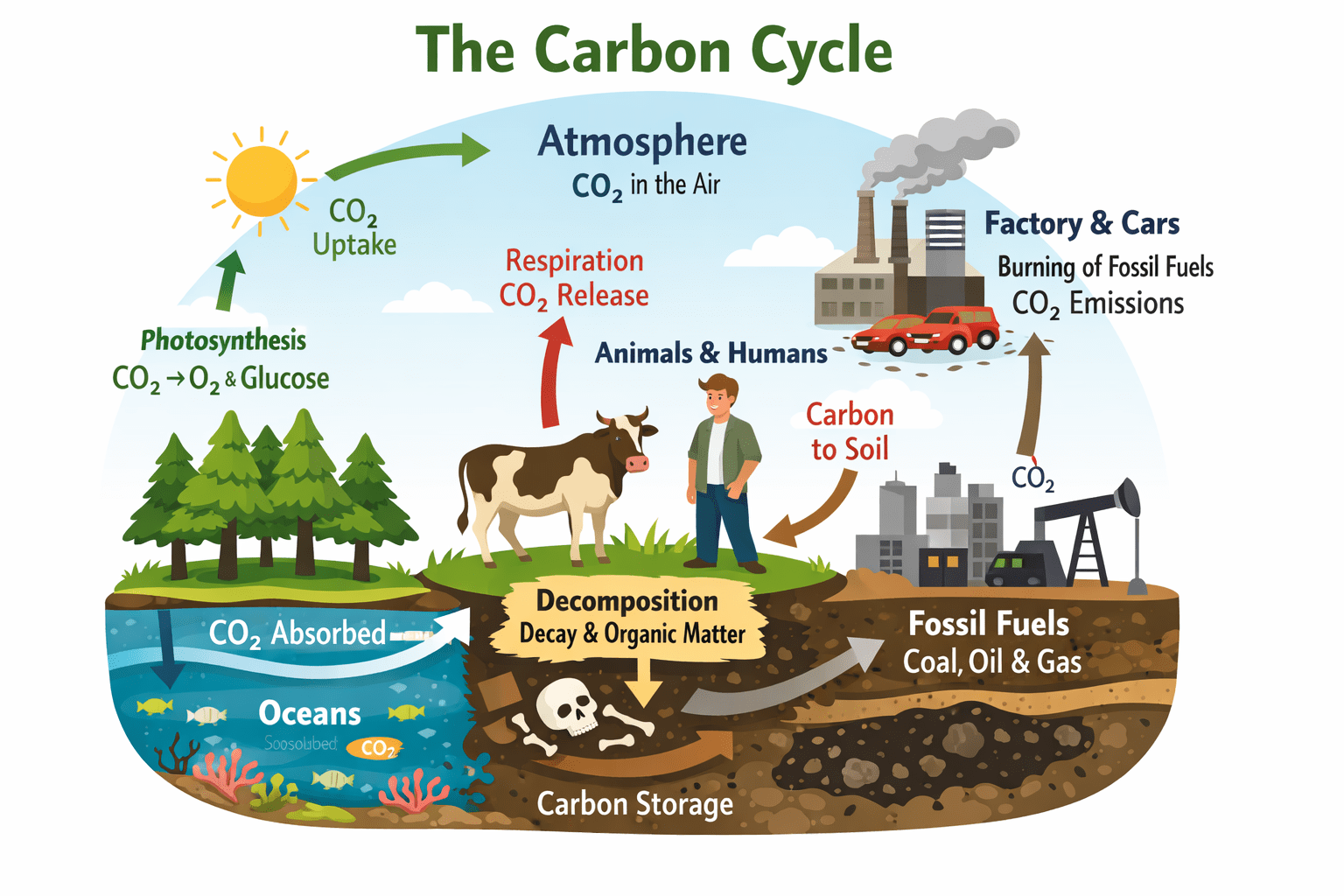
Carbon cycle: Enhancing Understanding and Stewardship of the Carbon Cycle for a Sustainable Planet
Carbon is the fundamental element that anchors all organic compounds in the ecosystem. It serves […]
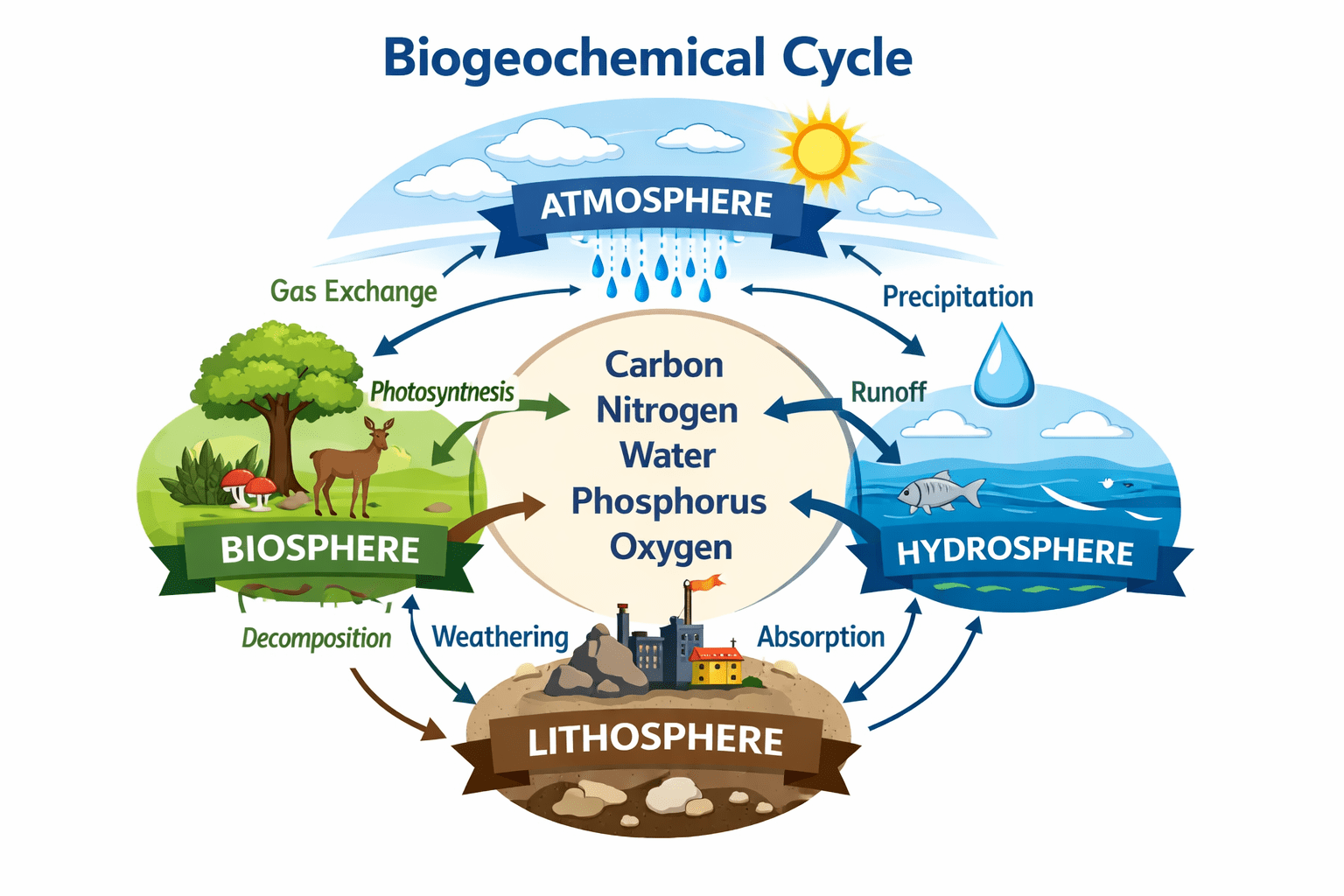
Biogeochemical Cycles and Their Importance to Life on Earth
The term biogeochemical is derived from the combination of three distinct but interrelated words: bio, geo, and chemical. The prefix bio refers […]
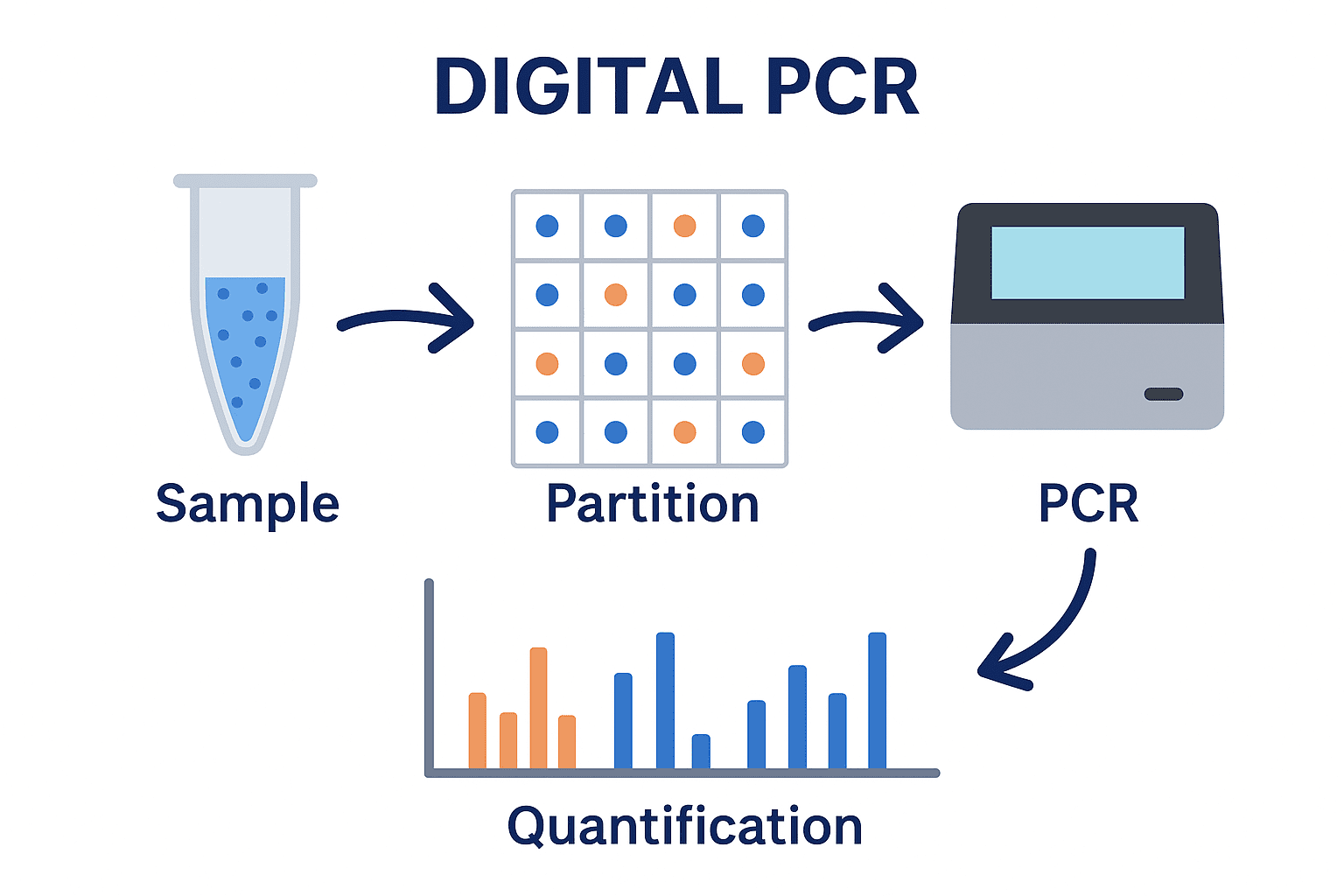
Digital PCR (dPCR): The Next Frontier in Absolute Nucleic Acid Quantification
Digital PCR (dPCR) is a method of quantifying nucleic acid (DNA or RNA) targets without […]
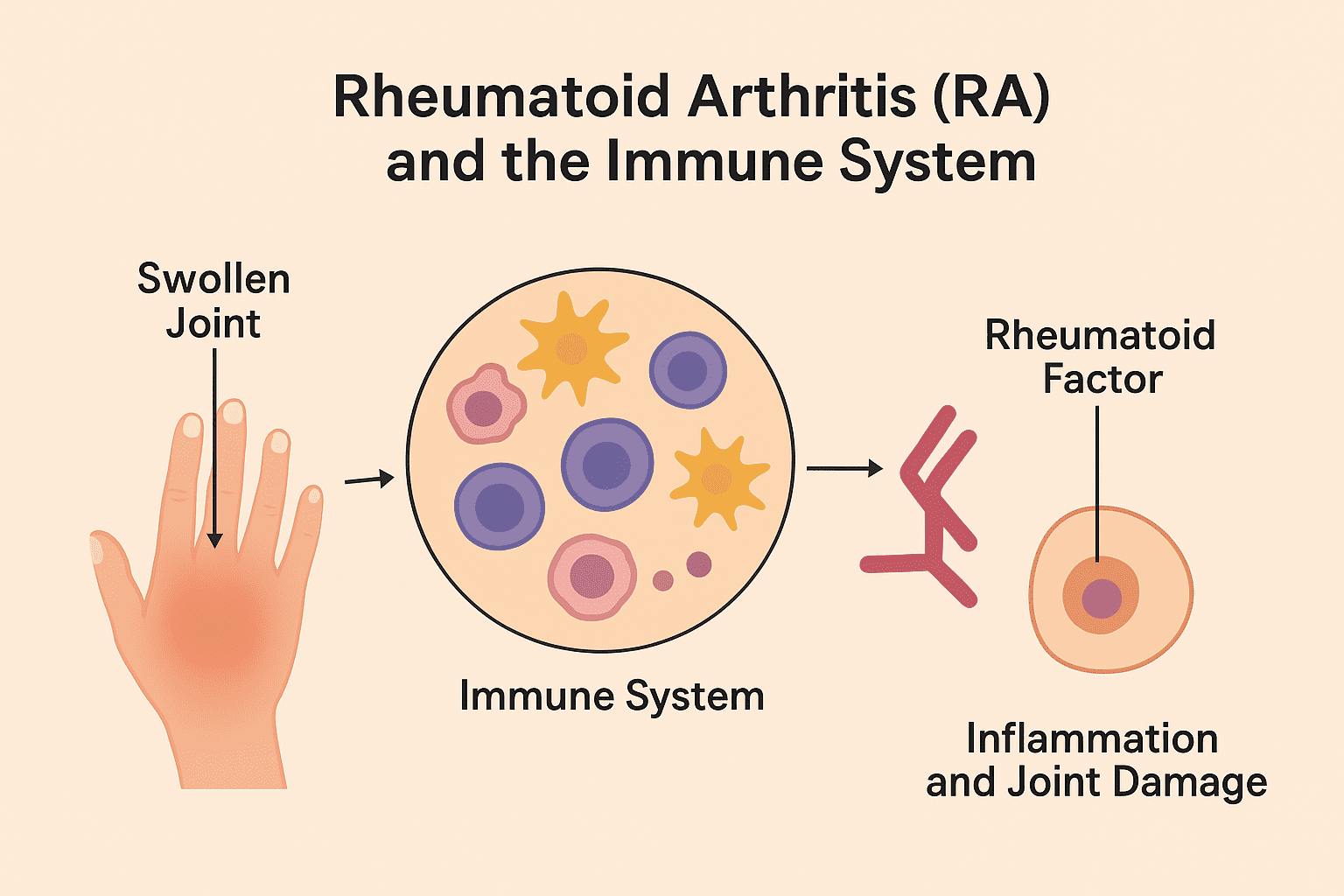
From Genes to Joints: Understanding Rheumatoid Arthritis as an Autoimmune Disease
Autoimmune diseases occur when the body’s immune system mistakenly attacks its own healthy cells and tissues, […]
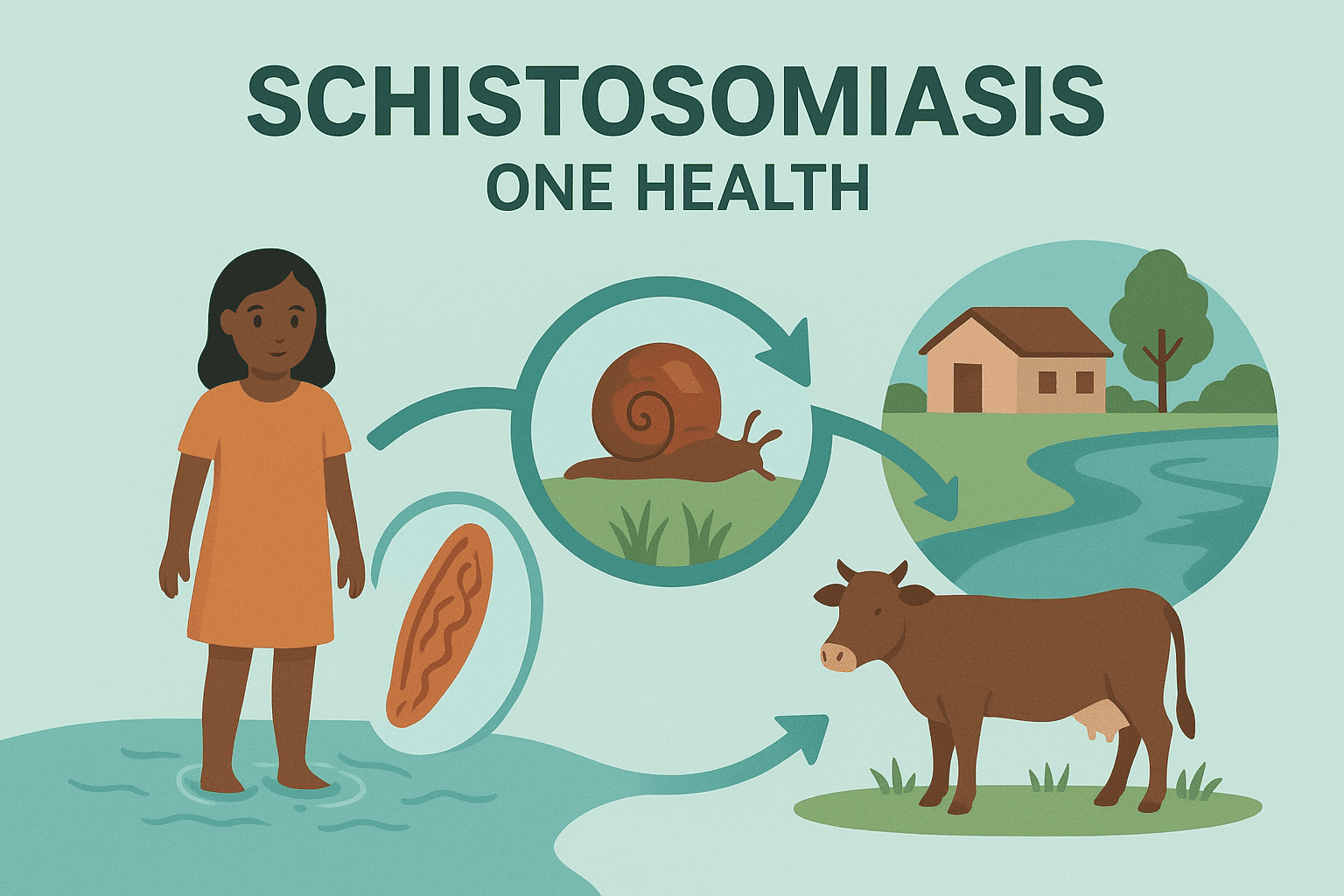
Schistosomiasis and One Health: Tackling a Snail-Borne Threat to Humans, Animals, and Ecosystems
Schistosomiasis, also known as bilharzia, is a debilitating water-borne disease caused by parasitic blood flukes […]
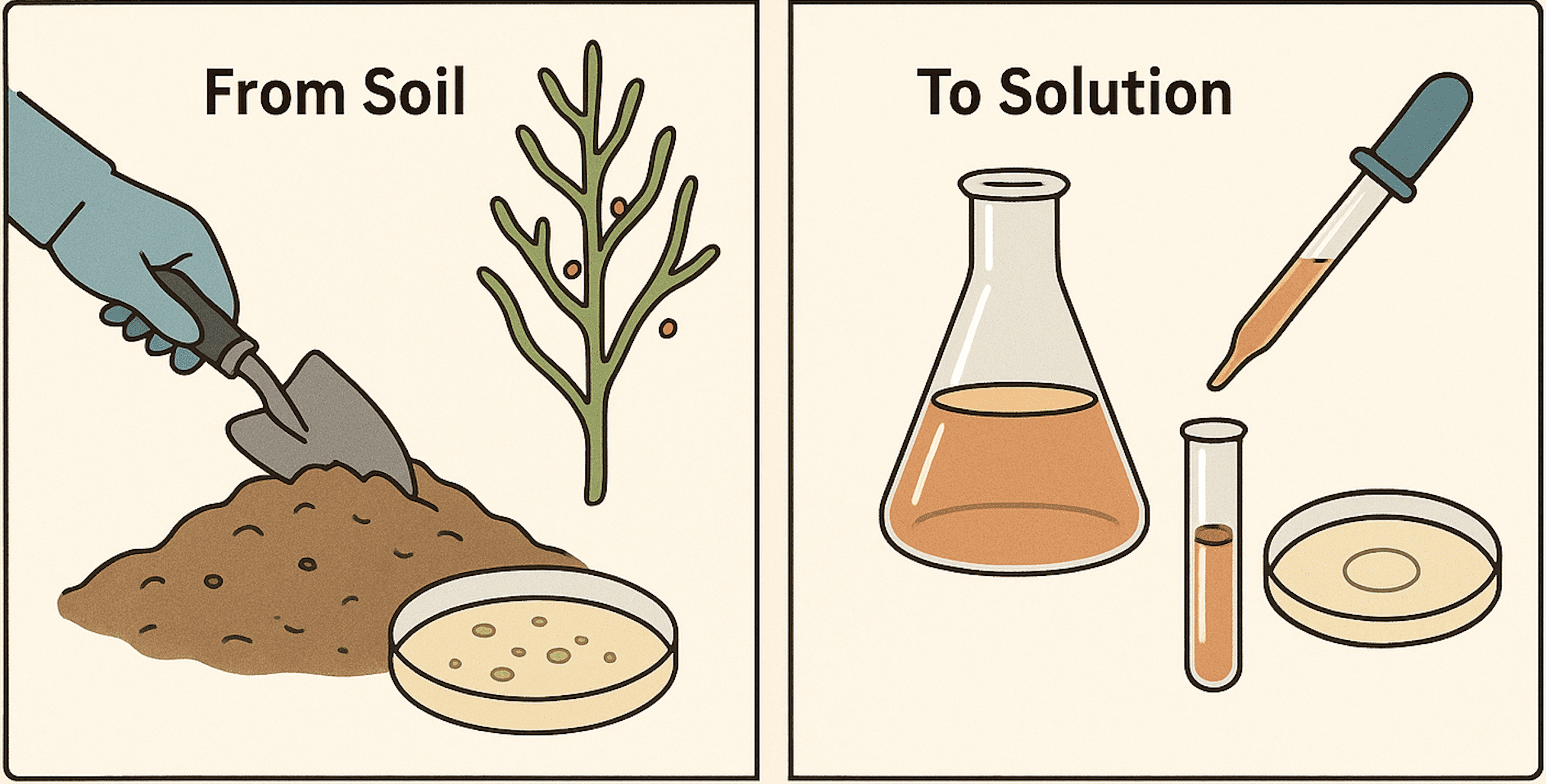
From Soil to Solution: How Streptomycin is Extracted and Evaluated
Antibiotics remain one of the most important discoveries in medical science, serving as a cornerstone […]
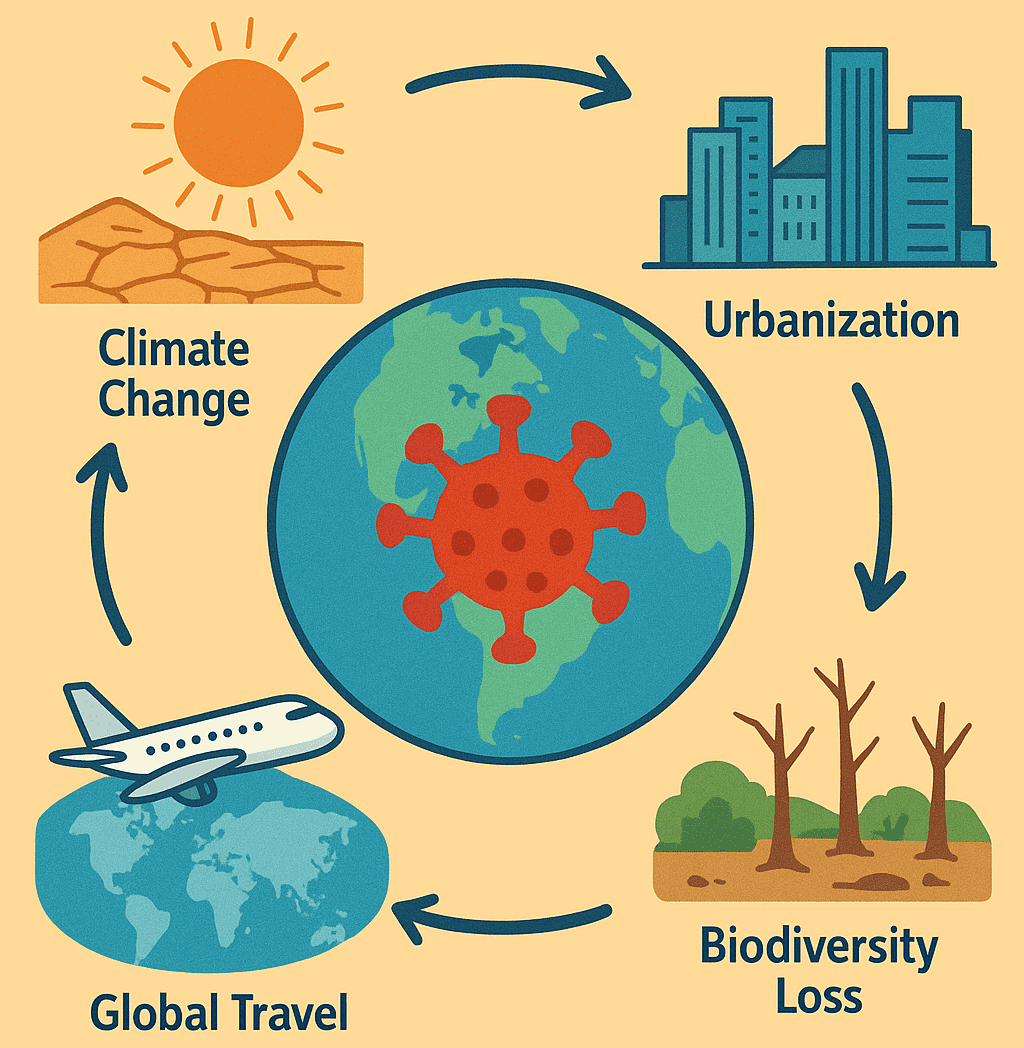
How Global Change Contributes to the Spread of Infectious Diseases
The dynamics of infectious disease transmission are shaped by a complex interplay of environmental, biological, […]

From Mosquito Bite to Global Threat: Is Chikungunya the Next Pandemic?
Chikungunya (CHIKV) is a mosquito-borne viral disease marked by sudden onset fever and severe joint […]
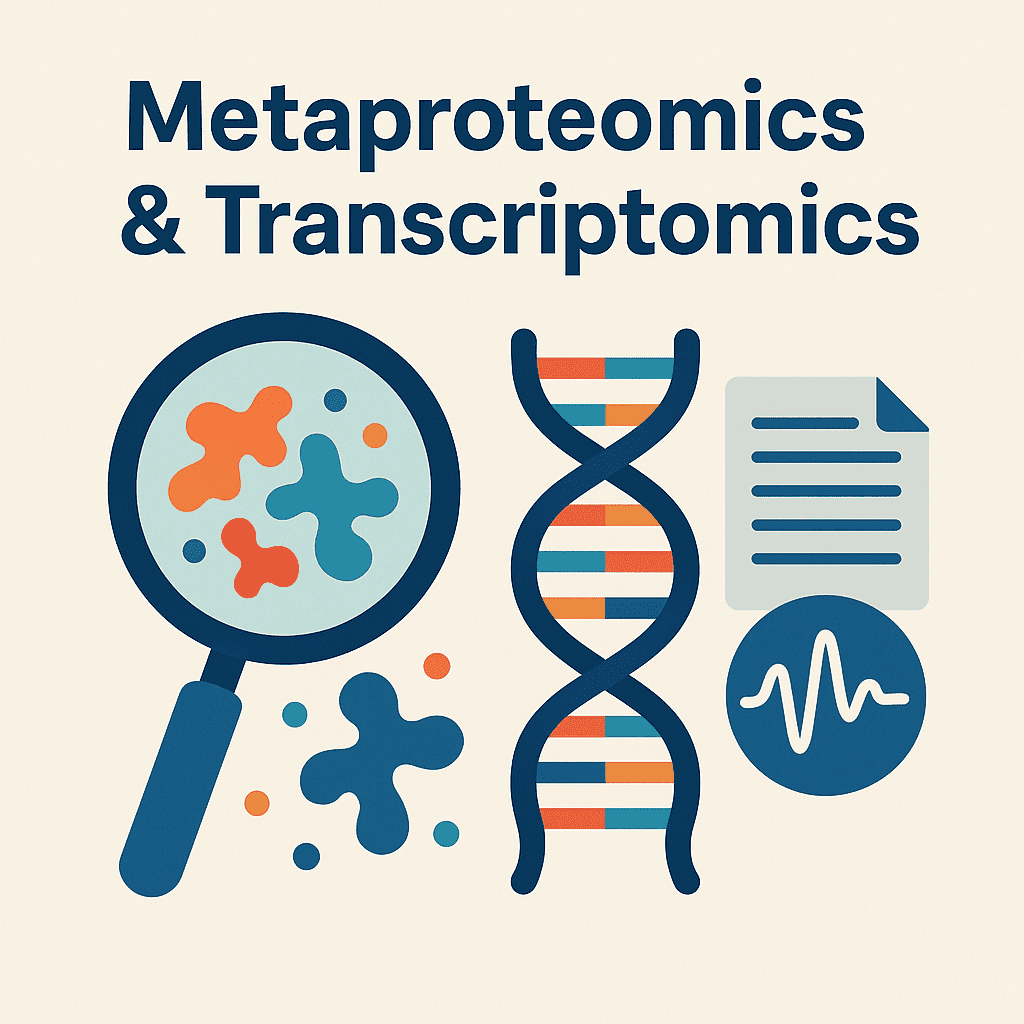
Metaproteomics & Transcriptomics
What is Metaproteomics? Metaproteomics refers to the large-scale characterization of the complete set of proteins […]
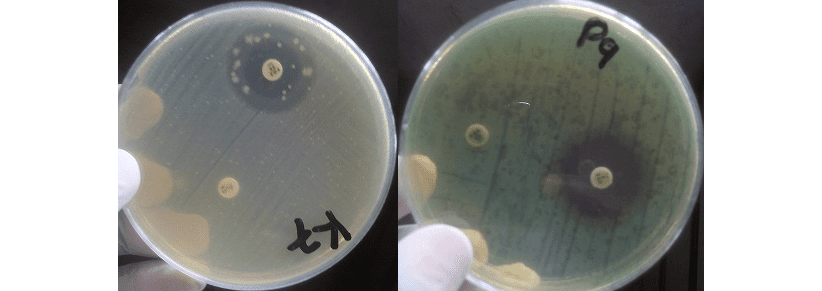
AmpC ENZYMES
AmpC β-lactamases are a class of enzymes produced by certain bacteria that confer resistance to […]
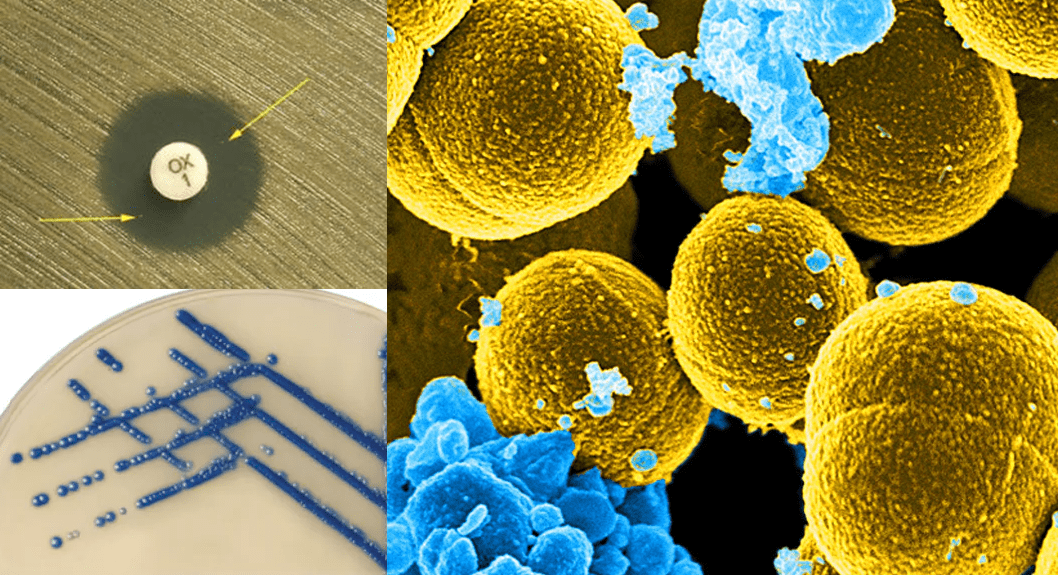
Methicillin-resistant Staphylococcus aureus (MRSA): A Global Health Threat
Methicillin-resistant Staphylococcus aureus (MRSA) is a type of bacterium that has become resistant to many […]
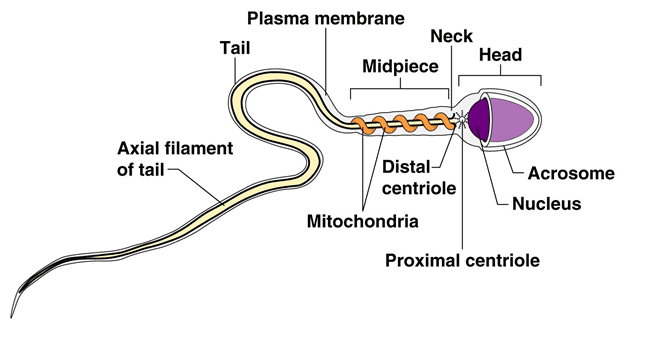
SEMINAL FLUID (SEMEN) MICROSCOPY, CULTURE & SPERM CELL COUNT
SEMEN MICROSCOPY AIM: To determine any abnormality in a seminal fluid (semen) as an aid […]
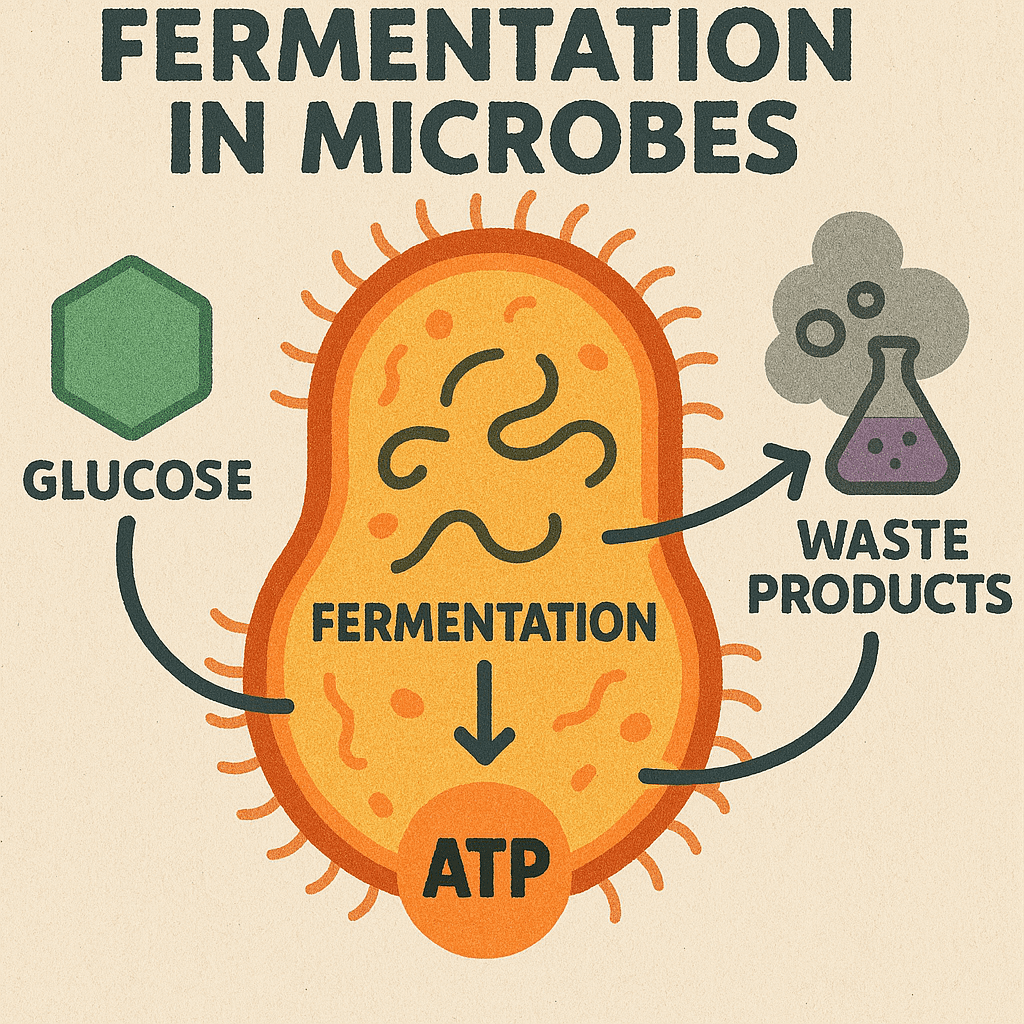
Microbial Fermentation: Processes, Pathways, and Applications
Fermentation is a metabolic process that enables cells to extract energy from organic molecules in […]
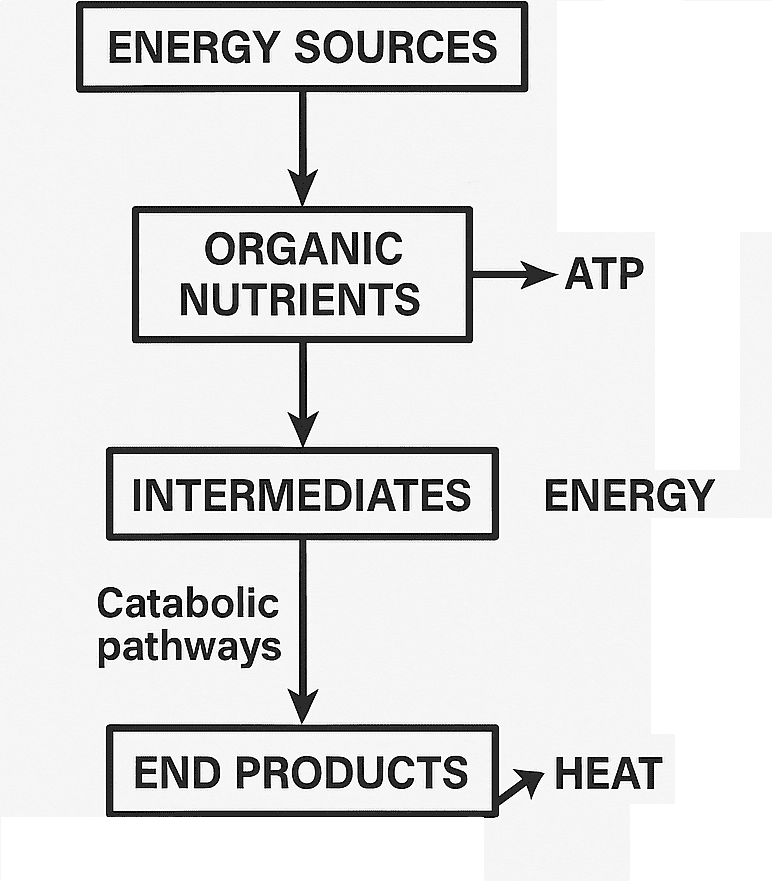
CATABOLIC PROCESSES IN MICROBIAL CELL (CATABOLISM)
RESPIRATION IN MICROBIAL CELL Respiration in microbial cells is generally an energy-yielding type of metabolism […]
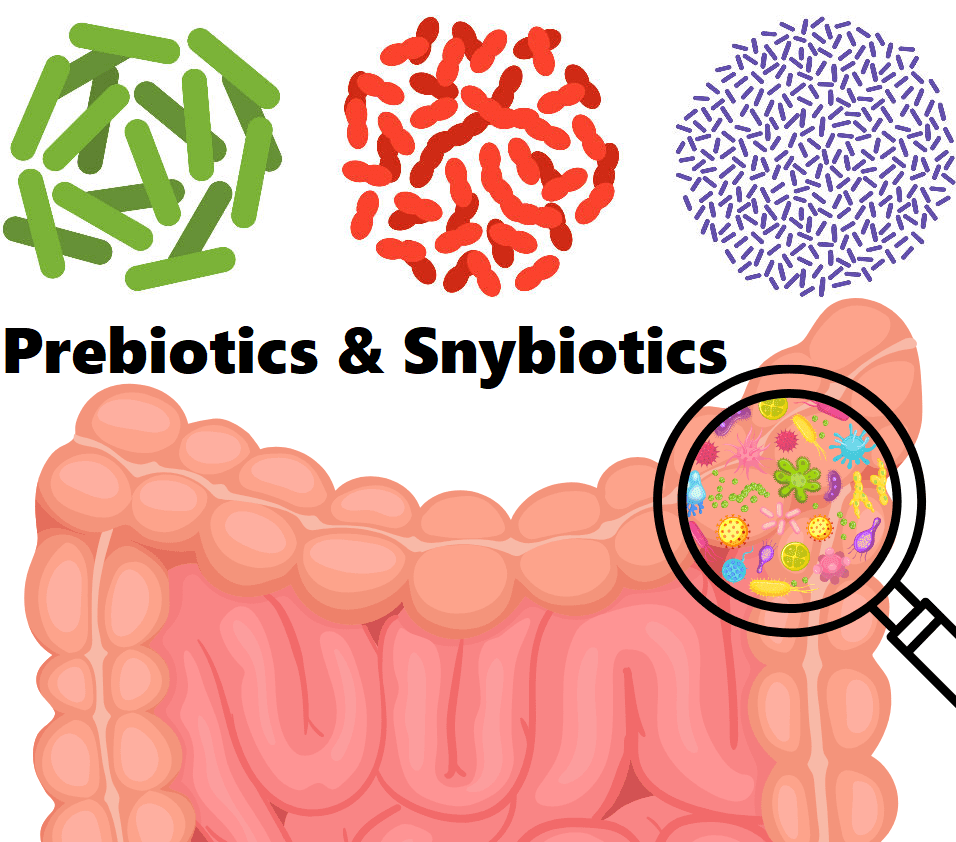
Harnessing the Power of Prebiotics and Synbiotics: A New Frontier in Gut Health and Beyond
IntroductionIn recent decades, scientific interest in gut health has intensified significantly, driven by a growing […]
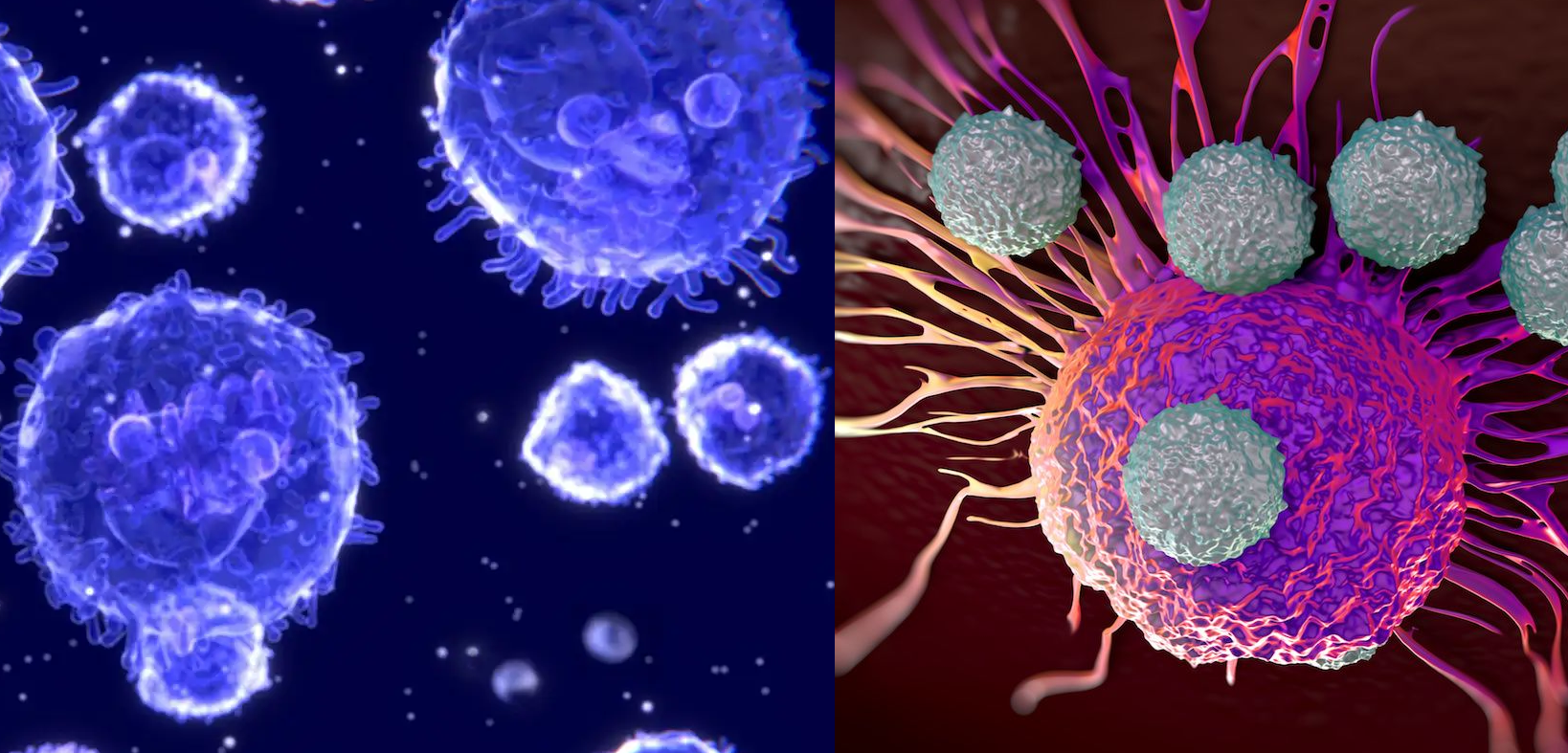
CELLS OF INNATE IMMUNITY: Activate Cells of Innate Immunity to Deliver Rapid, First-Line Host Defense
Innate immunity constitutes the evolutionarily conserved first line of host defense and is present across […]
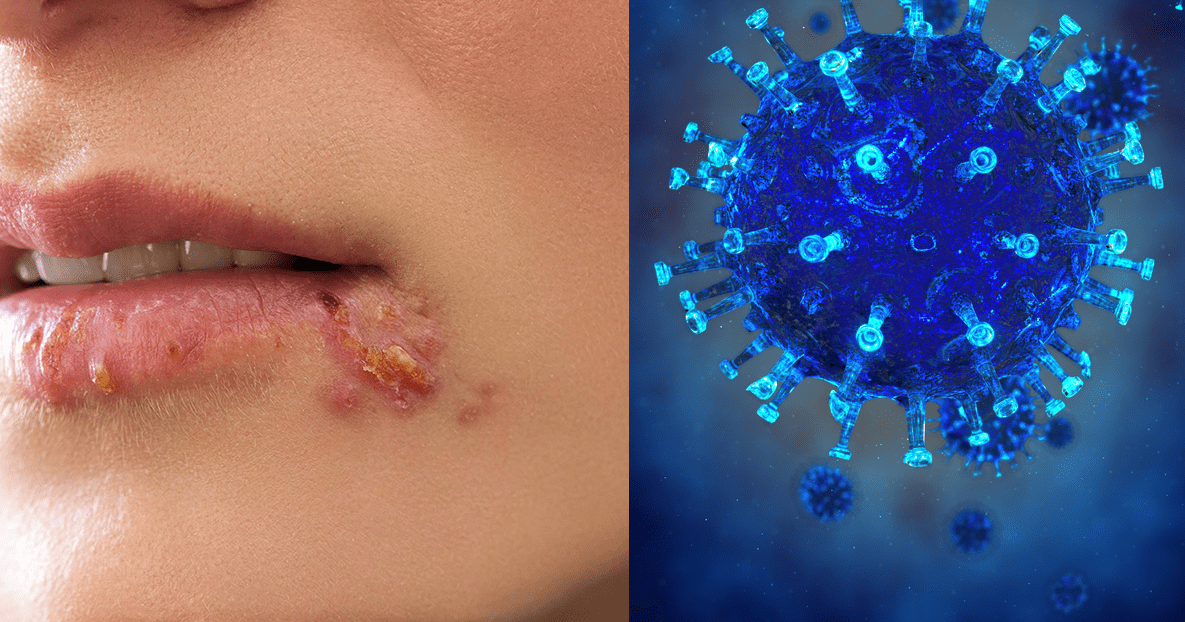
HERPESVIRIDAE FAMILY
Gammaherpesvirinae family has two genera viz: Lymphocryptovirus (that contain Epstein-Barr virus) and Rhadinovirus (that contain […]
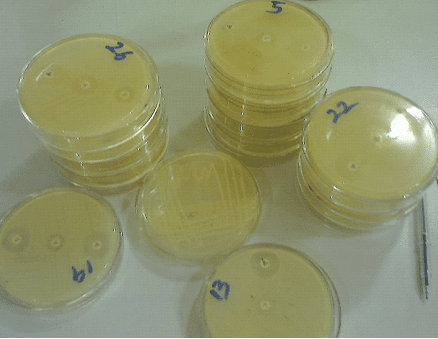
Types of culture media
GENERAL PURPOSE MEDIA General purpose media or basic medium is a routine culture media which […]
LISTERIA MONOCYTOGENES
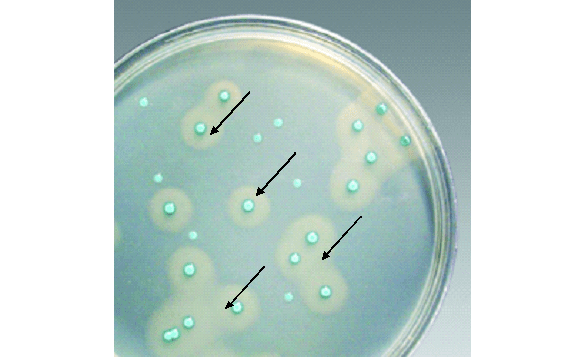
Listeria monocytogenes is a Gram-positive, catalase-positive, non-spore forming, aerobic or anaerobic intracellular rod bacterium in […]
Factors in the Design and Construction of Industrial Fermenters: An Interdisciplinary Approach to Cost-Efficient Bioprocessing
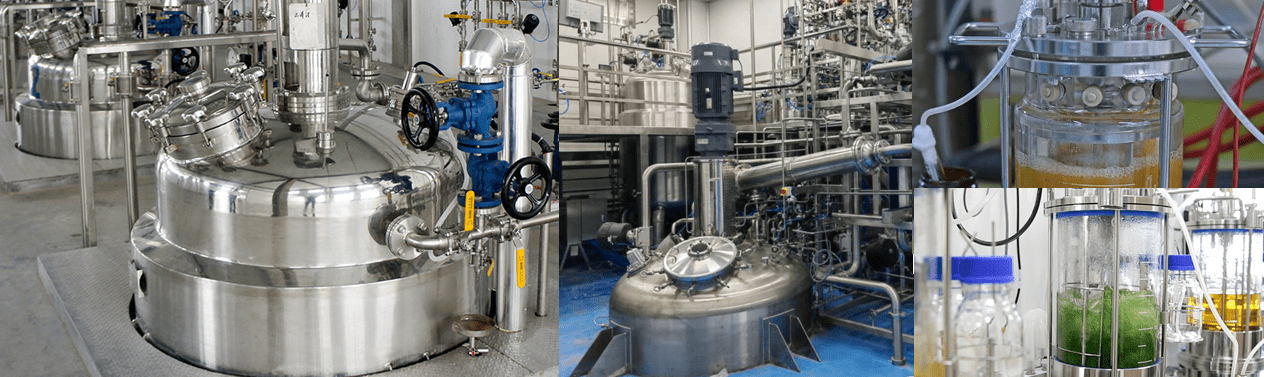
The success of any industrial fermentation process heavily depends on the efficiency, reliability, and appropriateness […]
AUTOMATED SYSTEMS FOR BACTERIAL IDENTIFICATION AND ANTIBIOGRAM: VITEK 2 AUTOMATED COMPACT SYSTEM & MALDI-TOF
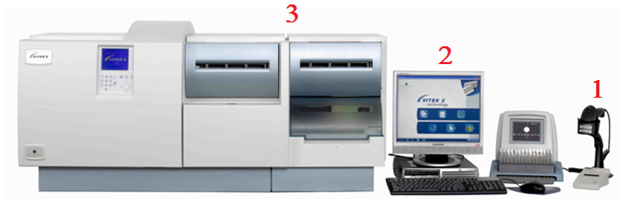
AUTOMATED SYSTEMS FOR BACTERIAL IDENTIFICATION AND ANTIBIOGRAM: VITEK 2 AUTOMATED COMPACT SYSTEM & MALDI-TOF There […]
Matrix-Assisted Laser Desorption/Ionization-Time of Flight Mass Spectrometry (MALDI-TOF MS) workflow
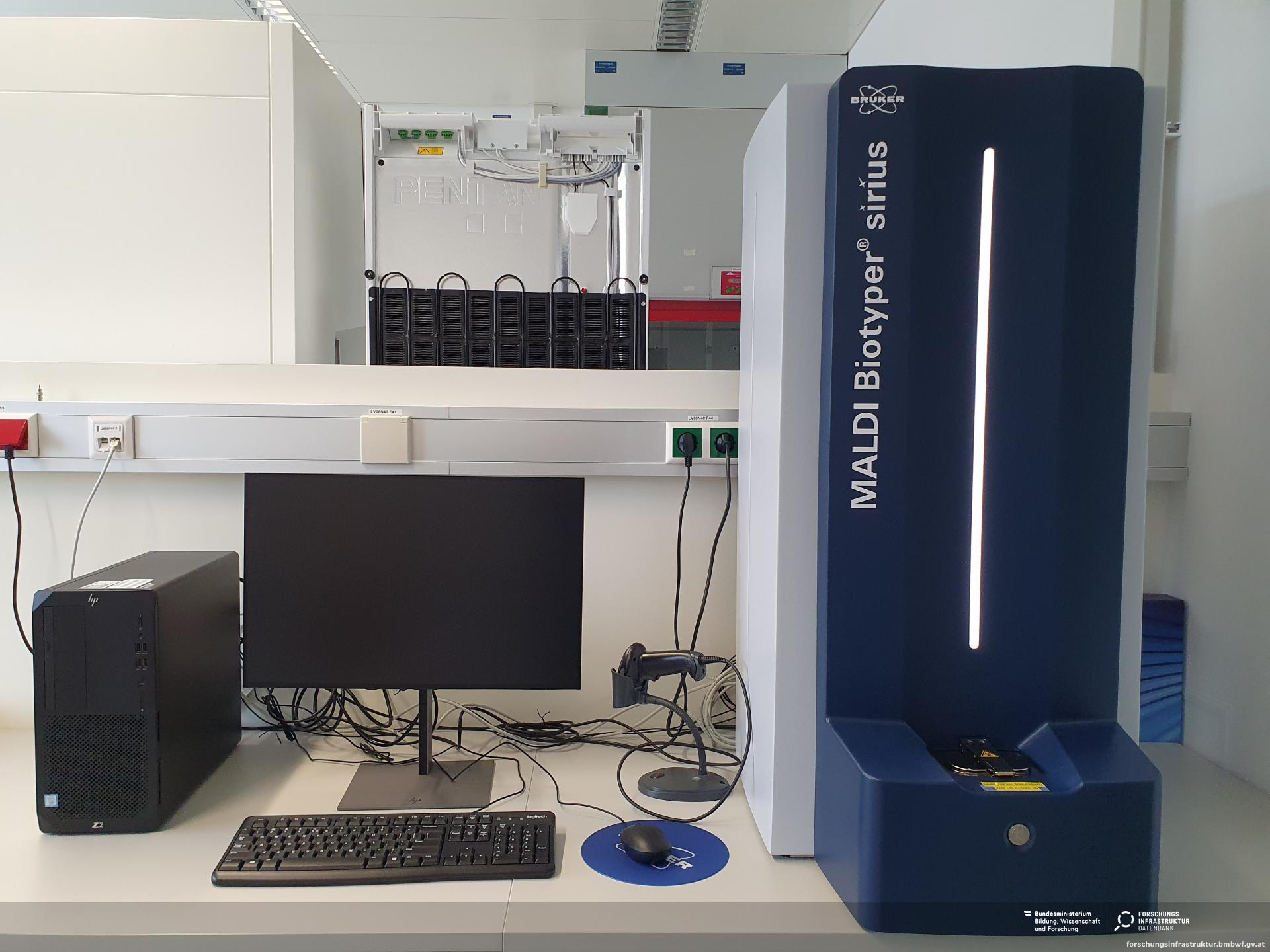
The workflow of Matrix-Assisted Laser Desorption/Ionization-Time of Flight Mass Spectrometry (MALDI-TOF MS) involves several critical […]
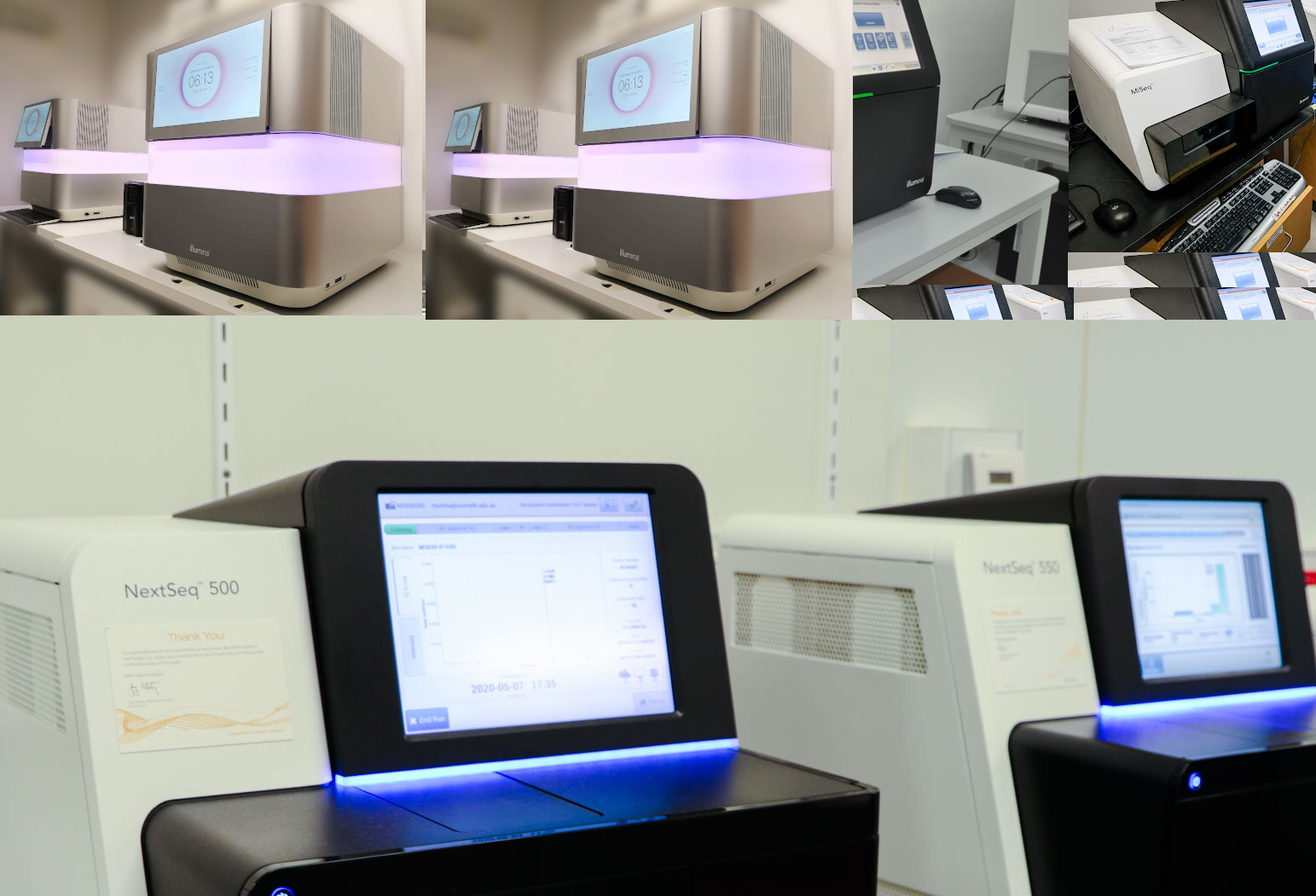
How does metagenomic sequencing differ from whole-genome sequencing (WGS)?
Metagenomic Sequencing Metagenomic sequencing and whole-genome sequencing (WGS) are distinct techniques, but they can generate […]
CURRENT CALLS & Scholarships for Training, Postdoc, Higher Education & Jobs
Women Grant Writing Programme (June–September 2025) The AREF-MRC Towards Leadership Programme 2025/2026 Research Development Fellowship 2025/26 […]
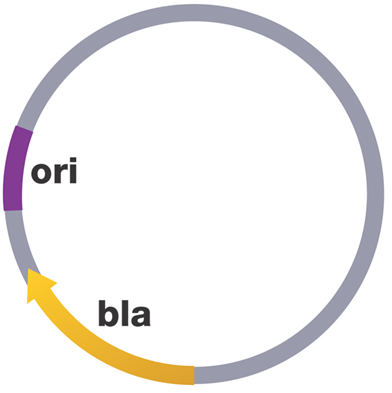
PLASMIDS
Plasmids are extrachromosomal DNA molecules found in both eukaryotic and prokaryotic microorganisms that have the […]
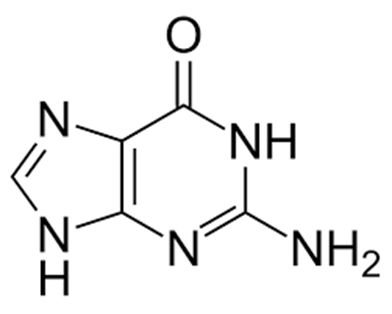
NITROGENOUS BASES – Purine and Pyrimidines
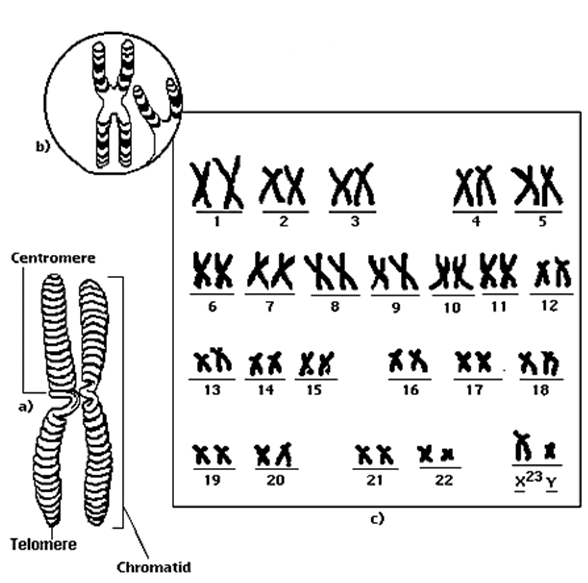
Genes in the DNA code for proteins; and it is the gene that directs the […]
Genes
Genes are sections of the deoxyribonucleic acid (DNA) that codes for the synthesis of a […]

Writing a manuscript and mastering abstracts: A GUIDE FOR AUTHORS
How you structure your article can affect how much it gets read—and cited. Each section […]
STREPTOCOCCUS PNEUMONIAE
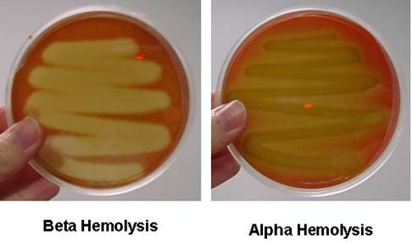
Streptococcus pneumoniae, prevalent in the human upper respiratory tract, causes various infections including pneumonia, often in vulnerable individuals. Its virulence is linked to its polysaccharide capsule, interfering with phagocytosis. Early detection and treatment with appropriate antibiotics and preventive vaccination are vital, especially for high-risk groups like the elderly and immunocompromised individuals.
SHIGELLA DYSENTERIAE
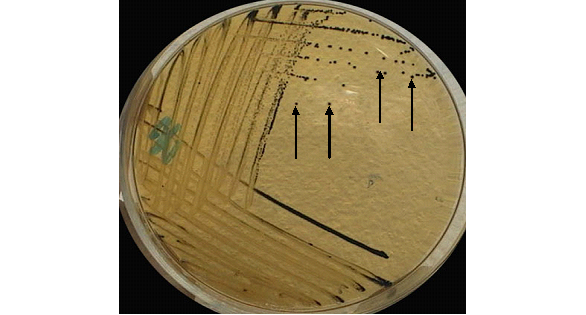
Shigella dysenteriae is a Gram-negative, non-motile bacterium causing bacillary dysentery. It’s transmitted primarily through the fecal-oral route, requiring a low dose to initiate infection. Symptoms include bloody diarrhea and abdominal cramps. Diagnosis involves stool cultures, and treatment may include antibiotics for severe cases. Prevention focuses on hygiene and clean water.
TREPONEMA PALLIDUM
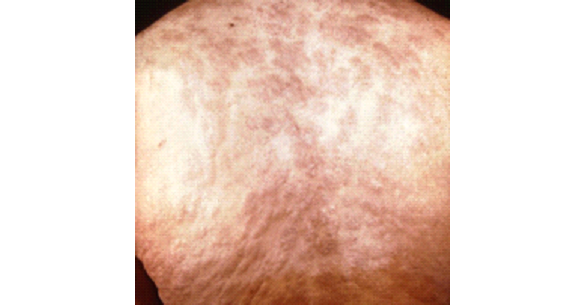
Treponema pallidum, a Gram-negative spirochaete, causes syphilis, a contagious STD spread through direct contact, including mother-to-child transmission. The disease progresses through primary, secondary, and tertiary stages without treatment, potentially causing severe complications. Laboratory diagnosis relies on serological tests, as the bacterium cannot be cultured in vitro. Prevention includes safe sexual practices and treating infected individuals.