

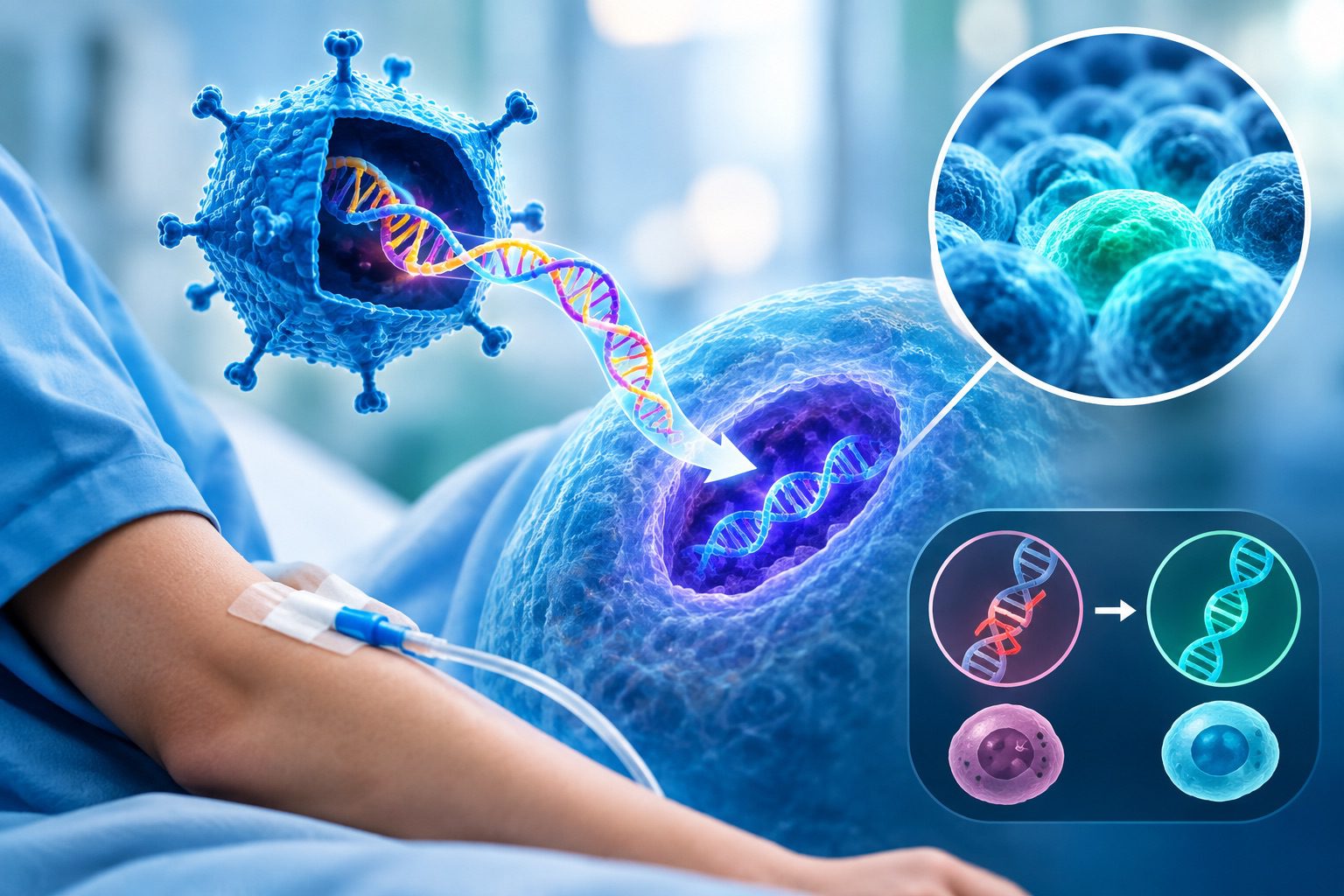
Gene therapy is used to deliver functional genes or therapeutic DNA into target cells and […]
Tag: immune response

History of Gene Therapy
The evolution of gene therapy represents one of the most ambitious and transformative trajectories in […]
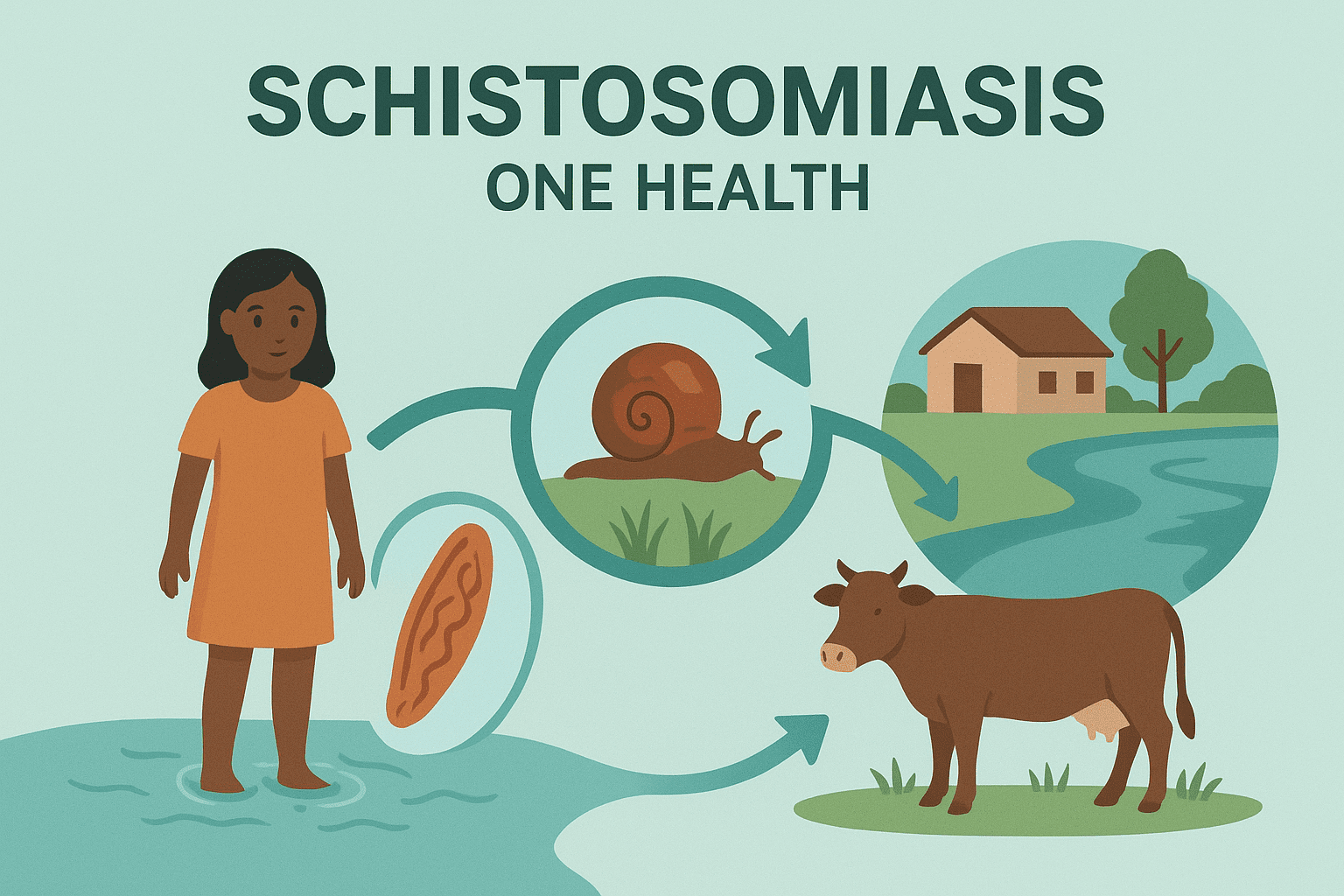
Schistosomiasis and One Health: Tackling a Snail-Borne Threat to Humans, Animals, and Ecosystems
Schistosomiasis, also known as bilharzia, is a debilitating water-borne disease caused by parasitic blood flukes […]
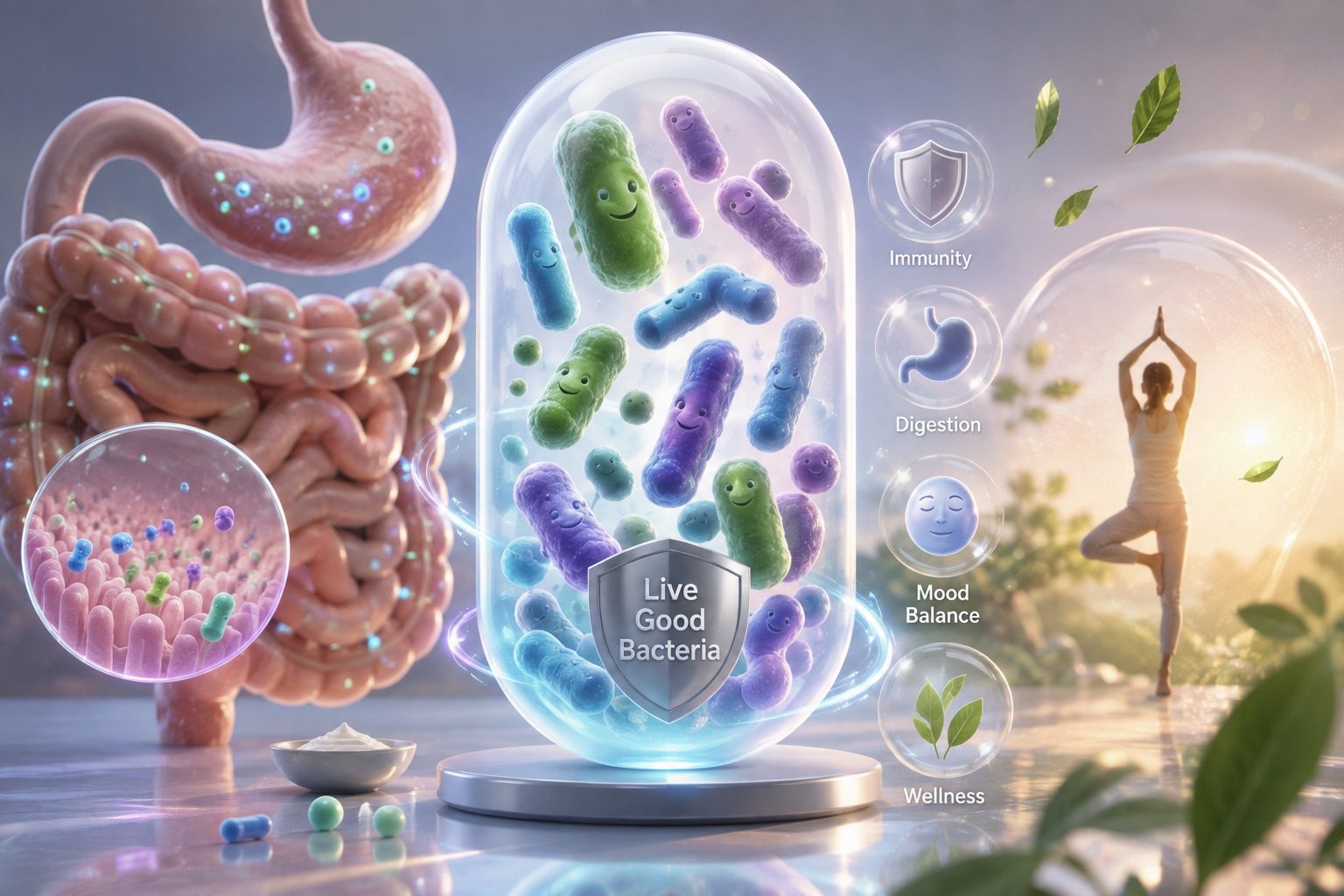
Probiotics: Key Features and Reported Mechanisms of Action
Microorganisms must meet stringent criteria to be used as probiotics, including being non-pathogenic, non-toxic, and able to survive stomach acid and pancreatic secretions. Probiotics confer health benefits such as enhancing the immune system, producing vitamins, preventing GI infections, and aiding in lactose digestion, potentially treating conditions like IBS and eczema.
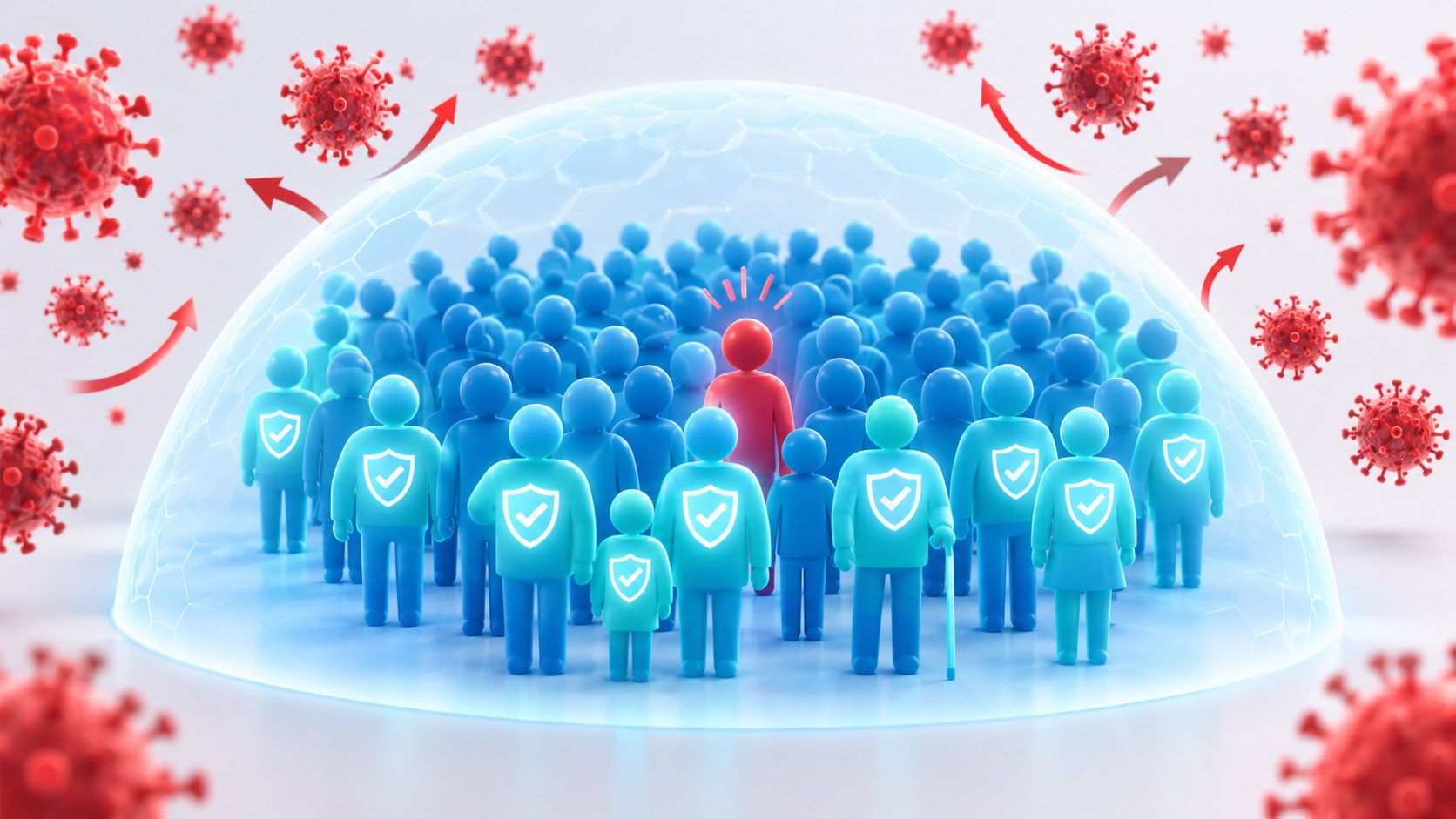
Herd (Population) Immunity
Herd immunity, also known as population immunity, refers to a state of indirect protection in […]
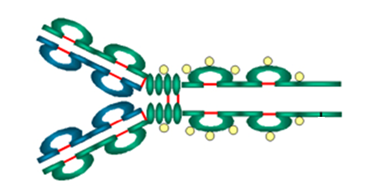
Immunoglobulin D (IgD)
Immunoglobulin D (IgD) is one of the five major classes of antibodies found in the […]

Immunoglobulin G (IgG)
Immunoglobulin G (IgG) is the most abundant class of antibodies in human blood and extracellular […]
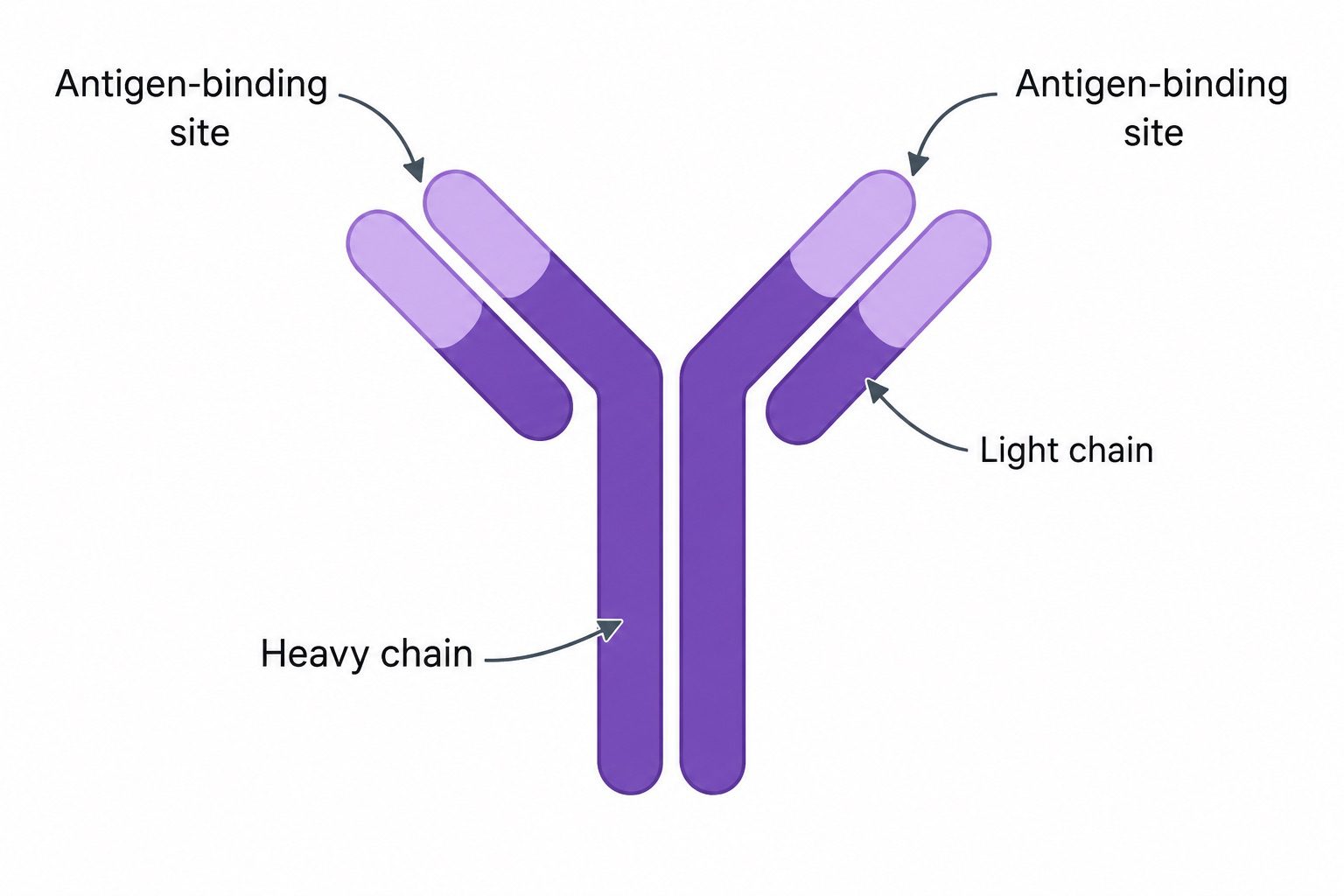
Immunoglobulin E (IgE)
Immunoglobulin E (IgE) is a specialized class of antibody that forms an important component of […]
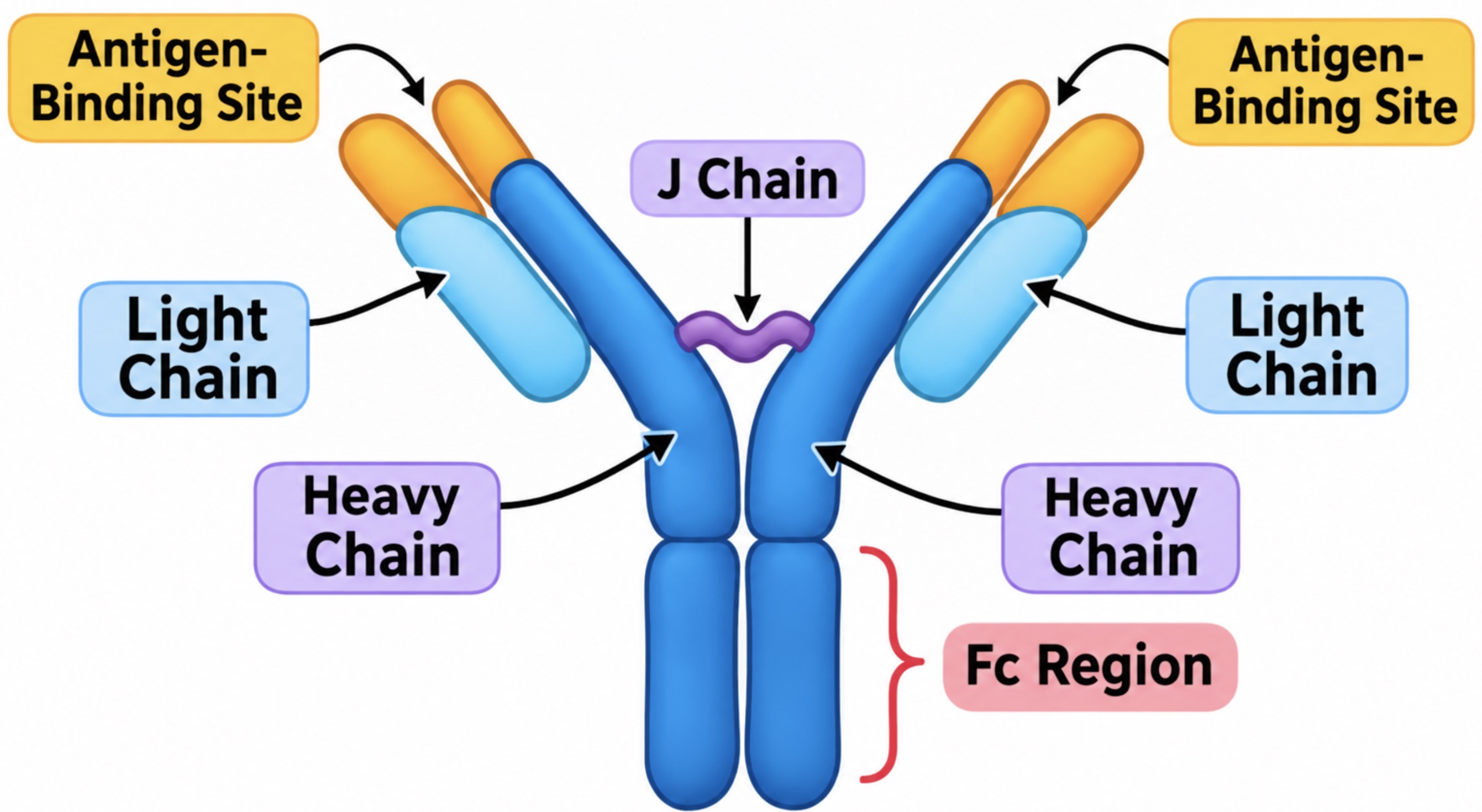
Immunoglobulin A (IgA)
Immunoglobulin A (IgA) is a specialized glycoprotein antibody that plays a fundamental role in the […]
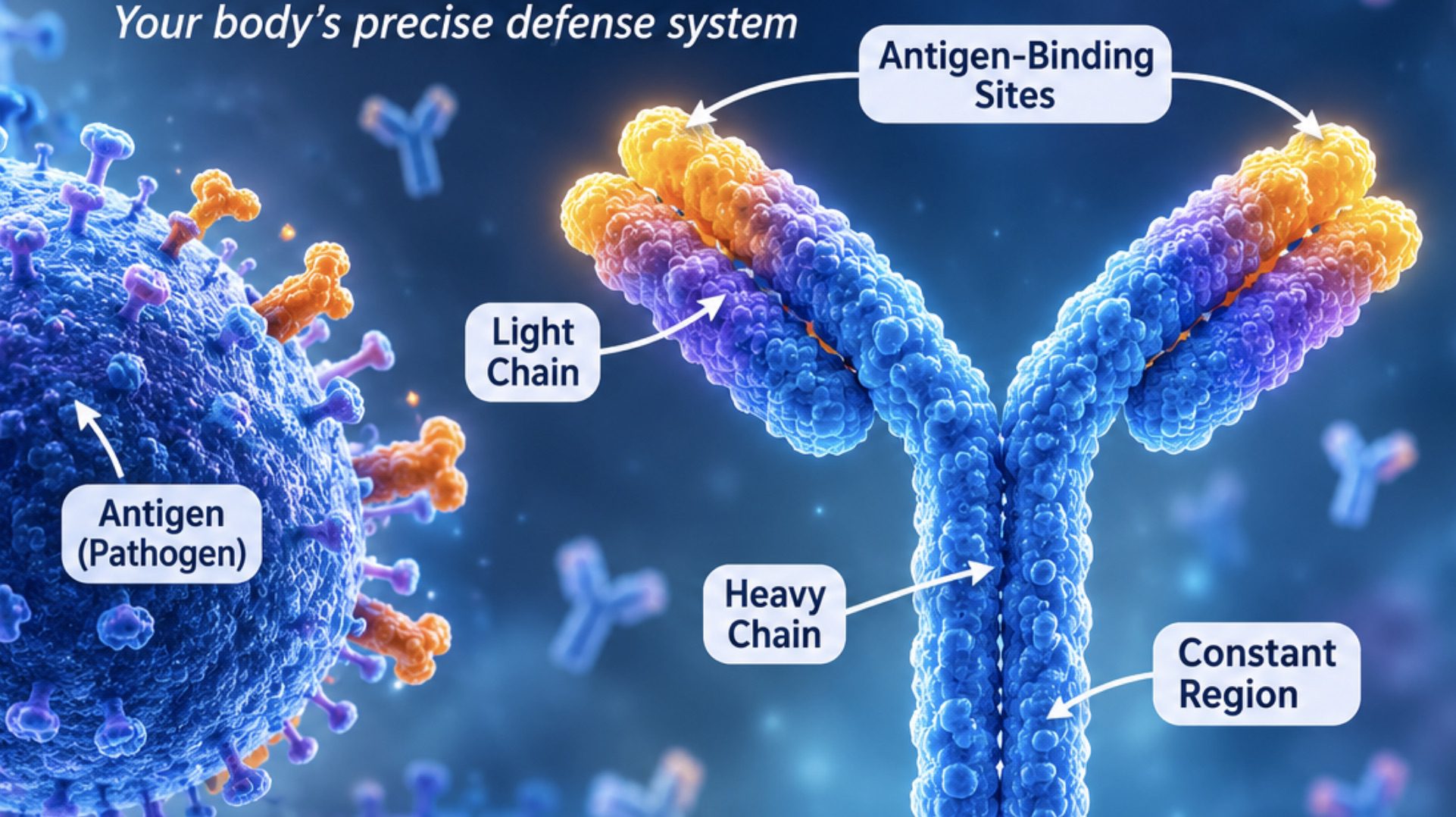
Antibodies (Immunoglobulins) and Mechanism of Production
Antibodies, scientifically known as immunoglobulins (Igs), are specialised glycoproteins that constitute a fundamental component of […]
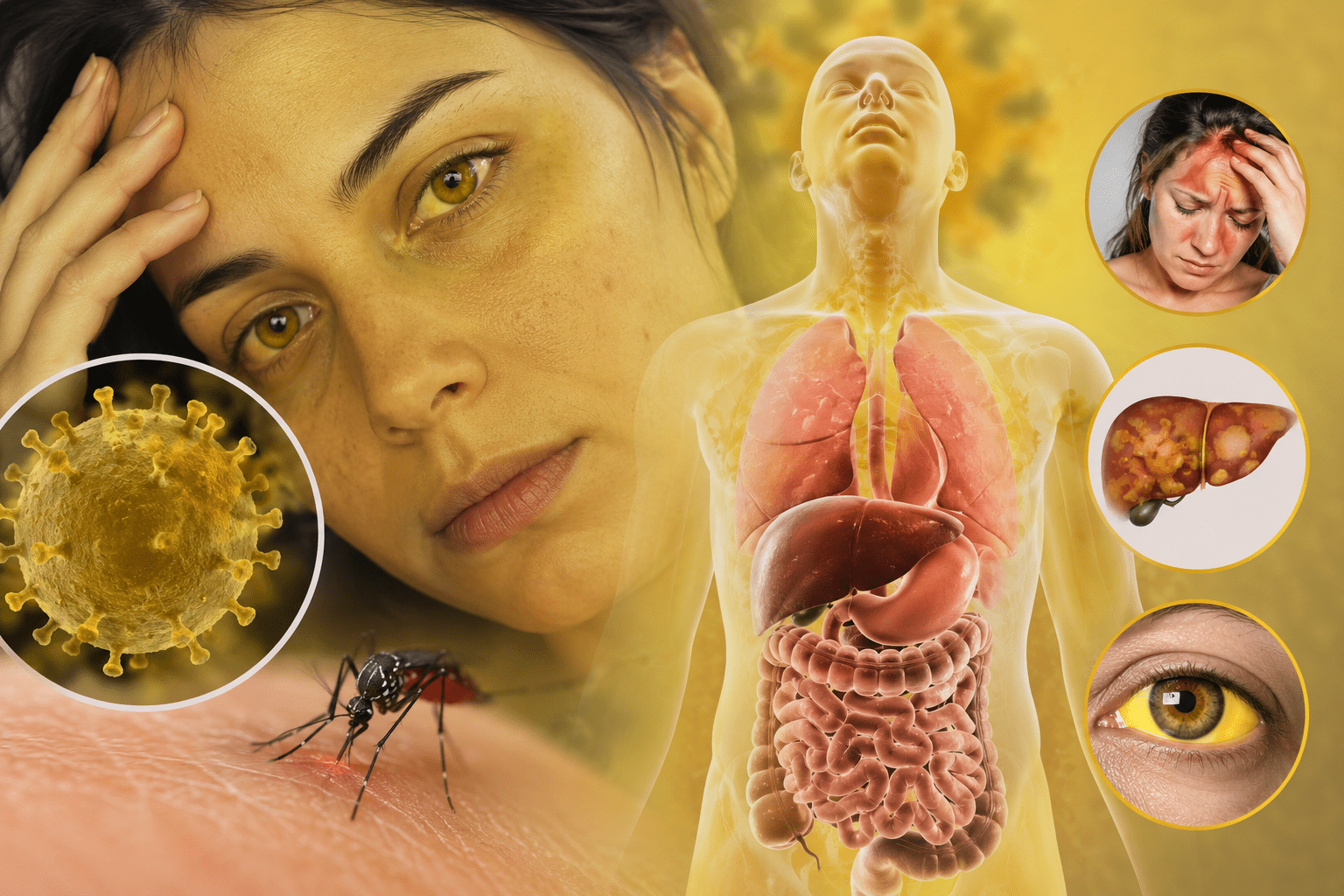
Yellow Fever Infection
Yellow fever is an acute viral mosquito-borne disease that remains an important public health concern […]
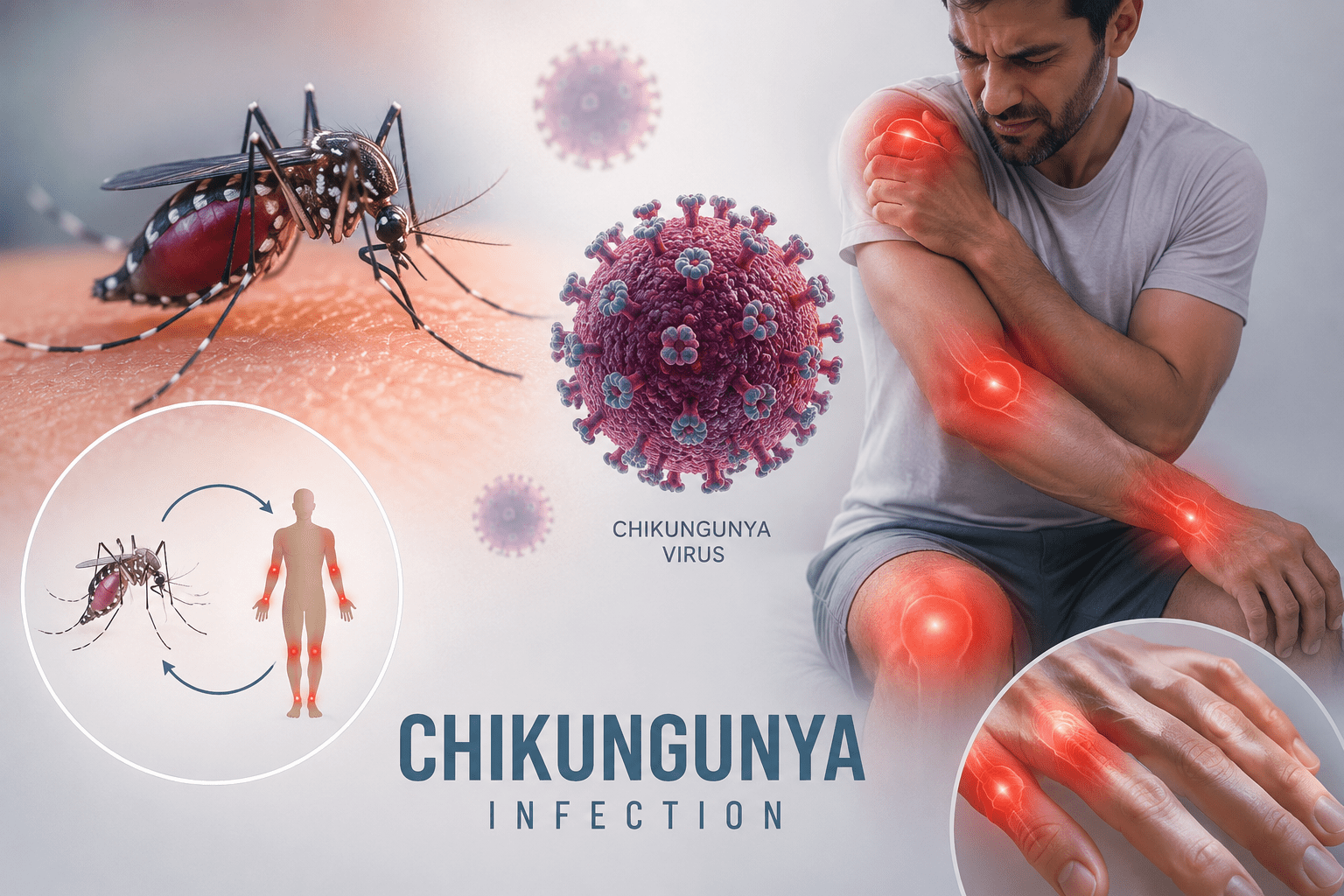
Chikungunya Infection
Chikungunya is a mosquito-borne viral disease first described during an outbreak in southern Tanzania in […]
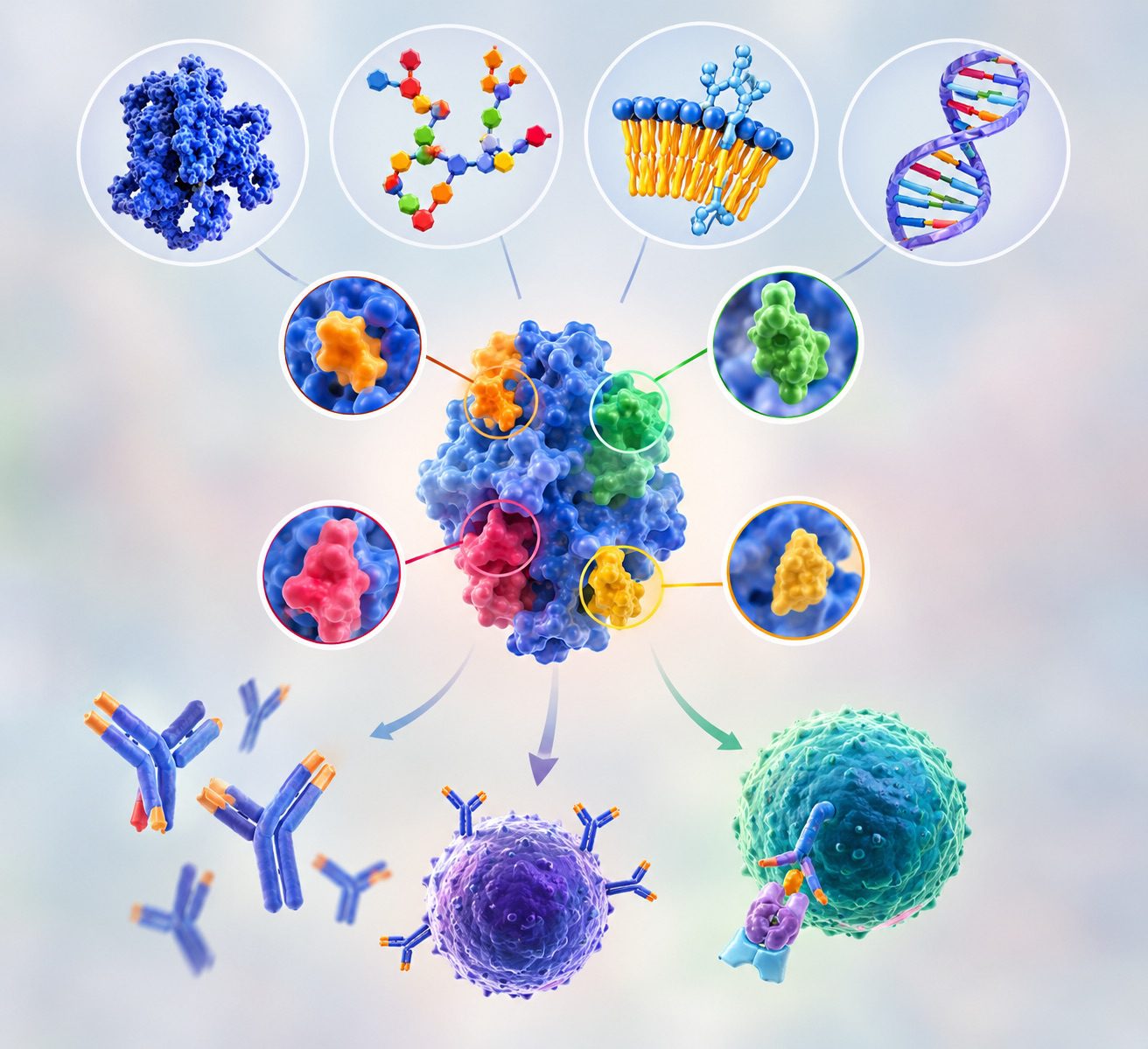
Antigen
An antigen is any substance or molecule that can trigger an immune response in an […]
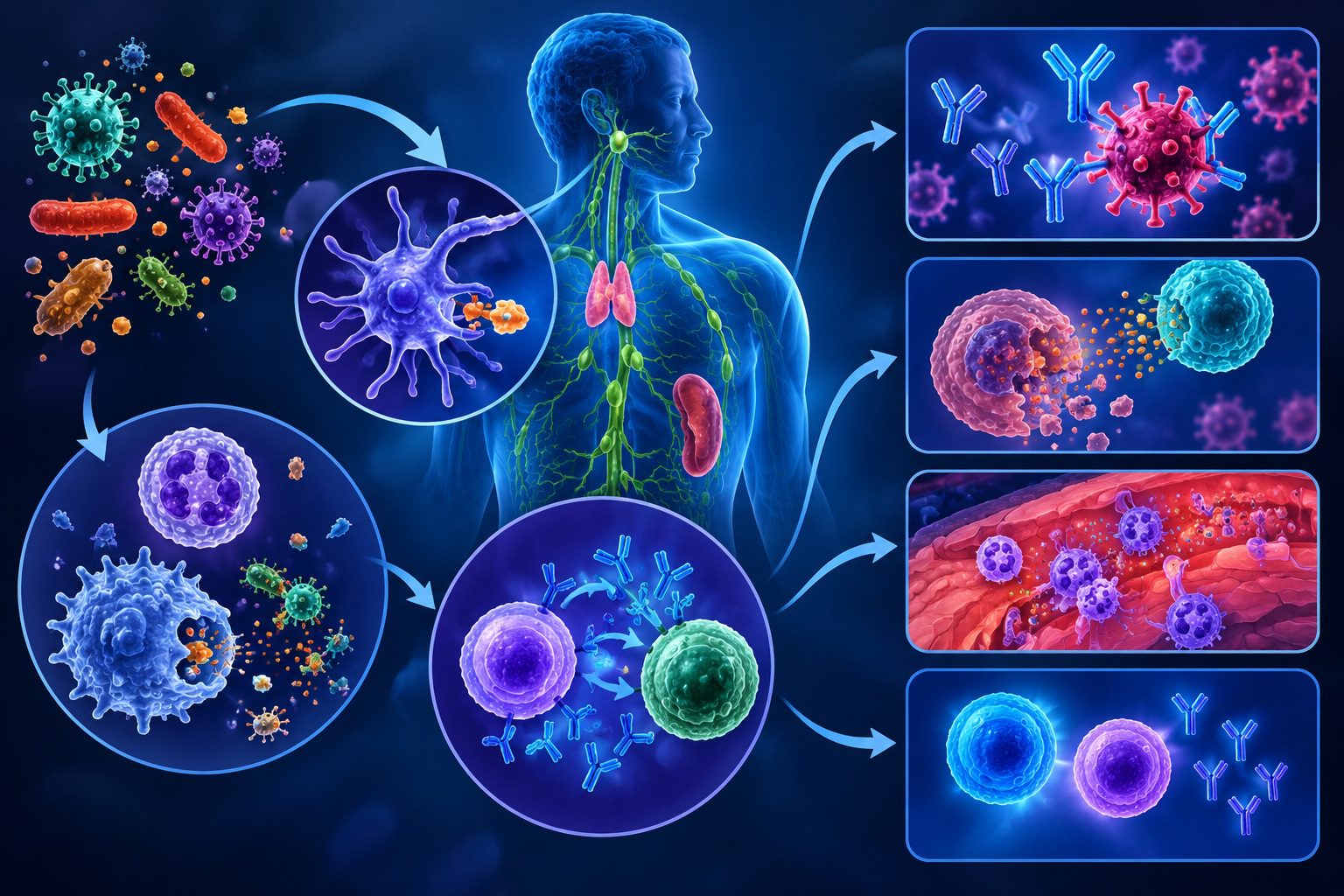
Introduction to Immunology and Responses of the Immune System
Immunology is defined as the branch of biomedical science that is concerned with the study of […]

PYROGEN TEST
A pyrogen is simply defined as a fever-causing (inducing) agent that includes toxins of microorganisms. […]