

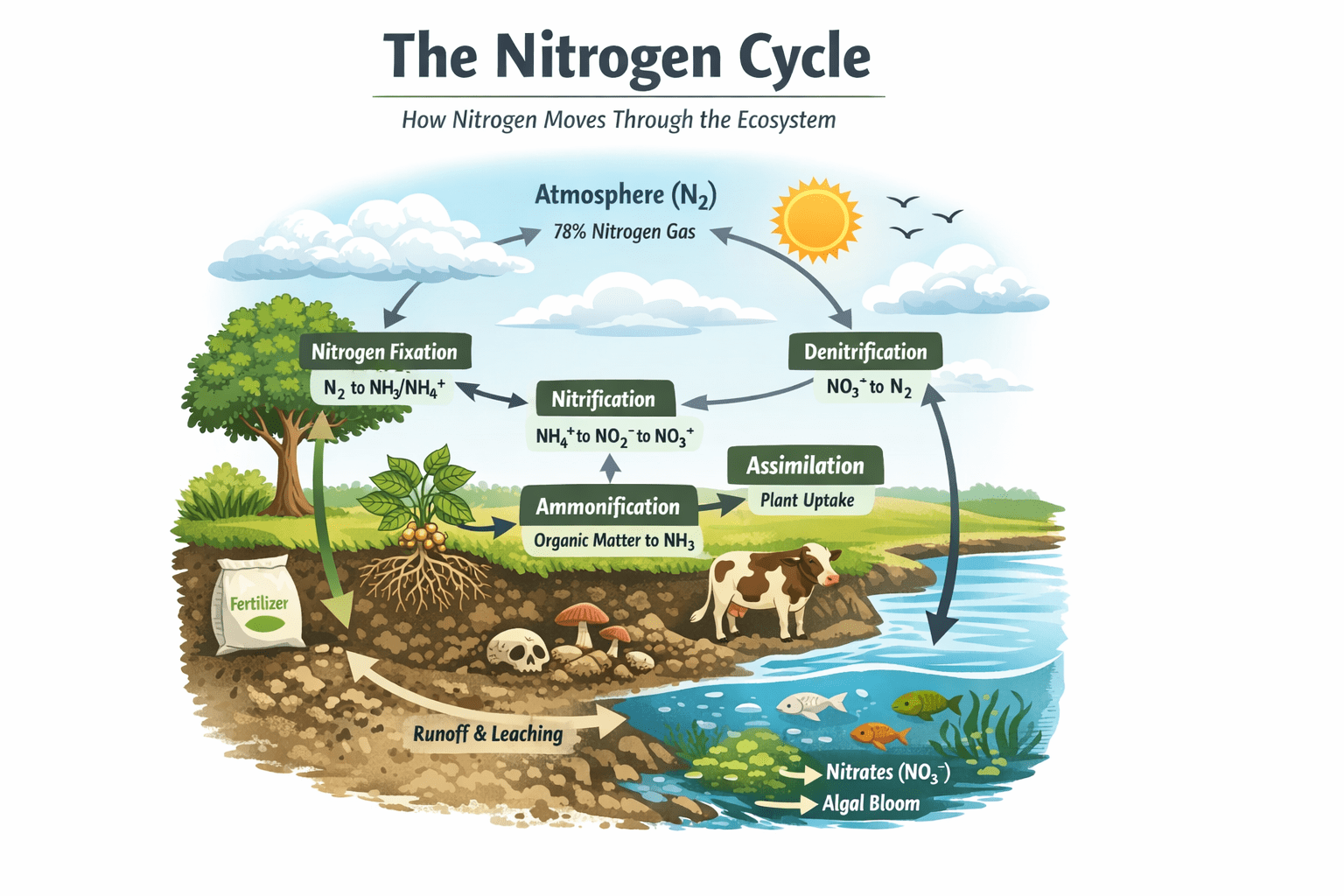
The nitrogen cycle is a fundamental biogeochemical process through which nitrogen is exchanged between the […]
Author: Dr. Chika Ejikeugwu
Dr. Chika Ejikeugwu is a Microbiologist, Researcher, and Educator with an extensive international profile. He was a Fellow of the Alexander von Humboldt (AvH) Foundation, Germany from 2023-2026. Currently, he serves as a Research Fellow at the Department of Microbiology, Brandenburg University of Technology (BTU) Cottbus-Senftenberg, Germany. His research focuses on antimicrobial resistance (AMR) and the ecological impacts of antibiotics, with particular emphasis on soil ecosystems. He is the founder and developer of Africa’s leading microbiology platform, www.MicrobiologyClass.net, a widely recognized knowledge hub that supports students, professionals, and researchers across Africa and beyond. The platform is a key resource for advancing microbiology education and research with global reach and relevance.
Throughout his career, Dr. Ejikeugwu has held several prestigious international research appointments and fellowships, including a Research Fellowship at the Helmholtz Centre for Environmental Research (UFZ), Leipzig, Germany, within the soilRESIST project, where he investigated the effects of antibiotic mixtures on soil microbiomes. He has also completed postdoctoral fellowships at the Federal Institute for Materials Research and Testing (BAM), Berlin, Germany, under the DAAD program, and at Kyoto University, Kyoto, Japan, under the MIF fellowship scheme. In recognition of his contributions to AMR research, he received the Young Investigator Award on AMR from Institut Mérieux, France, in 2021. He is also a recipient of the NIH CAMRA grant supporting research on AMR in poultry environments.
Dr. Ejikeugwu was a member of the Global Young Academy (GYA), Germany, and holds memberships in several professional organizations, including Applied Microbiology International (AMI), the European Society of Clinical Microbiology and Infectious Diseases (ESCMID), the American Society for Microbiology (ASM), and the Nigerian Society for Microbiology (NSM). He earned his PhD. in Pharmaceutical Microbiology and Biotechnology in 2017 from Nnamdi Azikiwe University, Nigeria. In his current role as Reader at ESUT, Nigeria, he is deeply engaged in teaching, mentorship, and research leadership. He supervises undergraduate and postgraduate students, fostering academic development and strengthening capacity in microbiology and AMR research. Driven by a sustained commitment to scientific excellence, education, and international collaboration, Dr. Ejikeugwu continues to contribute significantly to the advancement of microbiology and AMR research worldwide.

Carbon cycle: Enhancing Understanding and Stewardship of the Carbon Cycle for a Sustainable Planet
Carbon is the fundamental element that anchors all organic compounds in the ecosystem. It serves […]
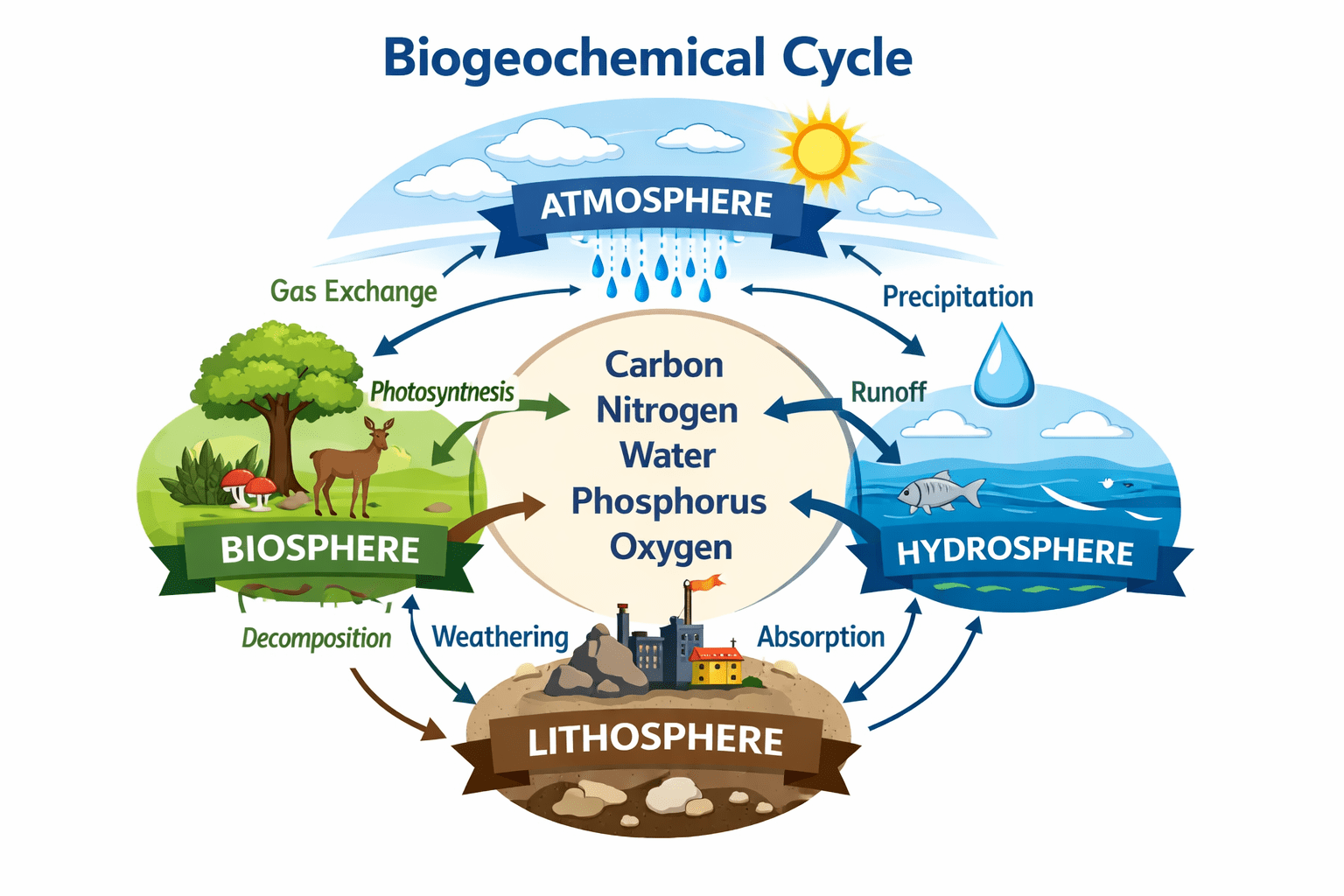
Biogeochemical Cycles and Their Importance to Life on Earth
The term biogeochemical is derived from the combination of three distinct but interrelated words: bio, geo, and chemical. The prefix bio refers […]
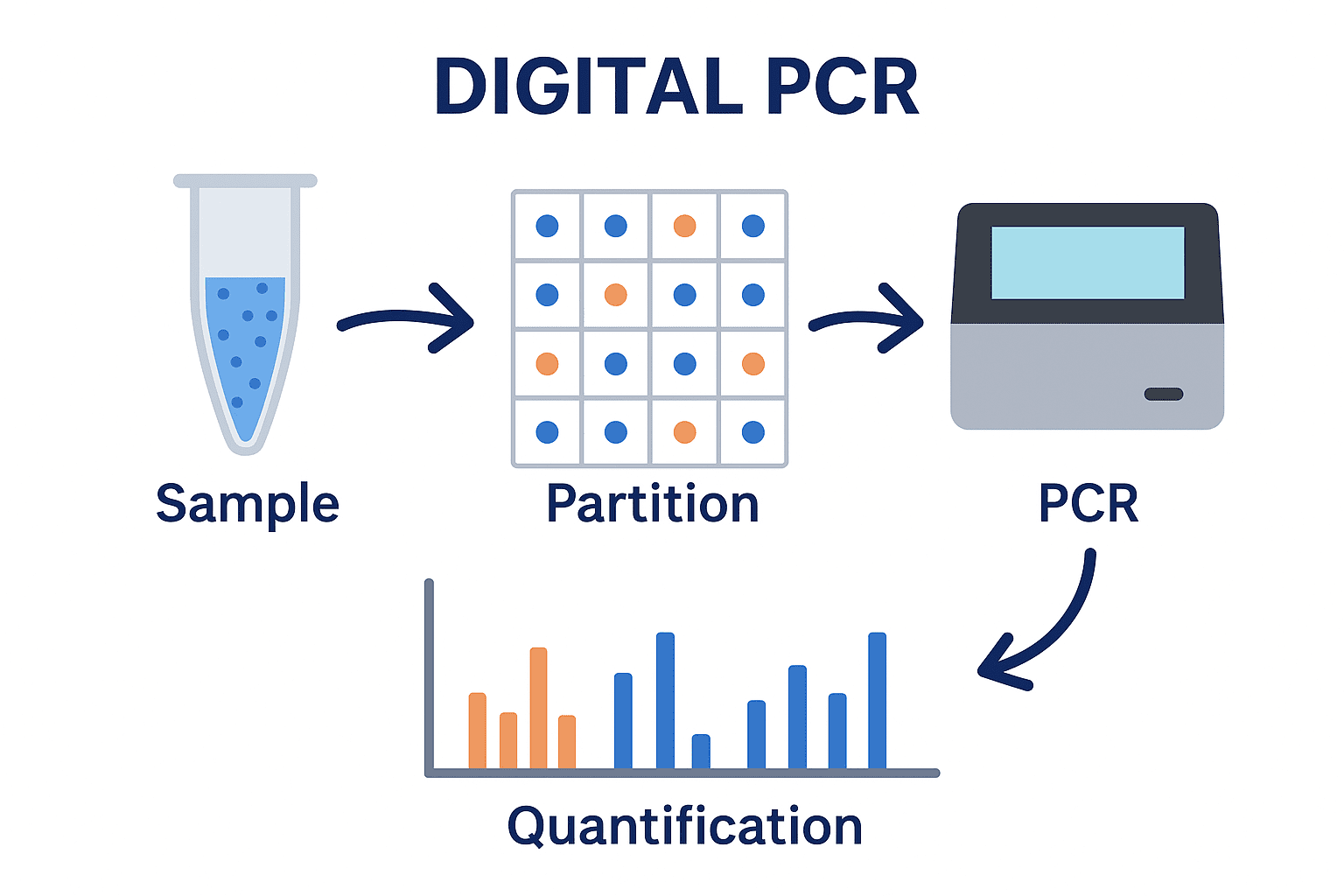
Digital PCR (dPCR): The Next Frontier in Absolute Nucleic Acid Quantification
Digital PCR (dPCR) is a method of quantifying nucleic acid (DNA or RNA) targets without […]
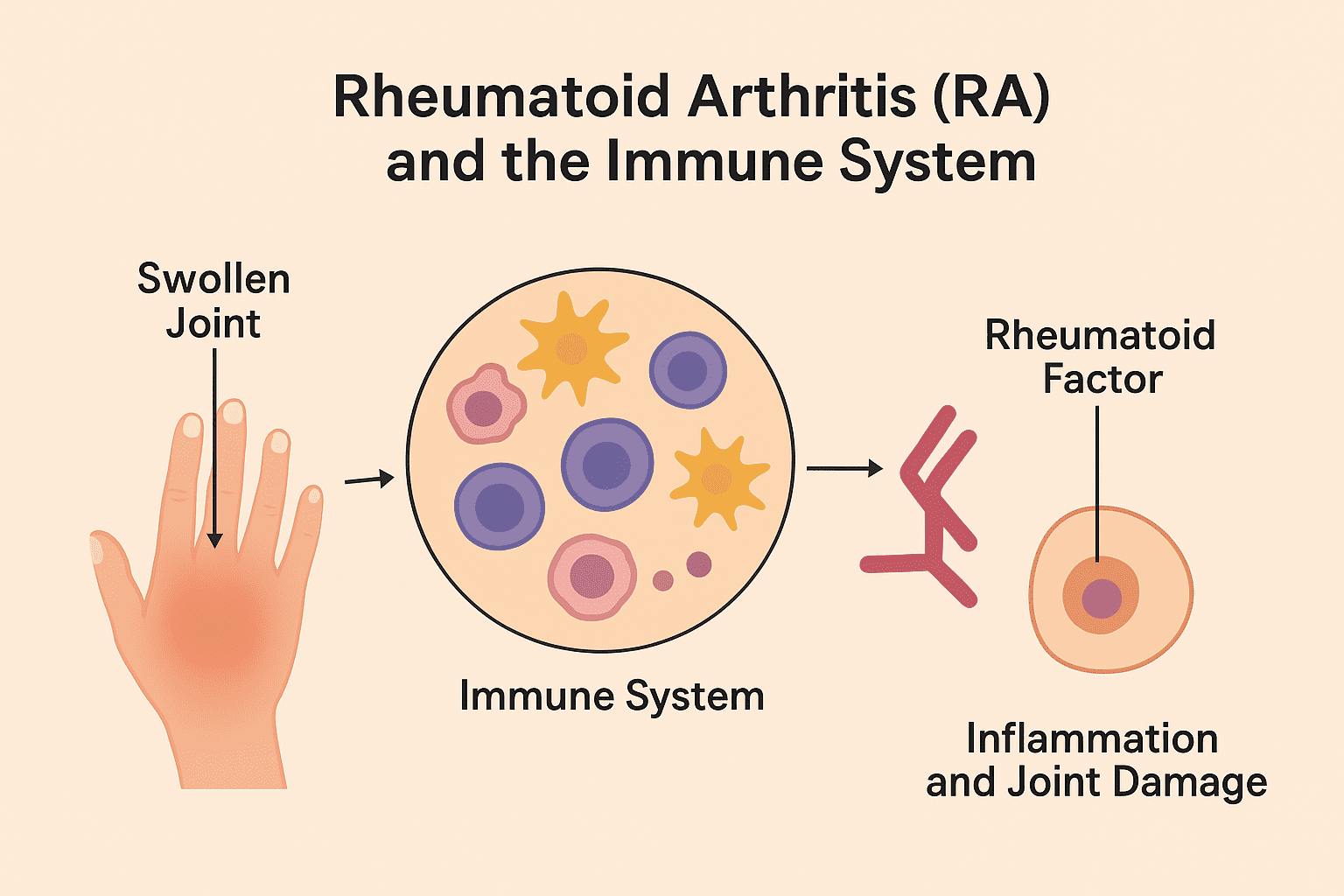
From Genes to Joints: Understanding Rheumatoid Arthritis as an Autoimmune Disease
Autoimmune diseases occur when the body’s immune system mistakenly attacks its own healthy cells and tissues, […]

Schistosomiasis and One Health: Tackling a Snail-Borne Threat to Humans, Animals, and Ecosystems
Schistosomiasis, also known as bilharzia, is a debilitating water-borne disease caused by parasitic blood flukes […]

From Soil to Solution: How Streptomycin is Extracted and Evaluated
Antibiotics remain one of the most important discoveries in medical science, serving as a cornerstone […]

How Global Change Contributes to the Spread of Infectious Diseases
The dynamics of infectious disease transmission are shaped by a complex interplay of environmental, biological, […]

Chikungunya: Mosquito-Borne Viral Disease
Chikungunya (CHIKV) is a mosquito-borne viral disease marked by sudden onset fever and severe joint […]

Metaproteomics & Transcriptomics
What is Metaproteomics? Metaproteomics refers to the large-scale characterization of the complete set of proteins […]
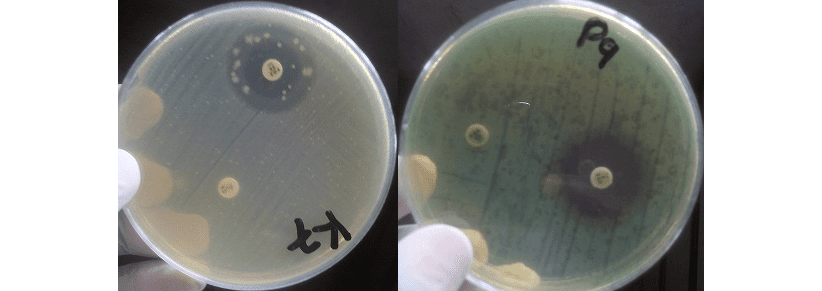
AmpC Enzymes (β-lactamases)
AmpC β-lactamases are clinically important cephalosporinases encoded on the chromosomes of many of the Enterobacteriaceae […]
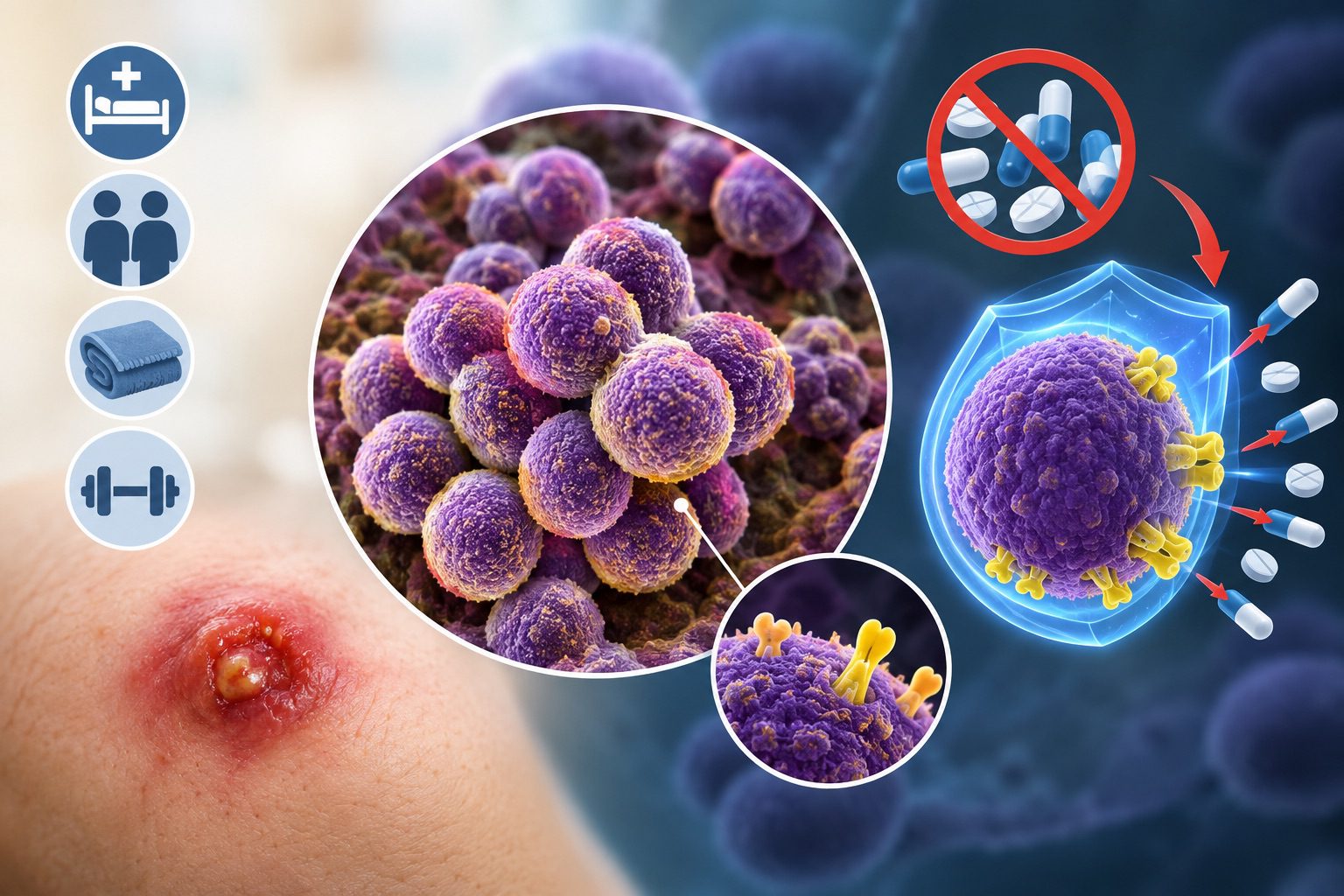
Methicillin-resistant Staphylococcus aureus (MRSA)
Methicillin-resistant Staphylococcus aureus (MRSA) is a clinically significant bacterial pathogen that has developed resistance to multiple antibiotics, […]
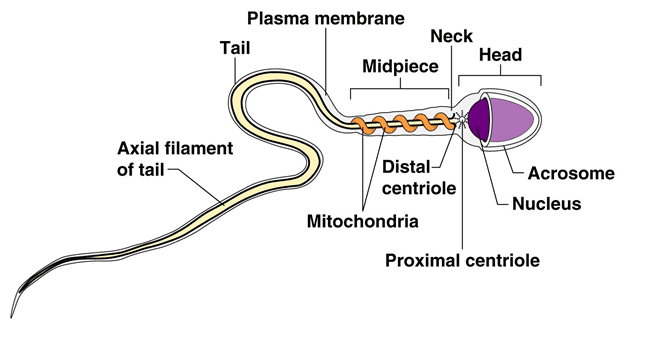
SEMINAL FLUID (SEMEN) MICROSCOPY, CULTURE & SPERM CELL COUNT
SEMEN MICROSCOPY AIM: To determine any abnormality in a seminal fluid (semen) as an aid […]
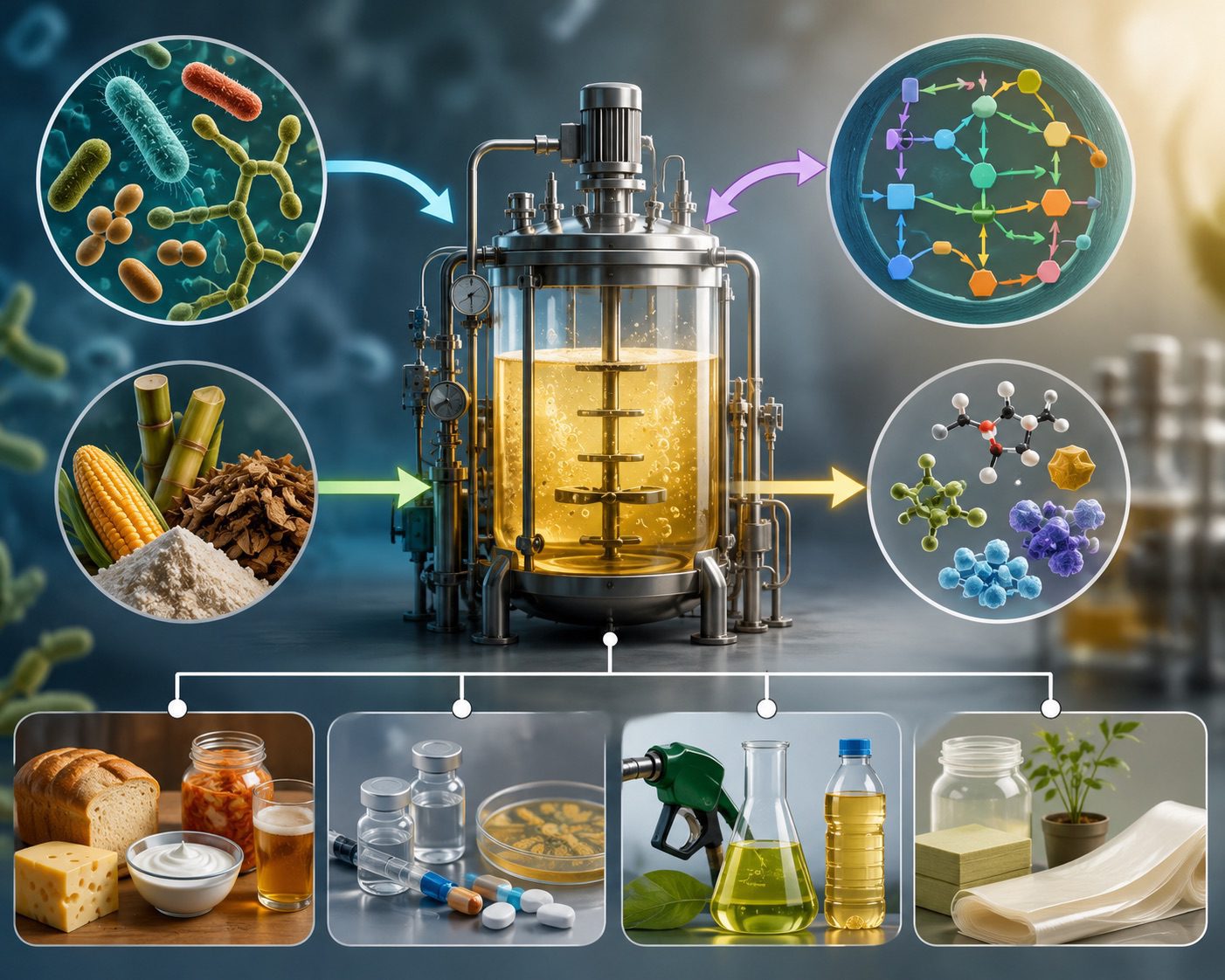
Microbial Fermentation: Processes, Pathways, and Applications
Fermentation is a metabolic process that enables cells to extract energy from organic molecules in […]
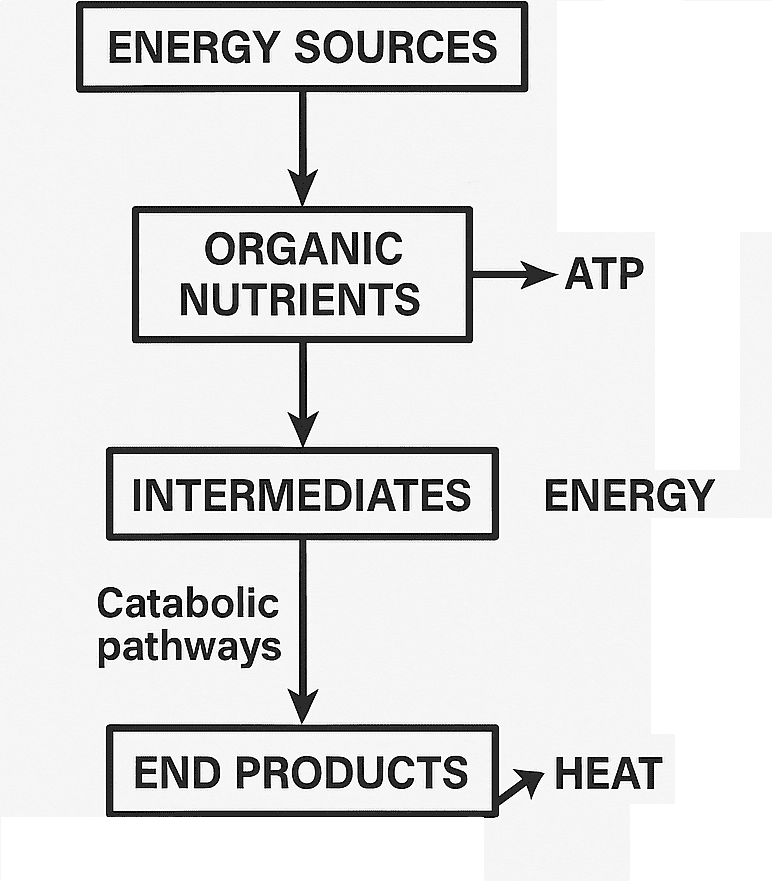
CATABOLIC PROCESSES IN MICROBIAL CELL (CATABOLISM)
RESPIRATION IN MICROBIAL CELL Respiration in microbial cells is generally an energy-yielding type of metabolism […]
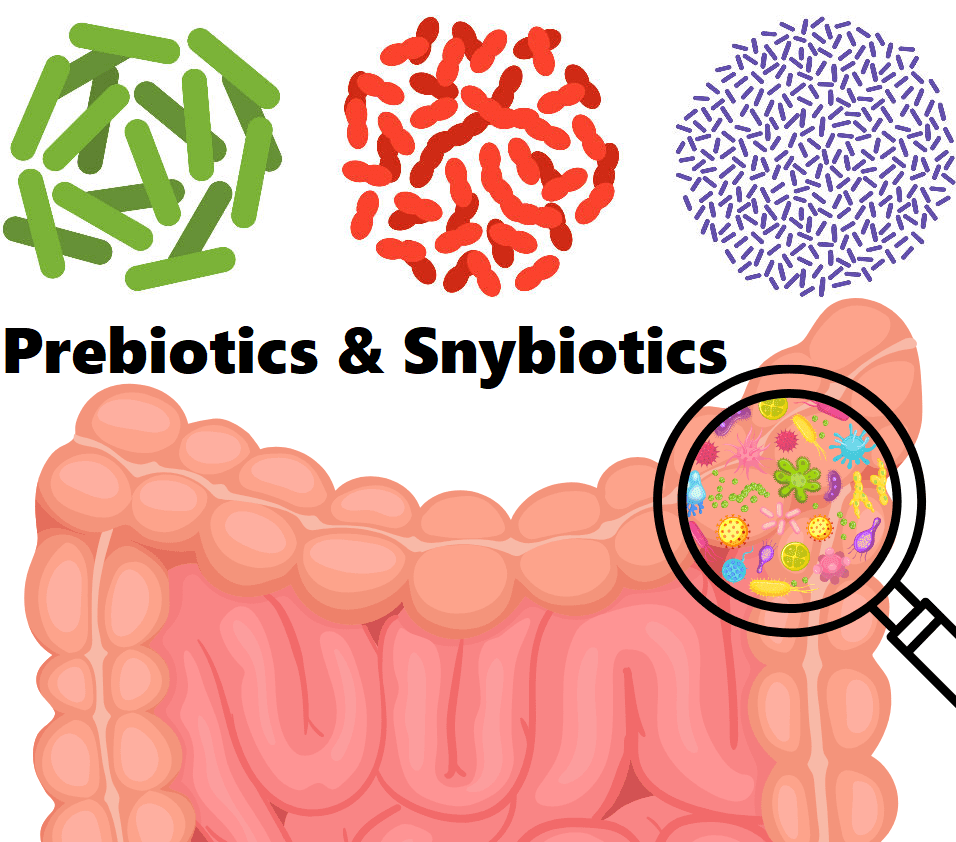
Prebiotics and Synbiotics: A New Frontier in Gut Health
In recent decades, scientific interest in gut health has intensified significantly, driven by a growing […]
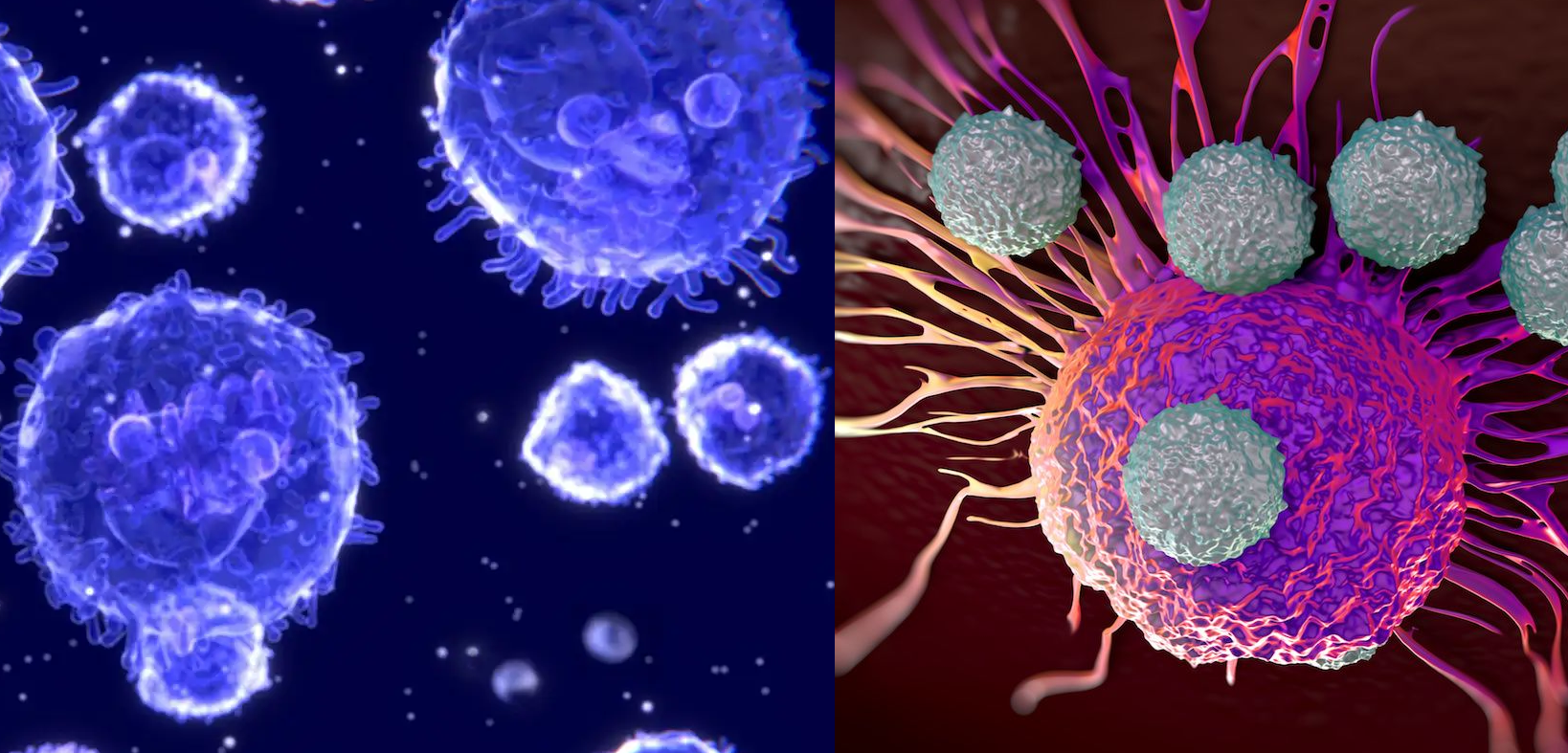
CELLS OF INNATE IMMUNITY: Activate Cells of Innate Immunity to Deliver Rapid, First-Line Host Defense
Innate immunity constitutes the evolutionarily conserved first line of host defense and is present across […]
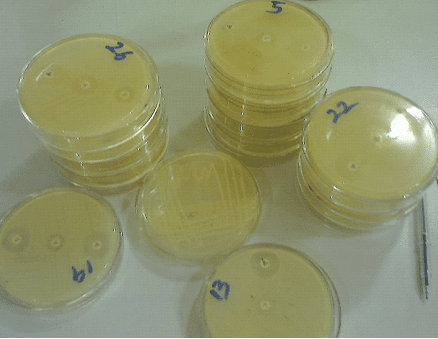
Types of culture media
GENERAL PURPOSE MEDIA General purpose media or basic medium is a routine culture media which […]
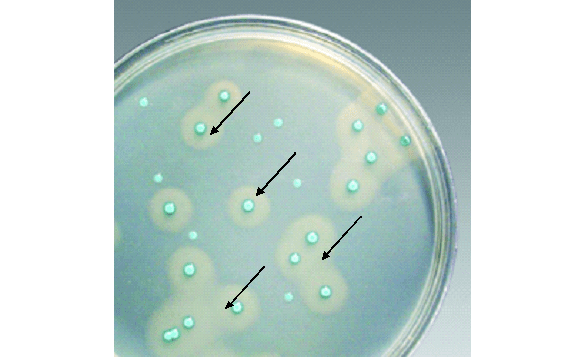
LISTERIA MONOCYTOGENES
Listeria monocytogenes is a Gram-positive, catalase-positive, non-spore forming, aerobic or anaerobic intracellular rod bacterium in […]

Factors to Consider in the Design and Construction of Industrial Fermenters
The success of any industrial fermentation process heavily depends on the efficiency, reliability, and appropriateness […]
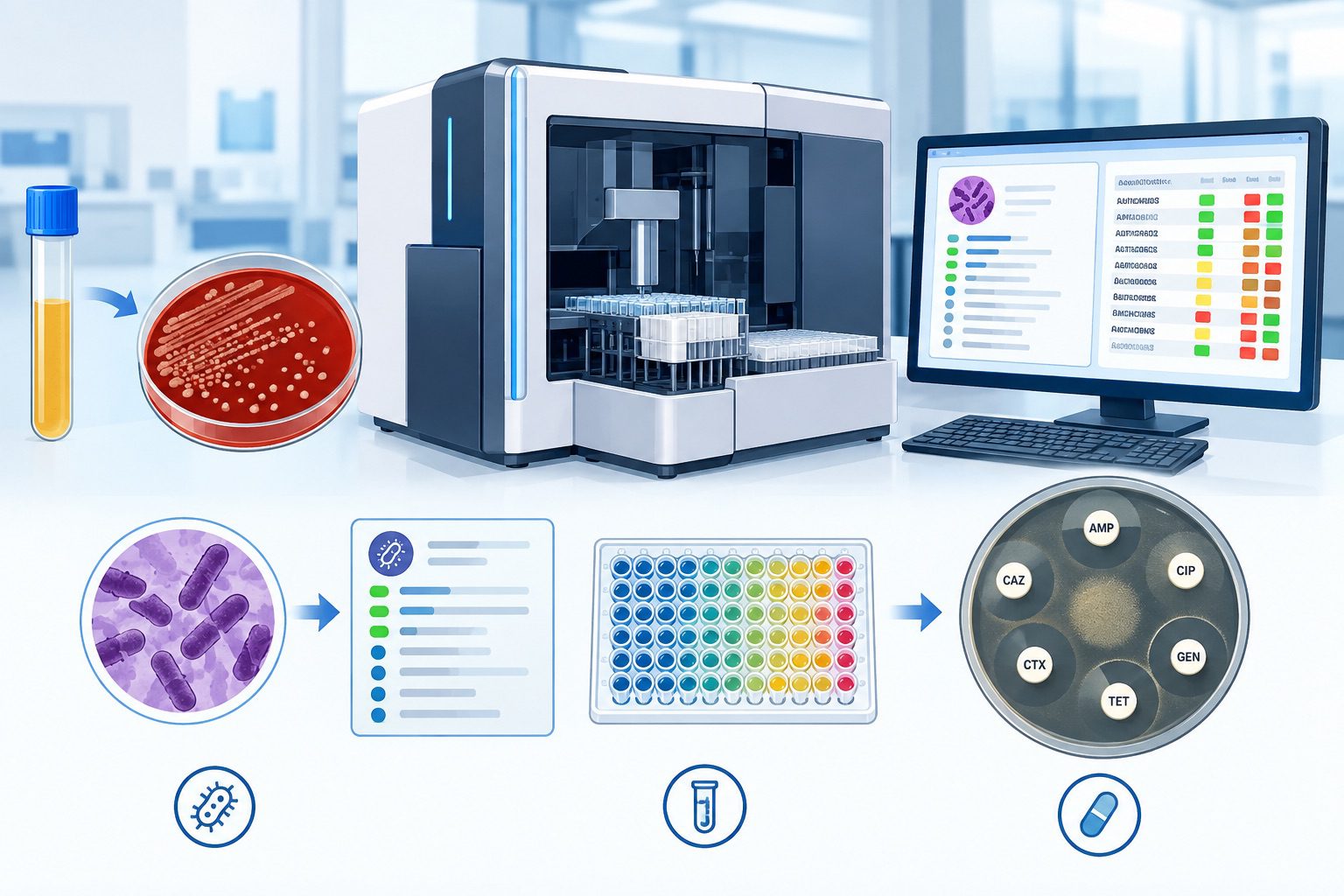
Automated Systems for Bacterial Identification and Antibiogram
The rapid and accurate identification of bacterial pathogens and determination of their antimicrobial susceptibility are […]
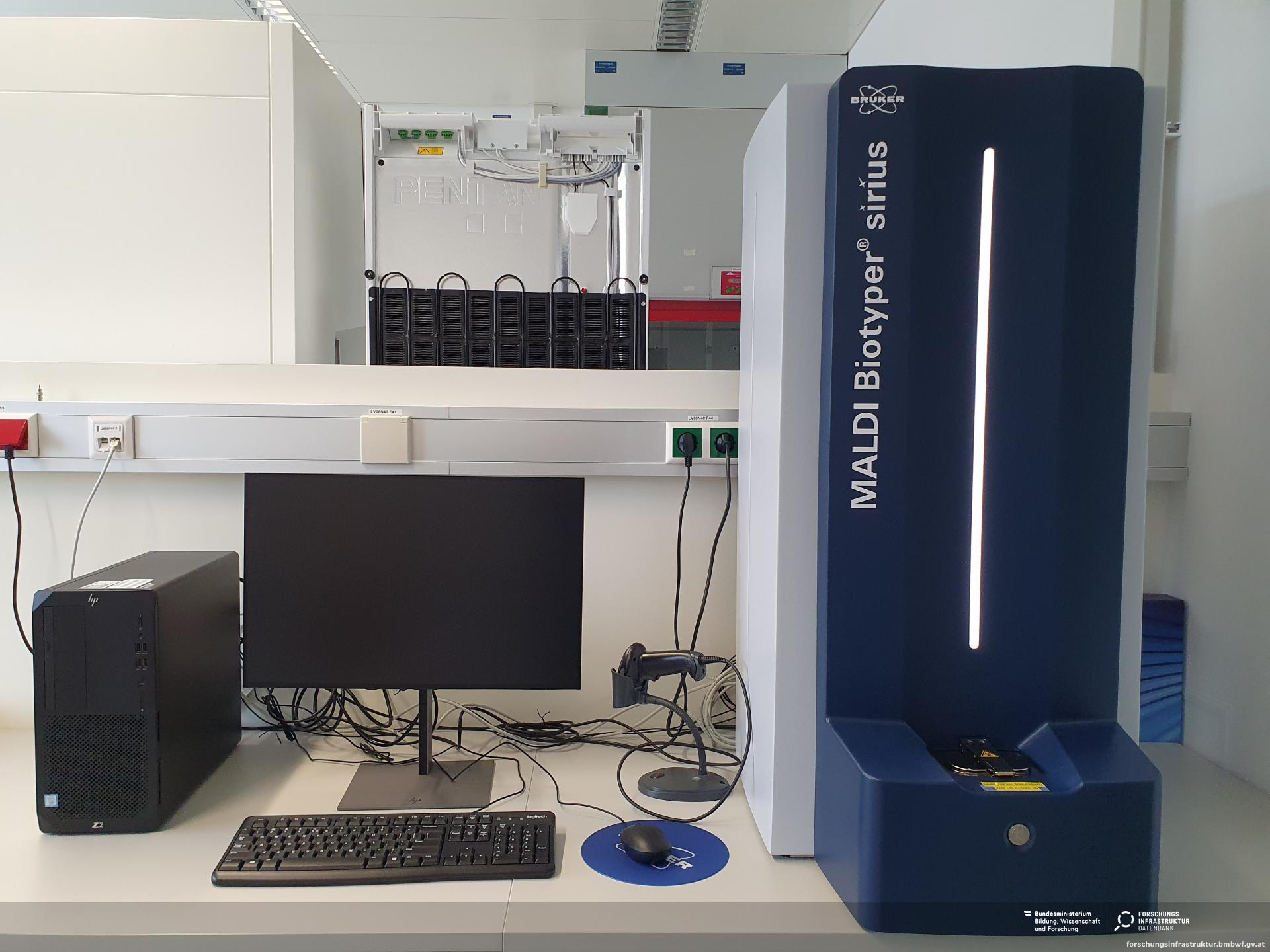
Matrix-Assisted Laser Desorption/Ionization-Time of Flight Mass Spectrometry (MALDI-TOF MS) workflow
The workflow of Matrix-Assisted Laser Desorption/Ionization-Time of Flight Mass Spectrometry (MALDI-TOF MS) involves several critical […]
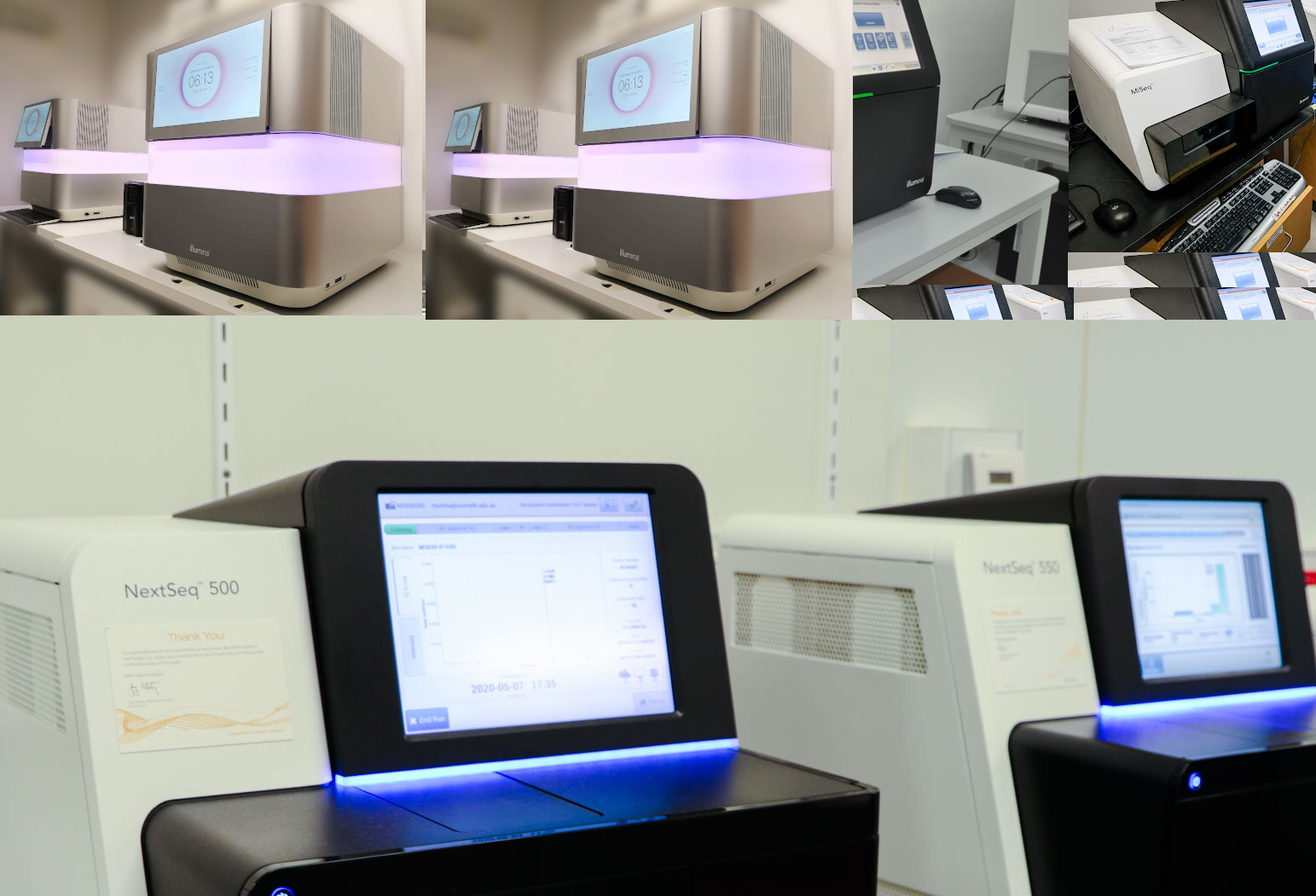
How does metagenomic sequencing differ from whole-genome sequencing (WGS)?
Metagenomic Sequencing Metagenomic sequencing and whole-genome sequencing (WGS) are distinct techniques, but they can generate […]
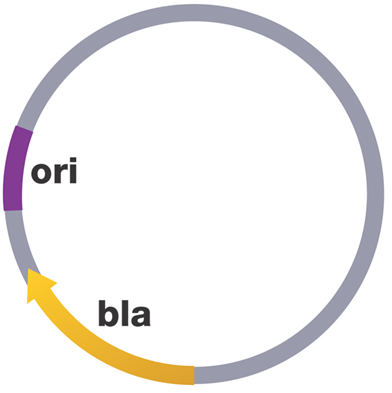
PLASMIDS
Plasmids are extrachromosomal DNA molecules found in both eukaryotic and prokaryotic microorganisms that have the […]
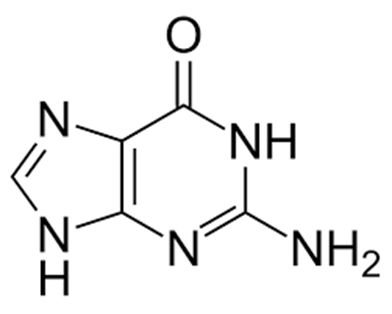
NITROGENOUS BASES – Purine and Pyrimidines
Genes in the DNA code for proteins; and it is the gene that directs the […]
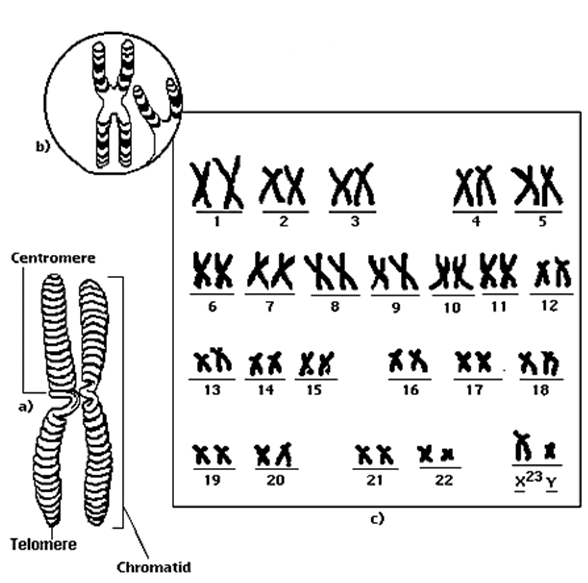
Genes
Genes are sections of the deoxyribonucleic acid (DNA) that codes for the synthesis of a […]

Writing a manuscript and mastering abstracts: A Guide for Authors
How you structure your article can affect how much it gets read—and cited. Each section […]
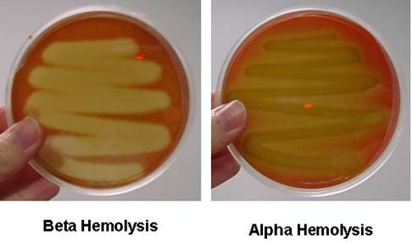
STREPTOCOCCUS PNEUMONIAE
Streptococcus pneumoniae, prevalent in the human upper respiratory tract, causes various infections including pneumonia, often in vulnerable individuals. Its virulence is linked to its polysaccharide capsule, interfering with phagocytosis. Early detection and treatment with appropriate antibiotics and preventive vaccination are vital, especially for high-risk groups like the elderly and immunocompromised individuals.
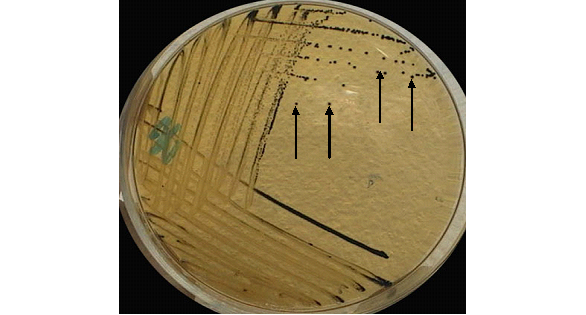
SHIGELLA DYSENTERIAE
Shigella dysenteriae is a Gram-negative, non-motile bacterium causing bacillary dysentery. It’s transmitted primarily through the fecal-oral route, requiring a low dose to initiate infection. Symptoms include bloody diarrhea and abdominal cramps. Diagnosis involves stool cultures, and treatment may include antibiotics for severe cases. Prevention focuses on hygiene and clean water.
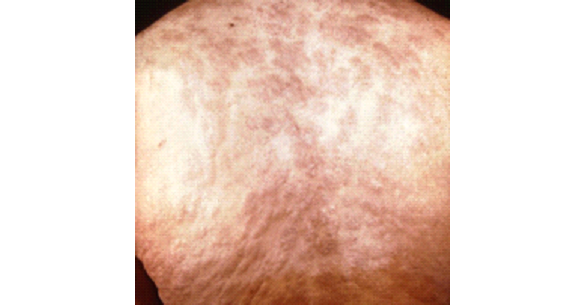
TREPONEMA PALLIDUM
Treponema pallidum, a Gram-negative spirochaete, causes syphilis, a contagious STD spread through direct contact, including mother-to-child transmission. The disease progresses through primary, secondary, and tertiary stages without treatment, potentially causing severe complications. Laboratory diagnosis relies on serological tests, as the bacterium cannot be cultured in vitro. Prevention includes safe sexual practices and treating infected individuals.
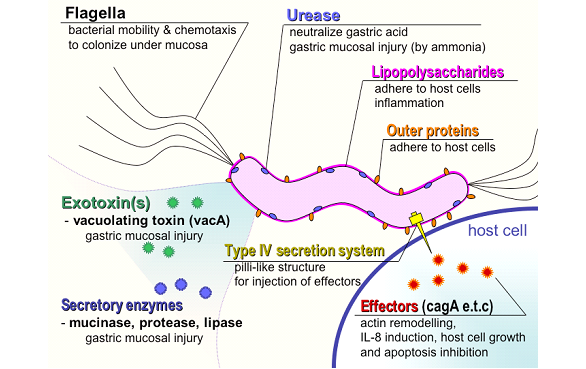
Helicobacter pylori
Helicobacter pylori is a spiral-shaped bacterium causing peptic and gastric ulcers, linked to stomach cancer. It survives stomach acidity by producing urease, creating an alkaline environment. Spread via fecal-oral route, it induces inflammation in the gastric mucosa. Diagnosis involves invasive and non-invasive tests, treatment includes antibiotics and protein-pump inhibitors. Prevention focuses on hygiene.
SALMONELLA (S. TYPHI)
Salmonella Typhi, a Gram-negative rod, causes typhoid fever in humans, transmitted through contaminated food and water. Non-typhoid strains, like S. Typhimurium, cause gastrointestinal infections. Infections primarily spread via the fecal-oral route, and effective prevention includes good hygiene, proper food handling, and clean water. Treatment involves antibiotics and hydration.
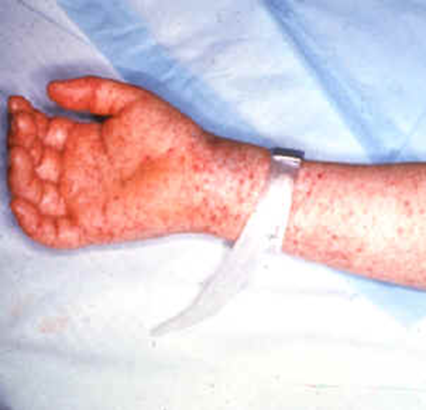
RICKETTSIA PROWAZEKII
Rickettsia prowazekii is an obligate intracellular parasite causing epidemic typhus, primarily transmitted via lice bites. Symptoms include vasculitis, thrombosis, and systemic infections. Diagnosis involves serological tests and cell culture. Treatment includes chloramphenicol and tetracyclines; prevention focuses on vector control and hygiene. RMSF and Q fever are related rickettsial diseases.
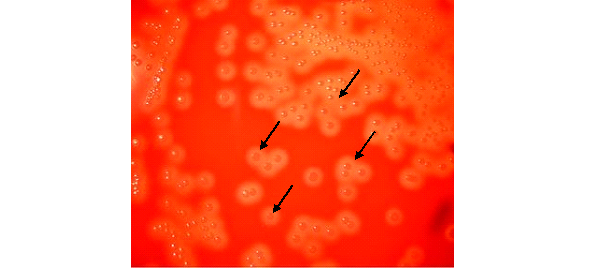
STREPTOCOCCUS PYOGENES
Streptococcus pyogenes, a Group A Streptococcus, is a Gram-positive bacterium causing pharyngitis and various streptococcal diseases like scarlet fever, cellulitis, and necrotizing fasciitis. It produces numerous virulence factors including streptolysins and exotoxins. Diagnosis involves cultural, microscopic, and serological tests. Treatment includes antibiotics like penicillin, and no vaccines exist currently.
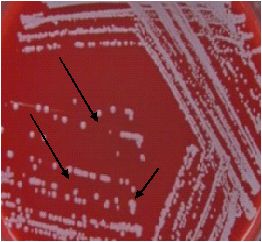
STAPHYLOCOCCUS AUREUS
Staphylococcus aureus, a Gram-positive bacterium, is often found in the nose and skin of humans. It causes various infections including pneumonia, gastroenteritis, and toxic shock syndrome, aided by its production of toxins and enzymes. Resistant strains like MRSA are prevalent. Prevention relies on hygiene practices, as vaccines are unavailable.
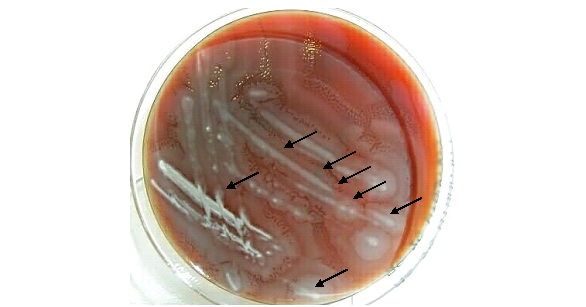
PROTEUS MIRABILIS
Proteus mirabilis is a Gram-negative, motile, non-capsulated, facultative anaerobic, non-lactose fermenting and pleomorphic bacillus in […]

Beyond the Bench: Expanding Your Skill Set for a Successful Postdoc
If you’ve reached postdoc level as a life scientist, you’ll almost certainly have a wide […]

Probiotics: Key Features and Reported Mechanisms of Action
Microorganisms must meet stringent criteria to be used as probiotics, including being non-pathogenic, non-toxic, and able to survive stomach acid and pancreatic secretions. Probiotics confer health benefits such as enhancing the immune system, producing vitamins, preventing GI infections, and aiding in lactose digestion, potentially treating conditions like IBS and eczema.

Risk group classification of microorganisms
The great majority of microorganisms are beneficial to man, plants, animals and the environment. These […]

Design and Operation of Fermenters
Fermentation stands as a fundamental and versatile process across multiple scientific and industrial disciplines, including […]

Hand washing: when and how to wash your hands
Hand hygiene is one of the simplest, most effective, and most affordable measures for preventing […]
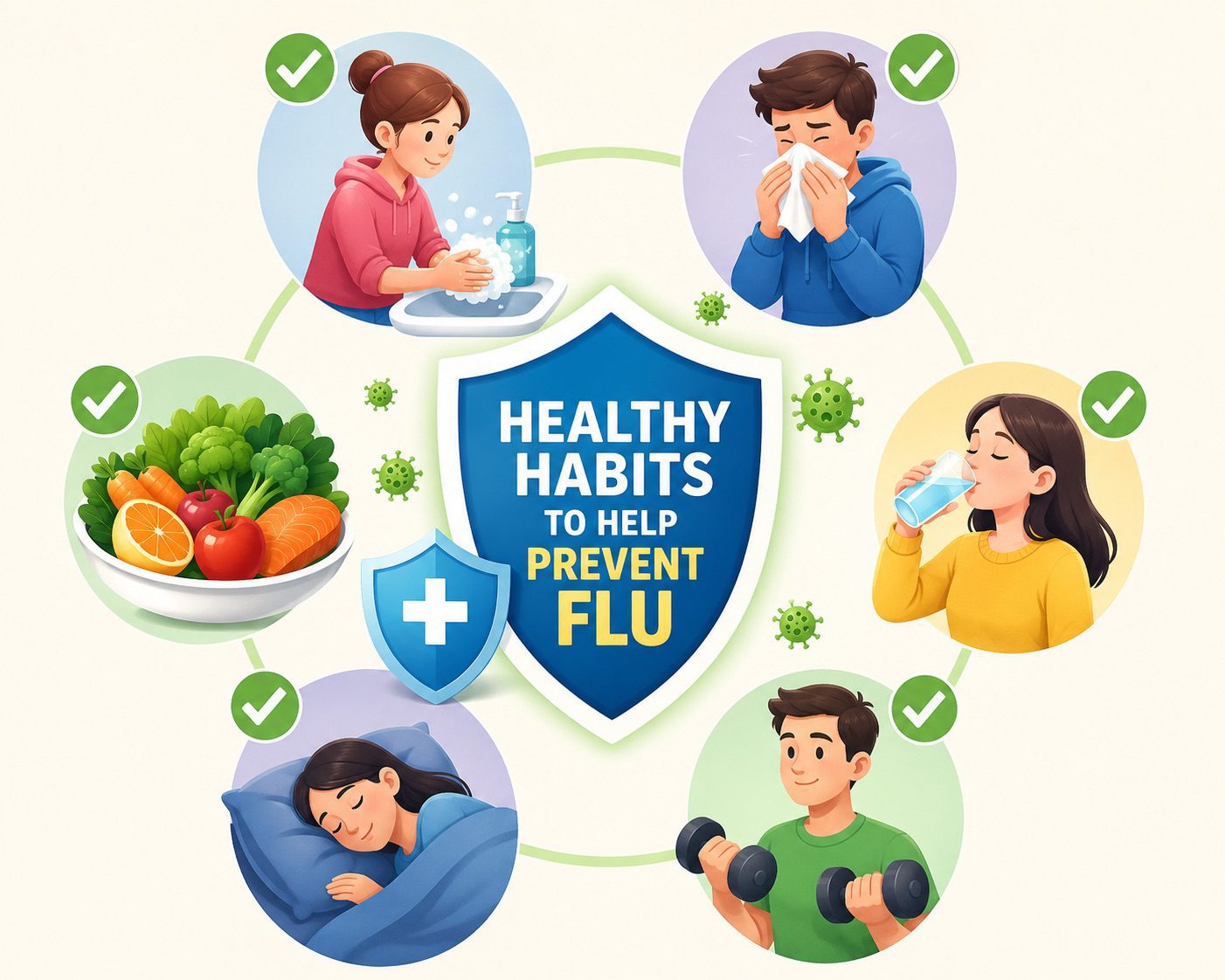
Healthy Habits to Help Prevent Flu
Influenza (flu) is a contagious respiratory illness caused by influenza viruses that infect the nose, […]
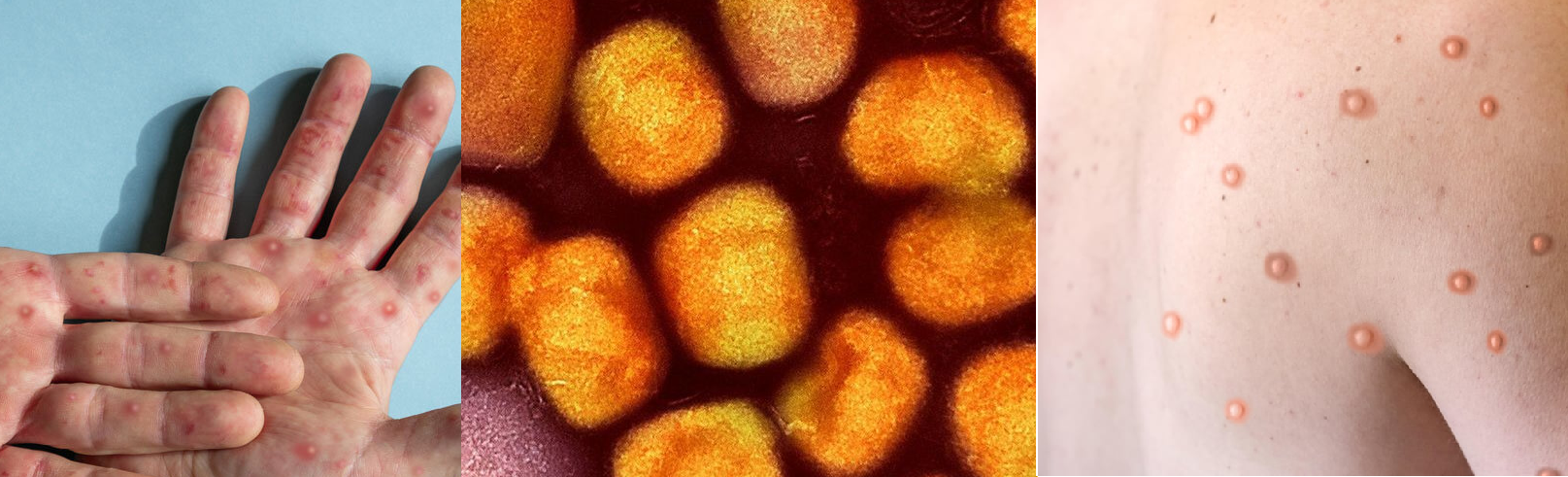
Monkeypox (Mpox) infection
Mpox, caused by the monkeypox virus, is a viral infection with symptoms like rash, fever, and swollen lymph nodes. Transmitted through contact with infected individuals, animals, or materials, it can be severe, especially for immunocompromised individuals. Preventive measures include vaccination and avoiding physical contact. Diagnosis involves PCR testing, and treatment includes supportive care.
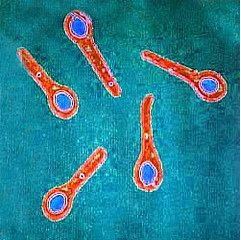
CLOSTRIDIUM TETANI
CLOSTRIDIUM TETANI Clostridium tetani is a Gram-positive, motile, anaerobic, spore-forming, rod-shaped bacterium found in the […]

Approaches to Microbial Strain Improvement for Industrial Applications
Microbial strain improvement is a critical process in industrial microbiology and biotechnology. It is aimed […]

GARDNERELLA VAGINALIS
GARDNERELLA VAGINALIS Gardnerella vaginalis in association with other bacteria is the causative agent of bacterial […]

Inoculum Development and Preparation for Industrial Fermentation
Inoculum preparation is a foundational step in the fermentation process. It plays a pivotal role […]
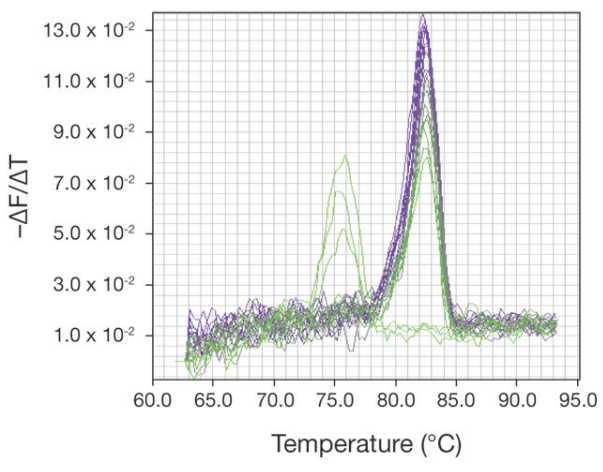
Melting curve analysis in Real-time PCR
Melting curve analysis and detection systems Melting curve analysis can only be performed with realtime […]
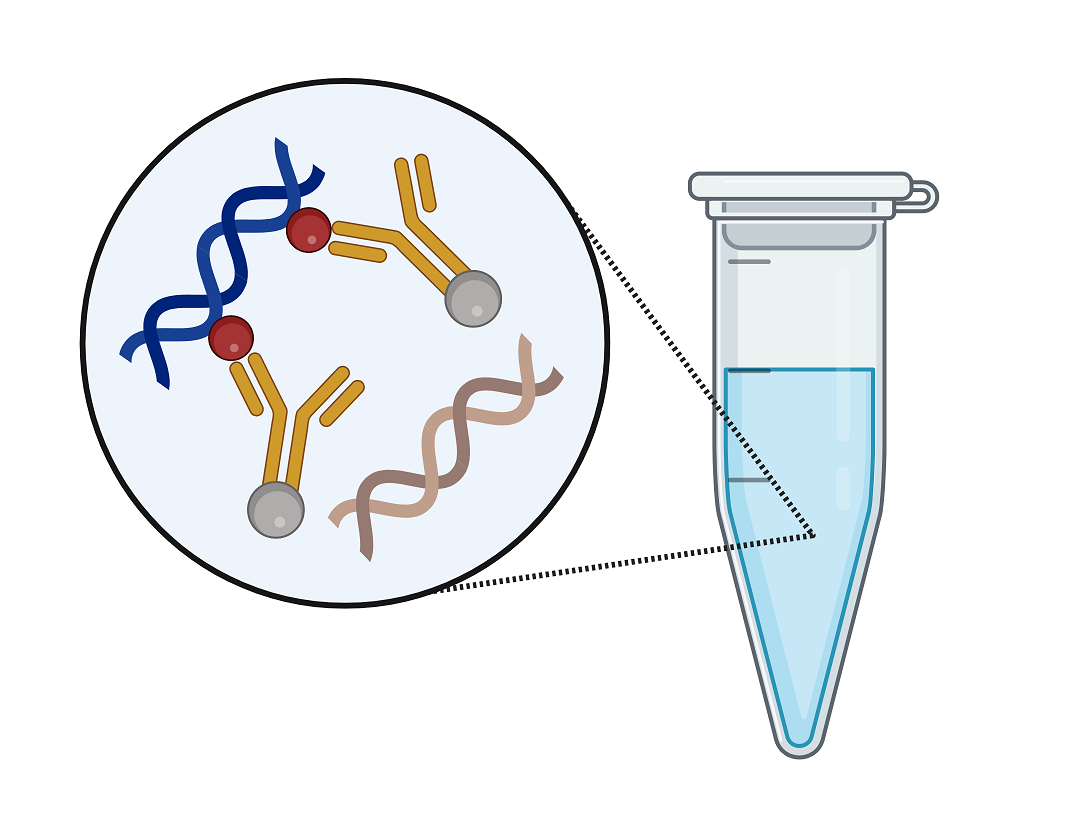
Real-time PCR probes
TaqMan® probe signal production Whether an MGB or non-MGB probe is chosen, both follow the […]

Sample template on how to write your research achievements and results when applying for a fellowship or grant
Sample of my research statement and results below: My Research Goal My research focused on […]