


Biological and chemical weapons, while unlikely to be used in conventional warfare, represent an ongoing […]
Tag: Disease surveillance
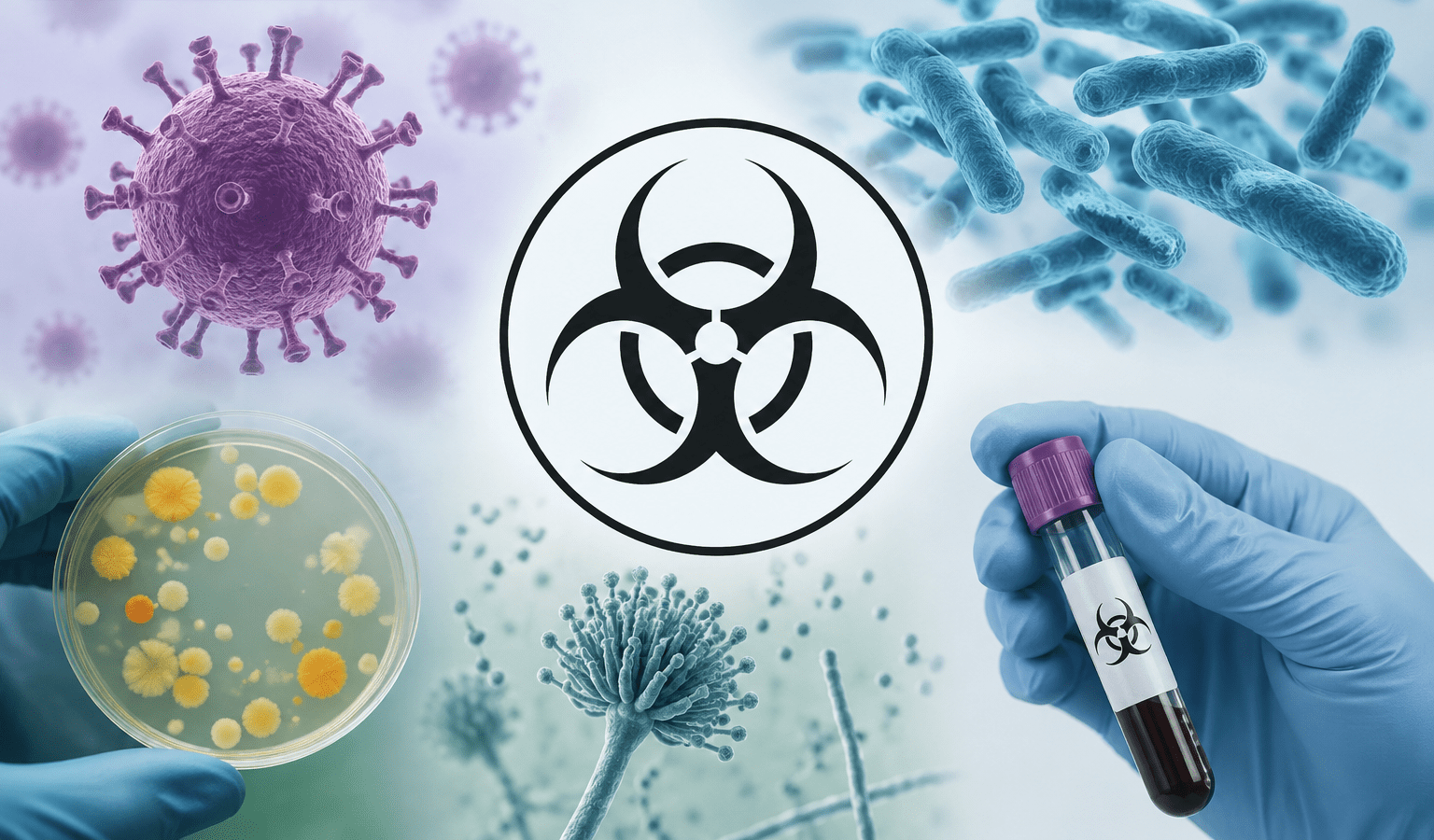
Category C Biological Agents
Category “C” biological agents occupy a distinct and critical niche in the spectrum of emerging […]
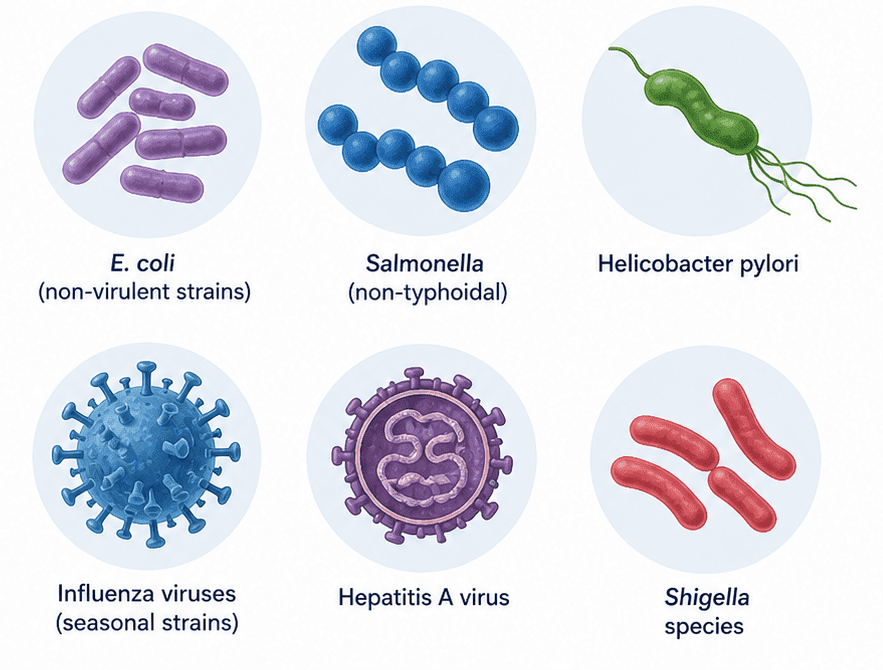
Category B Biological Agents
Category B biological agents constitute the second highest priority group of biological threat agents in public health […]
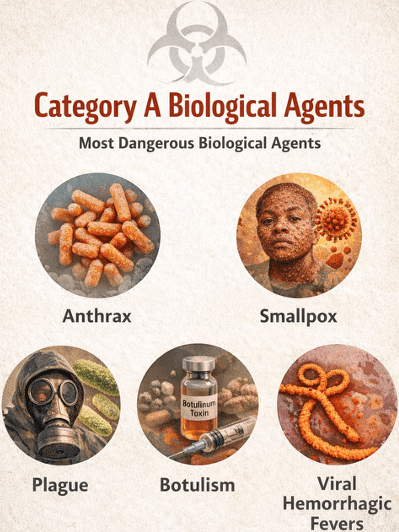
Category A Biological Agents
Category A biological agents are pathogens or toxins classified by the Centers for Disease Control and Prevention (CDC) as […]
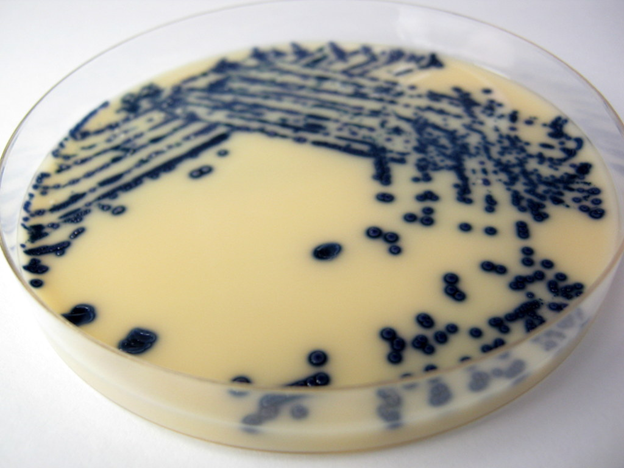
Microbes Used as Biological Weapons
Microorganisms are essential components of the natural environment and play significant roles in human health, […]
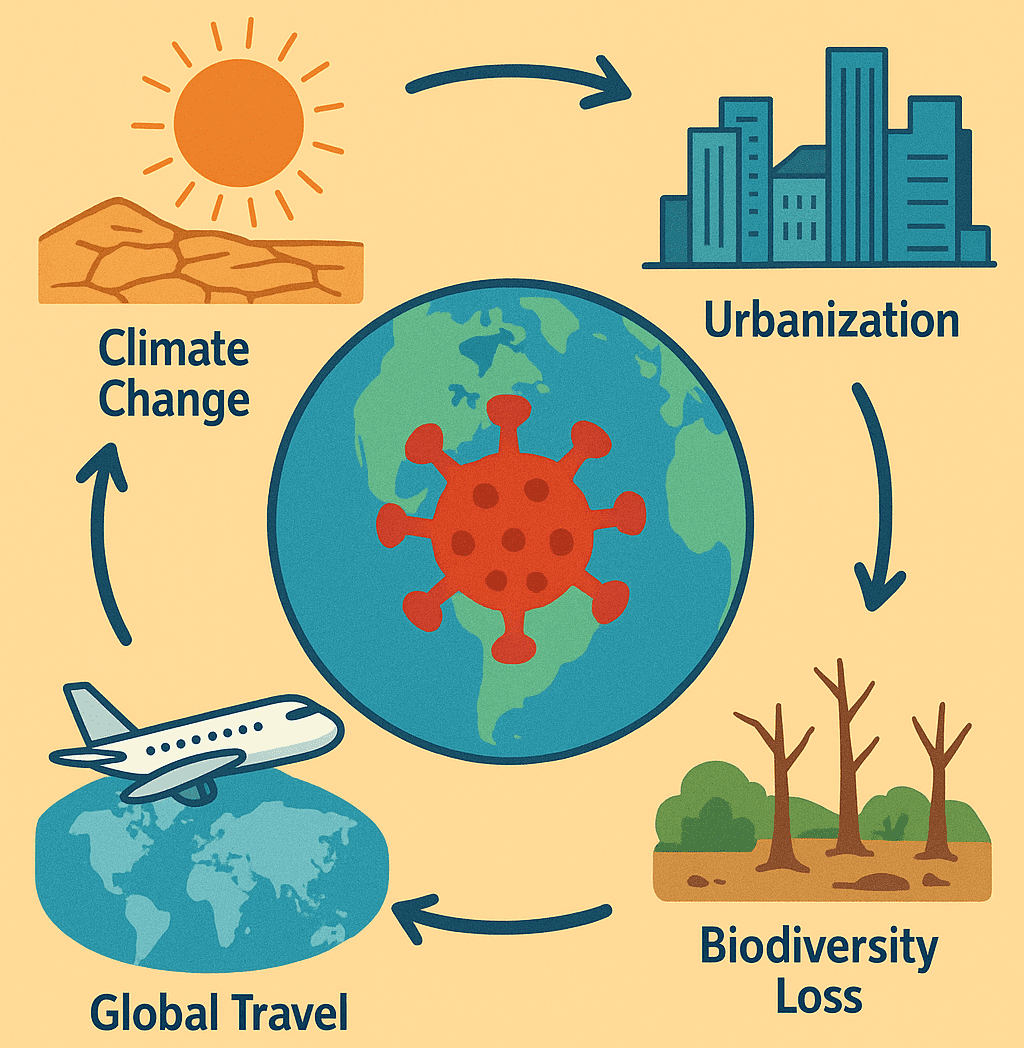
How Global Change Contributes to the Spread of Infectious Diseases
The dynamics of infectious disease transmission are shaped by a complex interplay of environmental, biological, […]

Chikungunya: Mosquito-Borne Viral Disease
Chikungunya (CHIKV) is a mosquito-borne viral disease marked by sudden onset fever and severe joint […]

Sustainable Strategies for Preventing Antimicrobial Resistance in Agricultural and Livestock Systems
Antimicrobial resistance (AMR) is one of the major global health challenges of the twenty-first century, […]

Herd (Population) Immunity
Herd immunity, also known as population immunity, refers to a state of indirect protection in […]
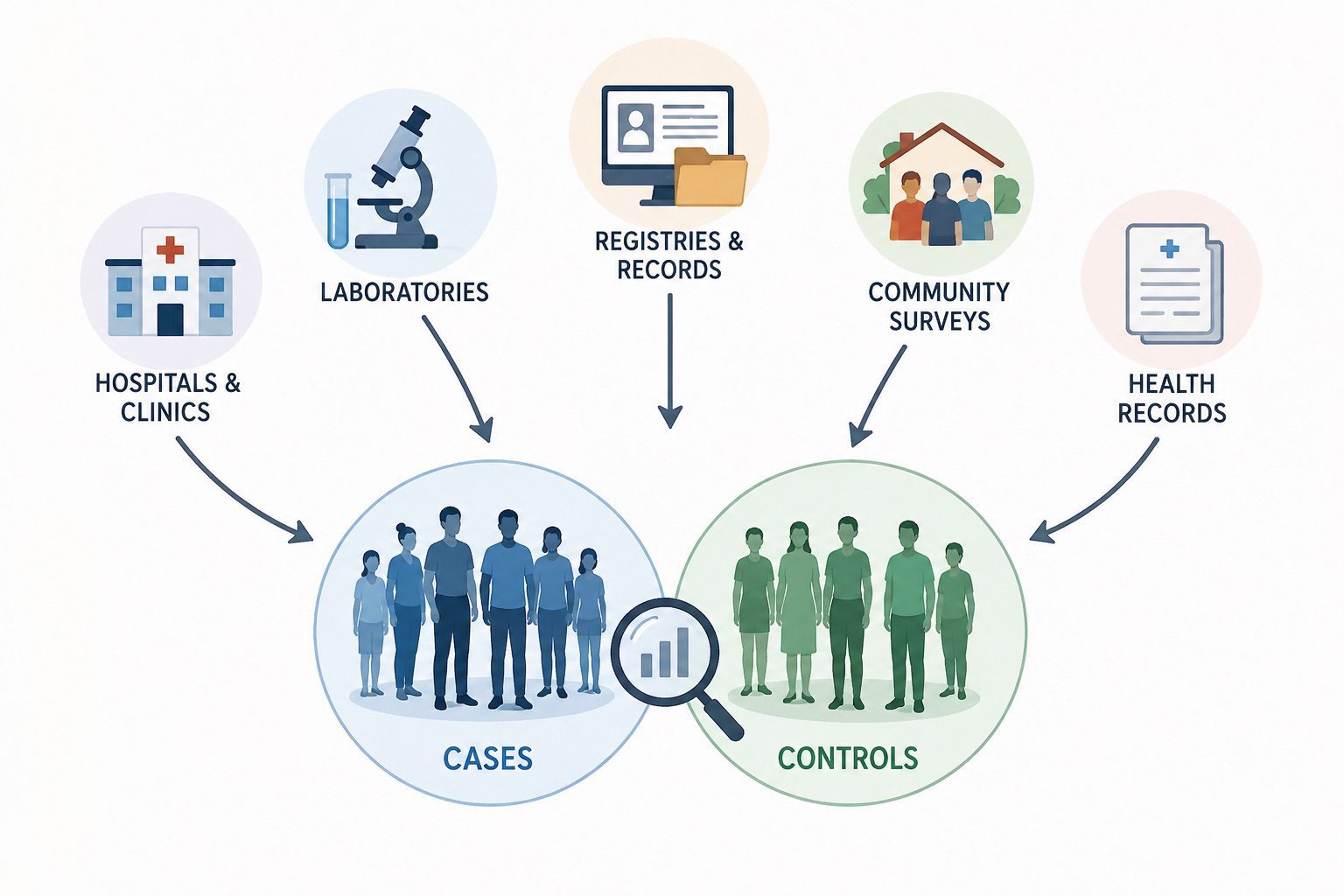
Sources of Cases & Control in an Epidemiological Study
In epidemiological research, particularly in case-control studies, the selection of cases and controls is one […]

Core Epidemiologic Functions: Strengthening Surveillance, Investigation, and Public Health Response
Epidemiology is the foundational science of public health, providing the methods and evidence needed to […]
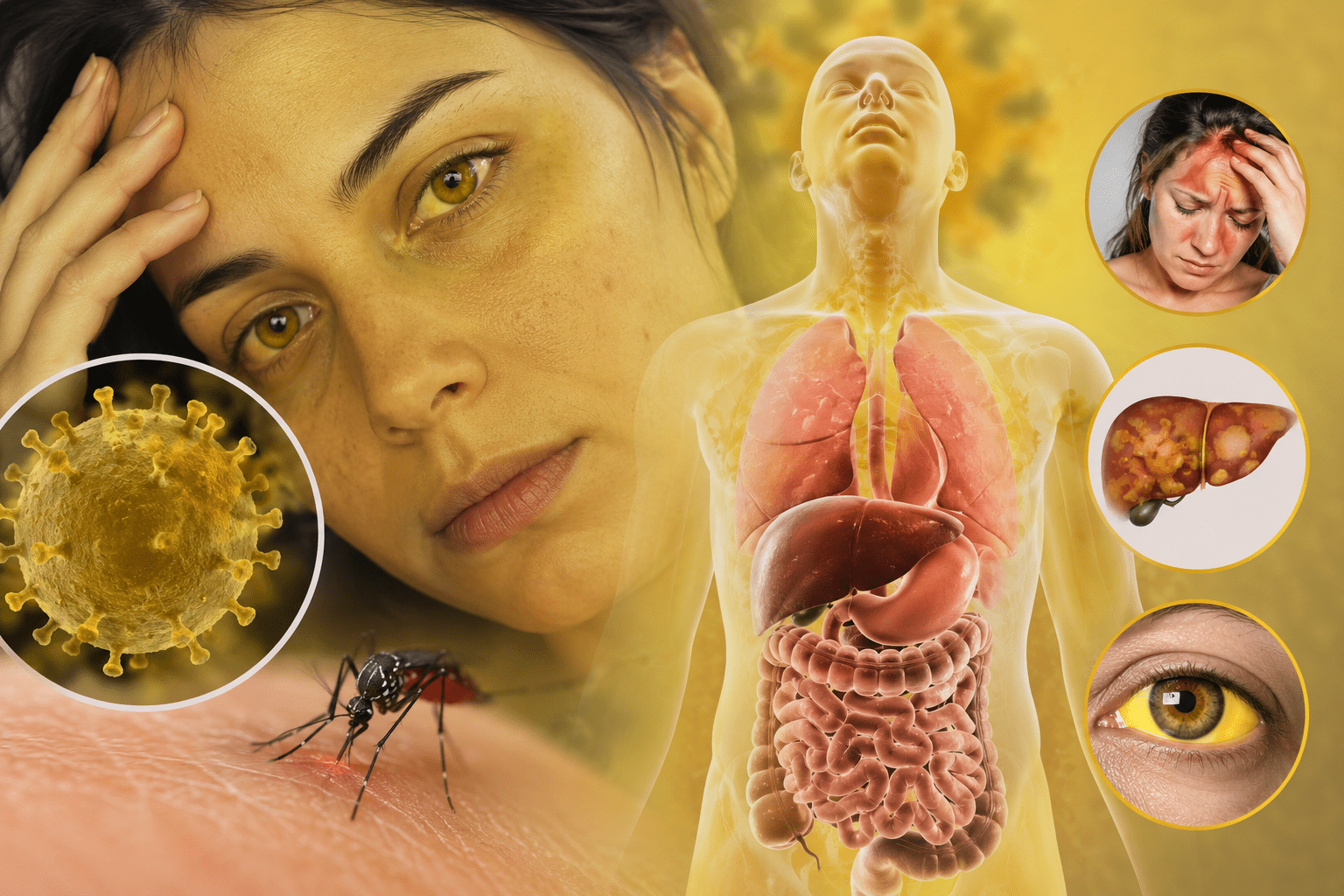
Yellow Fever Infection
Yellow fever is an acute viral mosquito-borne disease that remains an important public health concern […]
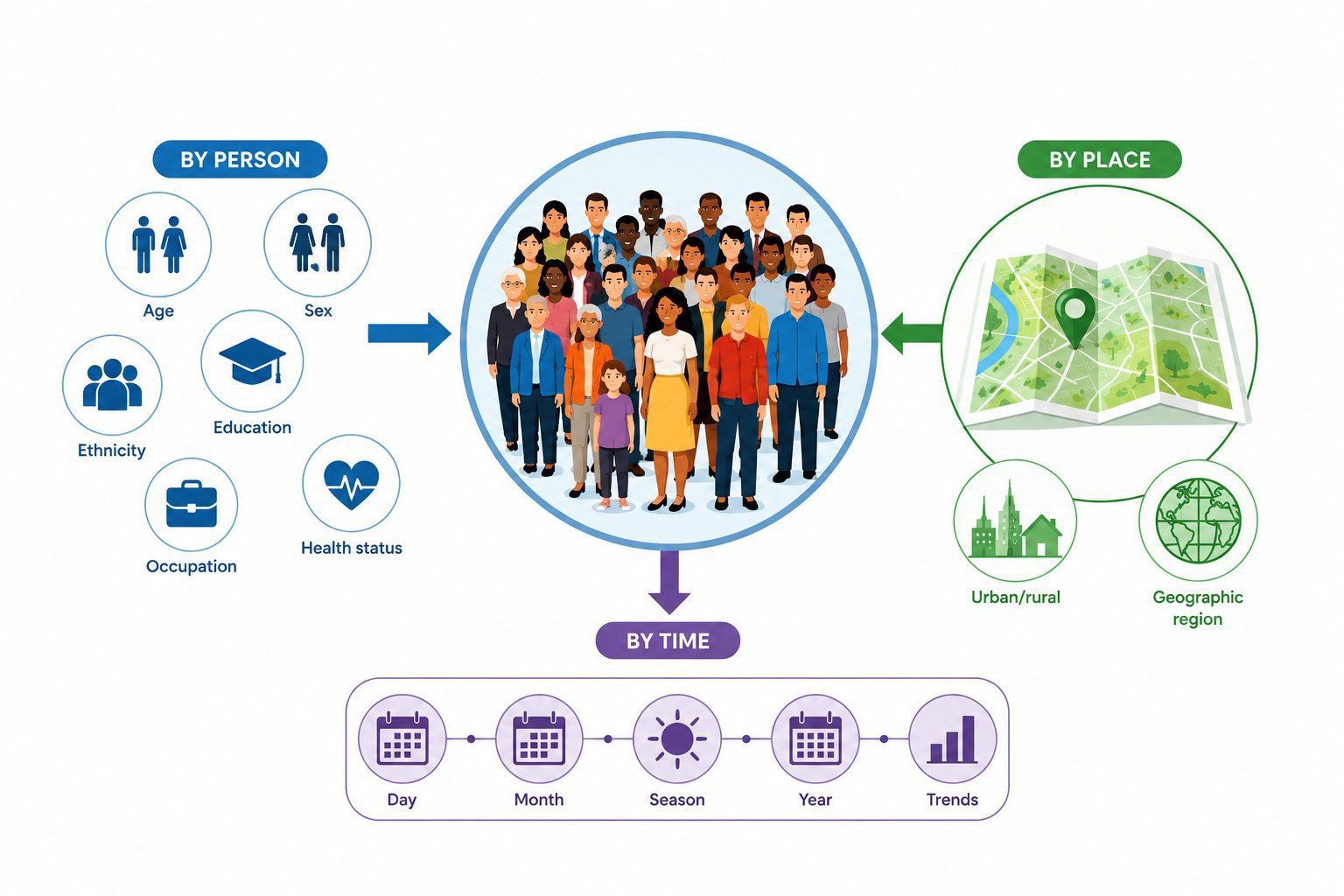
Descriptive Epidemiological Studies: Principles, Methods, and Applications
Descriptive epidemiology is a foundational branch of epidemiology concerned with characterizing the distribution of health-related […]
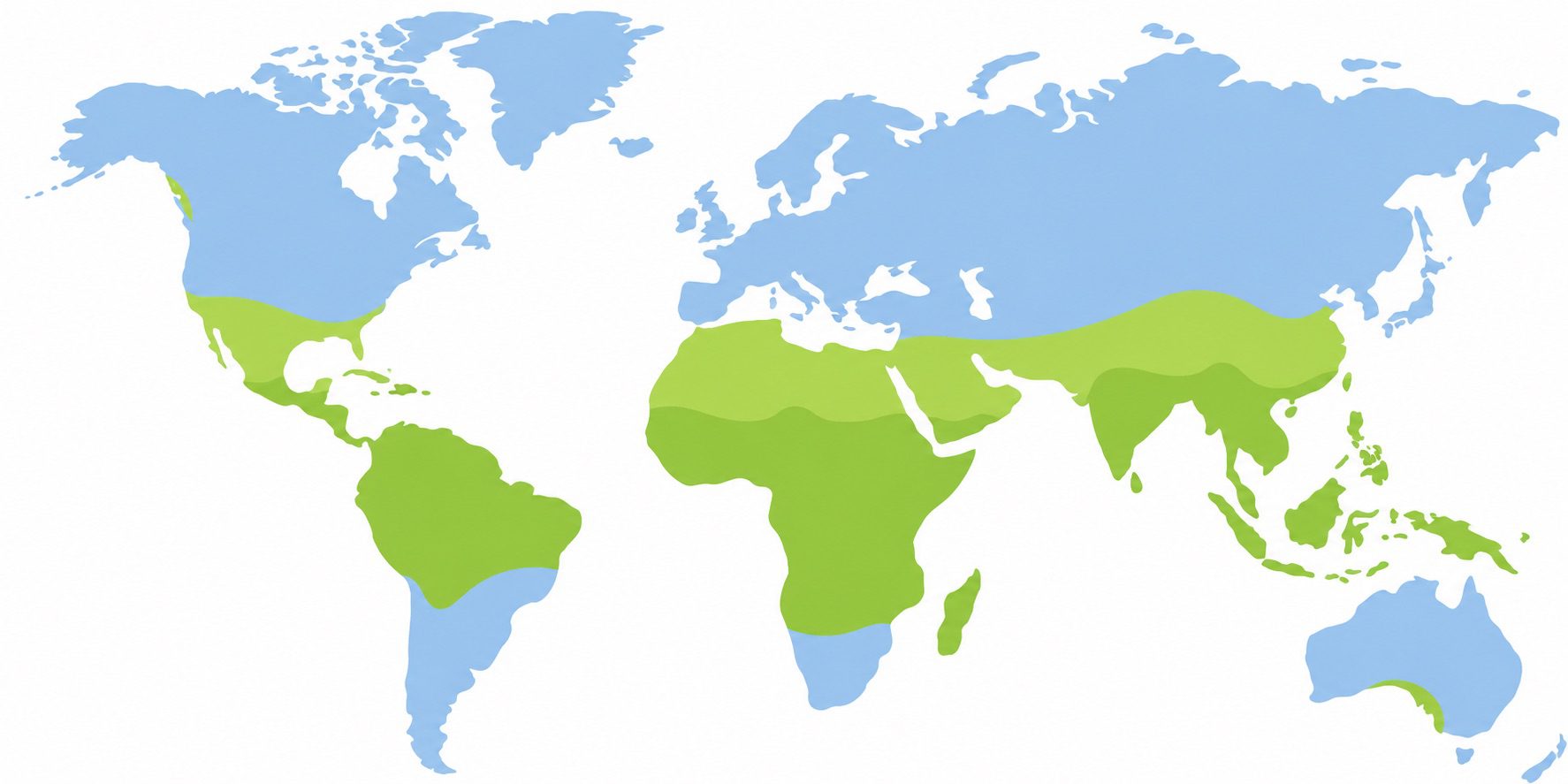
Reasons for the high frequency of parasites and parasitic diseases in tropical and subtropical regions
Parasitic diseases constitute a major public health challenge in tropical and subtropical regions, where their […]

Epidemiological Studies: Key Concepts, Designs, Methods, and Applications
Epidemiological studies are a foundational component of public health research, providing systematic methods to investigate […]

Public Health and Parasitic Diseases Control
Public health is a fundamental branch of health science concerned with the protection, promotion and […]

Historical Milestones in Epidemiology and Public Health
Epidemiology is the scientific study of the distribution, patterns, and determinants of health-related events in […]