

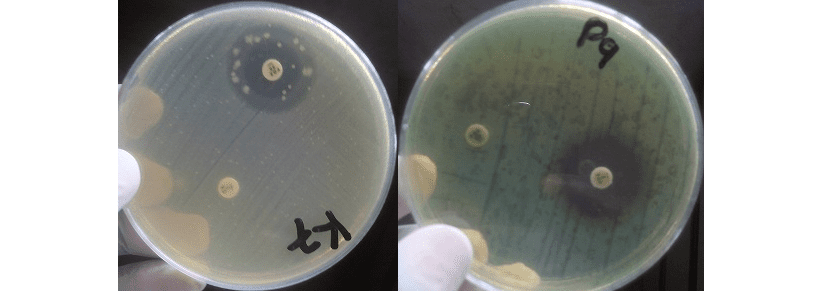
AmpC β-lactamases are clinically important cephalosporinases encoded on the chromosomes of many of the Enterobacteriaceae […]
Tag: bacterial resistance

Brief History of Antibiotic Resistance
Antibiotic (antimicrobial) resistance is one of the most significant challenges confronting modern medicine. It occurs […]
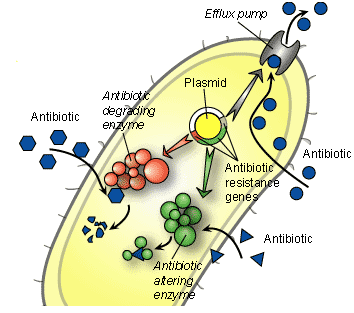
Mechanisms of Acquiring Resistance by Bacterial / Microbial Pathogens
Antimicrobial resistance (AMR) is increasingly recognized as a dynamic biological phenomenon in which bacterial and […]
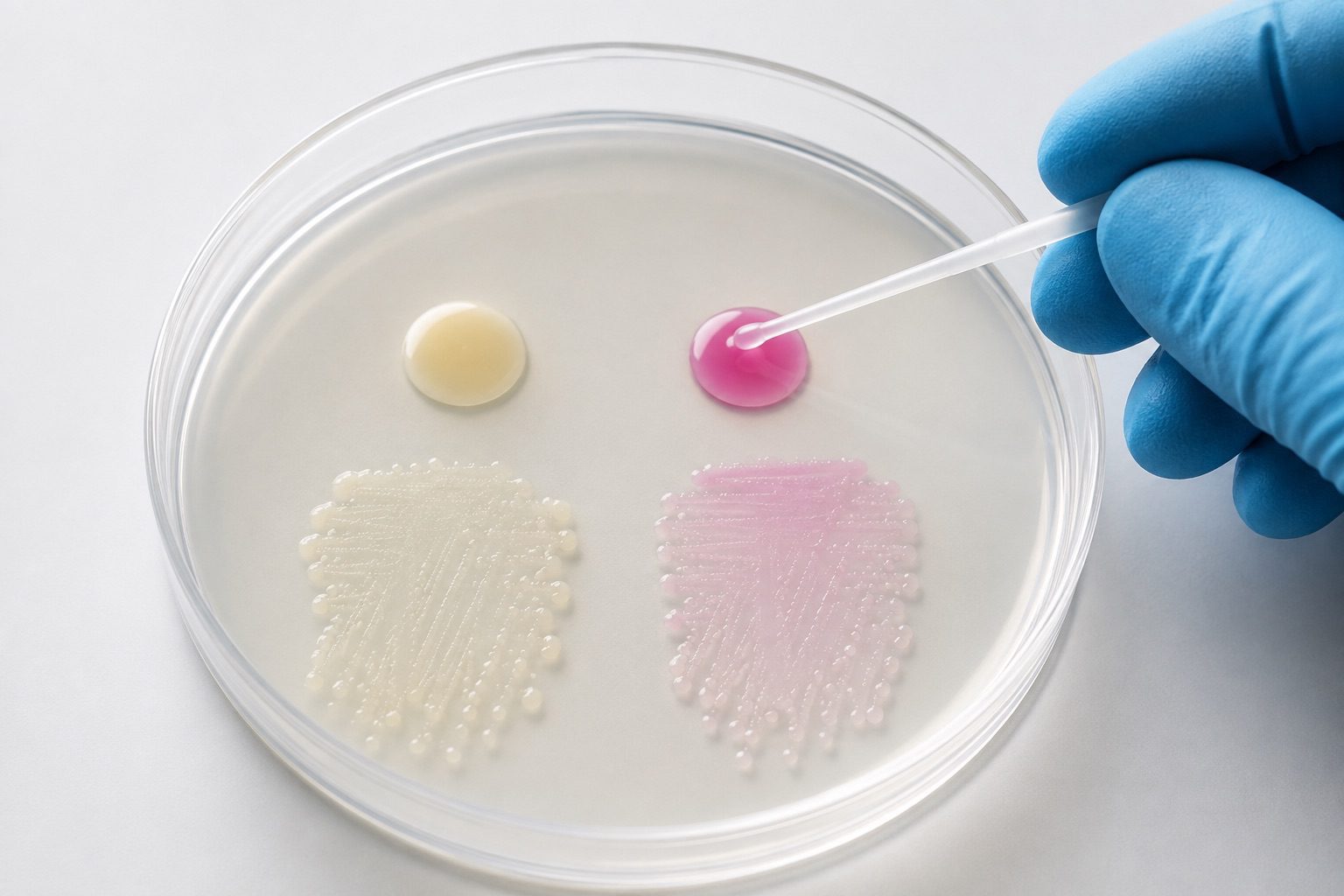
Nitrocefin test for Beta-Lactamase Production in Bacteria
Antimicrobial resistance has become an important challenge in clinical microbiology. This is because bacteria can […]

WHO Global Principles for the Containment of Antimicrobial Resistance in Animals Intended for Food
Antimicrobial resistance (AMR) has emerged as a formidable challenge at the intersection of animal health, […]
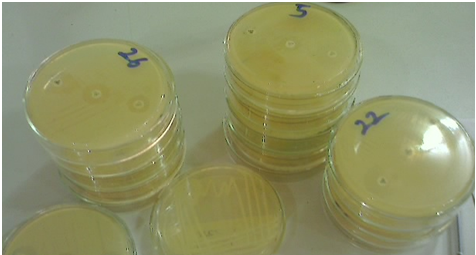
Ceftazidime-Imipenem Antagonism Test (CIAT)
AmpC β-lactamases are bacterial enzymes that hydrolyze several β-lactam antibiotics, thereby reducing their effectiveness against […]
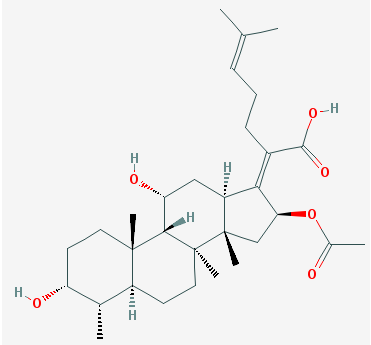
Fusidic Acid
Fusidic acid is a naturally occurring antimicrobial compound belonging to the fusidane class of antibiotics […]
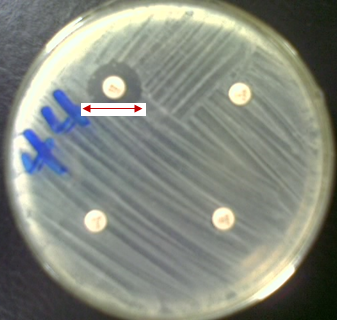
ANTIBIOTIC RESISTANCE
Antibiotic resistance is a phenomenon that occurs when bacteria are not killed or inhibited by […]
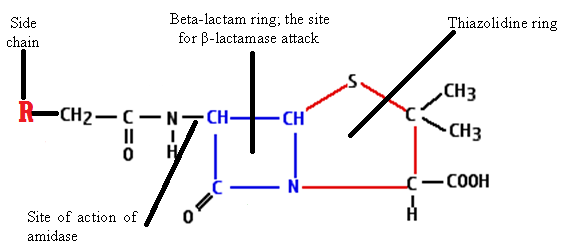
Penicillins
Penicillins are a class of β-lactam antibiotics that interfere with bacterial cell wall biosynthesis. They […]
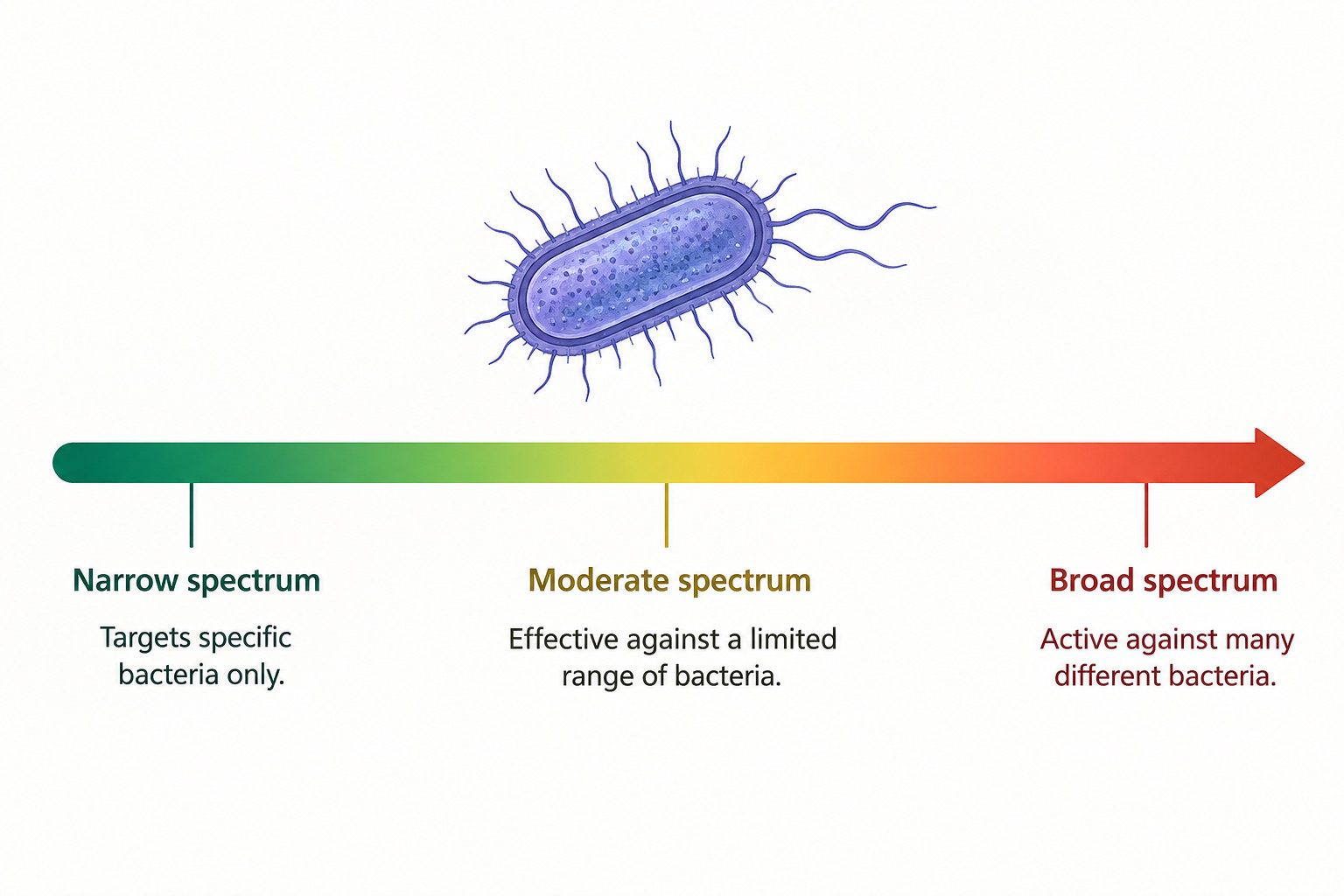
Spectrum of Activity and Therapeutic Index of Antibacterial Agents
The spectrum of activity is a fundamental pharmacological characteristic that describes the range of bacterial […]

Antibiotic Resistance and Antimicrobial Resistance (AMR)
Antimicrobial resistance (AMR) refers to the ability of microorganisms to survive or continue multiplying despite exposure […]