

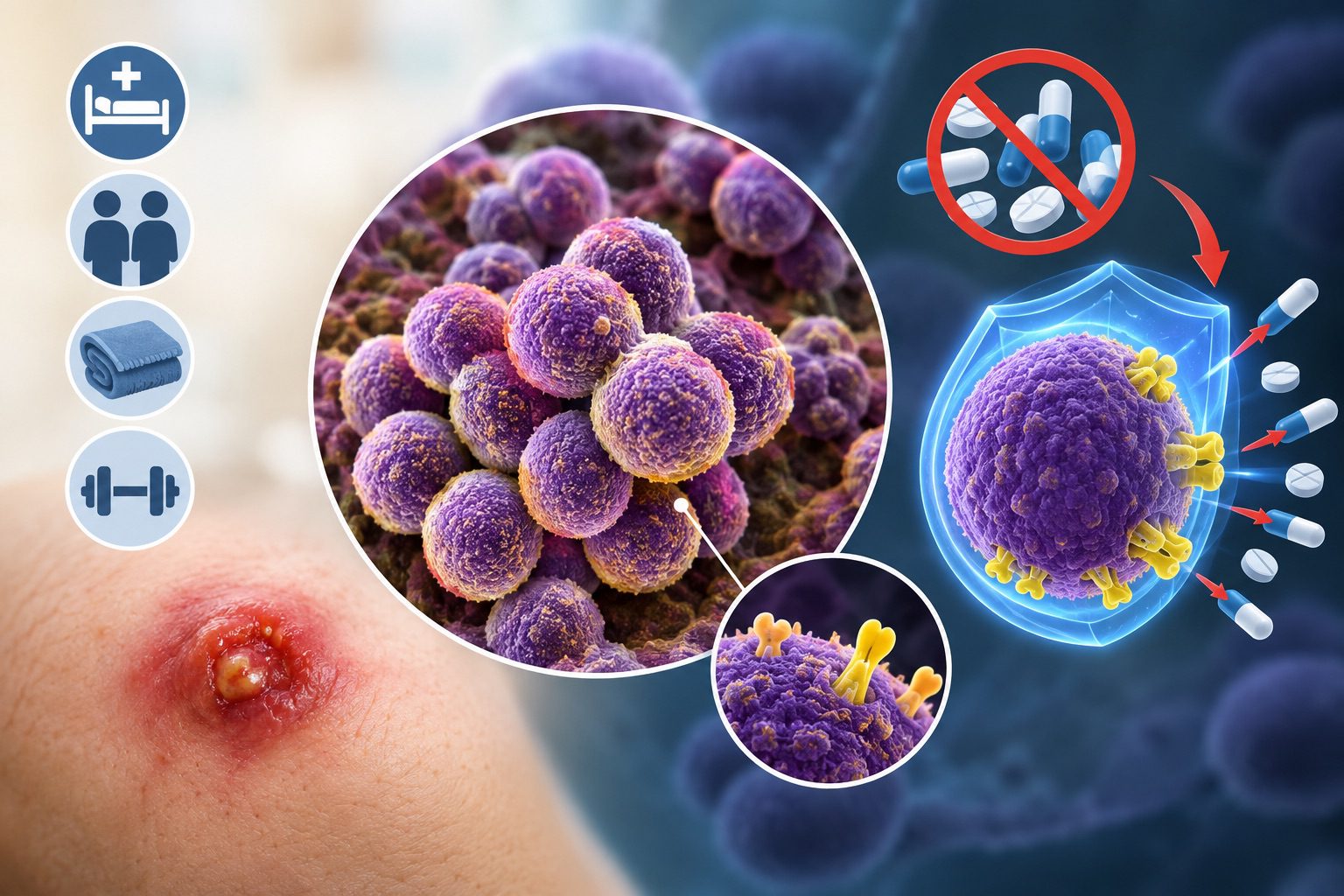
Methicillin-resistant Staphylococcus aureus (MRSA) is a clinically significant bacterial pathogen that has developed resistance to multiple antibiotics, […]
Tag: Pneumonia
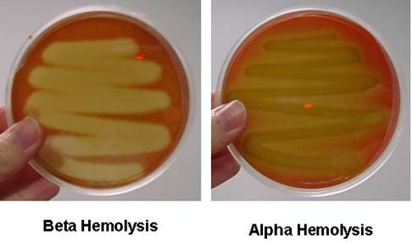
STREPTOCOCCUS PNEUMONIAE
Streptococcus pneumoniae, prevalent in the human upper respiratory tract, causes various infections including pneumonia, often in vulnerable individuals. Its virulence is linked to its polysaccharide capsule, interfering with phagocytosis. Early detection and treatment with appropriate antibiotics and preventive vaccination are vital, especially for high-risk groups like the elderly and immunocompromised individuals.

STREPTOCOCCUS PYOGENES
Streptococcus pyogenes, a Group A Streptococcus, is a Gram-positive bacterium causing pharyngitis and various streptococcal diseases like scarlet fever, cellulitis, and necrotizing fasciitis. It produces numerous virulence factors including streptolysins and exotoxins. Diagnosis involves cultural, microscopic, and serological tests. Treatment includes antibiotics like penicillin, and no vaccines exist currently.
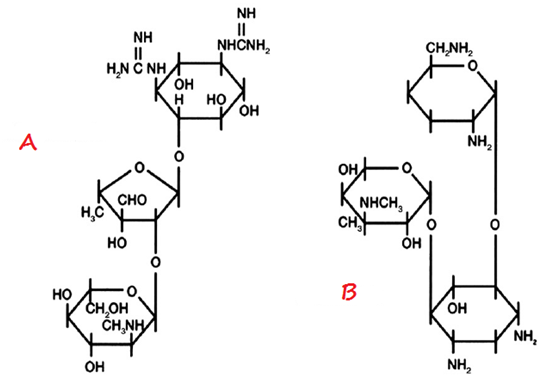
Gentamicin
Gentamicin is an important aminoglycoside antibiotic widely recognized for its potent activity against a range […]
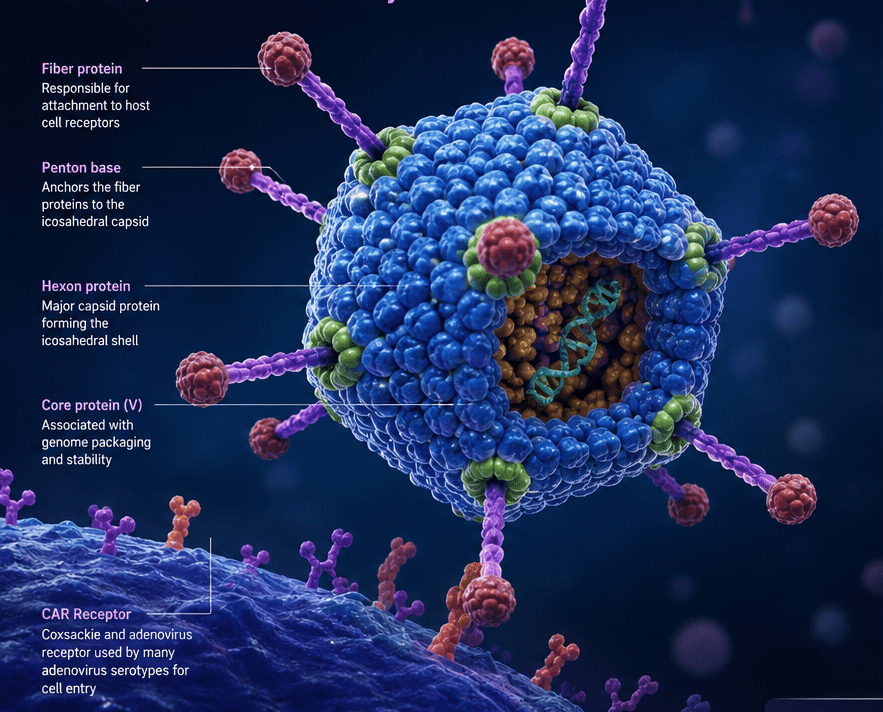
ADENOVIRUS INFECTION
Adenoviridae are a diverse group of viruses that infect humans and a wide range of animal […]
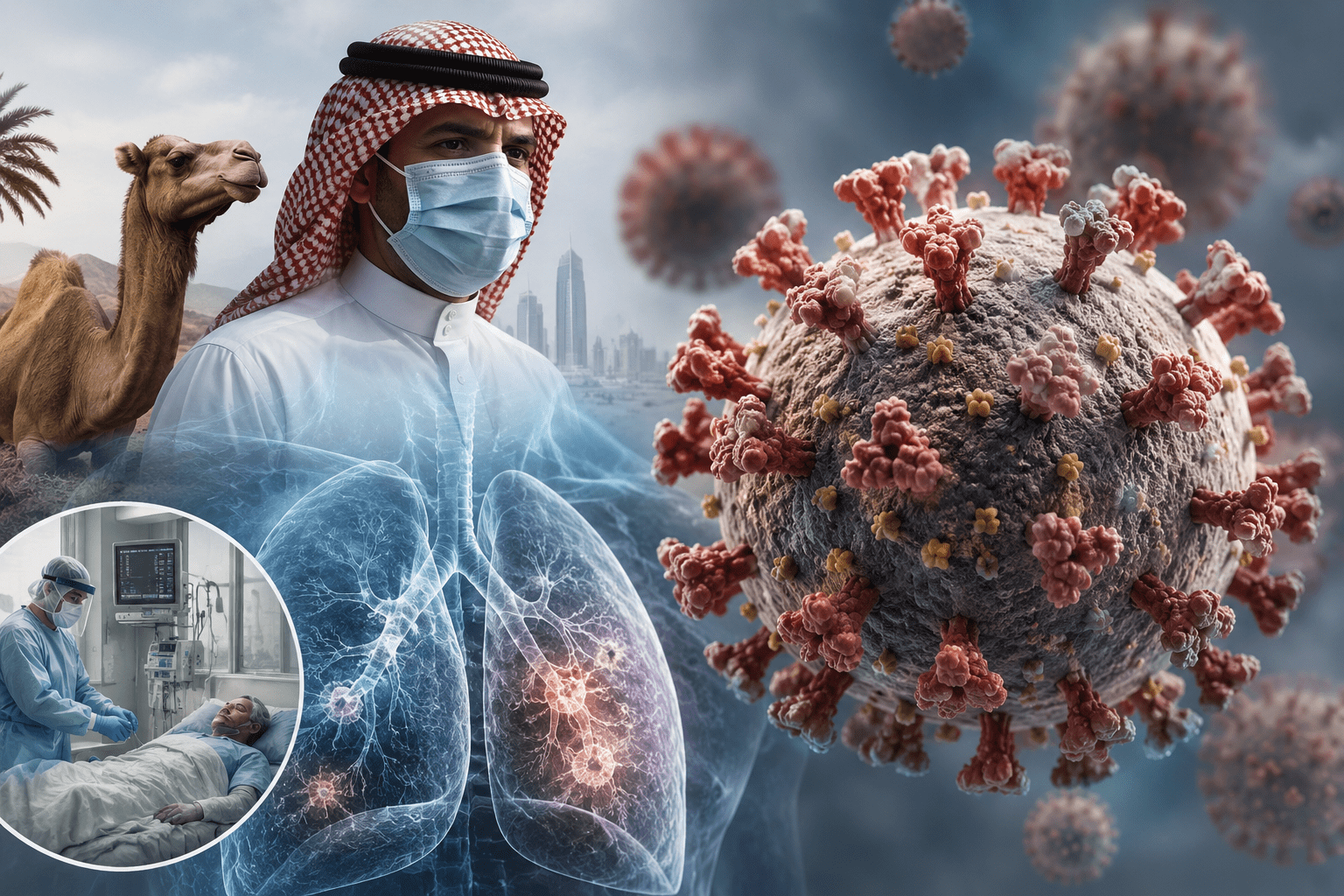
Middle East Respiratory Syndrome (MERS)
Middle East Respiratory Syndrome (MERS) is an illness caused by a virus (more specifically, a […]
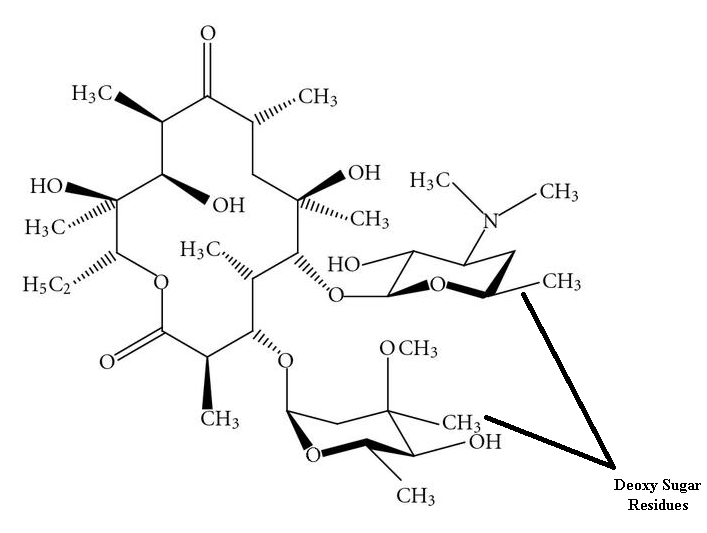
Erythromycin
Erythromycin is a macrolide antibiotic that inhibits bacterial protein synthesis by interacting with the 50S […]
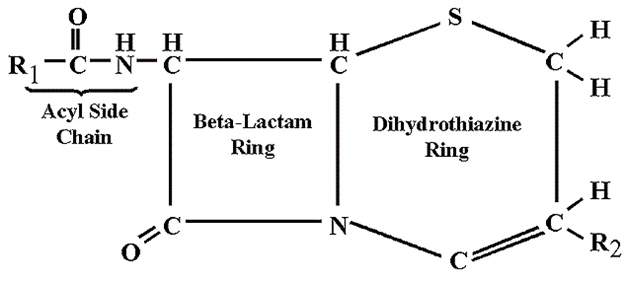
Cephalosporins
Cephalosporins are a major class of beta-lactam antibiotics widely used in the prevention and treatment […]
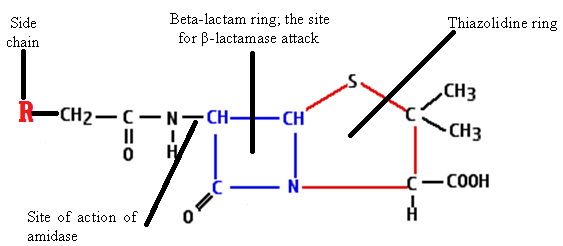
Penicillins
Penicillins are a class of β-lactam antibiotics that interfere with bacterial cell wall biosynthesis. They […]