

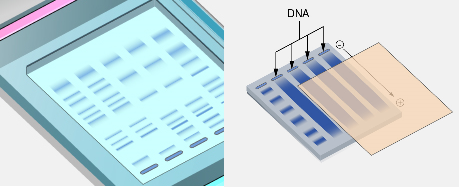
Southern blotting, developed by Sir Edward M. Southern in 1975, is a molecular technique used to detect specific DNA sequences. It involves transferring DNA from a gel to a nitrocellulose membrane, followed by hybridization with radiolabeled probes. This method is pivotal in DNA analysis, forensic science, and paternity testing.
Tag: gel electrophoresis
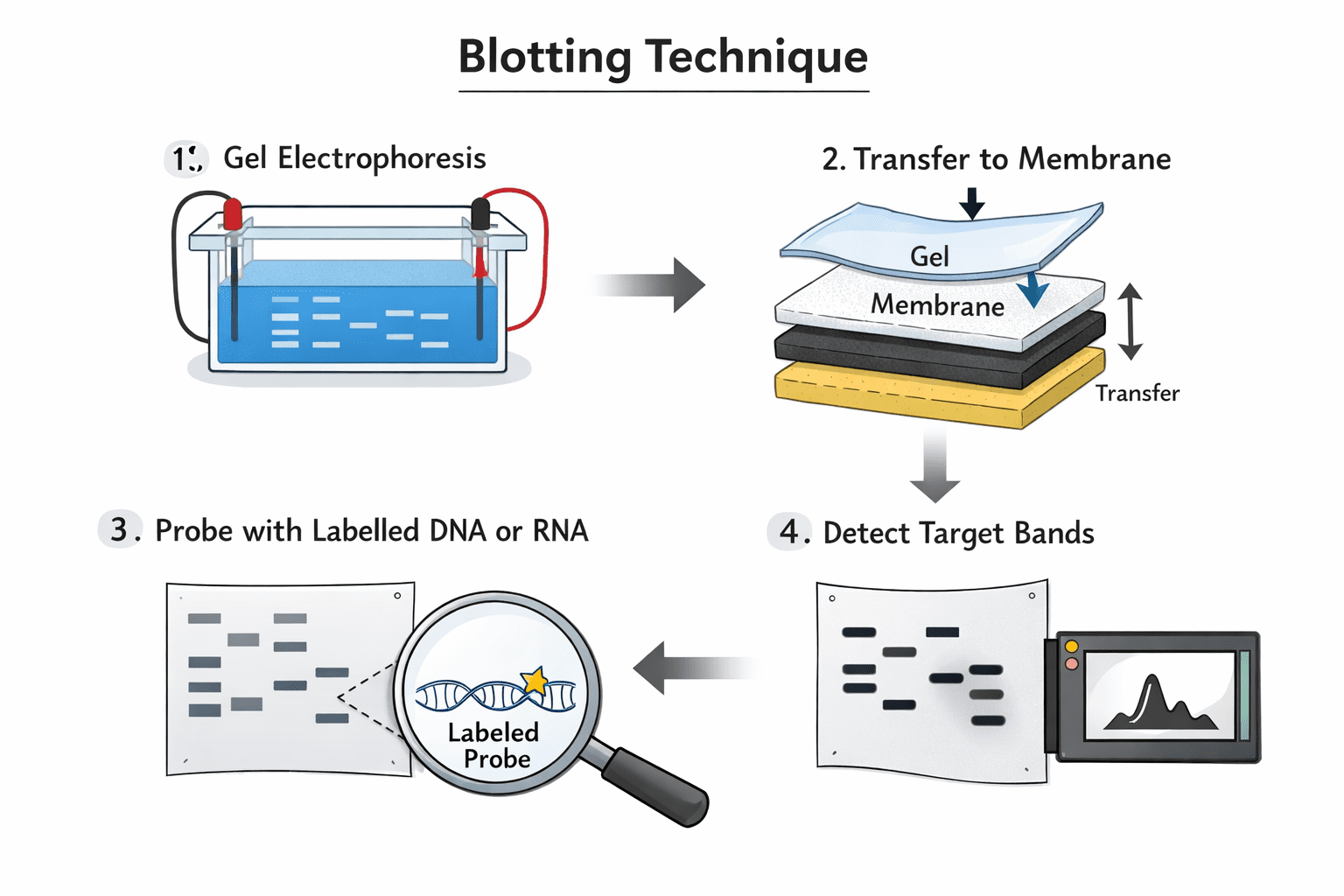
Blotting Technique
Blotting is used in molecular biology to transfer nucleic acids and proteins from gel to a membrane for identification and analysis. Developed in the 1970s, it combines electrophoresis and immunological methods. There are three main types: Southern (DNA), Northern (RNA), and Western (proteins), each allowing detection and measurement of specific molecules.
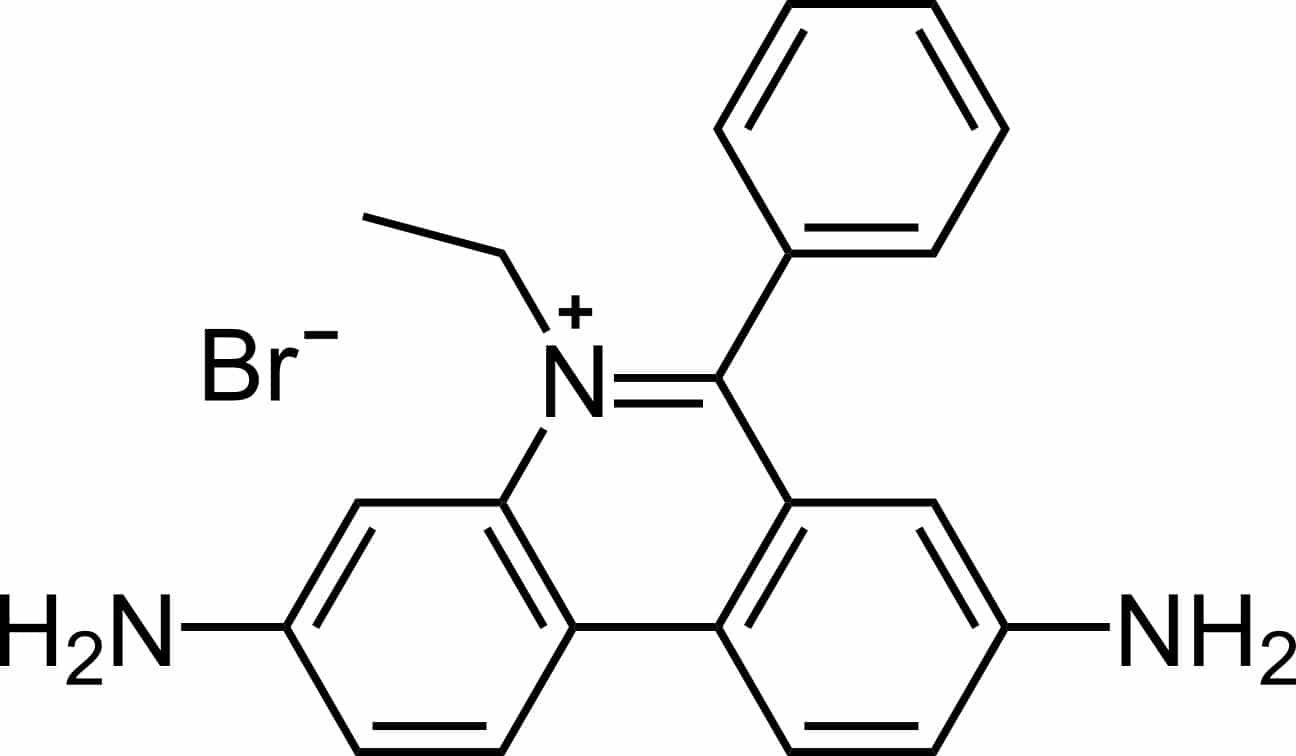
Ethidium Bromide Staining in Gel Electrophoresis
Ethidium bromide (EtBr) is a fluorescent intercalating agent widely used in molecular biology to visualize […]
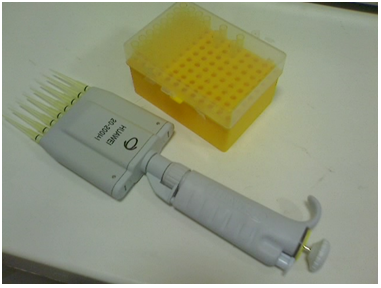
STEPS OF PERFORMING GEL ELECTROPHORESIS
Gel electrophoresis is one type of electrophoresis technique, and its procedure is highlighted below. The […]
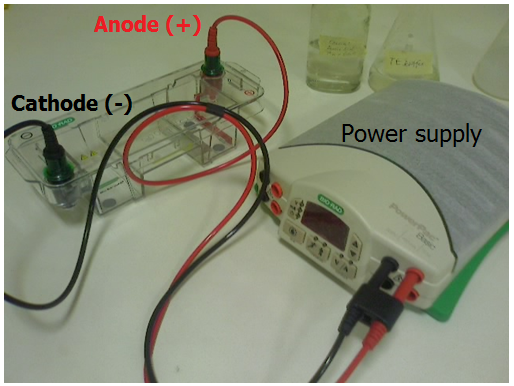
GEL ELECTROPHORESIS TECHNIQUE
The term “electrophoresis” refers to the movement of a solid particle (e.g. nucleic acids) through […]