
The inoculating loop is a fundamental instrument in microbiology, serving as a practical link between the collection, transfer, isolation, and cultivation of microorganisms. Despite its simple appearance, this tool plays an essential role in maintaining the accuracy and reliability of laboratory procedures. Its design enables microbiologists to handle small quantities of microbial material with precision while minimizing unnecessary disturbance to the culture medium. From routine bacterial cultivation to the isolation of individual colonies, the inoculating loop remains an indispensable component of microbiological practice.
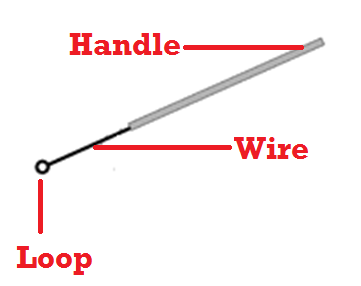
An inoculating loop is a laboratory instrument designed to collect, transfer, and distribute microorganisms between culture media under aseptic conditions. It typically consists of a slender wire formed into a small circular loop at one end and attached to a handle at the other. This configuration facilitates controlled manipulation of microbial samples, allowing the user to introduce organisms into liquid media or spread them across solid agar surfaces.
The working end of the instrument is particularly important because its shape and dimensions influence the amount of material it can carry and the manner in which the sample is deposited. The loop is generally constructed from heat-resistant metals, such as nichrome or platinum, which can withstand repeated sterilization. Nichrome is widely used because of its durability and relatively low cost, whereas platinum offers excellent resistance to corrosion and oxidation, although it is more expensive. Alternatively, disposable inoculating loops made from plastic are available for procedures requiring single-use instruments or specific sampling volumes.
The handle provides a stable grip and allows the operator to manipulate the loop with controlled movements (Figure 1). Depending on the design, it may be made of metal, glass, or heat-resistant materials. In modern laboratories, disposable plastic loops often incorporate an integrated handle, reducing the need for separate components and simplifying disposal after use. As aforesaid, inoculating loop or wire loop is a general purpose piece of instrument that allows microbiologist to transfer microbes in an aseptic manner from one place to another. Colonies of microbes growing on culture media plates of slants can be transferred onto glass slides or fresh culture medium for further studies, and this is only made possible with the aid of a wire loop.
Inoculating loops are manufactured in different sizes and configurations to accommodate various laboratory applications. Standard loops are commonly used for transferring microbial cultures and performing streak plate techniques, while calibrated loops are designed to collect defined volumes of liquid specimens. For example, calibrated loops with capacities of 1 microlitre or 10 microlitres are frequently employed in quantitative bacteriological procedures, including the estimation of bacterial counts in clinical specimens.
The development of the inoculating loop is closely associated with the emergence of modern bacteriology during the nineteenth century. As scientists began investigating microorganisms systematically, reliable methods for transferring and cultivating pure cultures became increasingly important. The work of pioneers such as Robert Koch contributed to the development of laboratory practices for isolating bacteria and studying their characteristics. The refinement of solid culture media and streaking techniques subsequently established the inoculating loop as a practical instrument for separating individual microbial colonies.
Over time, improvements in materials, manufacturing, and sterilization methods expanded its usefulness. Metal loops became standard equipment in microbiology laboratories, while disposable alternatives later provided additional convenience and reduced the risk of cross-contamination. The inoculating loop remains a simple yet highly functional instrument. Its uncomplicated structure, adaptability, and compatibility with aseptic procedures make it an enduring tool in microbial cultivation, identification, and laboratory investigation.
Types of inoculating loops
Inoculating loops are essential instruments in microbiology, facilitating the aseptic transfer, isolation, and cultivation of microorganisms under controlled laboratory conditions. Their suitability for specific microbiological procedures depends on several design characteristics, including material composition, structural configuration, dimensions, transfer capacity, and reusability. Accordingly, inoculating loops can be classified according to their manufacturing materials, physical attributes, functional design, and intended applications.
The major types include metal inoculating loops, disposable plastic inoculating loops, calibrated inoculating loops, loops of varying diameters, loops with specialized handles and assemblies, and application-specific inoculating loops (Figure 2). These categories reflect the diversity of loop designs developed to accommodate different specimen-handling requirements, inoculation techniques, and laboratory workflows.
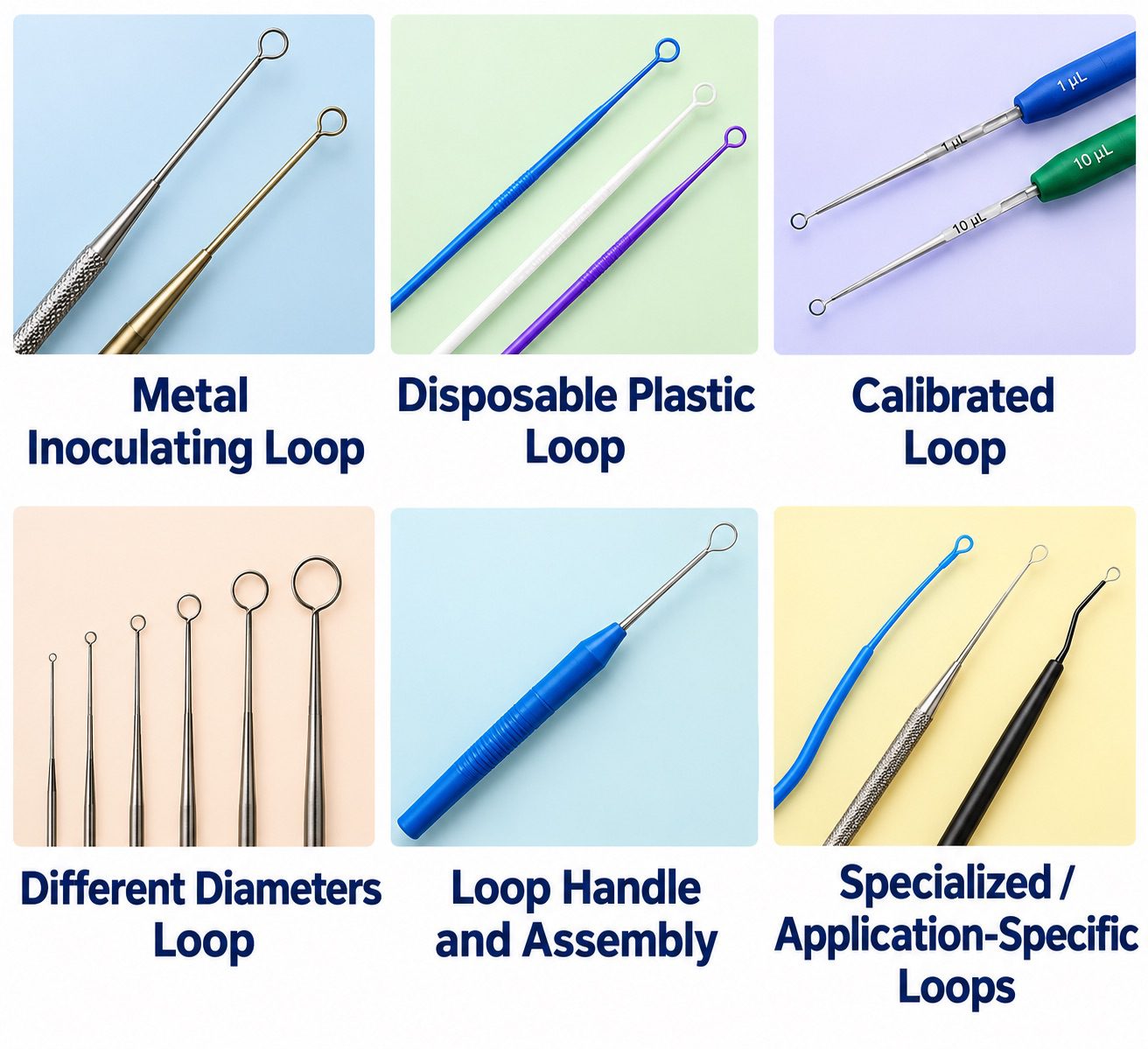
Metal inoculating loops, commonly fabricated from nichrome or platinum, are valued for their durability and ability to withstand appropriate heat sterilization procedures. Disposable plastic loops offer a convenient alternative by eliminating the need for repeated sterilization and reducing the risk of cross-contamination. Calibrated inoculating loops are specifically designed to transfer predetermined volumes of liquid specimens, making them particularly useful in quantitative microbiological investigations.
Differences in loop diameter also influence specimen handling and the suitability of an instrument for particular inoculation techniques. The handle and overall assembly contribute to manipulation, operational precision, and ease of use. Specialized loops incorporate features adapted to specific laboratory requirements, including clinical specimen processing and microbial isolation.
Metal inoculating loop
A metal inoculating loop is a conventional microbiological instrument designed for the controlled transfer of microorganisms between culture media. It generally consists of a fine wire made from nichrome, a nickel-chromium alloy, or platinum, attached to an elongated handle. The wire is shaped into a small circular loop that facilitates the collection and deposition of microbial material during laboratory procedures (Figure 3). Nichrome loops are widely used because of their durability, heat resistance, and affordability, making them suitable for routine microbiological investigations and educational laboratories.
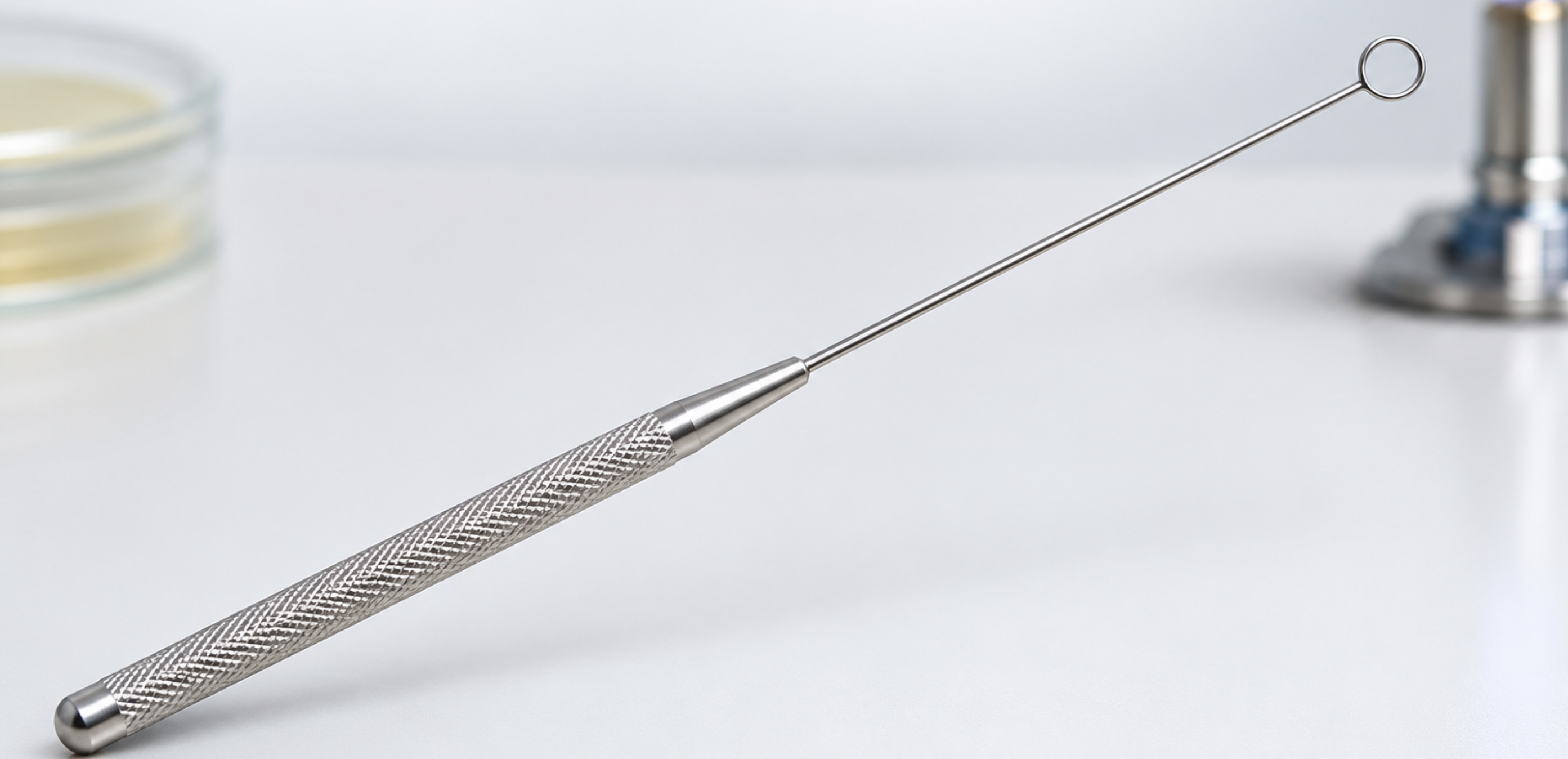
Platinum loops, by contrast, offer excellent resistance to corrosion and high temperatures, providing prolonged service life in specialized laboratory settings despite their greater expense. Reusable metal loops can be sterilized using an appropriate flame or validated sterilization device and must be allowed to cool before contacting a microbial specimen to prevent heat-induced cellular damage. Their principal applications include streak plating, colony selection, culture transfer, and the preparation of microbial suspensions. Regular inspection for wire deformation, corrosion, or structural damage helps maintain operational reliability and minimize inconsistencies during inoculation.
Disposable plastic inoculating loop
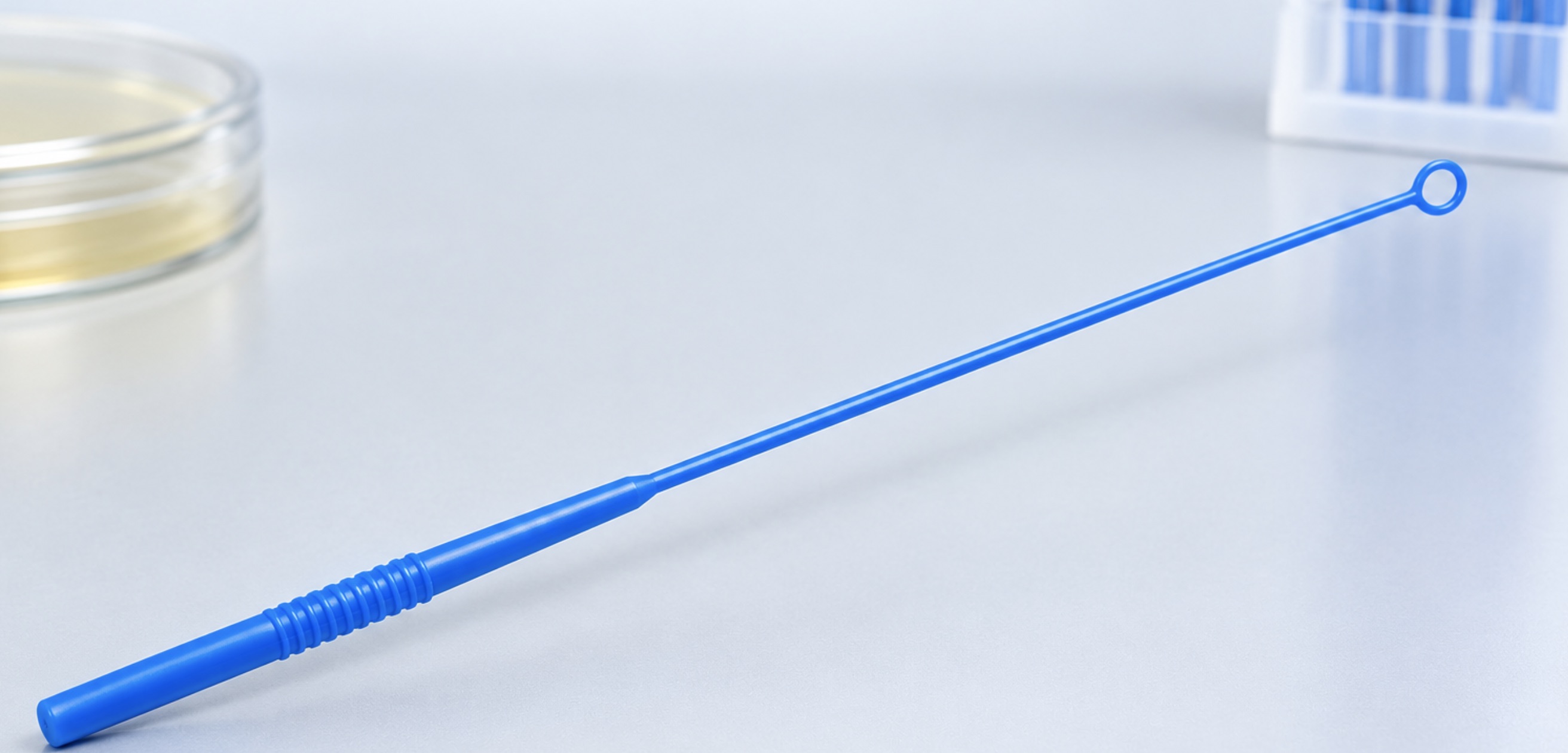
A disposable plastic inoculating loop is a single-use instrument manufactured from laboratory-grade polymeric materials, commonly polystyrene. It provides a convenient alternative to reusable metal loops, particularly in clinical and diagnostic laboratories where efficient specimen processing and contamination prevention are essential. These loops are generally supplied sterile and ready for immediate use, eliminating the need for repeated flame sterilization and reducing the possibility of cross-contamination associated with inadequate instrument reprocessing.
Their lightweight construction supports convenient handling during bacterial culture inoculation, colony isolation, and the transfer of microbial specimens onto suitable growth media. Disposable loops are available in different dimensions and may also be manufactured with calibrated capacities for quantitative applications (Figure 4). However, plastic loops cannot withstand direct flame sterilization and must not be reused. After use, they should be discarded in accordance with established laboratory biosafety protocols and biological waste management requirements.
Calibrated inoculating loop
A calibrated inoculating loop is a specialized instrument designed to transfer a predetermined volume of liquid specimen. Unlike an ordinary inoculating loop, whose retained volume can vary with its dimensions, the properties of the liquid, and the collection technique, a calibrated loop is manufactured to deliver a specified volume under appropriate operating conditions. Common capacities include 1 microlitre and 10 microlitres, although other sizes may be available. These instruments are particularly important in clinical microbiology, where quantitative estimates of viable microorganisms contribute to the interpretation of culture results.
In urine culture procedures, for example, a calibrated loop is used to inoculate a measured quantity of specimen onto appropriate culture media. Following incubation, the resulting colony count can be used to estimate the bacterial concentration in colony-forming units per millilitre (CFU/mL). The reliability of this estimation depends on correct sampling, appropriate specimen handling, complete inoculum delivery, and adherence to validated laboratory procedures. Calibrated loops may be reusable or disposable, depending on their construction and intended application.
Inoculating loops of different diameters
Inoculating loops are manufactured in different diameters to accommodate variations in specimen handling, microbial transfer, and culture techniques. Their dimensions influence the geometry of the instrument, the amount of liquid it may retain, and the surface area available for collecting microbial material. Small-diameter loops can facilitate the controlled manipulation of small colonies and the transfer of limited quantities of microbial growth. Larger loops may provide a broader contact area or retain more liquid, depending on their design and construction.
In streak plate procedures, appropriate loop dimensions can assist in distributing an inoculum across the agar surface to obtain spatial separation of individual colonies. Nevertheless, loop diameter alone does not establish a precise transfer volume, because the actual volume also depends on the loop’s geometry and whether it has been calibrated. Selecting a suitable diameter therefore requires consideration of the specimen type, the nature of the culture medium, the intended transfer procedure, and the requirements of the laboratory protocol. Appropriate selection promotes consistency and facilitates effective microbial isolation.
Specialized and application-specific inoculating loops
Specialized inoculating loops are designed to accommodate particular microbiological workflows and operational requirements. These instruments may differ in their material composition, sterilization status, transfer capacity, flexibility, and overall geometry. Presterilized loops are supplied ready for use and are particularly convenient when rapid access to a sterile instrument is required.
Calibrated disposable loops combine single-use convenience with a defined sampling volume, making them valuable in diagnostic procedures that require quantitative inoculation. Certain polymer loops incorporate flexible structures that can facilitate the collection and transfer of microbial material from selected surfaces, although their suitability depends on the specimen and the manufacturer’s specifications. Other variations in shape and dimensions are intended to support particular sampling or inoculation procedures.
The selection of a specialized loop should be based on the intended application, the required degree of transfer precision, specimen characteristics, contamination-control requirements, and compatibility with the laboratory’s validated methods. An understanding of the distinctions among inoculating loop designs enables microbiologists to select appropriate instruments for microbial isolation, cultivation, quantitative analysis, and routine laboratory investigations.
Inoculating loop handle and assembly
The handle is an integral component of the inoculating loop assembly, providing structural support and enabling controlled manipulation during microbiological procedures. Depending on the instrument, the handle may be constructed from metal, heat-resistant material, or plastic, with reusable and disposable designs differing in their overall configuration. A well-designed handle provides a stable grip, supports precise movements, and reduces unnecessary hand adjustments during repetitive laboratory operations.
In reusable metal loops, the connection between the handle and wire must be sufficiently secure to preserve the loop’s shape during routine handling and sterilization. Disposable plastic loops commonly incorporate an integrated handle that simplifies handling and disposal. Handle length, balance, and overall ergonomics influence the operator’s ability to transfer colonies, inoculate culture media, and manipulate specimens without accidentally contacting sterile surfaces. Proper handling is essential for maintaining aseptic technique, preventing contamination, and ensuring that the working end of the instrument remains suitable for its intended purpose.
Sterilization and aseptic technique in the use of an inoculating loop
Sterilization and aseptic technique are fundamental practices in microbiology that ensure the reliability of experimental results and minimize the risk of microbial contamination. An inoculating loop must be properly sterilized before and after use to eliminate unwanted microorganisms and maintain the purity of laboratory cultures. Metal inoculating loops, commonly manufactured from nichrome or platinum wire, can be sterilized using a suitable flame or an approved sterilization device. During flame sterilization, the wire is heated appropriately until it reaches the required sterilizing condition, following established laboratory procedures.
After sterilization, the loop must be allowed to cool before it comes into contact with a microbial specimen. Introducing a hot loop directly into a culture may kill the microorganisms being transferred, thereby compromising the inoculation process. Cooling should be performed without touching nonsterile surfaces or blowing on the loop, as these actions may introduce contaminants.
Aseptic technique involves a series of precautions designed to prevent the introduction of unwanted microorganisms into cultures, media, equipment, and the surrounding laboratory environment. These precautions include maintaining a clean working area, minimizing unnecessary exposure of culture containers, handling sterile materials carefully, and avoiding contact between the sterilized loop and contaminated surfaces. Culture vessels should be opened only when necessary and closed promptly after the required transfer has been completed.
Disposable plastic inoculating loops provide an alternative to reusable metal loops, particularly in laboratories where single-use equipment is preferred. These loops must not be reused and should be discarded into designated waste containers in accordance with institutional biosafety procedures. Reusable metal loops must undergo appropriate sterilization between successive transfers, especially when different microbial cultures are being handled.
Consistent application of sterilization and aseptic procedures improves culture purity, reduces cross-contamination, protects laboratory personnel, and supports the production of dependable microbiological observations. Therefore, careful loop handling is essential for safe and accurate microbiological investigations.
Applications of the inoculating loop in microbiology
The inoculating loop is an essential instrument in microbiology laboratories because it enables the controlled transfer and manipulation of microorganisms during routine laboratory procedures. Its simple design and practical functionality make it valuable in microbial isolation, cultivation, and identification. By facilitating the movement of small quantities of microbial material between culture media, the inoculating loop supports the maintenance of aseptic conditions and the accuracy of microbiological investigations. Its major applications include the following:
1. Isolation of microorganisms by the streak plate technique
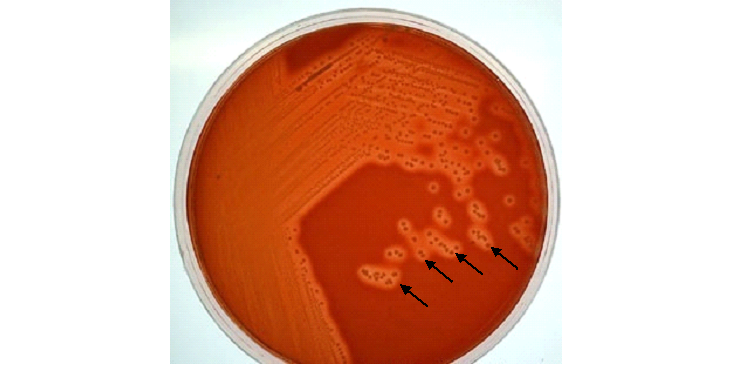
The inoculating loop plays a fundamental role in the streak plate technique, a method used to separate individual microorganisms from a mixed population. A small quantity of microbial culture is distributed across the surface of solid agar in successive streaks. This process progressively separates microbial cells, allowing individual cells to develop into distinct colonies after incubation. The resulting colonies can be selected for further examination or purification. This application is particularly important in obtaining pure cultures for research, diagnostic investigations, and routine microbial analysis.
2. Transfer of microorganisms between culture media
The inoculating loop facilitates the aseptic transfer of microorganisms from one culture medium to another. During laboratory investigations, microbial cultures may need to be transferred to fresh media to maintain their growth, prepare working cultures, or support further experimental procedures. The loop enables the collection of a small amount of microbial material and its controlled deposition onto the receiving medium. Appropriate sterilization, cooling, and aseptic handling are essential to minimize contamination and preserve the integrity of the cultures. This function makes the inoculating loop indispensable in routine microbial cultivation.
3. Inoculation of agar slants
Agar slants are culture media prepared in tubes with an inclined solid surface, providing an accessible area for microbial growth. The inoculating loop is used to introduce microorganisms onto this surface, usually by making a gentle streak along the agar. This method supports the maintenance of laboratory stock cultures and the preparation of microorganisms for subsequent examination. Agar slants are useful because they provide a relatively compact culture environment and can facilitate the preservation of suitable organisms under appropriate storage conditions. The inoculating loop therefore contributes to organized culture management and the continued availability of microbial isolates.
4. Inoculation of liquid broth media
The inoculating loop is also employed to introduce microorganisms into liquid culture media, commonly known as broth. In this application, a small amount of microbial material is transferred from an existing culture into a sterile broth to initiate growth. Following incubation under suitable conditions, microbial multiplication may produce visible turbidity or other observable changes. Broth cultures are useful in preparing microbial suspensions and supporting procedures that require organisms in a liquid medium. However, when accurate quantitative transfer is necessary, a calibrated loop, pipette, or another appropriate measuring instrument should be selected according to the experimental requirements.
5. Preparation of cultures for microbial identification
The inoculating loop contributes to microbial identification by facilitating the preparation and transfer of isolates for diagnostic and investigative procedures. Selected colonies may be transferred to suitable media for subsequent biochemical tests, physiological assessments, or other laboratory analyses. These investigations help characterize microorganisms according to their metabolic activities and other distinguishing properties. The loop may also be used to prepare microbial material for additional examination, provided that the procedure is appropriate for the test being performed. Reliable identification depends on the use of suitable cultures, proper aseptic technique, and validated laboratory methods.
Role of the inoculating loop in microbial isolation and cultivation
The inoculating loop plays a fundamental role in microbial isolation and cultivation by facilitating the controlled transfer, distribution, and propagation of microorganisms under laboratory conditions. Its design enables microbiologists to handle small quantities of microbial material with precision, making it an indispensable instrument in routine microbiological investigations.
One of its principal applications is the isolation of pure cultures from mixed microbial populations. In the streak plate technique, the inoculating loop distributes microorganisms across the surface of solid culture media in successive streaks. This process progressively reduces the microbial load deposited in each region, allowing individual cells to become spatially separated. Following incubation under appropriate conditions, these isolated cells may develop into distinct colonies, which can be selected for further cultivation and examination.
The inoculating loop also contributes significantly to the cultivation and propagation of microorganisms. It facilitates the transfer of microbial cells from one growth medium to another, including agar plates, agar slants, and liquid broth. This transfer enables microorganisms to grow in suitable environments and provides material for subsequent laboratory procedures. Maintaining aseptic conditions during inoculation is essential to preserve culture integrity and minimize the introduction of unwanted microorganisms.
Another important application is the selection and subculturing of microbial colonies. Once distinct colonies have developed on an agar plate, the loop can be used to collect material from a selected colony and transfer it to fresh culture media. This procedure supports the establishment of pure cultures and enables further investigations into microbial characteristics, including growth patterns, physiological properties, and biochemical activities.
The inoculating loop facilitates the examination of colony morphology and microbial diversity. The colonies obtained through isolation may differ in size, shape, margin, elevation, pigmentation, and surface texture. Observing these characteristics provides preliminary information that can assist in distinguishing microbial populations and selecting organisms for more detailed identification. However, colony appearance alone is insufficient to establish the identity of a microorganism.
In addition, the inoculating loop supports various diagnostic, educational, and research procedures by enabling consistent microbial transfer and reproducible inoculation. Its simplicity, versatility, and ease of handling make it valuable in clinical laboratories, academic institutions, and microbiological research facilities. When used correctly alongside appropriate sterilization practices and laboratory biosafety measures, the inoculating loop promotes effective microbial isolation, reliable cultivation, and accurate microbiological analysis.
Advantages, limitations, and precautions of an inoculating loop
The inoculating loop is an indispensable instrument in microbiology because of its simplicity, versatility, and effectiveness in handling microbial cultures. One of its principal advantages is its cost-effectiveness, as metal loops can be reused after appropriate sterilization. Their lightweight design and convenient handle facilitate the controlled transfer of microorganisms between culture media. Inoculating loops support essential laboratory procedures, including streak plating, colony isolation, and the preparation of microbial cultures for identification.
Calibrated loops also enable the transfer of specific liquid volumes, making them useful in quantitative microbiological investigations. Despite these benefits, inoculating loops have certain limitations. Standard loops are not designed to measure precise liquid volumes, and the amount of culture transferred may vary according to the loop size, sampling technique, and properties of the specimen. Improper handling can also introduce contaminants, compromise culture purity, or produce unreliable experimental results. Additionally, reusable metal loops require suitable sterilization facilities, whereas disposable plastic loops generate laboratory waste and must not be reused.
Several precautions are therefore necessary to ensure reliable and safe operation. Before use, reusable loops must be sterilized using an appropriate method, while disposable loops should be taken from their sterile packaging immediately before use. A heated metal loop must be allowed to cool sufficiently before contacting a microbial specimen to prevent heat-induced damage to the organisms or splattering of the culture.
Throughout the procedure, the loop should be handled aseptically, avoiding contact between its sterile working end and non-sterile surfaces. Used loops must be decontaminated or discarded in accordance with established laboratory protocols. Appropriate personal protective equipment, proper hand hygiene, and adherence to institutional biosafety guidelines are also essential. When these precautions are consistently observed, the inoculating loop contributes to contamination control, reproducible laboratory procedures, and dependable microbiological results.
References
Cheesbrough, M (2006). District Laboratory Practice in Tropical countries Part I Cambridge
Chung K.T, Stevens Jr., S.E and Ferris D.H (1995). A chronology of events and pioneers of microbiology. SIM News, 45(1):3–13.
Dictionary of Microbiology and Molecular Biology, 3rd Edition. Paul Singleton and Diana Sainsbury. 2006, John Wiley & Sons Ltd. Canada.
Goldman E and Green L.H (2008). Practical Handbook of Microbiology, Second Edition. CRC Press, Taylor and Francis Group, USA.
Madigan M.T., Martinko J.M., Dunlap P.V and Clark D.P (2009). Brock Biology of microorganisms. 12th edition. Pearson Benjamin Cummings Publishers. USA.
Nester E.W, Anderson D.G, Roberts C.E and Nester M.T (2009). Microbiology: A Human Perspective. Sixth edition. McGraw-Hill Companies, Inc, New York, USA.
Prescott L.M., Harley J.P and Klein D.A (2005). Microbiology. 6th ed. McGraw Hill Publishers, USA.
Willey J.M, Sherwood L.M and Woolverton C.J (2008). Harley and Klein’s Microbiology. 7th ed. McGraw-Hill Higher Education, USA.
Discover more from Microbiology Class
Subscribe to get the latest posts sent to your email.