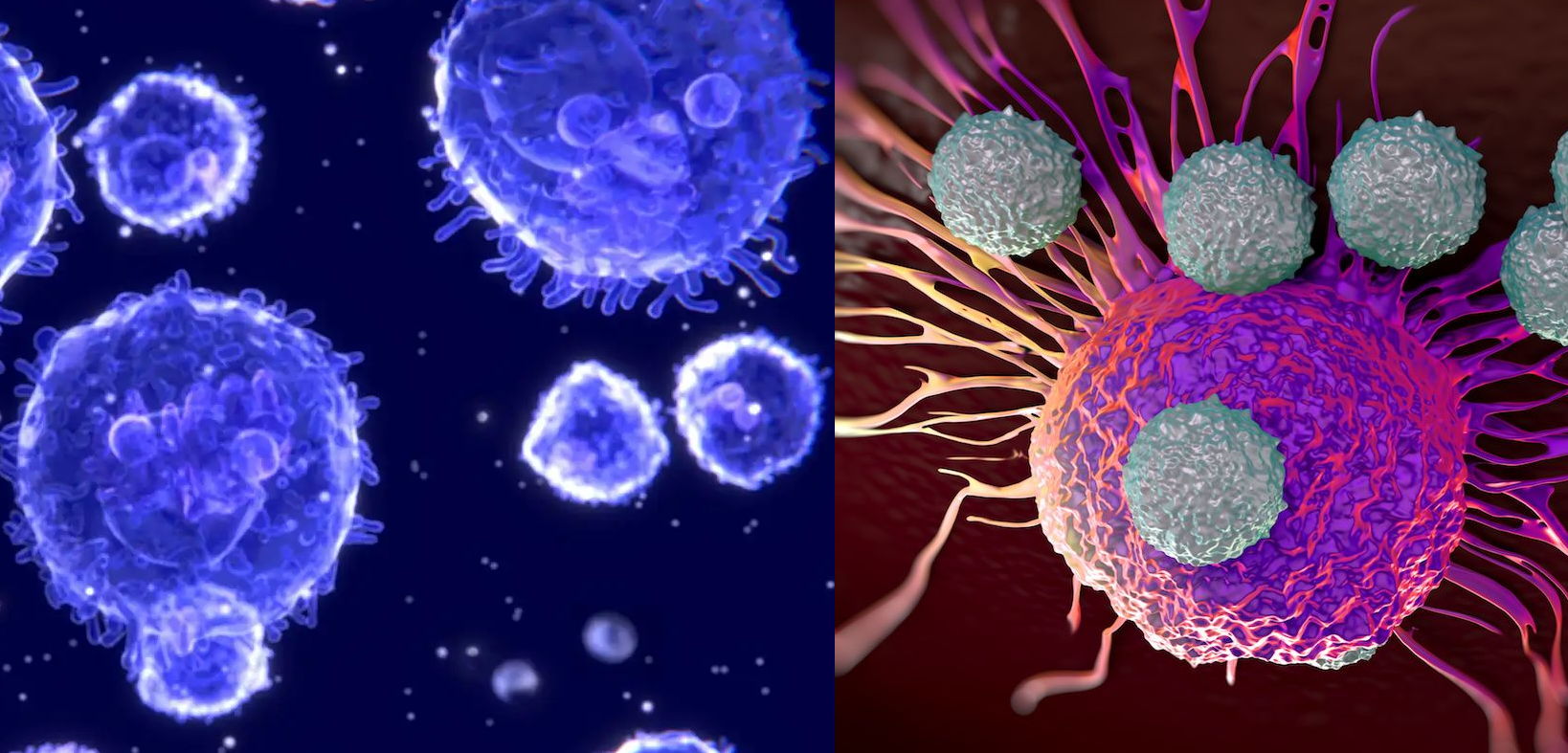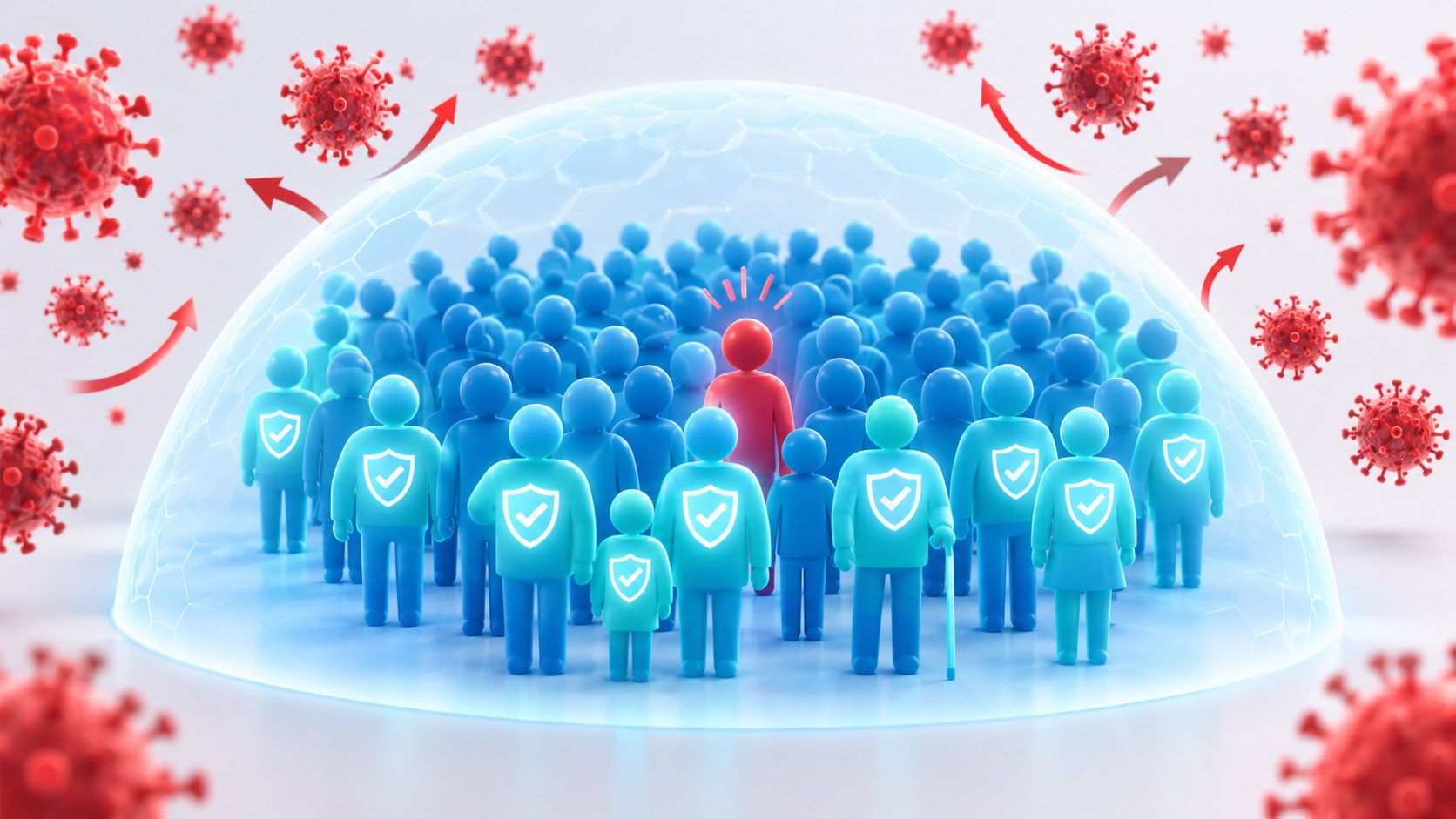

Antigen-antibody reaction is an immunological reaction in which a particular antibody molecule reacts with a specific antigen to form an antigen-antibody complex which is marked for further immunological response by other components of the immune system. It can occur inside a living organism (i.e. in vivo reaction) and it can also occur outside the host body (i.e. in vitro reaction).
Antigen-antibody interaction is a fundamental immunological process involving the selective recognition and binding of an antigen by its corresponding antibody. An antigen is any substance capable of being specifically recognized by components of the immune system, while an antibody, also known as an immunoglobulin, is a specialized glycoprotein produced by plasma cells following B-lymphocyte activation. These molecular interactions constitute an essential component of adaptive immunity, enabling the body to identify, neutralize and facilitate the elimination of potentially harmful foreign substances.
The specificity of this interaction is determined by the structural and chemical compatibility between the antigenic determinant (epitope) and the antigen-binding region (paratope) of the antibody. Through this precise molecular recognition, antibodies can distinguish between different antigens, including microbial proteins, bacterial toxins and viral surface components. Antigen-antibody binding is primarily mediated by non-covalent forces, including hydrogen bonds, electrostatic attractions, hydrophobic interactions and van der Waals forces.
Although these forces are individually weak, their combined effect produces a stable and biologically significant antigen-antibody complex. This interaction initiates several protective immunological mechanisms, such as antigen neutralization, agglutination, precipitation, opsonization and complement activation. Antigen-antibody recognition contributes substantially to pathogen clearance, immune regulation and the maintenance of physiological defense.
Beyond its protective function, this molecular phenomenon provides the scientific foundation for numerous diagnostic and therapeutic applications, including enzyme-linked immunosorbent assays (ELISA), immunohistochemistry, blood compatibility testing and antibody-based treatments. The main biological function of an antigen-antibody reaction within the body of the host organism (i.e. in vivo) is to identify and mark antigens or pathogenic microorganisms for destruction and elimination from the body by other specific components of the immune system e.g. pathogen destruction by phagocytes.
Antigen-antibody reaction is a reversible immunological reaction; and though it bears a resemblance to the notable enzyme-substrate reaction, there is no apparent degradation in the chemical structure of either the antibody or antigen involved in the reaction. The strength of antigen-antibody binding or interaction is generally known as avidity. Avidity is defined as the functional binding strength between an antigen and antibody.
Avidity generally reflects the interaction between the epitopes and the CDRs/HVRs of the interacting immunoglobulin molecule(s). It expresses the binding power or capacity of an immunoglobulin molecule rather than its affinity i.e. its attraction to particular epitopes of an antigenic molecule. It is the ability of an immunoglobulin molecule to express multiple interactions (especially with multivalent antibodies such as IgM) with an antigen.
The complementarity determining regions (CDRs) of the antibody react with the epitopes or antigenic determining sites of the antigen(s) to form an immune complex known as antigen-antibody complex which is held together by non-covalent bonds or forces such as van der Waals forces.CDRs which can also be called hyper-variable regions (HVRs) are specific areas within the variable regions of an immunoglobulin molecule (i.e. the VH/VL domain) as well as the T cell receptors (TCRs) of T cells that specifically bind to antigens, and thus determine the antigen-binding specificity of the molecule. VH stands for heavy variable region while VL stands for light variable regions.
Structure and properties of antigens and antibodies
Antigens and antibodies are fundamental components of the immune system that facilitate the recognition and elimination of foreign substances from the body. Their structural characteristics and biochemical properties determine the specificity and effectiveness of immune responses. An understanding of their molecular organization provides insight into how the immune system distinguishes foreign materials from the body’s own biological components.
Antigens are substances capable of being specifically recognized by components of the immune system. They commonly include proteins, polysaccharides, glycoproteins, and other molecular structures found on the surfaces of bacteria, viruses, fungi, parasites, and foreign cells. Some antigens may also originate from environmental substances such as pollen, food proteins, and certain chemical compounds. Antigens possess distinctive molecular features that enable immune recognition. Although many antigens can stimulate an immune response, some require association with carrier molecules before they can induce antibody production. Such small molecules are known as haptens.
A characteristic feature of antigens is the presence of specific regions called antigenic determinants or epitopes. These are the precise molecular sites recognized by antibodies or antigen receptors on lymphocytes. An individual antigen may contain several different epitopes, allowing it to interact with multiple antibodies possessing different specificities. Epitopes may be formed by a continuous sequence of amino acids or by amino acids brought together through the three-dimensional folding of a protein. Their chemical composition, spatial arrangement, and accessibility influence the nature of immune recognition.
Antibodies, also known as immunoglobulins, are specialized glycoproteins synthesized and secreted by plasma cells, which develop from activated B lymphocytes. They circulate in blood plasma, lymph, and other body fluids, while certain classes are also associated with mucosal surfaces and cellular membranes. Their principal function is to identify and bind specifically to corresponding antigens, thereby facilitating their neutralization or removal from the body.
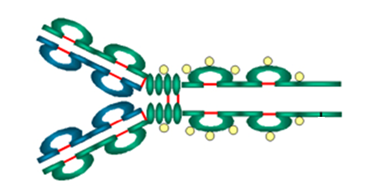
Structurally, a typical antibody molecule possesses a characteristic Y-shaped configuration consisting of four polypeptide chains: two identical heavy chains and two identical light chains. These chains are interconnected by disulfide bonds, which contribute to the stability and structural integrity of the molecule. Each antibody contains two antigen-binding regions situated at the terminal arms of the Y-shaped structure. These binding regions are formed by the variable portions of both heavy and light chains.
The antigen-binding site of an antibody is known as the paratope. It possesses a complementary molecular arrangement that enables it to recognize and attach to a particular epitope on an antigen. The specificity of this interaction is determined by the amino acid sequences and three-dimensional configuration of the variable regions. Different antibodies can recognize different antigenic determinants, even when they originate from the same antigen.
Another important structural feature of immunoglobulin is the division of the antibody molecule into variable (V) and constant regions. The variable region is responsible for antigen recognition and binding specificity, whereas the constant region determines the antibody’s immunological class and mediates various effector functions, including complement activation and interaction with immune cells. The complementary structural organization of antigens and antibodies provides the molecular foundation for specific immune recognition, making their interaction essential for effective humoral immunity and protection against infectious agents.
Lock-and-key binding mechanism of antigen-antibody interaction
The lock-and-key binding mechanism is a fundamental concept in immunology that explains the remarkable specificity of antigen-antibody interactions. It describes how an antibody selectively recognizes and attaches to a particular antigen through complementary structural and chemical features. This interaction is essential for immune recognition, enabling the body to distinguish foreign substances from its own cellular components and initiate appropriate defensive responses.
An antigen is a foreign substance, such as a bacterial protein, viral component, toxin, or other molecule, capable of stimulating an immune response. Each antigen may contain specific regions known as antigenic determinants or epitopes, which serve as recognition sites for antibodies. Antibodies are specialized immunoglobulin proteins produced by plasma cells following B-cell activation. Each antibody possesses antigen-binding regions called paratopes, located at the tips of its Y-shaped structure.
These paratopes are formed by variable regions of the heavy and light polypeptide chains, which determine the antibody’s binding specificity. The lock-and-key model illustrates the relationship between these two molecular structures (Figure 1). In this analogy, the antibody’s paratope represents the lock, while the antigen’s epitope represents the corresponding key. For binding to occur, the molecular configuration of the epitope must exhibit sufficient structural and chemical complementarity with the antibody’s binding site. This compatibility allows the two molecules to associate selectively, forming an antigen-antibody complex.
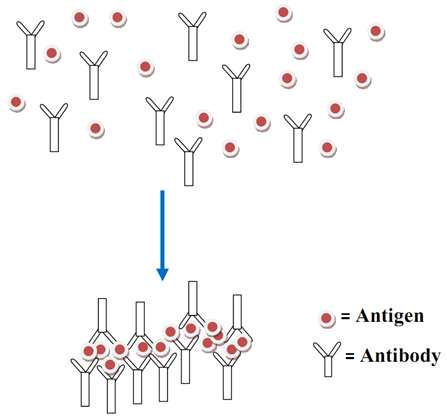
The specificity of this interaction is governed by the three-dimensional arrangement of amino acids within the antibody’s variable regions. Differences in the size, shape, electrical charge, and chemical properties of these regions enable individual antibodies to recognize distinct antigenic determinants. Consequently, an antibody produced against one antigen will generally not bind effectively to an unrelated antigen unless the latter possesses a sufficiently similar epitope.
Although the lock-and-key analogy is useful for understanding antigen recognition, actual antigen-antibody binding is more dynamic than a rigid mechanical fit. The interaction may involve slight conformational adjustments in either molecule, a phenomenon known as induced fit. Once the binding surfaces achieve suitable compatibility, several non-covalent forces stabilize the resulting complex. These include hydrogen bonding, electrostatic attractions, hydrophobic interactions, and van der Waals forces.
Their combined effects determine the strength and stability of antigen-antibody attachment. The resulting antigen-antibody complex contributes to immune defence through several mechanisms. Antibodies may neutralize toxins and viruses by blocking their interaction with host cells, promote phagocytosis through opsonization, facilitate pathogen aggregation through agglutination, and activate the complement system to enhance microbial destruction. The lock-and-key principle provides the molecular foundation for many immunological laboratory techniques, including ELISA, immunofluorescence, and rapid diagnostic tests.
These methods exploit the selective recognition between antigens and antibodies to detect specific biological substances. The lock-and-key binding mechanism demonstrates how molecular complementarity governs immune recognition. Through this highly selective interaction, antibodies identify specific antigenic targets and facilitate their neutralization or elimination, thereby contributing significantly to the protective functions of the immune system.
Forces governing antigen-antibody binding
Antigen-antibody binding is a highly selective molecular interaction that occurs when an antibody recognizes and attaches to a specific antigenic determinant (epitope) on an antigen. This association is governed by several intermolecular forces that facilitate molecular recognition, promote structural compatibility, and maintain the stability of the antigen-antibody complex. Unlike covalent bonding, these interactions are predominantly non-covalent, allowing the antibody to bind and detach from its target without permanently altering either molecule. Four major forces contribute to this binding process: hydrogen bonding, electrostatic interactions, hydrophobic interactions, and van der Waals forces.
Hydrogen bonding: Hydrogen bonds are attractive interactions formed between a hydrogen atom attached to an electronegative atom, such as oxygen or nitrogen, and another electronegative atom possessing an available electron pair. During antigen-antibody recognition, hydrogen bonds develop between complementary chemical groups located within the antigenic epitope and the antibody’s paratope. These interactions contribute to the precise orientation of the two molecules and reinforce the stability of their association. Their effectiveness depends on the distance and geometrical arrangement of the interacting groups.
Electrostatic interactions: Electrostatic interactions, also known as ionic interactions, arise from the attraction between oppositely charged chemical groups present on the antigen and antibody. For instance, positively charged amino acid residues, such as lysine and arginine, may interact with negatively charged residues, including aspartate and glutamate. These attractions facilitate molecular recognition and contribute to the formation of a stable antigen-antibody complex. Their strength is influenced by the surrounding ionic environment, pH, and distance between the interacting charges.
Hydrophobic interactions: Hydrophobic interactions occur when non-polar regions of the antigen and antibody associate in an aqueous environment. Water molecules tend to exclude non-polar surfaces, encouraging their aggregation and reducing their exposure to the surrounding solvent. During antigen-antibody binding, complementary hydrophobic patches may come together within the binding interface, promoting close molecular contact. This association contributes significantly to the stability of the complex by minimizing unfavourable interactions between non-polar groups and water molecules.
Van der Waals forces: Van der Waals forces are weak, short-range attractive interactions generated by temporary or induced fluctuations in the electron distributions of neighbouring atoms. When the antigen and antibody approach one another closely, these forces develop between atoms positioned at appropriate distances. Although individually weak, numerous van der Waals interactions can collectively contribute to the structural complementarity and stability of the antigen-antibody complex. Their effectiveness depends on the close packing and spatial arrangement of atoms at the binding interface.
B cell activation and antibody production
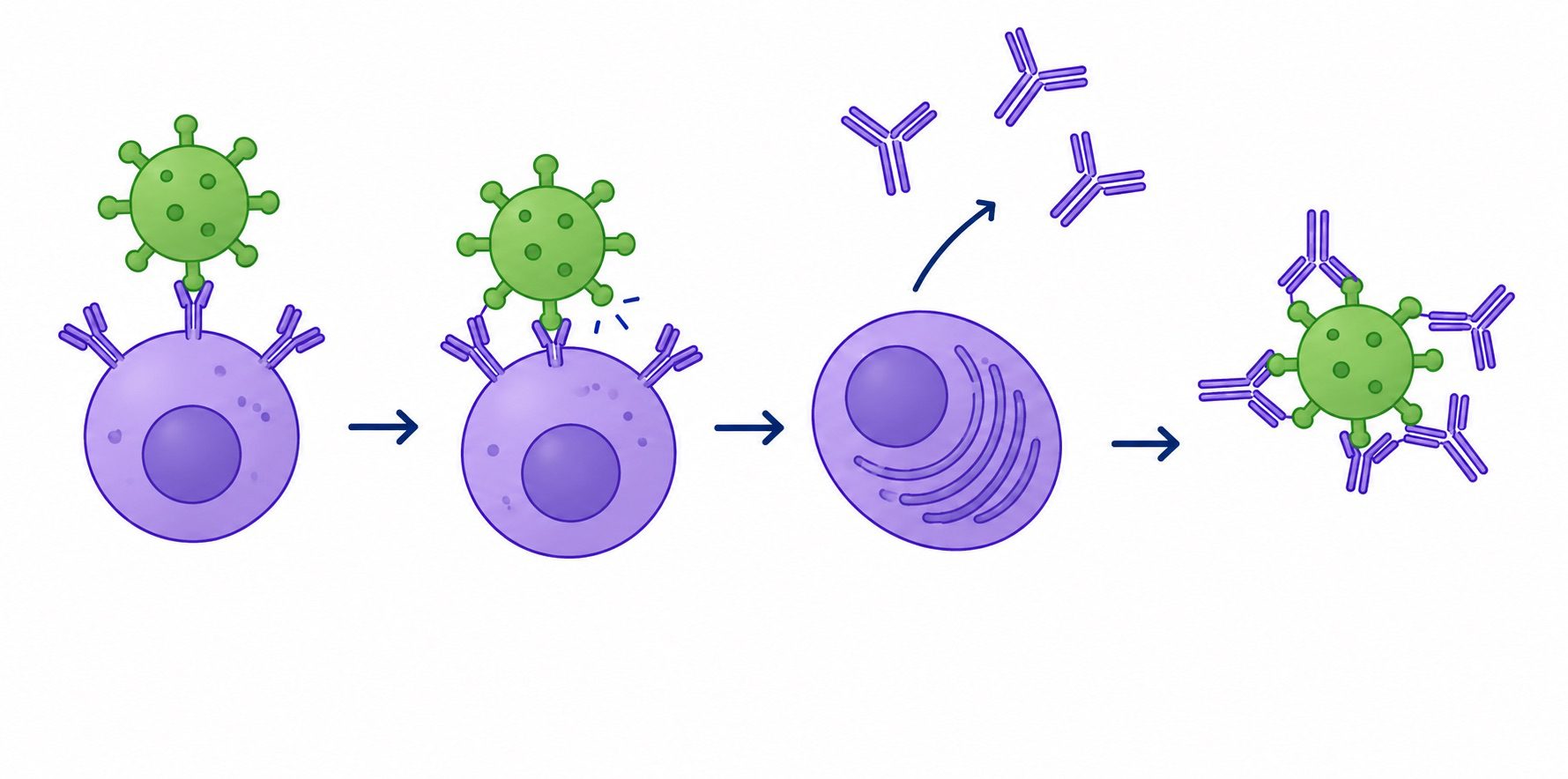
B-cell activation and antibody production are fundamental processes of the adaptive immune system, particularly in humoral immunity. B lymphocytes are specialized white blood cells responsible for recognizing foreign antigens and generating antibodies that help protect the body against infections. Through a coordinated sequence of antigen recognition, cellular activation, proliferation, and differentiation, B cells develop into antibody-secreting plasma cells and long-lived memory B cells (Figure 2). B-cell activation and antibody production constitute an essential component of adaptive immune defense. The coordinated activities of antigen recognition, clonal expansion, plasma cell formation, and memory cell development ensure effective antibody-mediated protection and sustained immunological memory.
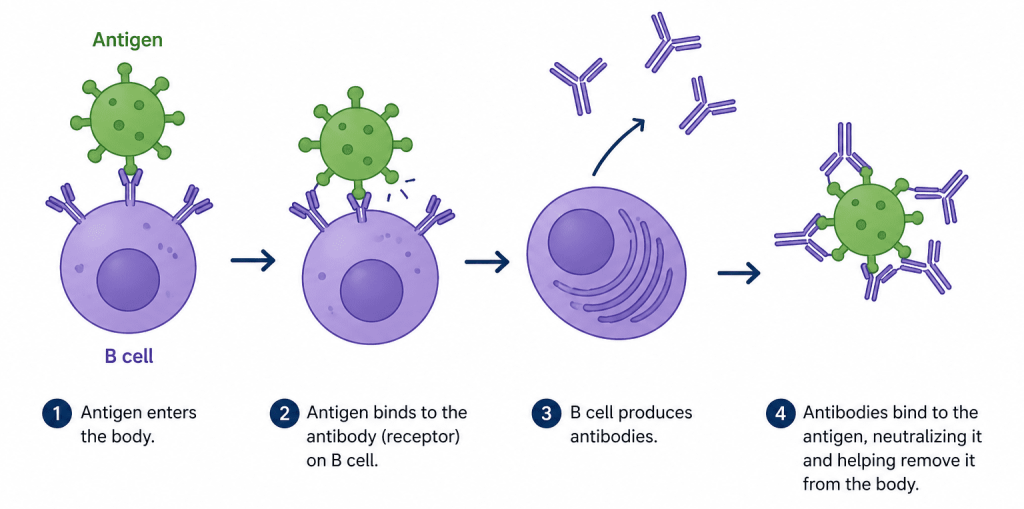
Antigen recognition and B-cell activation: B-cell activation begins when a specific antigen encounters and binds to the B-cell receptor (BCR) expressed on the surface of a mature B lymphocyte. The BCR is a membrane-bound immunoglobulin that recognizes particular antigenic determinants known as epitopes. Following antigen recognition, the antigen is internalized, processed into smaller peptide fragments, and presented on the B-cell surface through major histocompatibility complex class II (MHC II) molecules. In most T-dependent immune responses, helper T cells recognize the presented antigen and provide additional activation signals through interactions between CD40 and CD40 ligand (CD40L), alongside the release of cytokines. These signals stimulate the B cell to become fully activated and initiate its immune response.
Clonal expansion and B-cell differentiation: Once activated, the antigen-specific B cell undergoes clonal expansion, a process involving rapid cell division that generates numerous genetically identical daughter cells with the same antigen specificity. These cells subsequently undergo differentiation into specialized populations. Some develop into plasma cells, which possess extensive rough endoplasmic reticulum and are structurally adapted for the synthesis and secretion of large quantities of antibodies. Other activated B cells differentiate into memory B cells, which remain in the body for extended periods and retain the capacity to recognize the previously encountered antigen.
Antibody synthesis and immune protection: Plasma cells produce and release antigen-specific antibodies into the bloodstream, lymph, and other body fluids. These antibodies bind to their corresponding antigens through complementary antigen-binding sites, forming antigen-antibody complexes. The resulting interactions facilitate immune protection through several mechanisms, including neutralization of toxins and viruses, agglutination of pathogens, opsonization to enhance phagocytosis, and activation of the complement system. Through these mechanisms, antibodies contribute significantly to the recognition, neutralization, and elimination of foreign substances.
Immunological memory: Memory B cells provide the foundation for long-term humoral immunity. Upon subsequent exposure to the same antigen, these cells respond more rapidly and efficiently than naïve B cells during the initial encounter. They facilitate a faster and often stronger secondary antibody response, producing antibodies with improved antigen-binding affinity. This immunological memory is particularly important in vaccination, as it enables the immune system to establish lasting protection against specific infectious agents.
Types of antigen-antibody reactions
Antigen-antibody reactions are specific immunological interactions that occur when antibodies recognize and bind to their corresponding epitopes. These reactions form the foundation of humoral immunity and contribute significantly to the identification, neutralization, and elimination of foreign substances from the body. Depending on the nature of the antigen, antibody class, and conditions of interaction, several distinct reactions may occur.
The major types include agglutination, precipitation, neutralization, opsonization, and complement activation. These antigen-antibody reactions constitute essential mechanisms of immune protection. They facilitate pathogen recognition, toxin neutralization, cellular clearance, and inflammatory defence, thereby maintaining the body’s resistance against infectious agents.
Agglutination reaction: Agglutination is an immunological reaction in which antibodies, known as agglutinins, bind specifically to antigens on the surface of particulate materials, such as bacterial cells or red blood cells (RBCs), causing them to form visible clumps. Antibodies, particularly IgM, are highly effective in this reaction because their multiple antigen-binding sites allow them to cross-link neighbouring particles. When red blood cells are involved, the reaction is specifically termed haemagglutination, and the antibodies responsible are called haemagglutinins.
Agglutination facilitates the recognition and removal of pathogens by the immune system, including through phagocytosis. It is also widely applied in microbiology and serology laboratories to detect or identify specific antigens or antibodies in clinical specimens, such as serum or plasma. Applications include blood grouping, cross-matching, and the diagnosis of certain infectious diseases. For example, the Widal test, used in the laboratory diagnosis of Salmonella infection, is based on the principle of agglutination.
Agglutination reaction can also be employed in the identification of bacterial pathogens (e.g. Salmonella, Shigella, and Streptococcus species) in the microbiology laboratory. In the typing of ABO blood group of humans (i.e. in haemagglutination reaction), a drop of blood from an individual is mixed with antiserum antigens (e.g. antiserum A or B) on a slide; and the formation of visible clumps by the test blood sample with any of the corresponding antiserum antigen confirms the individuals blood group.
Precipitation reaction: A precipitation reaction is an immunological reaction in which a soluble antigen combines specifically with its corresponding soluble antibody, known as a precipitin, to form an insoluble antigen-antibody complex. The reaction occurs through repeated antigen-antibody binding, which produces an interconnected molecular network large enough to become visible as a precipitate. Maximum precipitation generally occurs when the antigen and antibody are present in optimal proportions, a condition known as the zone of equivalence.
An excess of either component may reduce precipitation by limiting the formation of large interconnected complexes. Antigen-antibody reactions are important both in vivo and in vitro. In the body, the formation of antigen-antibody complexes can contribute to the immune elimination of foreign substances. These interactions may neutralize pathogens or toxins and facilitate the recognition, opsonization, and subsequent phagocytosis of microorganisms by phagocytes, including macrophages.
The specificity of antigen-antibody binding makes precipitation reactions valuable in clinical diagnosis and laboratory investigations. These reactions are used in serological tests to detect and characterize specific antigens or antibodies in clinical samples. Examples include immunodiffusion and immunoelectrophoresis, which facilitate the identification and analysis of antigenic substances. Precipitation tests are also employed in detecting streptococcal group-specific antigens.
More broadly, the specificity of antigen-antibody interactions forms the basis of many diagnostic procedures performed in clinical microbiology and serology laboratories. Although antigen-antibody reactions are generally highly specific, cross-reactivity may occur when unrelated antigens share similar or identical epitopes. In such cases, an antibody produced against one antigen may also bind to another antigen with structurally similar epitopes. This possibility should be considered when interpreting serological test results.
Cross-reactivity is the capacity of a given immunoglobulin molecule or TCR to react with multiple antigens that share common antigenic determinants or epitopes. A typical example of cross-reactivity is observed in ABO blood group antigens that possess polysaccharide antigens that contain similar oligosaccharide residues. The cross-reactivity exhibited by ABO blood groups in humans has played significant roles in blood typing and even in transplantation or tissue/organ grafting.
Neutralization reaction: Neutralization is a protective immune mechanism in which antibodies bind to biologically active substances, thereby preventing them from exerting harmful effects. In viral infections, neutralizing antibodies attach to specific viral surface proteins and interfere with the virus’s ability to attach to or enter host cells. Similarly, antibodies can bind to bacterial toxins and prevent their interaction with cellular receptors. This reaction is particularly important in protection against toxin-mediated diseases and viral infections. Neutralization also represents one of the major mechanisms through which vaccines stimulate protective antibody responses.
Opsonization reaction: Opsonization refers to the process by which antibodies coat the surface of pathogens, marking them for recognition and destruction by phagocytic cells. Immunoglobulin G (IgG) is a major antibody involved in this process. Its antigen-binding region attaches to the pathogen, while its Fc region interacts with Fc receptors on phagocytes such as macrophages and neutrophils. This interaction enhances the attachment, engulfment, and intracellular destruction of microorganisms. Opsonization therefore improves the efficiency of innate immune defense by linking antibody-mediated recognition with cellular mechanisms of pathogen elimination.
Complement activation: Complement activation is an immune response in which antigen–antibody complexes stimulate the classical complement pathway. This process involves a cascade of plasma proteins that become sequentially activated to enhance pathogen clearance. Antibodies belonging mainly to the IgM and certain IgG subclasses can initiate this pathway after binding to antigens. Complement activation promotes inflammation, increases phagocytosis through opsonization, and may cause direct destruction of susceptible microorganisms through the formation of the membrane attack complex. This reaction strengthens antibody-mediated immunity and provides an additional mechanism for eliminating invading pathogens.
Factors affecting antigen-antibody interaction
Antigen-antibody interaction is a highly selective immunological process in which an antibody recognizes and binds to a specific antigenic determinant (epitope). The efficiency, stability, and strength of this interaction depend on several physicochemical and biological factors. These factors determine how effectively immune complexes are formed and how they contribute to immune protection.
Affinity: Affinity refers to the binding strength between a single antigenic epitope and an individual antibody-binding site (paratope). It reflects the degree of attraction between the two molecules. High-affinity antibodies form stronger and more stable interactions with their corresponding antigens, whereas low-affinity antibodies bind less firmly and may dissociate more easily. Affinity generally improves during an immune response through a process known as affinity maturation.
Avidity: Avidity describes the combined binding strength of multiple interactions between an antigen and an antibody. Unlike affinity, which measures a single binding interaction, avidity considers the overall stability of the antigen-antibody complex. It is influenced by the number of binding sites involved and the individual affinity of each interaction. For example, IgM antibodies often exhibit high avidity because their pentameric structure provides several antigen-binding sites.
Temperature: Temperature influences the molecular movement, structural stability, and reaction kinetics of antigen-antibody binding. Within an appropriate physiological range, temperature supports effective molecular interaction. However, excessively high temperatures may alter the three-dimensional structure of antibodies or antigens, thereby reducing their binding capacity. Low temperatures may slow molecular movement and interfere with the rate at which immune complexes form.
pH of the reaction medium: The pH of the surrounding environment significantly influences antigen-antibody binding. Changes in acidity or alkalinity can modify the electrical charges of amino acid residues within the antigen-binding region. Such alterations may disrupt hydrogen bonding and electrostatic attraction, weakening the interaction. An appropriate pH environment therefore helps preserve molecular compatibility and maintain effective antigen recognition.
Antigen and antibody concentration: The relative concentrations of antigens and antibodies determine the extent of immune complex formation. When their proportions are suitable, extensive binding and lattice formation may occur. However, an excess of antibodies, known as the prozone phenomenon, or an excess of antigens, known as the postzone phenomenon, may interfere with visible agglutination or precipitation reactions. This principle is particularly important in immunological laboratory investigations.
Specificity and structural compatibility: Specificity refers to the ability of an antibody to recognize and bind preferentially to a particular antigenic determinant. It depends on the complementary shapes, chemical properties, and spatial arrangement of the epitope and paratope. Structural compatibility enables selective recognition through non-covalent forces, including hydrogen bonds, electrostatic interactions, hydrophobic forces, and van der Waals interactions. This selectivity allows antibodies to distinguish between different antigens, although cross-reactivity may occur when unrelated antigens possess similar epitopes.
Ionic strength and salt concentration: The ionic strength of the surrounding medium affects the electrostatic forces responsible for stabilizing antigen-antibody complexes. Excessive salt concentrations may shield electrical charges on interacting molecules, thereby weakening certain binding interactions. Conversely, unsuitable ionic conditions may alter molecular stability and reduce the efficiency of antigen recognition.
Incubation time and reaction conditions: The duration of antigen-antibody contact influences the extent to which binding reaches equilibrium. Adequate incubation allows sufficient molecular contact and promotes immune complex formation. Insufficient incubation may result in incomplete reactions, while unsuitable experimental conditions may reduce reaction efficiency. In laboratory procedures such as ELISA, appropriate incubation time and controlled reaction conditions are essential for obtaining reliable results.
Biological and clinical importance of antigen-antibody interaction
Antigen-antibody interaction constitutes a fundamental immunological process through which the immune system identifies, binds, and facilitates the elimination of foreign substances. This highly specific molecular association is essential for maintaining immune surveillance, regulating host defence, and preventing the establishment and progression of infectious diseases. Beyond its protective function, antigen-antibody interaction has considerable clinical significance in medical diagnosis, disease monitoring, transfusion medicine, vaccine development, and therapeutic biotechnology.
Immune protection against infectious agents: Antigen-antibody interaction provides an essential defense mechanism against invading microorganisms, particularly bacteria, viruses, and other pathogenic agents. Antibodies recognize specific antigenic determinants on the surfaces of pathogens and bind to them, thereby facilitating their removal from the body. This recognition enhances immune specificity and enables the host to mount targeted responses against infectious agents.
Neutralization of toxins and pathogens: Antibodies protect the body through neutralization, a process in which they bind to harmful toxins or viral surface structures and prevent their biological activities. By occupying specific attachment sites, antibodies can inhibit viruses from entering host cells and prevent bacterial toxins from interacting with susceptible tissues. This mechanism reduces pathogen infectivity and limits toxin-mediated cellular injury.
Application in immunological diagnostic techniques: The specificity of antigen-antibody binding provides the scientific foundation for several laboratory diagnostic procedures. Techniques such as ELISA, immunochromatographic rapid tests, immunofluorescence assays, and Western blotting utilize these interactions to detect particular antigens or antibodies in biological specimens. These methods are valuable in identifying infectious diseases, detecting disease-associated biomarkers, and investigating immune responses.
Significance in blood grouping and transfusion medicine: Antigen-antibody reactions are particularly important in determining blood compatibility before transfusion. Red blood cells possess surface antigens, including the ABO and Rh blood group antigens, which may react with corresponding antibodies in the recipient’s plasma. Incompatible transfusions can trigger red blood cell agglutination and haemolysis, potentially resulting in severe transfusion reactions. Blood grouping, antibody screening, and cross-matching therefore depend on understanding antigen-antibody interactions to ensure transfusion safety.
Contribution to vaccine-induced immunity: Vaccination stimulates the immune system to recognize specific antigens and generate protective antibodies against targeted pathogens. Following immunization, activated B lymphocytes differentiate into antibody-producing plasma cells and long-lived memory B cells. These memory cells facilitate a more rapid and effective antibody response upon subsequent exposure to the same antigen. Consequently, antigen-antibody interactions contribute significantly to immunological memory and long-term protection against infectious diseases.
Role in therapeutic and clinical immunology: Antibody-based treatments have become important components of modern medicine. Therapeutic monoclonal antibodies are designed to recognize specific molecular targets involved in disease development. They are employed in the management of certain cancers, autoimmune disorders, and inflammatory conditions. Their selective binding properties enable targeted interference with disease-associated molecules, immune pathways, or abnormal cellular activities.
Importance in biomedical research and biotechnology: Antigen-antibody interactions provide indispensable tools for investigating cellular structures, identifying proteins, and studying molecular mechanisms of disease. Immunological techniques such as immunohistochemistry, immunoprecipitation, and flow cytometry utilize antibody specificity to identify and characterize biological molecules and cell populations. These applications support experimental research, pharmaceutical development, biomarker discovery, and the advancement of diagnostic technologies.
Advancement of disease surveillance and public Health: The detection of specific antigens and antibodies contributes to disease surveillance, epidemiological investigations, and the assessment of population-level immune responses. Serological testing can provide evidence of previous exposure to particular infectious agents or responses following vaccination. Such information supports infectious disease monitoring, outbreak investigations, and the evaluation of public health interventions.
References
Abbas A.K, Lichtman A.H and Pillai S (2010). Cellular and Molecular Immunology. Sixth edition. Saunders Elsevier Inc, USA.
Actor J (2014). Introductory Immunology. First edition. Academic Press, USA.
Barrett J.T (1998). Microbiology and Immunology Concepts. Philadelphia, PA: Lippincott-Raven Publishers. USA.
Jaypal V (2007). Fundamentals of Medical Immunology. First edition. Jaypee Brothers Medical Publishers (P) Ltd, New Delhi, India.
Levinson W (2010). Review of Medical Microbiology and Immunology. Twelfth edition. The McGraw-Hill Companies, USA.
Roitt I, Brostoff J and Male D (2001). Immunology. Sixth edition. Harcourt Publishers Limited, Spain.
Zon LI (1995). Developmental biology of hematopoiesis. Blood, 86(8): 2876–91.
Discover more from Microbiology Class
Subscribe to get the latest posts sent to your email.