

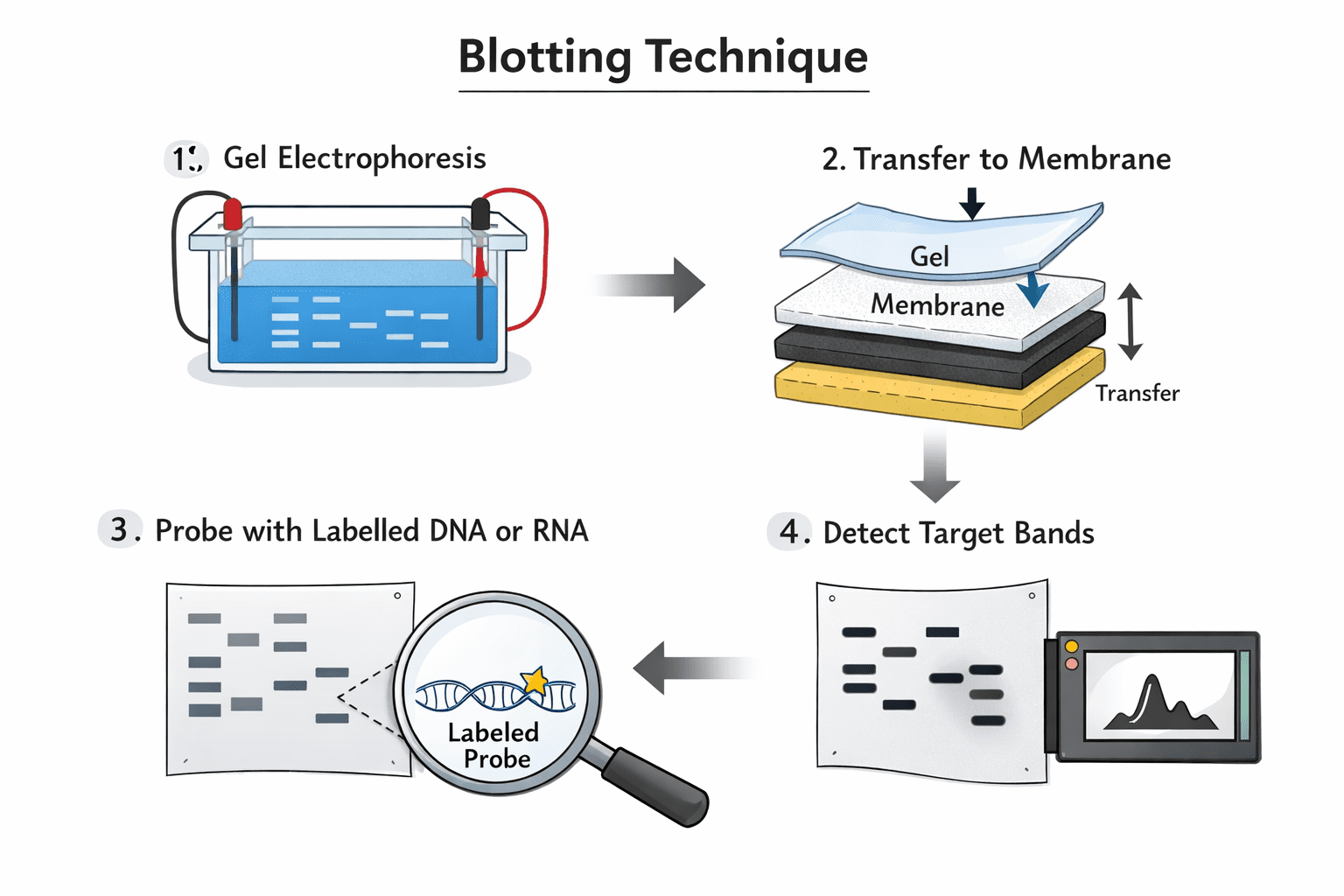
Blotting is used in molecular biology to transfer nucleic acids and proteins from gel to a membrane for identification and analysis. Developed in the 1970s, it combines electrophoresis and immunological methods. There are three main types: Southern (DNA), Northern (RNA), and Western (proteins), each allowing detection and measurement of specific molecules.
Tag: molecular diagnostics

Biowarfare: Epidemiology, Detection, Control, Prevention, and Global Public Health Implications
Biological and chemical weapons, while unlikely to be used in conventional warfare, represent an ongoing […]
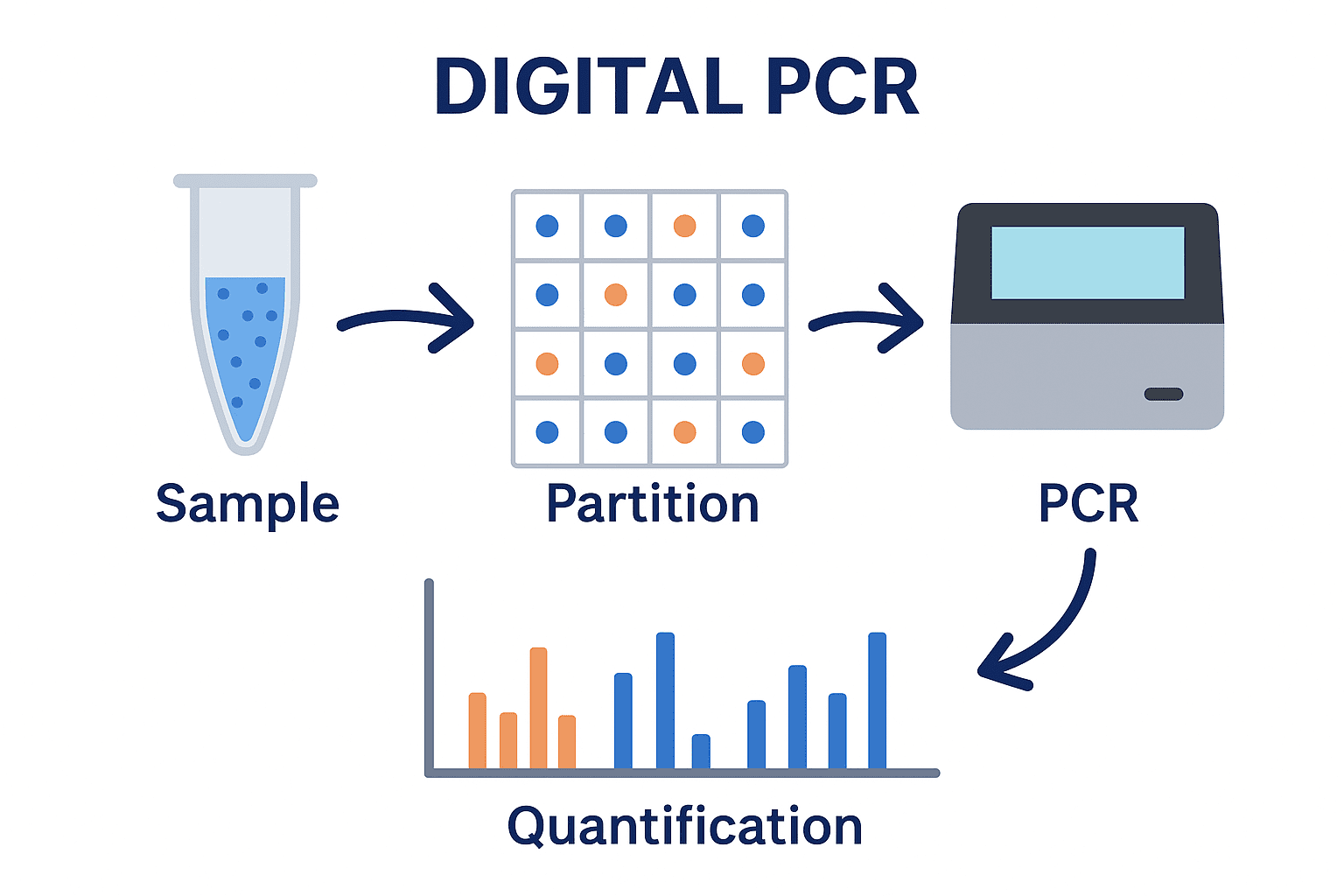
Digital PCR (dPCR): The Next Frontier in Absolute Nucleic Acid Quantification
Digital PCR (dPCR) is a method of quantifying nucleic acid (DNA or RNA) targets without […]
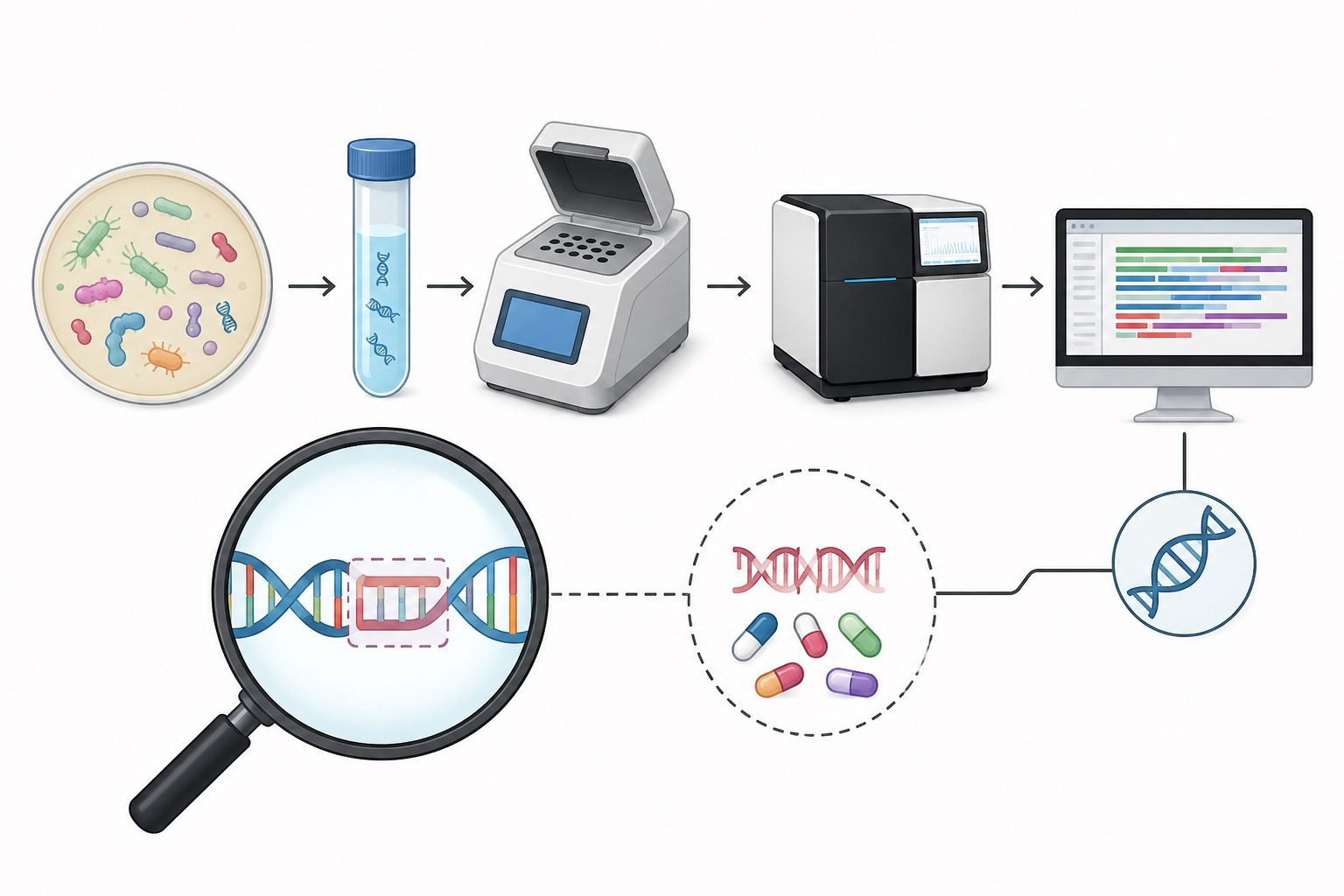
Genotypic Detection of Antibiotic Resistant Bacteria and Genes
Antibiotic or antimicrobial resistance has emerged as one of the most consequential challenges confronting modern […]
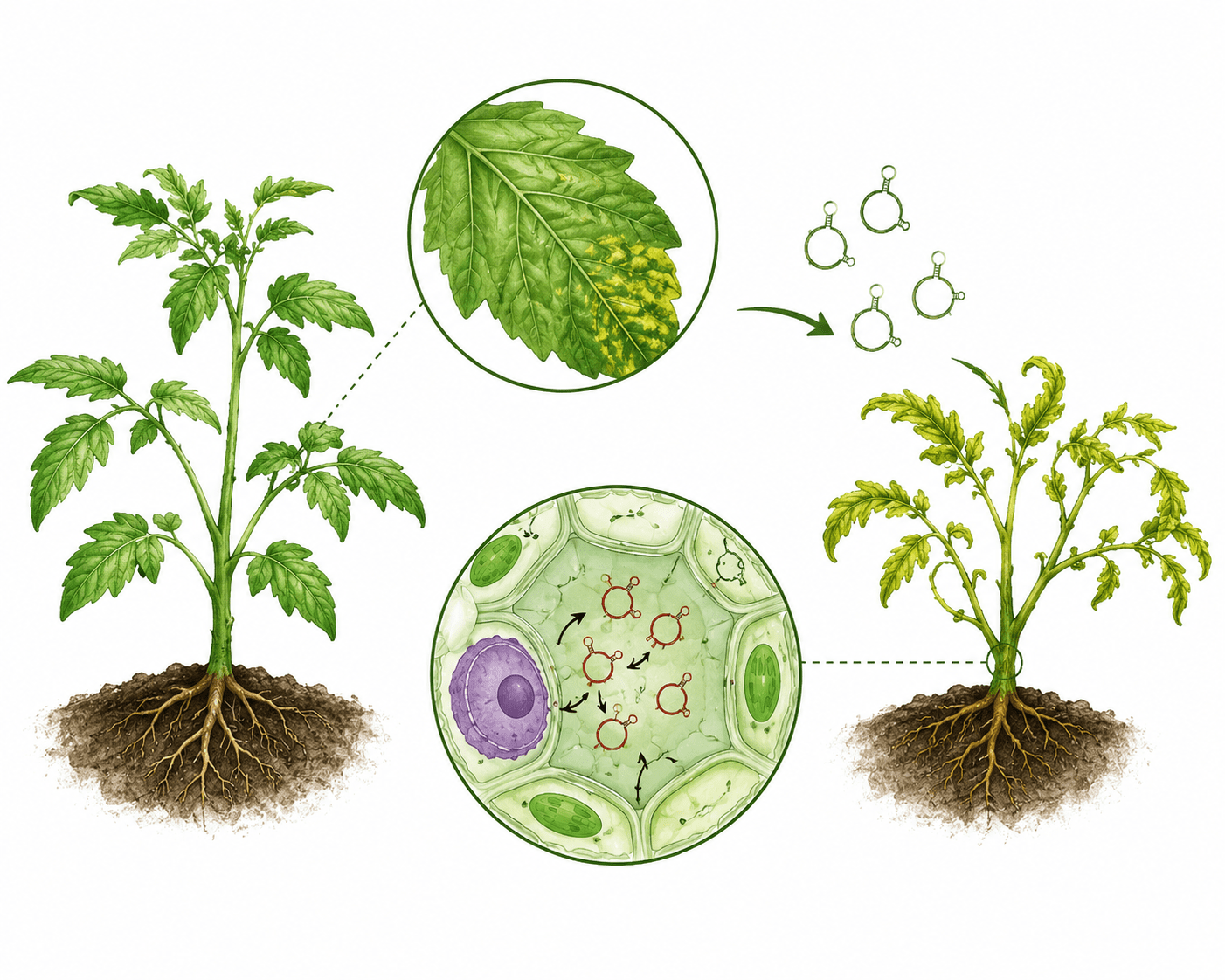
Viroids: Minimal Infectious Agents Composed of Naked Single-Stranded Circular RNA (ssRNA)
Viroids are the smallest known infectious agents. They represent a unique class of sub-viral pathogens that […]

ADENOVIRUS INFECTION
Adenoviridae are a diverse group of viruses that infect humans and a wide range of animal […]

Diagnostic Viral Assays
Diagnostic methods accurately identify viral infections in patients. This is a prerequisite to control and […]