
Fermentation stands as a fundamental and versatile process across multiple scientific and industrial disciplines, including biotechnology, applied microbiology, pharmaceuticals, food and beverage production, and environmental engineering. Central to this process is the fermenter often interchangeably referred to as a bioreactor. A bioreactor is a highly engineered vessel designed to cultivate microorganisms under tightly controlled environmental conditions. These microorganisms, which can include bacteria, yeasts, molds, filamentous fungi, and certain microalgae, are exploited for their remarkable biochemical capabilities to convert substrates into valuable products.
The fermenter’s role is critical in facilitating large-scale fermentation processes by providing and maintaining optimal conditions such as temperature, pH, oxygen concentration, nutrient availability, and mixing. These parameters must be finely tuned and continuously monitored to ensure the microorganisms thrive and efficiently produce desired metabolites, whether that be antibiotics, enzymes, biofuels, organic acids, fermented foods and beverages, or biomass for various industrial uses.
The significance of fermentation and fermenters extends beyond mere cultivation; they embody a convergence of engineering, microbiology, and process control. The ability to scale up from laboratory flask cultures to industrial-scale production hinges on the fermenter’s design and operational precision. Factors such as vessel geometry, agitation mechanisms, aeration systems, sensor integration, and control algorithms all influence fermentation outcomes.
What Is a fermenter?
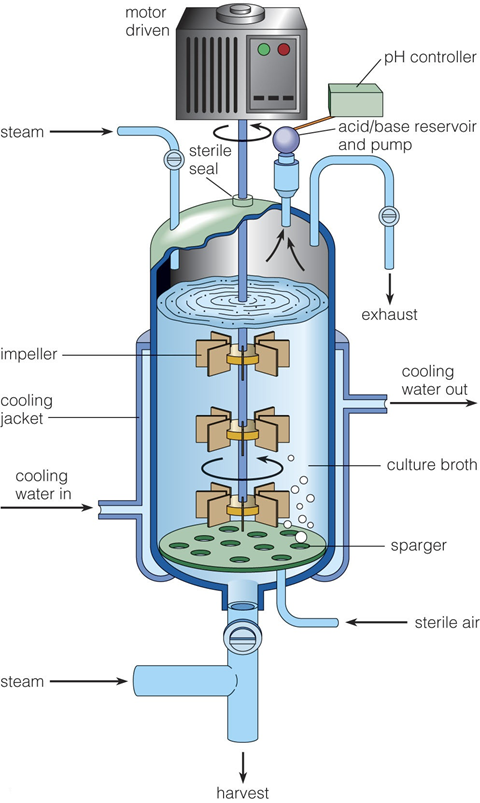
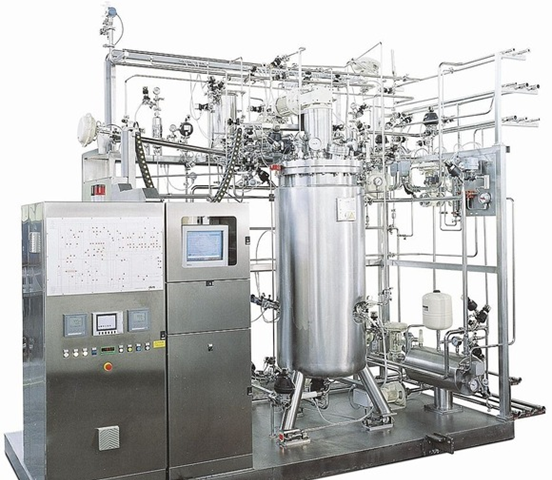
A fermenter, also commonly known as a bioreactor is a specialized vessel or system designed specifically to cultivate microorganisms such as bacteria, yeasts, and molds under precisely controlled environmental conditions to facilitate and optimize the fermentation process (Figure 1). While the term “fermenter” traditionally refers to the physical container where fermentation occurs, “bioreactor” tends to have a broader meaning, encompassing not only microbial fermentation but also various biological reactions involving animal, plant, or even mammalian cells. However, in most industrial and research contexts, the distinction between these terms is minimal, and they are often used interchangeably to describe the same fundamental apparatus.
The primary role of a fermenter is to create and maintain an environment that supports the optimal growth and metabolic activity of the microorganisms involved. This involves regulating multiple factors simultaneously, including temperature, pH, oxygen levels (for aerobic organisms), nutrient availability, agitation, and pressure. Because microbial metabolism is extremely sensitive to even minor fluctuations in these parameters, precise control within the fermenter is essential for ensuring the consistency and efficiency of the fermentation process.
Fermenters are indispensable in many fields such as pharmaceuticals, food and beverage production, agriculture, and biofuel development. In these applications, microorganisms are harnessed to produce valuable metabolites, including antibiotics, enzymes, vitamins, organic acids, alcohols, and other bio-based chemicals. By providing a stable and optimized environment, fermenters enable these microbes to convert raw substrates into desired products at large scale, which is critical for commercial viability.
Moreover, the design of a fermenter allows for scalability and reproducibility. Scalability and reproducibility are the two vital attributes for industrial manufacturing. Laboratory-scale fermenters might handle volumes of a few liters for research and development, whereas industrial fermenters can operate at scales of tens to hundreds of thousands of liters, supporting mass production. By continuously monitoring and adjusting environmental conditions in real time, fermenters facilitate high yields and product quality while minimizing contamination risks and operational inefficiencies.
A fermenter functions as a carefully engineered microenvironment that balances physical, chemical, and biological parameters, enabling microorganisms to thrive and efficiently produce desired products. Its role extends beyond mere containment to actively optimizing the conditions that drive fermentation, thereby underpinning the success of microbial bioprocesses in various industrial applications.
Importance of controlled fermentation environments
Fermentation is a complex biological process that relies heavily on maintaining precise environmental conditions tailored to the specific needs of the microorganisms involved. One of the most critical factors in fermentation is oxygen availability, as different microbes have distinct oxygen requirements. Aerobic fermentation processes demand a continuous supply of oxygen to sustain the growth and metabolic activities of organisms such as many bacteria and yeasts. To achieve this, fermenters are designed to provide adequate aeration and agitation, which help dissolve oxygen uniformly in the culture medium, ensuring that microorganisms receive sufficient oxygen for optimal growth and metabolite production. Agitation also assists in distributing nutrients and maintaining a consistent temperature throughout the vessel.
In contrast, anaerobic fermentation involves microbes that thrive in the complete absence of oxygen, such as certain Clostridium species. Fermenters used for anaerobic processes must be specially designed to exclude oxygen rigorously and maintain a reducing environment to prevent oxidative damage to the microbes. This often involves sealed vessels with controlled gas flows that replace oxygen with inert gases like nitrogen or carbon dioxide.
Beyond oxygen control, fermenters regulate other essential parameters that directly influence microbial metabolism and fermentation efficiency. Temperature is meticulously controlled because microbial enzymes, which drive biochemical reactions, have narrow optimal temperature ranges; deviations can slow metabolism or denature enzymes, reducing productivity. Similarly, pH must be maintained within specific limits since enzymatic activity and microbial growth are highly sensitive to changes in acidity or alkalinity. Nutrient supply is also carefully managed to provide the microbes with the building blocks for growth and product formation, while waste removal prevents the buildup of toxic byproducts that could inhibit fermentation.
Fermenters operate as sophisticated, dynamic systems that simultaneously monitor and adjust multiple environmental factors, creating an optimized habitat for microorganisms. This fine control is crucial not only for maximizing yield and product quality but also for ensuring reproducibility and scalability in industrial fermentation processes. In essence, controlled fermentation environments enable the transformation of microbial activity into efficient, predictable, and economically viable biotechnological production systems.
Design considerations for fermenters
Vessel geometry and material selection
The design of a fermenter vessel is critical to ensuring optimal microbial growth, efficient fermentation, and ease of operation. Industrial fermenters are predominantly constructed as cylindrical tanks featuring rounded bottoms and domed or hemispherical tops. This geometry is not arbitrary; it serves multiple crucial functions in the fermentation process. The cylindrical shape of a fermenter or bioreactor allows for uniform distribution of shear forces generated by agitation, enhancing effective mixing and preventing the formation of stagnant zones or “dead spots” where fluid flow is minimal or absent (Figure 2). These dead zones can lead to uneven nutrient and oxygen distribution, adversely affecting microbial growth and product yield. The rounded ends help to withstand internal pressures and reduce mechanical stress concentrations, thus improving the structural integrity of the vessel under varying operating conditions, including pressure fluctuations and thermal cycling during sterilization.
Material selection for fermenters is equally critical and is governed by a variety of stringent requirements tailored to the demanding environment of fermentation. The chosen material must be:
Non-corrosive: Fermentation processes often produce acidic or otherwise reactive metabolites, and the vessel’s interior is frequently exposed to aggressive cleaning agents and sterilizing chemicals such as sodium hypochlorite, peracetic acid, or steam under pressure. Hence, materials must resist corrosion to maintain longevity and prevent contamination of the culture.
Thermally stable: Industrial fermenters undergo sterilization cycles, commonly involving steam autoclaving at temperatures ranging from 120°C to 150°C or even higher. The vessel material must maintain mechanical integrity and resist deformation or degradation under these high-temperature conditions.
Biocompatible: It is imperative that the fermenter material does not leach toxic ions, heavy metals, or other substances into the culture medium, as these could inhibit microbial growth or contaminate the final product, which is especially critical in pharmaceutical and food-grade fermentations.
Given these considerations, stainless steel alloys particularly 316L stainless steel are the industry standard for fermenter construction. The “L” denotes low carbon content, which enhances corrosion resistance after welding. Stainless steel 316L offers excellent durability, is resistant to pitting and crevice corrosion, and is readily cleanable to meet stringent hygiene requirements. Furthermore, it complies with regulatory standards such as those set by the FDA and other agencies for food, beverage, and pharmaceutical manufacturing. The smooth, polished surfaces of stainless steel also reduce microbial adherence and biofilm formation, facilitating sterilization and minimizing cross-contamination risks between batches. The vessel’s geometry and choice of construction material are foundational elements that influence fermenter performance, operational reliability, and product quality, thereby dictating the success of large-scale fermentation operations.
Volume and scale
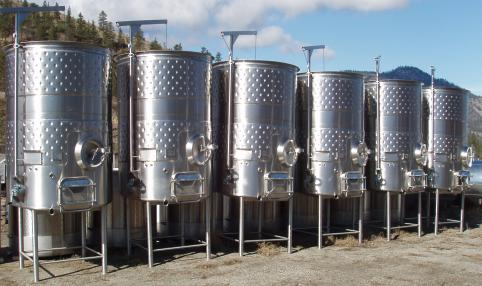
Fermenters range widely in size, from small laboratory-scale units (1-20 liters) used for experimental and process optimization, to pilot-scale reactors (100-1,000 liters), up to full industrial production fermenters exceeding 100,000 liters in volume (Figure 3). The choice of scale depends on the intended application and production volume. An important operational guideline is that only about 70-75% of the total fermenter volume is utilized as the working volume, leaving space for foam accumulation, gas headspace, and gas exhaust. This headspace prevents overflow and ensures proper gas exchange without spillage.
Sterility and contamination control
Since fermentations are often monocultures of specific microorganisms, maintaining sterility is paramount. Fermenters are designed with airtight seals, sterilizable inlet/outlet ports, and aseptic sampling systems to prevent contamination by unwanted microbes. Steam-in-place (SIP) and clean-in-place (CIP) systems are integral features in modern fermenters to allow automated cleaning and sterilization cycles without disassembly.
Core components and functional systems of a fermenter
A fermenter is a highly engineered bioprocessing system designed to provide a controlled and optimized environment for the growth of microorganisms or cultured cells during large-scale production. Its operation depends on the integration of multiple functional subsystems that regulate critical parameters such as temperature, oxygen supply, agitation, pH, nutrient availability, foam formation, and product recovery. Each component works together to maintain favorable conditions for microbial metabolism, maximize product yield, and ensure process reproducibility. Modern fermenters are equipped with advanced sensors, automated controllers, and computer-based monitoring systems that allow precise adjustment of operating conditions throughout the fermentation cycle. These integrated systems enable efficient production of industrially important products, including antibiotics, enzymes, organic acids, biofuels, vaccines, and other valuable bioproducts. The following are examples of these components:
1. Temperature control system
Temperature control is one of the most essential functions in fermenter operation because microbial growth, enzyme activity, metabolic pathways, and product formation are strongly influenced by temperature variations. Different microorganisms require specific temperature ranges for optimal performance, with mesophilic organisms generally growing between approximately 25-40°C, thermophilic organisms requiring temperatures above 45°C, and psychrophilic organisms preferring temperatures below 20°C. To maintain the desired temperature, industrial fermenters are equipped with external heating jackets, internal heating coils, or steam circulation systems that provide thermal energy when required. Conversely, cooling jackets or internal cooling coils circulate chilled water or refrigerants to remove excess heat generated by microbial metabolism or external heating sources. Automated temperature sensors, such as resistance temperature detectors (RTDs), continuously monitor the fermentation broth, while control systems regulate heating and cooling mechanisms to maintain stable conditions, often achieving temperature accuracy within ±0.1°C. Effective temperature regulation prevents thermal stress, enhances microbial activity, and improves overall fermentation efficiency.
2. Aeration and gas supply system
Aeration and gas supply systems are critical components in aerobic fermentation processes because microorganisms require sufficient oxygen for cellular respiration, energy production, and biosynthesis of target products. Oxygen is commonly introduced into the fermenter through spargers, which are perforated pipes or specialized diffusers positioned near the base of the vessel. These devices generate fine gas bubbles that increase the gas-liquid contact area, thereby improving oxygen transfer from the gas phase into the fermentation medium. The rate of air or oxygen supply is carefully controlled using flow regulation devices such as mass flow controllers or rotameters to maintain appropriate dissolved oxygen levels. In processes involving organisms with high oxygen demands, pure oxygen supplementation may be used to enhance productivity. For anaerobic fermentations, the gas supply system is modified to remove oxygen by introducing inert gases such as nitrogen or carbon dioxide, creating an oxygen-free environment suitable for anaerobic microbial metabolism. Proper gas management ensures optimal microbial growth and prevents oxygen limitation or unwanted oxidative reactions.
3. Agitation system
The agitation system plays a fundamental role in maintaining uniform conditions throughout the fermenter by continuously mixing the culture broth. Efficient agitation ensures that nutrients, microorganisms, dissolved gases, and heat are evenly distributed, preventing localized variations in temperature, substrate concentration, and oxygen availability. The system typically consists of impellers or mechanical stirrers powered by electric motors through rotating shafts equipped with sterile mechanical seals to prevent contamination. Different impeller configurations, including Rushton turbines, marine impellers, and pitched-blade turbines, are selected according to the physical properties of the fermentation medium, such as viscosity, shear sensitivity, and oxygen transfer requirements. Proper agitation enhances oxygen dissolution by increasing gas-liquid interaction, improves nutrient accessibility, and prevents the settling or aggregation of microbial cells and solid substrates. However, excessive agitation may generate high shear forces that can damage sensitive cells; therefore, agitation speed must be optimized to balance mixing efficiency, oxygen transfer, and cell protection.
4. pH control system
The regulation of pH is a critical operational requirement because microbial growth, enzyme activity, nutrient availability, and cellular transport mechanisms are highly dependent on the acidity or alkalinity of the fermentation environment. During fermentation, microorganisms may produce acidic or alkaline metabolic by-products that gradually alter the pH of the culture medium, potentially reducing growth performance and product formation. To prevent these changes, fermenters are equipped with pH sensors that continuously measure the acidity level of the broth and transmit data to automated control systems. When deviations from the desired pH range occur, corrective solutions such as acids (for example, hydrochloric acid) or bases (such as sodium hydroxide) are automatically introduced through controlled dosing pumps. Maintaining a stable pH environment supports optimal enzyme function, preserves cellular integrity, and improves metabolic efficiency. Advanced fermenter systems often use feedback control algorithms to maintain pH values within narrow operating limits throughout the fermentation process, ensuring consistent product quality and reproducibility.
5. Foam control system
Foam formation is a common challenge during fermentation, particularly in processes involving protein-rich media, microbial secretion of surface-active compounds, and continuous gas sparging. Excessive foam accumulation can interfere with gas transfer, block exhaust systems, cause contamination risks, and lead to loss of valuable culture broth. To manage foam formation, fermenters incorporate both chemical and mechanical foam-control strategies. Antifoam agents, such as silicone-based compounds or other surface tension reducers, may be added automatically through controlled dosing systems when foam sensors detect excessive accumulation. In addition to chemical methods, mechanical foam breakers can be installed near the upper section of the fermenter to physically collapse foam bubbles. Exhaust systems may also include condensers and foam traps to prevent foam carryover into external equipment. Effective foam management maintains stable fermentation conditions, protects process equipment, and ensures efficient gas exchange between the microbial culture and the surrounding environment.
6. Nutrient and substrate feed systems
Nutrient and substrate delivery systems are essential for controlling microbial growth and regulating product formation during fermentation. In conventional batch fermentation, all required nutrients, including carbon sources, nitrogen sources, minerals, and growth factors, are added to the fermenter before inoculation, allowing microorganisms to consume these resources throughout the fermentation period. However, excessive nutrient concentrations may cause substrate inhibition, unwanted metabolic pathways, or reduced product yield. To overcome these limitations, fed-batch and continuous fermentation systems use controlled feed mechanisms that gradually introduce nutrients into the fermenter during operation. Feed lines equipped with pumps deliver specific amounts of substrates, such as glucose, nitrogen compounds, vitamins, or other supplements, according to predefined strategies or real-time feedback from process sensors. This controlled nutrient supply maintains optimal growth conditions, extends productive phases, and improves the efficiency of industrial fermentation processes. Accurate feed regulation is particularly important in the production of high-value metabolites, recombinant proteins, and pharmaceutical compounds.
7. Product harvesting and waste removal system
Product harvesting and waste removal systems are designed to enable efficient recovery of fermentation products while maintaining process continuity. During fermentation, the culture broth contains a mixture of microbial cells, residual nutrients, metabolic by-products, and the desired product compounds. Fermenters are therefore equipped with specialized outlet systems that allow controlled withdrawal of biomass, liquid broth, or soluble metabolites for downstream processing. In batch fermentation, the entire culture is typically harvested after completion of microbial growth and product formation. In contrast, continuous fermentation systems allow simultaneous removal of product-containing broth and addition of fresh sterile medium, enabling microorganisms to remain in a productive state for extended periods. These systems improve productivity by reducing downtime and maintaining stable operating conditions. Effective product removal and waste management also contribute to improved process economics by increasing production efficiency, reducing contamination risks, and facilitating integration with downstream purification and recovery processes.
8. Instrumentation and automation system
Modern fermenters rely extensively on advanced instrumentation and automation technologies to achieve precise monitoring, control, and optimization of fermentation processes. Integrated sensor systems continuously measure important parameters, including temperature, pH, dissolved oxygen (DO), oxidation-reduction potential (ORP), biomass concentration, and exhaust gas composition. Optical sensors, capacitance probes, and other analytical devices provide real-time information about microbial growth and metabolic activity without requiring frequent manual sampling. Off-gas analysis systems monitor carbon dioxide production and oxygen consumption, providing valuable insights into cellular respiration and fermentation performance. These measurements are processed by computerized control systems that automatically adjust operational variables such as agitation speed, aeration rate, nutrient feeding, and pH correction. Automation improves process consistency, reduces human error, enables remote operation, and supports advanced data logging and analysis. Through precise feedback control, automated fermenters enhance productivity, improve reproducibility, and facilitate the large-scale manufacture of biological products under highly controlled industrial conditions.
Types of fermenters and their operational modes
Batch fermentation: Batch fermentation is the simplest and most widely used operational mode in which all required nutrients, substrates, and other components of the fermentation medium are added to the fermenter at the beginning of the process. The microorganisms are allowed to grow and produce the desired product under controlled conditions until the substrate is depleted or the accumulation of metabolic by-products limits further growth. During the fermentation period, no additional nutrients are added and no culture broth is removed, although essential parameters such as aeration, agitation, temperature, and pH may be regulated to maintain optimal microbial activity and productivity.
Fed-Batch fermentation: Fed-batch fermentation is an advanced operational mode in which nutrients or substrates are gradually added to the fermenter throughout the cultivation process rather than being supplied entirely at the start. This controlled feeding strategy helps prevent excessive substrate concentrations that may cause substrate inhibition, osmotic stress, or unwanted metabolic responses such as catabolite repression. Fed-batch systems are widely applied in industrial biotechnology because they support higher cell densities, improved product formation, and increased overall process efficiency. The feeding rate can be adjusted based on microbial growth patterns, nutrient requirements, and product formation kinetics.
Continuous fermentation: Continuous fermentation involves the continuous addition of fresh nutrient medium into the fermenter while an equal volume of culture broth containing microorganisms and products is simultaneously removed. This process maintains a relatively constant working volume and allows the system to operate under steady-state conditions for extended periods. Continuous fermentation provides consistent product quality, high productivity, and efficient resource utilization, making it valuable for large-scale industrial applications. However, maintaining stable microbial populations and preventing contamination are critical challenges that require precise control of operating conditions such as dilution rate, nutrient supply, temperature, and pH.
Specialized types of fermenters
Stirred tank reactors (STRs): Stirred tank reactors are the most commonly used fermenters in industrial and research applications because of their versatility, scalability, and ability to support a wide range of biological processes. These reactors use mechanical agitators or impellers to provide effective mixing, improve nutrient distribution, and enhance oxygen transfer in aerobic fermentations. STRs can be operated under aerobic or anaerobic conditions by controlling parameters such as oxygen supply, agitation speed, and gas flow rate. Their flexible design allows precise regulation of temperature, pH, dissolved oxygen, and other critical process variables.
Air-lift reactors: Air-lift reactors are specialized fermenters that use the movement of gas bubbles to circulate the culture medium instead of relying on mechanical agitation. In these systems, compressed air or another gas is introduced into the reactor, creating differences in liquid density that drive continuous circulation and mixing. Air-lift reactors are particularly suitable for shear-sensitive microorganisms and cells because they provide gentle mixing while reducing mechanical damage. They are commonly used in processes involving animal cells, plant cells, and certain microorganisms where maintaining cell integrity is essential for successful product formation.
Fluidized bed reactors: Fluidized bed reactors are fermentation systems designed to support high-density cultivation by immobilizing microbial cells or enzymes on solid carrier materials. During operation, fluid flow keeps the carrier particles suspended, creating a large surface area for biological activity and improving mass transfer between the microorganisms and the surrounding medium. These reactors offer advantages such as increased productivity, enhanced stability of immobilized cells, and prolonged operational periods. They are frequently applied in biochemical production processes, wastewater treatment, and enzymatic reactions where continuous operation and high biological activity are required.
Packed bed reactors: Packed bed reactors are fermenters in which microorganisms, enzymes, or biocatalysts are attached to or retained within a fixed solid support material. The nutrient medium flows through the packed structure, allowing contact between the substrate and the immobilized biological components responsible for conversion. These reactors provide high cell concentrations, improved process stability, and efficient product recovery because the biological material remains inside the reactor while the processed fluid exits continuously. Packed bed systems are commonly used in enzyme production, immobilized cell technology, and specialized fermentation processes requiring controlled substrate flow and long-term operation.
Photobioreactors: Photobioreactors are specialized fermentation systems designed for cultivating photosynthetic organisms such as microalgae and cyanobacteria, which require light as an energy source for growth and product synthesis. These reactors incorporate controlled light delivery systems, carbon dioxide supply, nutrient management, and environmental regulation to optimize photosynthetic activity. Photobioreactors can be designed as closed systems to minimize contamination and improve process control compared with open cultivation methods. They are increasingly important in biotechnology applications involving biofuels, carbon capture, food supplements, pigments, and the production of valuable bioactive compounds from photosynthetic microorganisms.
Operational parameters critical to fermenter performance
Fermenter performance depends on the precise control and optimization of several operational parameters that influence microbial growth, metabolic activity, product formation, and overall process efficiency. These parameters must be continuously monitored and adjusted to maintain favorable conditions within the fermentation environment. Factors such as temperature, pH, dissolved oxygen concentration, agitation speed, nutrient availability, and pressure directly affect cell physiology, mass transfer, and fermentation productivity. Proper management of these variables ensures stable operation, improves product quality, and enhances the economic efficiency of industrial fermentation processes.
Temperature: Temperature is one of the most critical operational parameters influencing fermenter performance because microbial growth, enzyme activity, and metabolic reactions are highly temperature dependent. Each microorganism has an optimal temperature range in which cellular processes occur efficiently. Maintaining a stable temperature prevents metabolic stress, reduces the risk of enzyme denaturation, and supports consistent product formation. During fermentation, heat generated from microbial metabolism and mechanical agitation must be effectively removed through cooling systems such as jackets, coils, or external heat exchangers to prevent overheating and loss of productivity.
pH: pH control plays a vital role in maintaining suitable environmental conditions for microbial growth and metabolite production during fermentation. Most industrial fermentation processes operate within a pH range of approximately 5-7, although specialized microorganisms such as acidophiles and alkaliphiles require more extreme conditions. Changes in pH can influence enzyme activity, nutrient availability, cellular membrane function, and metabolic pathways, ultimately affecting microbial growth and product yield. Automated pH monitoring systems using probes and controlled addition of acids or bases are commonly used to maintain optimal fermentation conditions.
Dissolved oxygen (DO): Dissolved oxygen concentration is a key parameter in aerobic fermentation because microorganisms require sufficient oxygen supply for respiration, energy generation, and biosynthesis. Industrial fermenters typically maintain dissolved oxygen levels within a controlled range, often around 20–40% oxygen saturation, depending on the organism and process requirements. DO sensors continuously monitor oxygen availability in the fermentation broth, allowing automatic adjustment of aeration and agitation rates. Insufficient oxygen transfer can restrict microbial growth and reduce productivity, while excessive oxygen levels may promote oxidative stress and negatively affect cell performance.
Agitation speed: Agitation speed significantly affects fermenter performance by controlling mixing efficiency, oxygen transfer, nutrient distribution, and heat removal throughout the fermentation broth. Proper agitation ensures uniform conditions by preventing concentration gradients and improving contact between microorganisms, nutrients, and dissolved gases. However, excessive agitation can generate high shear forces that may damage shear-sensitive cells or disrupt microbial structures, whereas inadequate agitation can result in poor mixing, oxygen limitation, and uneven nutrient availability. Therefore, agitation speed must be carefully optimized according to the characteristics of the microorganism and fermentation process.
Nutrient concentration: Nutrient concentration within the fermentation medium directly influences microbial growth, metabolic activity, and final product formation. A properly balanced supply of carbon sources, nitrogen sources, minerals, and vitamins is essential to prevent nutrient deficiencies or toxic accumulation that could inhibit fermentation performance. In advanced fermentation systems, particularly fed-batch processes, nutrients are gradually supplied according to microbial requirements to maintain optimal growth conditions and maximize productivity. Effective nutrient management helps control metabolic pathways, improves product yield, and reduces the formation of unwanted by-products.
Pressure: Pressure control is an important operational parameter in certain fermentation processes because it affects gas solubility, oxygen transfer efficiency, and contamination prevention. Increasing pressure within a fermenter can improve the solubility of gases, particularly oxygen, which enhances availability for aerobic microorganisms. Many industrial fermenters operate under slightly positive pressure to minimize the entry of airborne contaminants and maintain aseptic conditions. However, excessive pressure must be avoided because it can affect microbial physiology, equipment safety, and process efficiency. Proper pressure regulation ensures stable operation and reliable fermentation performance.
Challenges in fermenter design and operation
Fermenter design and operation involve complex engineering, biological, and process control considerations that determine the efficiency, reliability, and productivity of fermentation systems. Although modern fermenters are designed to provide optimal conditions for microbial growth and product formation, several challenges can arise during industrial application. Factors such as scale-up limitations, contamination risks, and foam formation can significantly affect process performance and economic viability. Addressing these challenges requires careful equipment design, advanced monitoring systems, and effective operational strategies to maintain consistent and high-quality fermentation outcomes.
Scale-up
Scale-up is one of the most significant challenges in fermenter design and operation because processes that perform effectively in small laboratory-scale fermenters often behave differently when transferred to industrial-scale systems. Increasing fermenter volume can affect oxygen transfer efficiency, mixing uniformity, heat removal, and nutrient distribution due to changes in fluid dynamics and mass transfer characteristics. Larger tanks may develop gradients in pH, dissolved oxygen, temperature, and substrate concentration, which can negatively influence microbial growth and product formation. Therefore, scale-up strategies commonly consider geometric similarity, constant power input per unit volume, oxygen transfer rate requirements, and empirical optimization to achieve consistent performance across different fermenter sizes.
Contamination
Contamination remains a major challenge in fermenter operation because unwanted microorganisms can compete with the production organism, alter metabolic pathways, reduce product quality, and cause complete failure of fermentation batches. Maintaining strict aseptic conditions throughout the preparation, sterilization, inoculation, and operation stages is essential for successful fermentation processes. Industrial fermenters require effective cleaning and sterilization procedures, including steam sterilization and validated sanitation protocols, to minimize microbial risks. In continuous fermentation systems, contamination control becomes even more difficult because the process operates for extended periods, increasing exposure risks and making rapid detection and prevention strategies critical for maintaining productivity and product reliability.
Foam control
Foam formation is a common operational challenge in fermenters, particularly in aerobic processes where vigorous agitation and continuous air supply promote the development of stable foam layers. Excessive foam can interfere with gas exchange, block exhaust systems, increase the risk of contamination, and lead to the loss of valuable culture broth through overflow. To manage foam problems, fermenters often use mechanical foam breakers, controlled agitation strategies, and chemical antifoaming agents. However, excessive use of antifoam compounds may reduce oxygen transfer efficiency, interfere with downstream purification processes, and affect product quality. Effective foam management therefore requires careful balance between maintaining process stability and preserving overall fermentation performance.
Recent advances in fermenter technology
The field of fermenter technology is rapidly evolving, driven by the need for higher efficiency, greater precision, and sustainable production in biotechnology and industrial fermentation processes. Innovations in materials, automation, and design are transforming fermenters from simple vessels into highly sophisticated bioprocessing systems. Some of the advances and future directions in fermenter design are as follows:
Smart fermenters and automation: One of the most transformative trends in fermenter design is the integration of advanced sensors coupled with artificial intelligence (AI) and machine learning algorithms. Modern fermenters now incorporate real-time monitoring systems capable of tracking multiple parameters such as pH, dissolved oxygen, temperature, biomass concentration, and metabolite levels continuously. AI-driven analytics process this complex data to predict microbial behavior and adjust operational parameters dynamically. This predictive monitoring enables adaptive control strategies that optimize fermentation conditions, leading to enhanced product yield, improved reproducibility, and reduced downtime caused by unexpected process deviations. Automation also minimizes human intervention, lowering the risk of contamination and operator error. As these “smart fermenters” evolve, they are expected to integrate further with cloud computing and Internet of Things (IoT) platforms, allowing remote supervision and control of fermentation processes worldwide.
Single-use bioreactors: Single-use or disposable bioreactors represent a major shift in bioprocessing, especially in pharmaceutical manufacturing and cell culture industries. These systems come pre-sterilized and are designed for one-time use, eliminating the time-consuming and costly cleaning and sterilization steps traditionally associated with stainless steel fermenters. This significantly reduces turnaround time between production batches and decreases the risk of cross-contamination. Single-use bioreactors are particularly advantageous for small-to-medium scale productions, personalized medicine, and rapidly changing product pipelines. Advances in polymer science and material engineering continue to improve their chemical resistance, mechanical stability, and gas transfer capabilities, making them increasingly viable for a broad range of fermentation applications.
3D-printed bioreactors: The advent of 3D printing technology is opening new frontiers in fermenter design customization. By enabling rapid prototyping and manufacturing of complex geometries that were previously difficult or impossible to achieve, 3D-printed bioreactors can be tailored precisely to the needs of specific microorganisms or fermentation processes. This includes optimizing mixing patterns, enhancing mass and heat transfer, and integrating novel sensor placements for improved process monitoring. Additionally, 3D printing allows for cost-effective small-batch production of specialized fermenters, fostering innovation and experimentation in research and development settings.
Environmental sustainability: Sustainability considerations are becoming increasingly important in fermenter design. Modern fermenters are being engineered to maximize energy efficiency by improving heat exchange systems and reducing power consumption during agitation and aeration. Water usage is minimized through closed-loop recycling of process streams and the adoption of water-saving cleaning protocols. Furthermore, advances in materials enable longer equipment lifespans and facilitate recycling or repurposing of components. These efforts contribute to greener biotechnological manufacturing, aligning fermentation processes with global sustainability goals and regulatory demands.
References
Bader F.G (1992). Evolution in fermentation facility design from antibiotics to recombinant proteins in Harnessing Biotechnology for the 21st century (eds. Ladisch, M.R. and Bose, A.) American Chemical Society, Washington DC. Pp. 228–231.
Nduka Okafor (2007). Modern industrial microbiology and biotechnology. First edition. Science Publishers, New Hampshire, USA.
Das H.K (2008). Textbook of Biotechnology. Third edition. Wiley-India ltd., New Delhi, India.
Latha C.D.S and Rao D.B (2007). Microbial Biotechnology. First edition. Discovery Publishing House (DPH), Darya Ganj, New Delhi, India.
Nester E.W, Anderson D.G, Roberts C.E and Nester M.T (2009). Microbiology: A Human Perspective. Sixth edition. McGraw-Hill Companies, Inc, New York, USA.
Steele D.B and Stowers M.D (1991). Techniques for the Selection of Industrially Important Microorganisms. Annual Review of Microbiology, 45:89-106.
Pelczar M.J Jr, Chan E.C.S, Krieg N.R (1993). Microbiology: Concepts and Applications. McGraw-Hill, USA.
Prescott L.M., Harley J.P and Klein D.A (2005). Microbiology. 6th ed. McGraw Hill Publishers, USA.
Steele D.B and Stowers M.D (1991). Techniques for the Selection of Industrially Important Microorganisms. Annual Review of Microbiology, 45:89-106.
Summers W.C (2000). History of microbiology. In Encyclopedia of microbiology, vol. 2, J. Lederberg, editor, 677–97. San Diego: Academic Press.
Talaro, Kathleen P (2005). Foundations in Microbiology. 5th edition. McGraw-Hill Companies Inc., New York, USA.
Thakur I.S (2010). Industrial Biotechnology: Problems and Remedies. First edition. I.K. International Pvt. Ltd. New Delhi, India.
Discover more from Microbiology Class
Subscribe to get the latest posts sent to your email.