

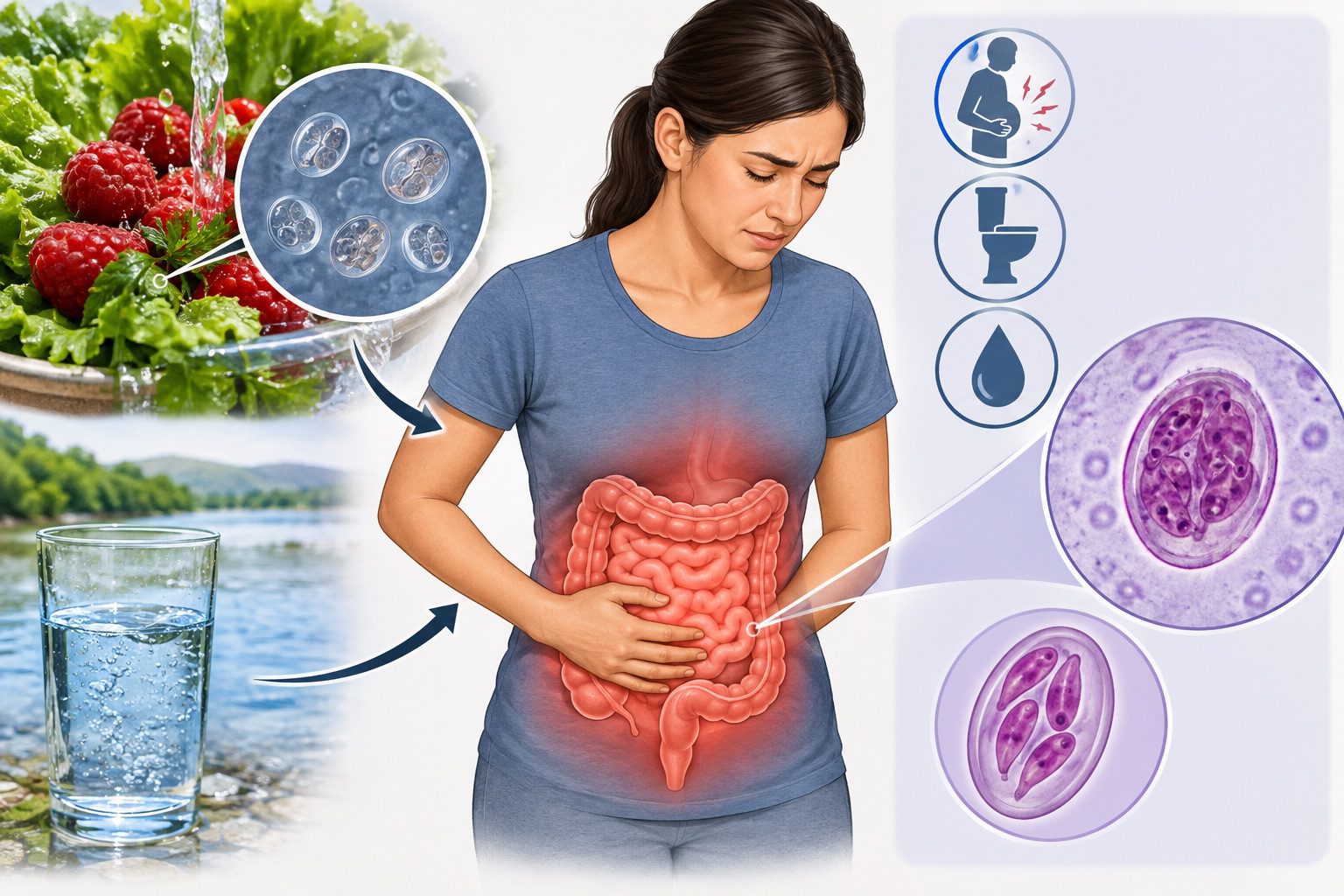
Cyclosporiasis is a food- and water-associated intestinal parasitic disease produced by the protozoan organism Cyclospora cayetanensis. […]
Tag: incubation period
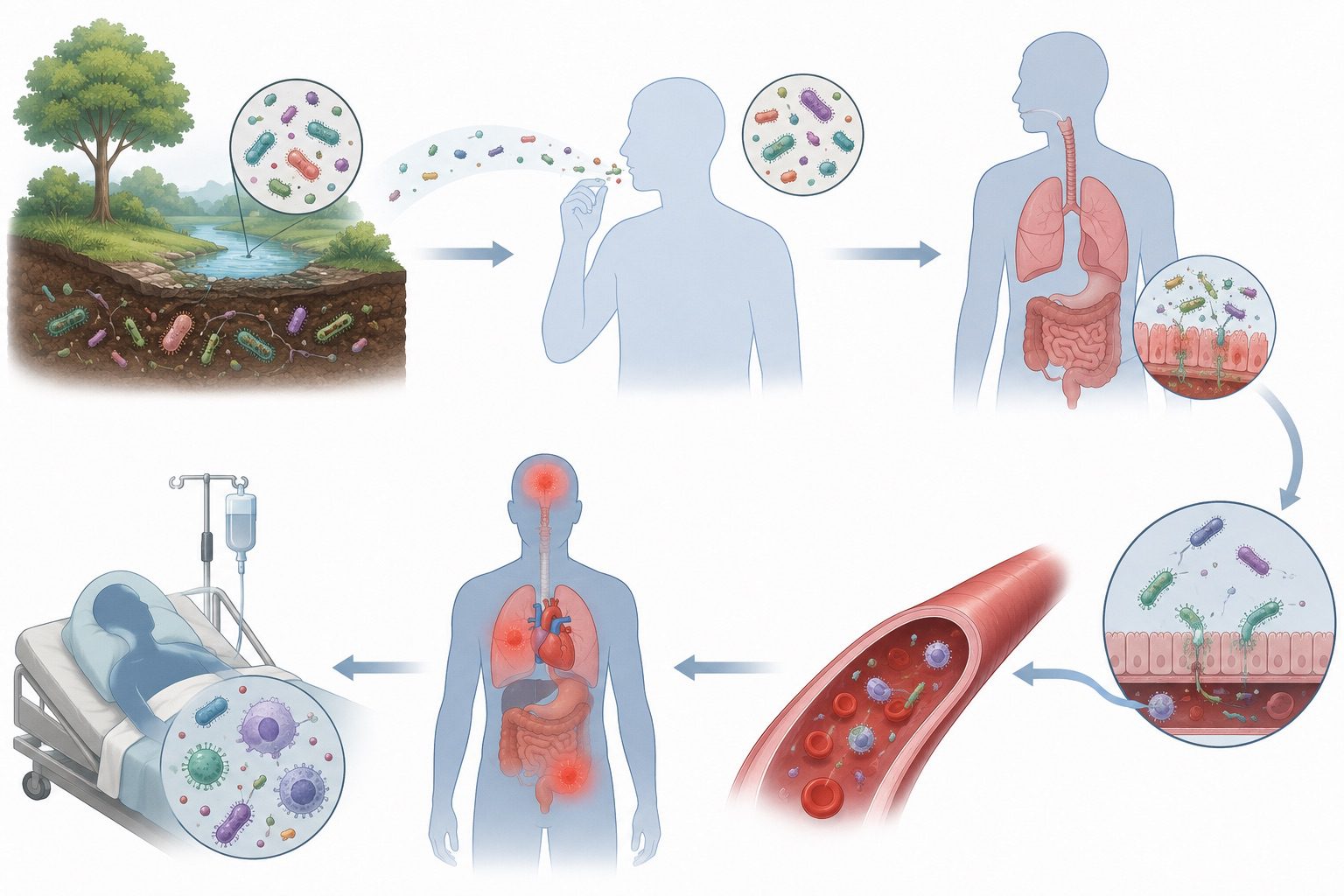
From Exposure to Illness: Mechanisms of Infectious Disease Transmission and Progression
Infectious diseases arise through a complex interaction between microorganisms and susceptible human hosts. These diseases […]
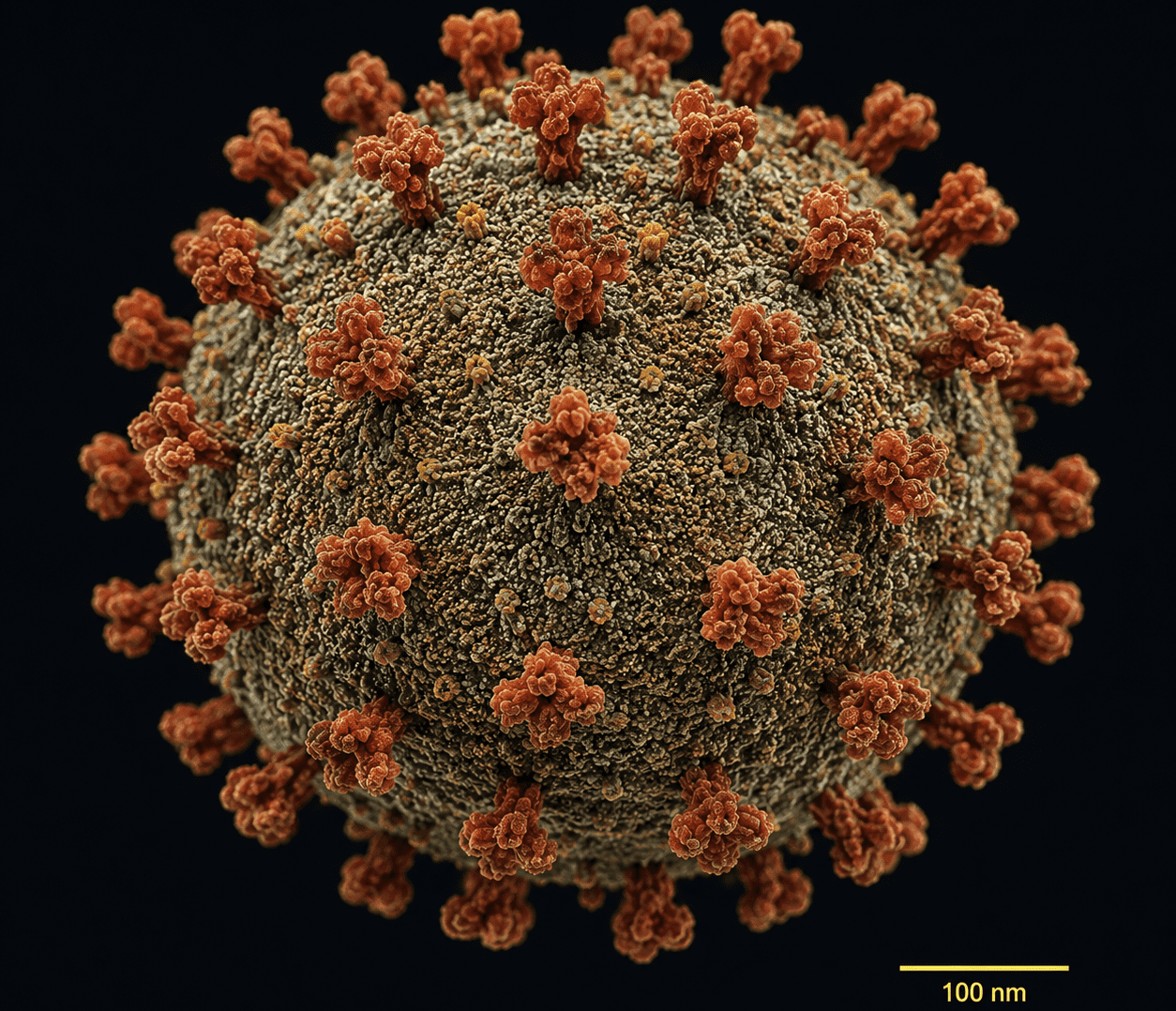
Understanding Hantavirus Infection: Transmission, Symptoms, and Prevention
Hantaviruses are classified as Category C biological agents, the third-highest priority group of pathogens considered to […]
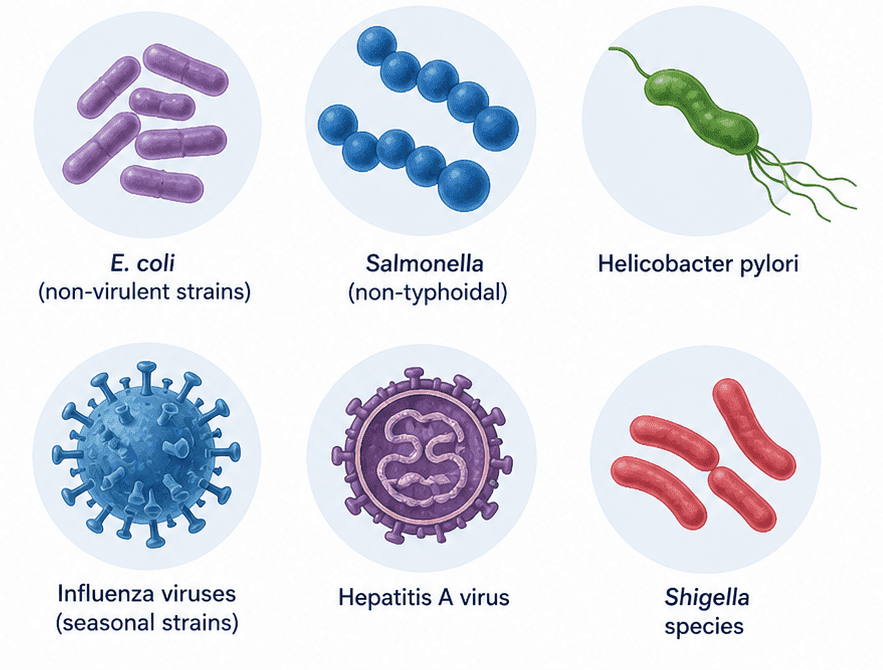
Category B Biological Agents: microbiology, transmission pathways, clinical manifestations
Category B biological agents constitute the second highest priority group of biological threat agents in public health […]

BIOTERRORISM: Definition & Attributes of Biological Agents used for Biowarfare
Bioterrorism is broadly defined as the unauthorized, deliberate, or threatened use of microorganisms including bacteria, […]

Monkeypox (Mpox) infection
Mpox, caused by the monkeypox virus, is a viral infection with symptoms like rash, fever, and swollen lymph nodes. Transmitted through contact with infected individuals, animals, or materials, it can be severe, especially for immunocompromised individuals. Preventive measures include vaccination and avoiding physical contact. Diagnosis involves PCR testing, and treatment includes supportive care.

Terminologies used in Epidemiological Studies
Normally, each state, local or federal government of a nation establishes by law those infections/diseases […]

Minimum Inhibitory Concentration (MIC)
Minimum Inhibitory Concentration (MIC) is a quantitative microbiological parameter used to determine the lowest concentration of […]

The Triangle of Epidemiology (Epidemiological Triad)
The triangle of epidemiology, also known as the epidemiological triad, is a fundamental model used in epidemiology […]
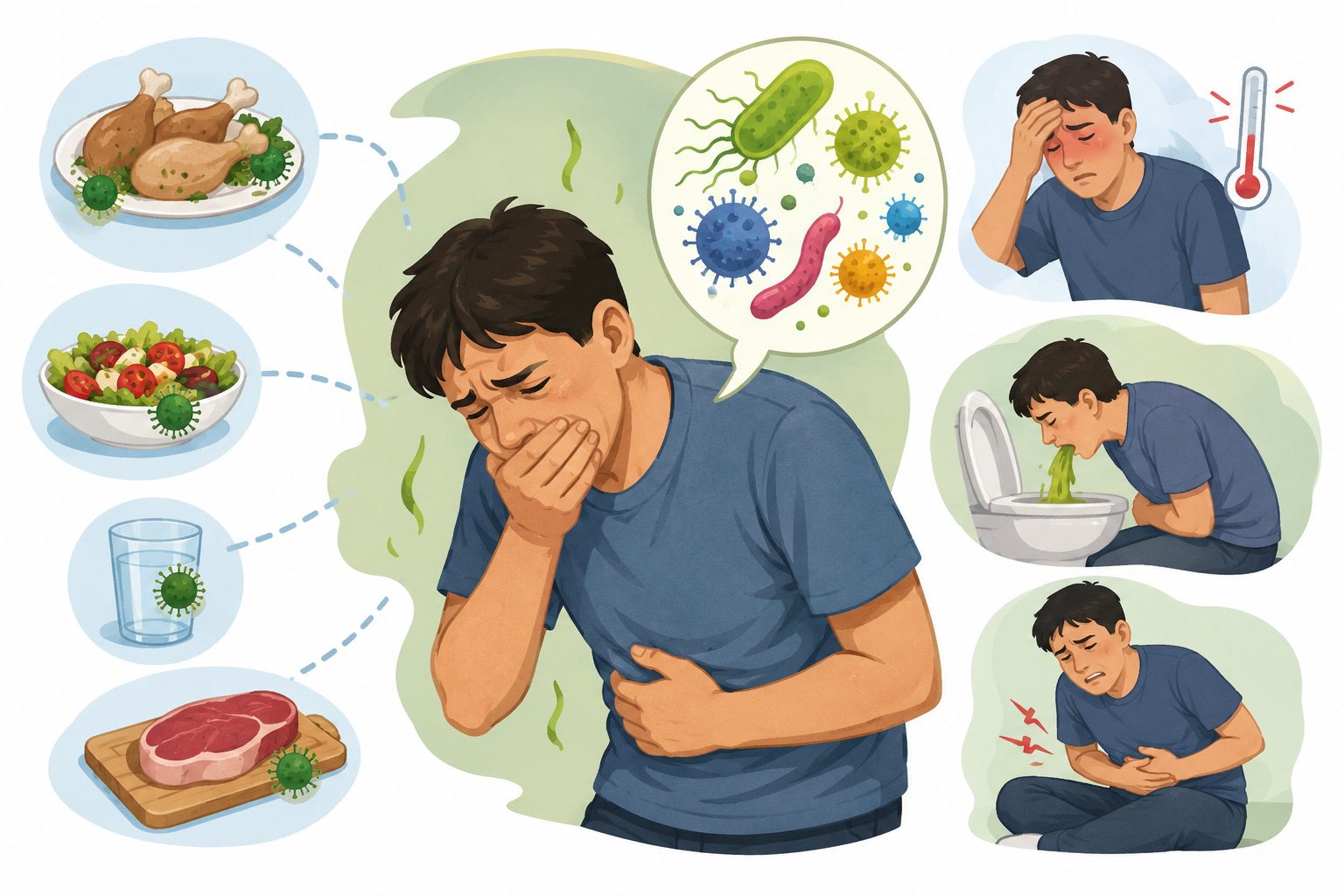
Food Poisoning
Food safety remains one of the most significant public health concerns worldwide. This is because […]
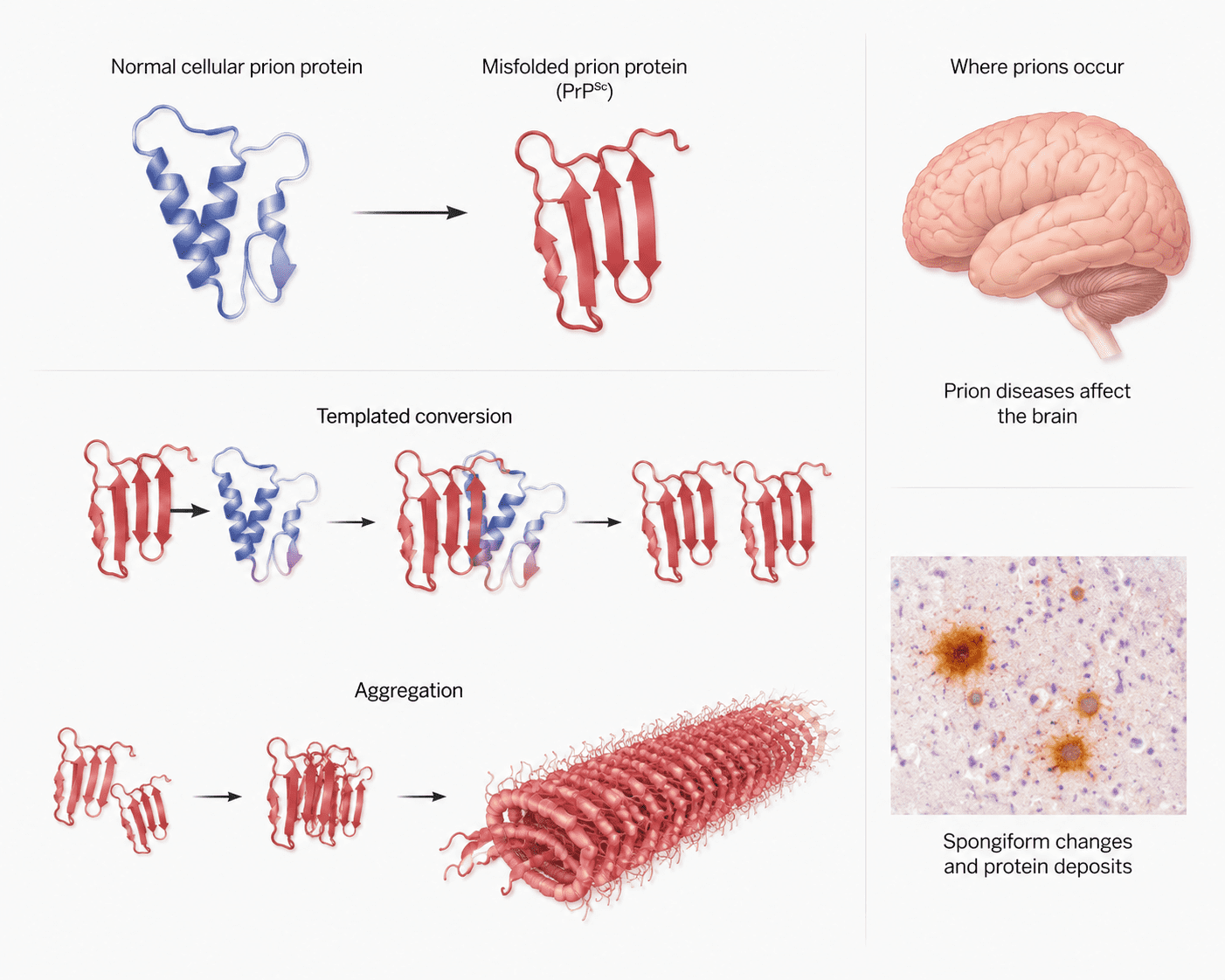
Prions: Unique Proteinaceous Infectious Agents and their Distinction from Viruses
Prions are unique sub-viral infectious agents composed primarily of proteins. Unlike conventional infectious organisms such […]
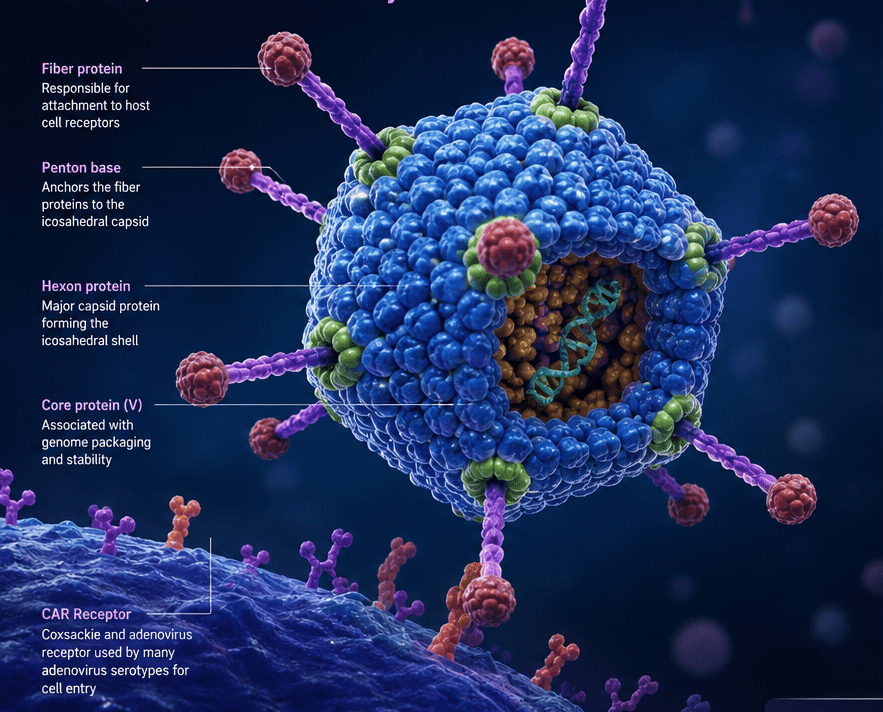
ADENOVIRUS INFECTION
Adenoviridae are a diverse group of viruses that infect humans and a wide range of animal […]
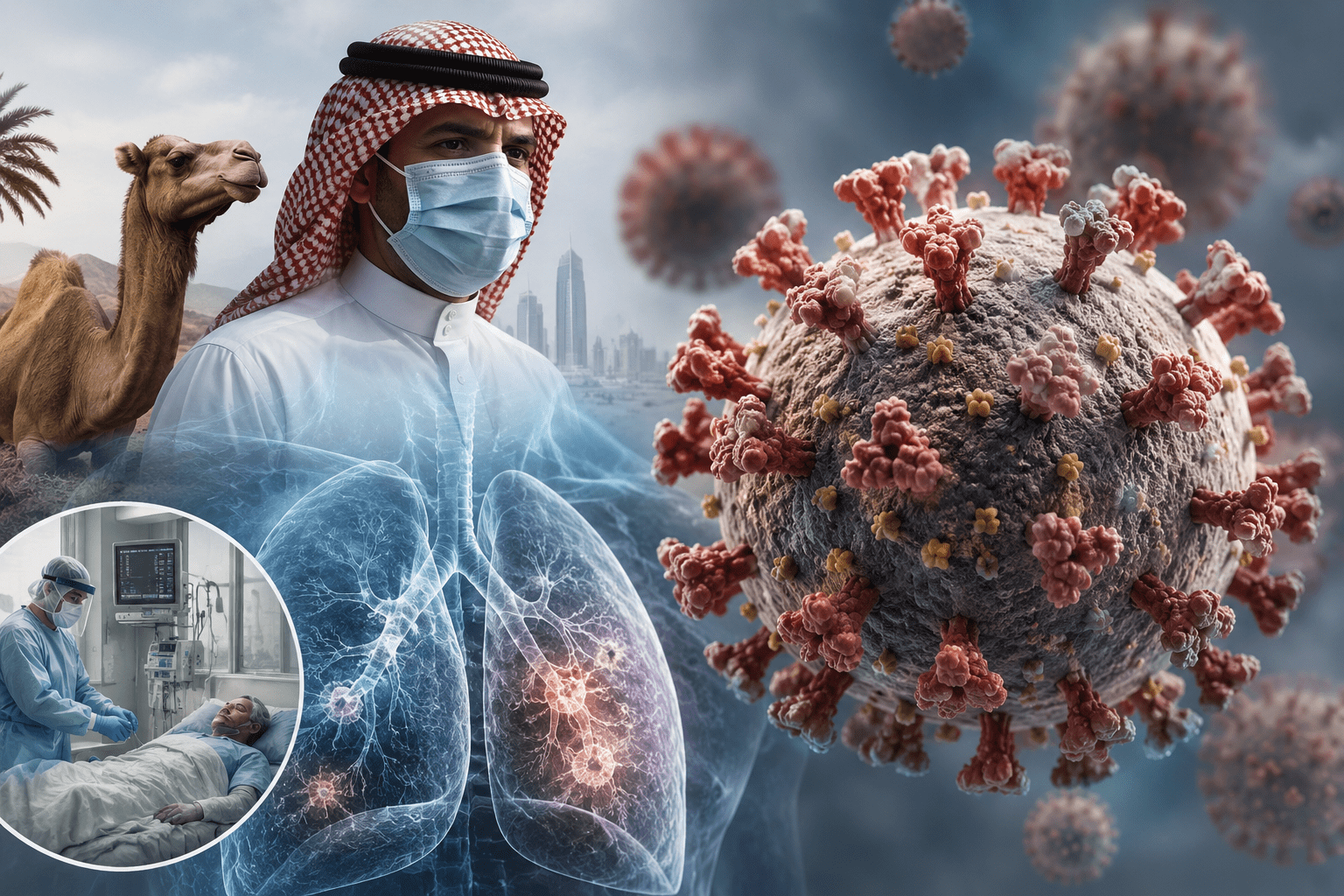
Middle East Respiratory Syndrome (MERS)
Middle East Respiratory Syndrome (MERS) is an illness caused by a virus (more specifically, a […]