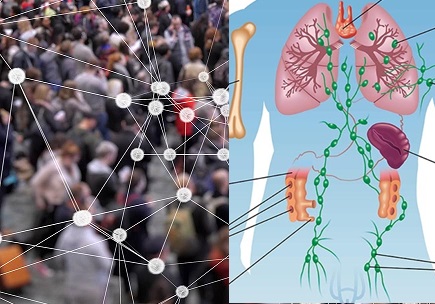

Influenza (flu) is a contagious respiratory illness caused by influenza viruses that infect the nose, throat, and sometimes the lungs. It can cause mild to severe illness and, in some cases, lead to hospitalization or death, particularly among young children, older adults, pregnant women, and individuals with weakened immune systems or chronic health conditions. Every year, seasonal influenza affects millions of people worldwide, placing a significant burden on families, healthcare systems, and workplaces.
The single most effective way to prevent seasonal influenza is to receive an annual flu vaccination. Because influenza viruses change over time, the vaccine is updated each year to provide protection against the strains most likely to circulate during the flu season. Although vaccination does not guarantee complete protection, it significantly reduces the risk of infection, severe illness, hospitalization, and influenza-related complications. In addition, antiviral medications prescribed by healthcare providers can help treat influenza, reduce the severity and duration of illness, and in some situations prevent infection after exposure.
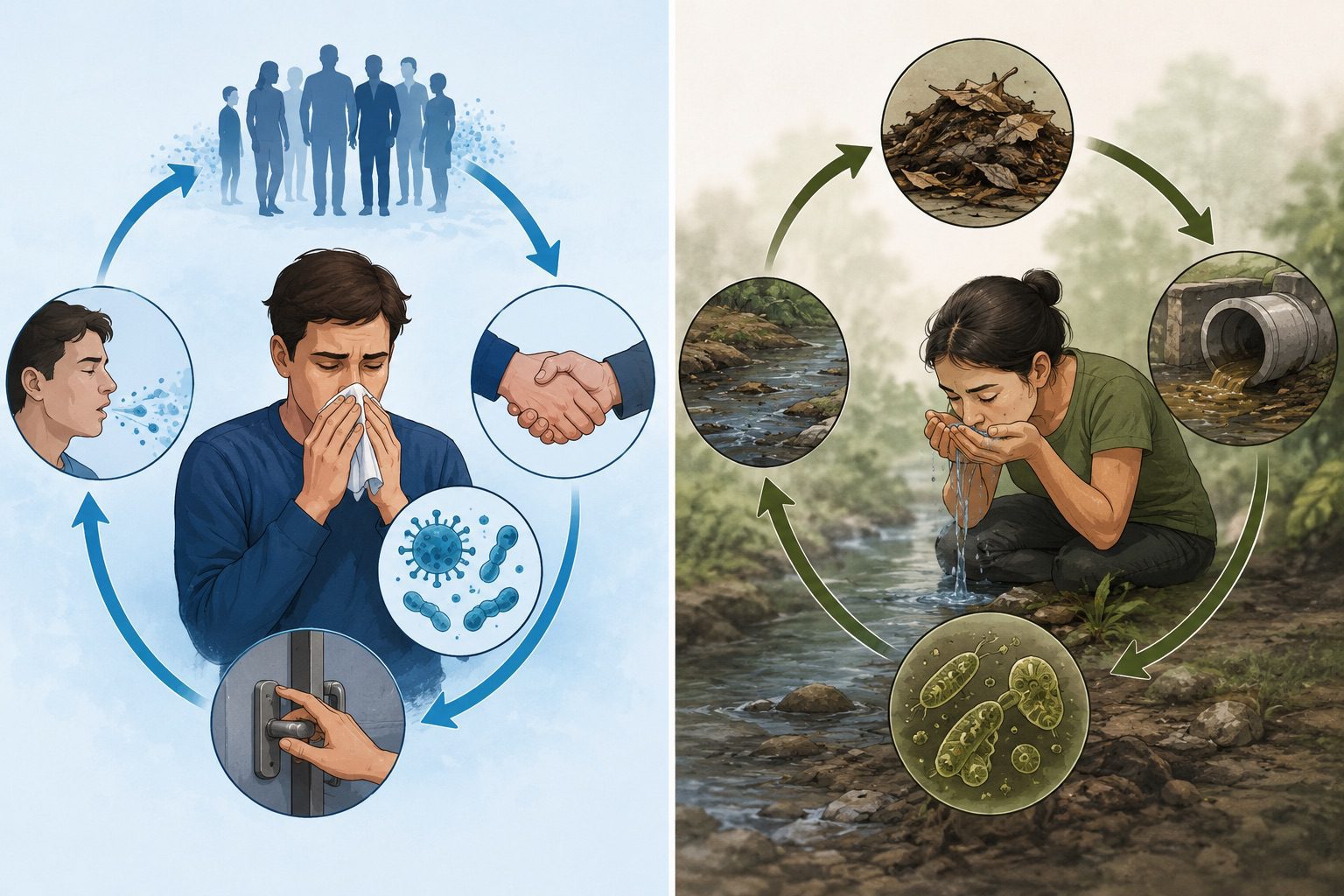
However, vaccination works best when combined with healthy daily habits that reduce the spread of germs. Influenza viruses spread mainly through respiratory droplets released when infected people cough, sneeze, or talk. These droplets can infect people nearby or contaminate surfaces that others may touch. Adopting simple preventive measures can help protect you, your family, and your community from influenza and other respiratory infections.
Everyday personal hygiene practices to prevent flu
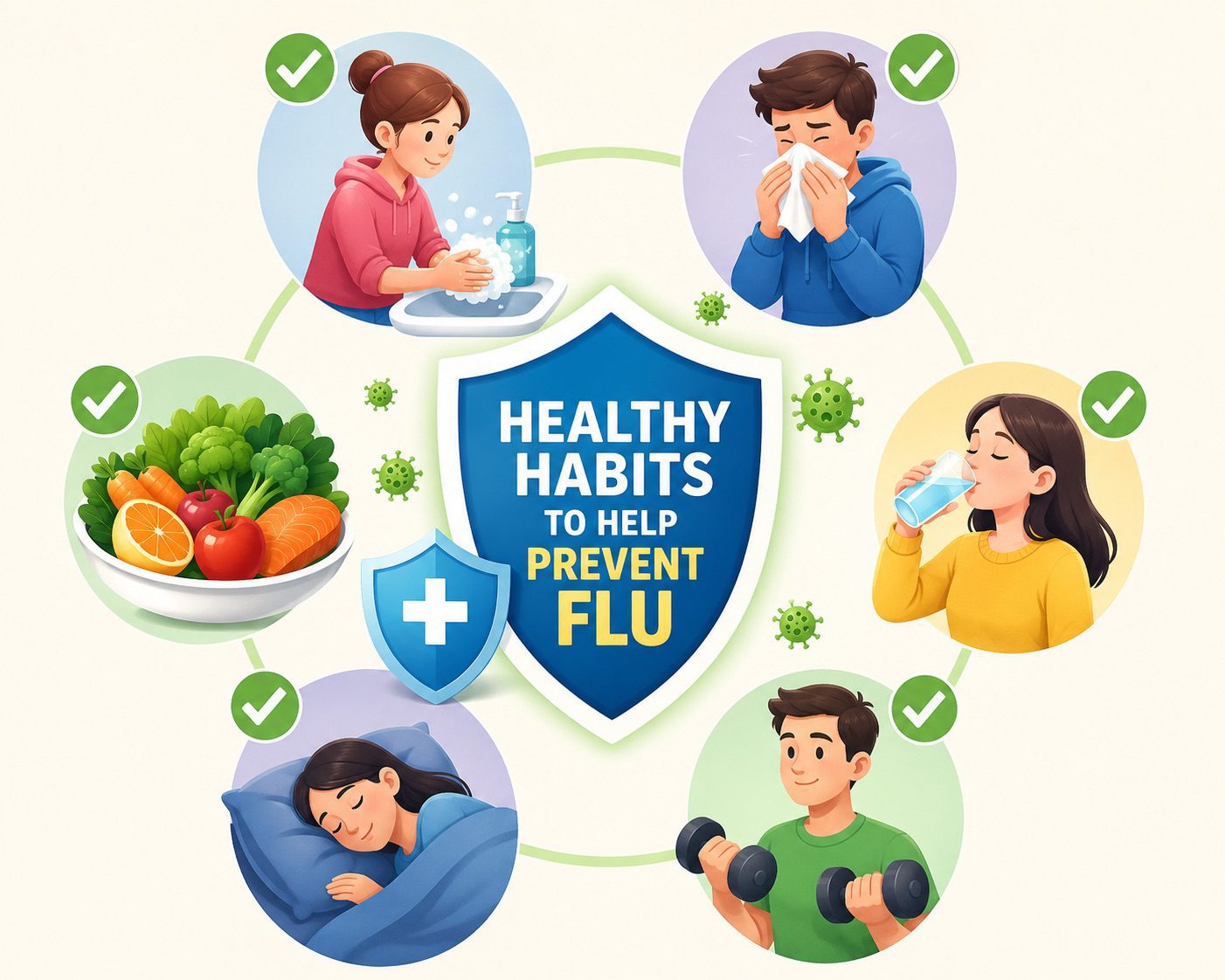
Maintaining good personal hygiene is one of the most effective ways to reduce the transmission of influenza viruses and other respiratory pathogens. Some of the everyday personal hygiene practices to adopt in order to keep flu at bay include:
1. Avoiding close contact with people who are sick. Influenza spreads easily through close person-to-person contact. If someone around you is experiencing flu-like symptoms such as fever, cough, sore throat, or body aches, limit unnecessary contact whenever possible. Similarly, if you become ill, keep your distance from family members, friends, coworkers, and others to reduce the likelihood of spreading the infection.
2. Staying home when you are sick. If you develop flu symptoms, remain at home except when seeking medical care. Avoid going to work, school, social gatherings, or public places until you have recovered. Staying home not only allows your body time to rest and heal but also helps prevent outbreaks in schools, workplaces, and communities. Returning too soon may expose vulnerable individuals to infection.
3. Covering your mouth and nose when coughing or sneezing. Always cover your mouth and nose with a tissue when coughing or sneezing. Dispose of the used tissue immediately in a waste bin and wash your hands afterward. If a tissue is unavailable, cough or sneeze into your elbow rather than your hands. This simple practice helps reduce the spread of respiratory droplets that carry influenza viruses. Other respiratory diseases, including respiratory syncytial virus (RSV), whooping cough, and severe acute respiratory syndrome (SARS), can also spread through coughing, sneezing, and contaminated hands.
4. Washing your hands frequently. Hand hygiene is one of the simplest and most effective methods of preventing infection. Wash your hands thoroughly with soap and clean running water for at least 20 seconds, especially after coughing, sneezing, blowing your nose, using the restroom, or before eating and preparing food. When soap and water are unavailable, use an alcohol-based hand sanitizer containing at least 60% alcohol. Regular hand cleaning removes germs before they can spread to yourself or others.
5. Avoiding touching your eyes, nose, and mouth. Many infections occur when contaminated hands come into contact with the face. Influenza viruses can survive on frequently touched objects such as door handles, mobile phones, keyboards, and elevator buttons. Avoid touching your eyes, nose, or mouth unless your hands are clean to minimize the risk of introducing viruses into your body.
Healthy lifestyle habits that strengthen protection against flu
Preventing influenza requires a combination of vaccination, good hygiene, and healthy lifestyle practices. While no single measure offers complete protection, adopting these habits consistently can substantially reduce your risk of becoming infected and transmitting the virus to others. By getting vaccinated annually, practicing proper respiratory etiquette, maintaining good hand hygiene, and supporting your immune system through healthy living, you can help protect yourself, your loved ones, and your community during every flu season. In addition to practicing good hygiene, maintaining a healthy lifestyle supports your immune system and reduces your susceptibility to infections. Some lifestyle habits to imbibe are:
1. Clean and disinfect frequently touched surfaces. Regularly disinfect commonly touched objects and surfaces at home, school, and the workplace, including light switches, countertops, desks, phones, keyboards, remote controls, and door handles. Cleaning is particularly important when someone in the household is ill, as viruses may survive on surfaces for several hours.
2. Get enough sleep. Adequate sleep is essential for maintaining a healthy immune system. Adults should aim for 7-9 hours of quality sleep each night, while children and adolescents require even more depending on their age. Poor sleep can weaken immune defenses and increase the likelihood of illness.
3. Stay physically active. Regular physical activity contributes to overall health and supports normal immune function. Moderate exercise such as walking, cycling, swimming, or other enjoyable activities helps improve circulation, reduce stress, and maintain physical fitness. Aim for at least 150 minutes of moderate-intensity exercise each week, unless otherwise advised by a healthcare professional.
4. Manage stress effectively. Chronic stress can negatively affect the body’s immune response. Healthy stress-management techniques including deep breathing, meditation, prayer, relaxation exercises, spending time outdoors, or engaging in hobbies can help maintain emotional well-being and support overall health.
5. Eat a balanced, nutritious diet and stay hydrated. A healthy diet rich in fruits, vegetables, whole grains, lean proteins, and healthy fats provides essential vitamins and minerals needed for optimal immune function. Drinking plenty of water throughout the day helps maintain hydration and supports normal body functions. Limiting excessive consumption of sugary foods, processed foods, and alcohol also contributes to better overall health.
Preventing flu at work and school
Schools and workplaces are environments where people spend many hours in close contact with one another, making them ideal settings for the rapid spread of influenza and other respiratory illnesses. Crowded classrooms, shared office spaces, communal facilities, and frequently touched surfaces increase the risk of transmission, particularly during the flu season. Implementing effective preventive measures in these settings helps reduce illness, minimizes absenteeism, and protects the health of students, employees, families, and the wider community.
Although annual influenza vaccination remains the most effective method of preventing seasonal flu, additional infection prevention and control measures are equally important. Educational institutions and workplaces should promote good hygiene, encourage sick individuals to stay home, maintain clean environments, and establish clear procedures for managing influenza outbreaks. By working together, schools, employers, parents, students, and employees can significantly reduce the spread of influenza.
Preventing flu in schools and educational institutions
Children and young adults are particularly vulnerable to influenza because they frequently interact in classrooms, playgrounds, cafeterias, and dormitories where viruses can spread easily. Schools, childcare centers, and colleges therefore play a critical role in preventing influenza transmission.
Parents should familiarize themselves with their child’s school or childcare program’s influenza preparedness and response plans. Schools should have clear procedures for managing flu outbreaks, including communication with parents, reporting illness, and implementing temporary preventive measures when necessary. Parents should also find out whether seasonal influenza vaccinations are offered on-site or through partnerships with local healthcare providers. Easy access to vaccination can increase vaccine uptake and reduce the number of influenza cases during the school year.
Maintaining a clean learning environment is another important preventive measure. Schools should routinely clean and disinfect frequently touched surfaces such as desks, chairs, door handles, handrails, computer keyboards, toys, classroom equipment, and cafeteria tables. These surfaces can harbor influenza viruses for several hours, increasing the likelihood of indirect transmission. Regular cleaning helps reduce the number of infectious germs present in the environment.
Educational institutions should also ensure that adequate hygiene supplies are readily available throughout the school. Classrooms, restrooms, cafeterias, and common areas should be stocked with tissues, soap, clean running water, paper towels, alcohol-based hand sanitizers, and disposable disinfectant wipes. Encouraging students and staff to wash their hands frequently, especially before eating and after coughing or sneezing, significantly reduces the spread of respiratory viruses.
Schools should have procedures for identifying and managing students or staff members who become ill during the day. Individuals with flu-like symptoms should be separated from healthy students and supervised in a designated area until they can safely return home. Staff responsible for caring for sick individuals should follow appropriate infection prevention practices, including proper hand hygiene and, where appropriate, the use of personal protective equipment. Parents should also keep children at home when they have fever or other symptoms of influenza to prevent transmission within the school community.
Health education should be integrated into school activities to teach students the importance of respiratory etiquette, regular handwashing, vaccination, and staying home when ill. These healthy behaviors not only reduce influenza transmission but also help prevent many other infectious diseases.
Preventing flu in the workplace
Workplaces are another common setting for influenza transmission because employees often work in close proximity, share office equipment, attend meetings, and interact with customers or clients. Influenza outbreaks can reduce productivity, increase absenteeism, and disrupt normal business operations. Employers and employees therefore share responsibility for maintaining a healthy work environment.
Employers should establish workplace influenza preparedness plans that outline procedures for preventing, identifying, and managing influenza outbreaks. These plans should include policies encouraging employees to stay home when they are ill without fear of workplace penalties. Organizations should also determine whether annual influenza vaccinations can be provided on-site or arranged through occupational health services or local healthcare providers to improve vaccine accessibility.
Maintaining workplace cleanliness is essential for reducing the spread of influenza viruses. Frequently touched surfaces such as doorknobs, elevator buttons, telephones, computer keyboards, desks, printers, conference room tables, and shared equipment should be cleaned and disinfected regularly. Employees should also be encouraged to maintain clean personal workspaces and practice good hand hygiene throughout the day.
Workplaces should provide sufficient hygiene supplies, including tissues, soap, hand sanitizers containing at least 60% alcohol, paper towels, and disinfectant wipes. Visible reminders, such as posters promoting handwashing and respiratory etiquette, can reinforce healthy behaviors among staff and visitors.
Business continuity planning is another important aspect of influenza preparedness. Employees should be cross-trained to perform essential duties so that critical operations can continue if colleagues become ill or need to care for sick family members. Flexible work arrangements, including remote work where feasible, can further reduce workplace transmission during influenza outbreaks.
Employees should remain alert for early symptoms of influenza, including fever, cough, sore throat, muscle aches, and fatigue. Anyone who develops these symptoms while at work should leave the workplace as soon as possible, seek medical advice if necessary, and remain at home until they have recovered. Avoiding unnecessary contact with coworkers during illness helps protect others and limits workplace outbreaks.
Creating a healthy workplace culture requires cooperation between employers and employees. Encouraging annual influenza vaccination, supporting sick leave policies, maintaining hygienic work environments, and promoting healthy daily habits can significantly reduce the spread of influenza. By implementing these preventive measures consistently, schools and workplaces can protect the health of their communities while ensuring that learning and business activities continue with minimal disruption during the influenza season.
References
www.cdc.gov/flu/prevent/actions-prevent-flu.htm
www.who.int/news-room/fact-sheets/detail/influenza-(seasonal)
www.influenzacentre.org/About_Influenza.html
www.healthpolicy-watch.news/who-europe-warns-of-influenza-spread/
www.infektionsschutz.de/en/infektionen/erregersteckbriefe/flu-influenza/
Discover more from Microbiology Class
Subscribe to get the latest posts sent to your email.