

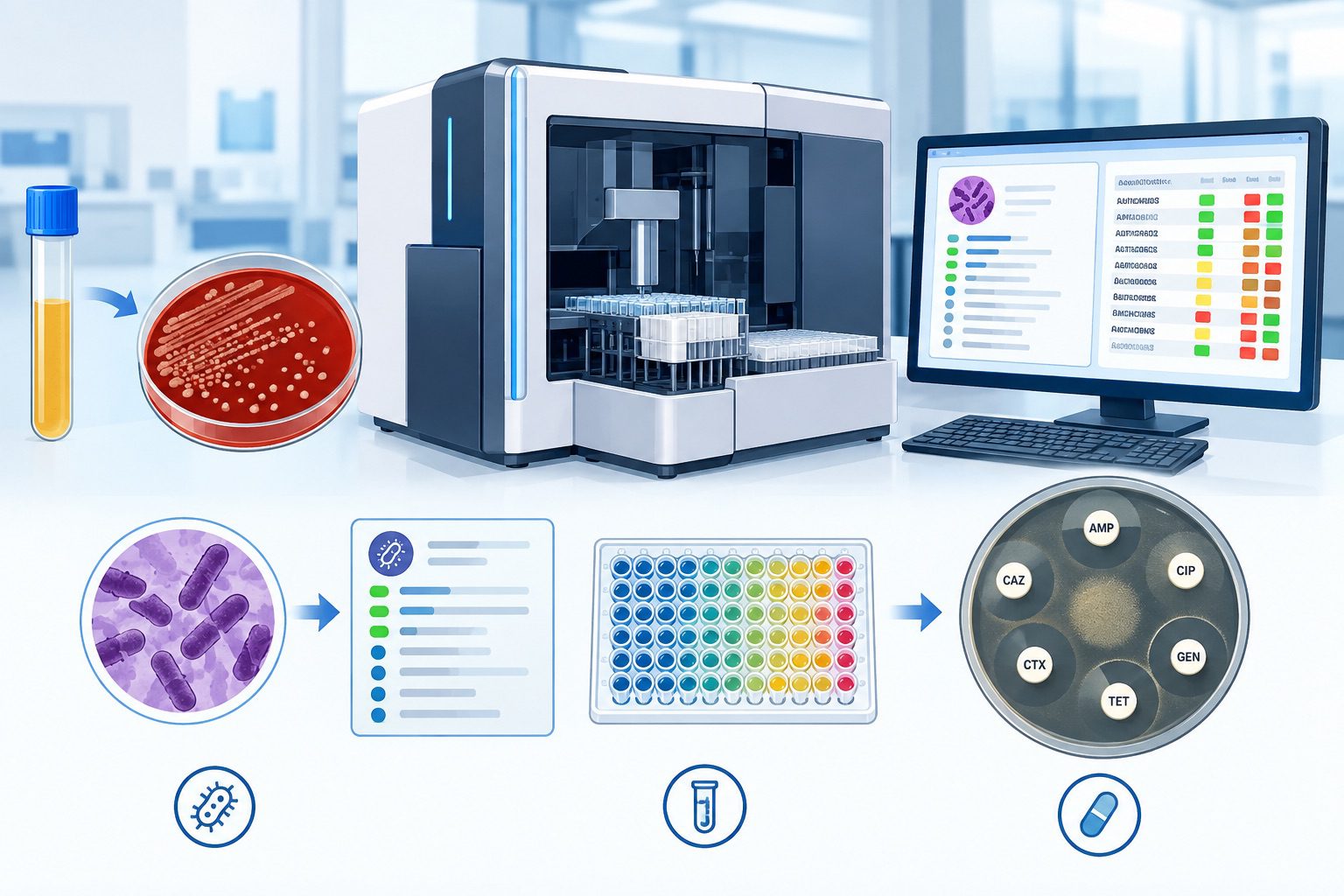
The rapid and accurate identification of bacterial pathogens and determination of their antimicrobial susceptibility are […]
Tag: staphylococcus
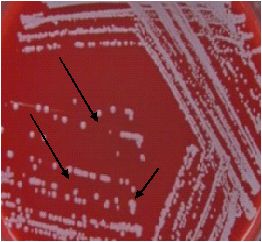
STAPHYLOCOCCUS AUREUS
Staphylococcus aureus, a Gram-positive bacterium, is often found in the nose and skin of humans. It causes various infections including pneumonia, gastroenteritis, and toxic shock syndrome, aided by its production of toxins and enzymes. Resistant strains like MRSA are prevalent. Prevention relies on hygiene practices, as vaccines are unavailable.
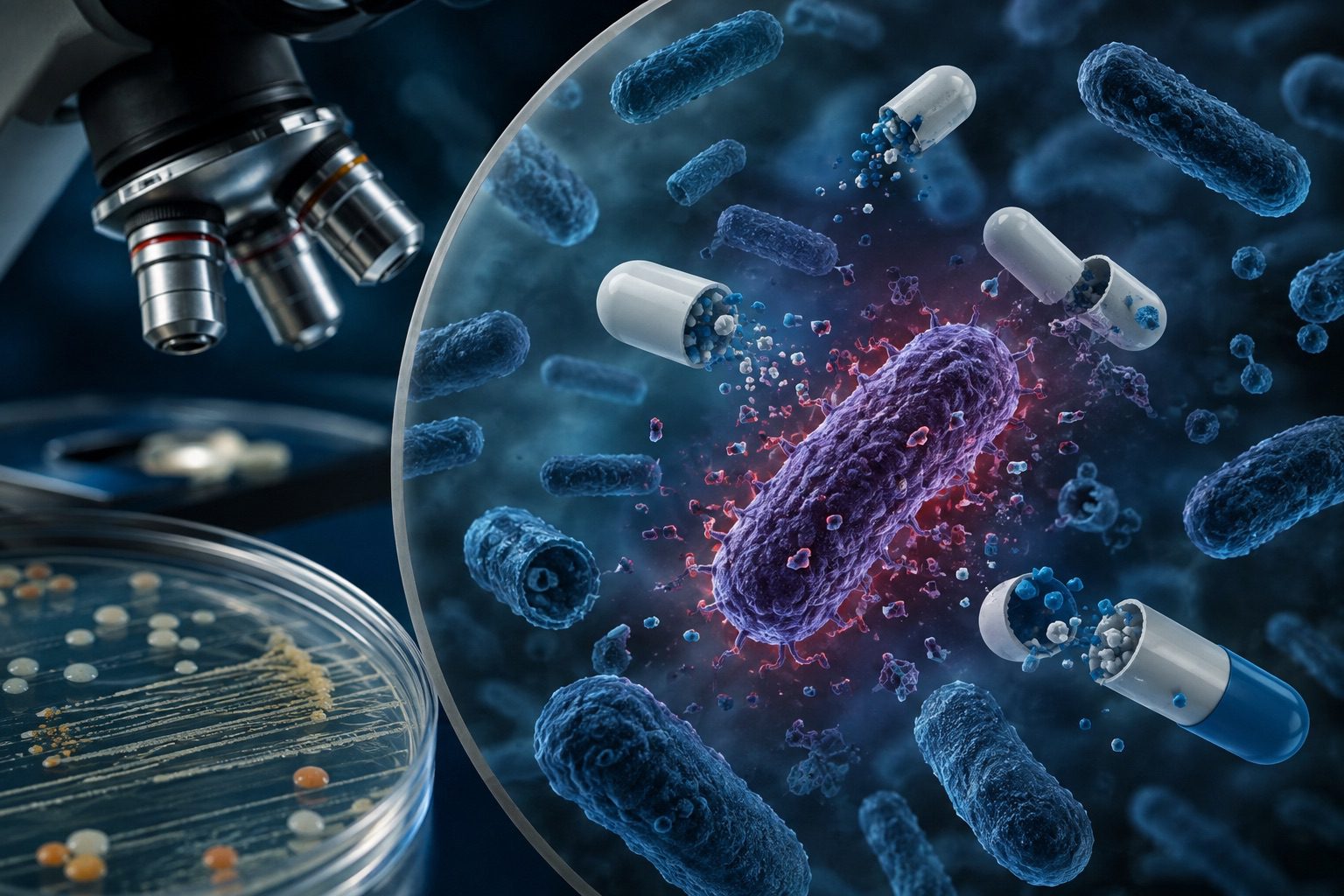
Brief History of Antibiotic Resistance
Antibiotic (antimicrobial) resistance is one of the most significant challenges confronting modern medicine. It occurs […]
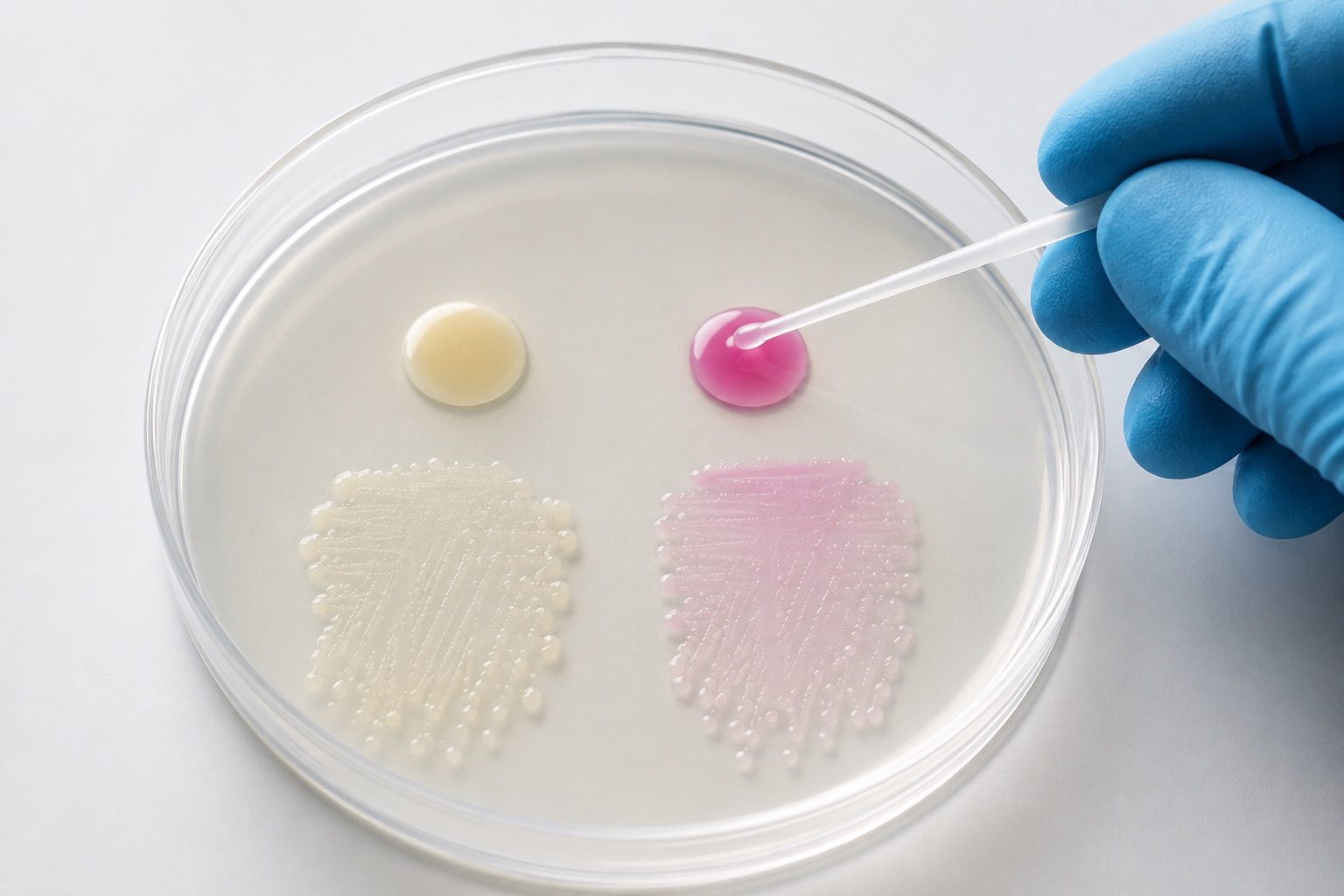
Nitrocefin test for Beta-Lactamase Production in Bacteria
Antimicrobial resistance has become an important challenge in clinical microbiology. This is because bacteria can […]
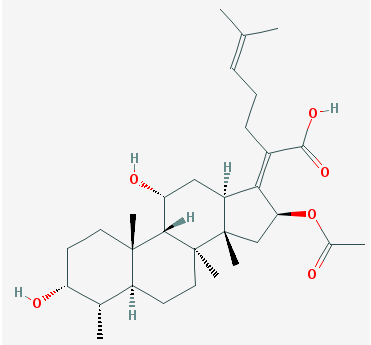
Fusidic Acid
Fusidic acid is a naturally occurring antimicrobial compound belonging to the fusidane class of antibiotics […]
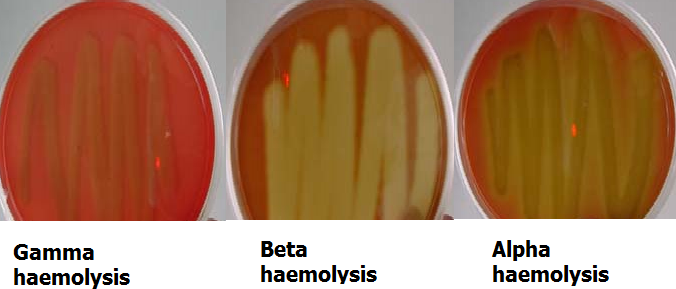
BLOOD AGAR HAEMOLYSIS TEST
Blood agar haemolysis is used to determine the haemolytic ability of some pathogenic microorganisms including […]

Introduction to Food Microbiology
Food microbiology is a specialized branch of microbiology that focuses on the study of microorganisms […]