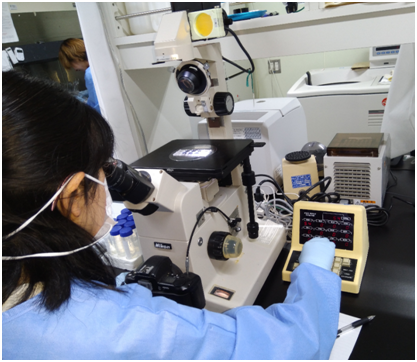


Bioremediation is a scientifically grounded, sustainable approach to environmental clean-up that harnesses biological systems to detoxify polluted ecosystems. The term is derived from “bio” (life) and “remediate” (to correct or solve a problem). In technical terms, bioremediation refers to the use of living organisms primarily microorganisms and plants to degrade, transform, immobilize, or detoxify hazardous contaminants in soil, water, sediments, and air. It is fundamentally a biotechnology-driven waste management strategy that leverages naturally occurring metabolic pathways to convert toxic compounds into less harmful end products such as carbon dioxide, water, methane, and inorganic salts. At its core, bioremediation exploits the metabolic versatility of microorganisms. Many bacteria, fungi, and algae possess enzymatic systems capable of utilizing pollutants as carbon and energy sources. Through oxidative, reductive, hydrolytic, or cometabolic reactions, these organisms break down complex organic molecules into simpler, less toxic forms. This biological degradation constitutes the primary mechanism for removing biodegradable contaminants from the environment.
Bioremediation represents a scientifically robust and environmentally sustainable solution to pollution management. By leveraging the metabolic capabilities of microorganisms and plants, contaminated soils, water bodies, and even atmospheric systems can be restored toward their natural states. The approach integrates microbiology, enzymology, environmental engineering, and ecological principles to provide a low-cost, minimally invasive remediation strategy. As global industrialization and agricultural intensification continue to generate diverse pollutants, bioremediation stands out as a viable and scalable intervention for environmental restoration. When properly designed, monitored, and optimized, it offers a practical pathway toward ecosystem recovery and long-term environmental sustainability.
Microorganisms Involved in Bioremediation
Bioremediation is fundamentally driven by the metabolic diversity and enzymatic competence of microorganisms. These organisms possess highly adaptable catabolic pathways that enable them to utilize environmental pollutants as sources of carbon, energy, or electron acceptors. The success of any bioremediation strategy depends largely on the composition, functional capacity, and ecological resilience of the microbial community present at the contaminated site. The principal microbial groups involved include aerobic bacteria, anaerobic bacteria, methanotrophic bacteria, and fungi. These microbial groups form dynamic consortia within contaminated environments. Their synergistic interactions often enhance degradation efficiency beyond what individual species can achieve alone. Understanding the ecological roles and metabolic capabilities of these microorganisms is therefore essential for designing effective and sustainable bioremediation strategies.
Aerobic Bacteria
Aerobic bacteria represent one of the most extensively studied groups in bioremediation. These organisms require molecular oxygen as a terminal electron acceptor and are particularly effective in degrading petroleum hydrocarbons, pesticides, phenolic compounds, and various industrial solvents. Genera such as Pseudomonas, Alcaligenes, Sphingomonas, Rhodococcus, and Mycobacterium are frequently isolated from contaminated soils and aquatic systems due to their remarkable catabolic versatility.
Members of the genus Pseudomonas are renowned for their metabolic flexibility and ability to degrade aromatic hydrocarbons through well-characterized oxygenase enzyme systems. These bacteria can mineralize compounds such as toluene, xylene, and naphthalene by introducing oxygen into the aromatic ring structure, thereby initiating ring cleavage and subsequent breakdown into simpler intermediates that enter central metabolic pathways such as the tricarboxylic acid (TCA) cycle.
Rhodococcus species are notable for their capacity to degrade long-chain alkanes and complex hydrophobic substrates due to their hydrophobic cell surfaces and biosurfactant production. Biosurfactants enhance hydrocarbon bioavailability by increasing solubility and facilitating microbial access to otherwise poorly soluble contaminants. Similarly, Sphingomonas species are effective in degrading polycyclic aromatic hydrocarbons (PAHs) and chlorinated organic compounds, often through cometabolic processes.
Aerobic biodegradation typically results in complete mineralization of organic pollutants into carbon dioxide, water, and biomass, making it one of the most efficient remediation mechanisms under oxygen-rich conditions.
Anaerobic Bacteria
In oxygen-limited or anoxic environments such as deep sediments, groundwater aquifers, and waterlogged soils, anaerobic bacteria play a critical role in contaminant transformation. These microorganisms utilize alternative electron acceptors including nitrate, sulfate, ferric iron, manganese oxides, or carbon dioxide instead of oxygen.
Anaerobic bacteria are particularly important in the degradation of chlorinated solvents such as trichloroethylene (TCE) and perchloroethylene (PCE). Through a process known as reductive dechlorination, specialized bacteria sequentially remove chlorine atoms from the compound, ultimately converting highly toxic chlorinated solvents into less harmful substances such as ethene. This mechanism is central to the remediation of industrial degreasing agents and dry-cleaning solvents in groundwater systems.
Certain sulfate-reducing and iron-reducing bacteria also contribute to hydrocarbon degradation under anoxic conditions. Although anaerobic degradation is generally slower than aerobic processes due to lower energy yields, it remains indispensable for treating subsurface and sediment-associated contamination where oxygen delivery is impractical.
Methanotrophic Bacteria
Methanotrophs are a specialized group of aerobic bacteria capable of utilizing methane as their sole carbon and energy source. These organisms are ecologically significant in regulating atmospheric methane concentrations, a potent greenhouse gas. In bioremediation contexts, methanotrophs contribute to the mitigation of gaseous pollutants and participate in the cometabolic degradation of compounds such as trichloroethylene and other halogenated hydrocarbons.
Methane monooxygenase (MMO), the key enzyme in methanotrophs, catalyzes the oxidation of methane to methanol. This enzyme exhibits broad substrate specificity, allowing it to oxidize structurally similar contaminants incidentally. Consequently, methanotrophs are frequently explored in engineered bioreactors for the treatment of landfill gas emissions and contaminated groundwater.
Fungi
Fungi, particularly white rot fungi, are highly effective in degrading recalcitrant organic pollutants that resist bacterial degradation. Unlike many bacteria, fungi can grow in low-nutrient, low-pH, and low-moisture environments, making them advantageous in terrestrial remediation settings.
White rot fungi produce powerful extracellular oxidative enzymes such as lignin peroxidase, manganese peroxidase, and laccase. These enzymes possess high redox potential and low substrate specificity, enabling them to oxidize complex aromatic structures including lignin, dyes, pesticides, and polycyclic aromatic hydrocarbons. Because these enzymes function extracellularly, fungi can degrade large, insoluble molecules that cannot easily penetrate microbial cell membranes.
Fungal hyphae also physically penetrate contaminated substrates, increasing contact between enzymes and pollutants. This combination of biochemical and mechanical mechanisms enhances their utility in soil remediation and treatment of industrial effluents containing persistent organic pollutants.
Metabolic Versatility of Bioremediating Organisms
One of the defining characteristics of bioremediating microorganisms and plants is their remarkable metabolic versatility. Through diverse enzymatic pathways, these organisms are capable of transforming, detoxifying, mineralizing, or immobilizing a wide spectrum of environmental contaminants. This adaptability is largely driven by the evolutionary pressure exerted by naturally occurring organic compounds and anthropogenic pollutants, which has selected for microbes with broad catabolic capabilities.
These organisms are capable of metabolizing a broad spectrum of contaminants, including:
- Petroleum hydrocarbons (e.g., oil spills): Many aerobic bacteria can utilize crude oil components as carbon and energy sources. Through oxygenase-mediated reactions, hydrocarbons are oxidized to alcohols, aldehydes, and fatty acids before entering central metabolic pathways such as β-oxidation and the tricarboxylic acid cycle.
- Polycyclic aromatic hydrocarbons (PAHs): These structurally complex and recalcitrant compounds are degraded via dioxygenase-initiated ring-cleavage mechanisms. Certain fungi produce extracellular oxidative enzymes capable of breaking stable aromatic rings.
- Industrial effluents: Waste streams containing solvents, dyes, phenols, and other xenobiotics can be biologically treated through microbial redox reactions and cometabolism.
- Domestic sewage: Organic-rich wastewater is efficiently treated by microbial consortia that mineralize carbohydrates, proteins, and lipids into simpler inorganic compounds.
- Agricultural pesticides and herbicides: Specialized microbial strains possess hydrolytic and oxidative enzymes that detoxify organophosphates, carbamates, and chlorinated compounds.
- Alkanes and aromatic compounds: These are metabolized through monooxygenase and dioxygenase enzyme systems that initiate carbon chain oxidation.
- Certain heavy metals: Although not degradable, metals can be immobilized, reduced, or transformed into less bioavailable forms via microbial redox reactions and biosorption processes.
Mechanistic Basis of Bioremediation
Bioremediation relies on microbial enzymatic activity. When microorganisms encounter pollutants, they may use them as substrates for growth. Through metabolic processes, contaminants are enzymatically cleaved and converted into simpler compounds. For example, hydrocarbons in oil spills are oxidized and ultimately mineralized into carbon dioxide and water under aerobic conditions.
A particularly important group of enzymes in the degradation of recalcitrant organic pollutants are those secreted extracellularly by white rot fungi. These fungi produce ligninolytic enzymes capable of breaking complex carbon–carbon bonds in persistent organic pollutants such as PAHs. Key enzymes include:
- Manganese peroxidase (MnP): Manganese peroxidase (MnP) is a heme-containing extracellular enzyme produced by white rot fungi that catalyzes the oxidation of Mn²⁺ to Mn³⁺ in the presence of hydrogen peroxide. The generated Mn³⁺ forms complexes with organic acids and acts as a diffusible oxidizer, attacking phenolic structures in lignin and similar aromatic pollutants. Through this indirect oxidation mechanism, MnP degrades polycyclic aromatic hydrocarbons (PAHs), dyes, and other recalcitrant compounds, contributing significantly to soil and wastewater bioremediation processes.
- Lignin peroxidase (LiP): Lignin peroxidase (LiP) is a high-redox-potential heme enzyme capable of directly oxidizing non-phenolic aromatic compounds, which constitute a major portion of lignin and persistent organic pollutants. Using hydrogen peroxide as an oxidant, LiP catalyzes one-electron oxidation reactions that generate unstable radical intermediates, leading to cleavage of complex carbon–carbon and carbon–oxygen bonds. This enables LiP to degrade highly recalcitrant pollutants such as PAHs, chlorinated phenols, and certain industrial contaminants resistant to conventional microbial metabolism.
- Laccase: Laccase is a multicopper oxidase that catalyzes the oxidation of phenolic and some non-phenolic substrates using molecular oxygen as the terminal electron acceptor, producing water as the only by-product. Unlike peroxidases, laccase does not require hydrogen peroxide, enhancing operational stability in environmental systems. It oxidizes aromatic rings to form reactive radicals, facilitating polymer breakdown or transformation. With mediators, laccase can degrade dyes, PAHs, endocrine disruptors, and pesticides, making it valuable in eco-friendly bioremediation applications.
These enzymes exhibit broad substrate specificity and high redox potential, enabling them to oxidize structurally diverse environmental contaminants. Their lignolytic and peroxidase activities make them valuable tools in the remediation of industrially contaminated soils and sediments.
Types of Bioremediation Strategies
Bioremediation can be implemented using several strategic approaches depending on site conditions and contaminant characteristics:
1. Natural Attenuation (Bioattenuation)
Natural attenuation, also referred to as intrinsic bioremediation, depends entirely on the metabolic activity of indigenous microbial consortia already present at the contaminated site. These native microorganisms gradually degrade, transform, or immobilize pollutants through natural biochemical processes such as oxidation–reduction reactions, hydrolysis, and microbial mineralization. Environmental parameters including temperature, pH, redox potential, and nutrient availability regulate the degradation kinetics. Although no external amendments are introduced, systematic monitoring is essential to verify contaminant reduction rates, assess plume stability, and ensure that degradation endpoints meet regulatory thresholds within an acceptable timeframe.
2. Biostimulation
Biostimulation involves the deliberate modification of environmental conditions to enhance the activity and growth of indigenous degradative microorganisms. This is typically achieved through the addition of limiting nutrients such as nitrogen and phosphorus, electron acceptors like oxygen or nitrate, or organic substrates that promote cometabolism. Moisture adjustment and pH optimization may also be implemented to improve microbial metabolic efficiency. By correcting physicochemical constraints that limit biodegradation, biostimulation accelerates contaminant breakdown while maintaining the ecological integrity of native microbial communities. Careful dosing and site-specific optimization are critical to prevent nutrient overloading or unintended secondary contamination.
3. Bioaugmentation
Bioaugmentation entails the introduction of specialized microbial strains or consortia with well-characterized catabolic pathways capable of degrading specific contaminants. This approach is particularly valuable when indigenous microbial populations lack the metabolic capacity to degrade recalcitrant or xenobiotic compounds. The introduced organisms may be naturally occurring strains isolated from similar environments or laboratory-adapted cultures optimized for high degradation efficiency. Successful bioaugmentation requires compatibility between introduced strains and site conditions, including competition with native microbiota, environmental stress tolerance, and sustained survival. Performance monitoring is necessary to confirm colonization, persistence, and effective pollutant mineralization.
4. Enzymatic Bioremediation
Enzymatic bioremediation utilizes purified or partially purified extracellular enzymes derived from microorganisms to catalyze contaminant degradation directly at polluted sites. Unlike whole-cell systems, enzymatic treatment bypasses microbial growth constraints and focuses exclusively on catalytic transformation. Enzymes such as laccases, peroxidases, oxygenases, and dehalogenases exhibit high substrate specificity and can degrade structurally complex or recalcitrant organic compounds. This approach allows greater process control and can function under conditions unfavorable for microbial proliferation. However, enzyme stability, activity retention, and cost-effective production remain important considerations for large-scale field applications.
5. Phytoremediation
Phytoremediation is a plant-based remediation strategy that exploits the physiological and biochemical capabilities of vegetation and their associated rhizosphere microorganisms to remove, transform, or stabilize contaminants in soil and water systems. Through mechanisms such as phytoextraction, phytodegradation, rhizodegradation, phytostabilization, and phytovolatilization, plants contribute to contaminant reduction while improving soil structure and ecological restoration. Root exudates enhance microbial activity in the rhizosphere, promoting synergistic degradation processes. This in situ approach is particularly suitable for large, shallow, or moderately contaminated sites, although it generally requires longer timeframes compared to engineered remediation technologies.
Phytoremediation: A Green Extension of Bioremediation
Phytoremediation represents an emerging and environmentally friendly technology within the broader bioremediation framework. It involves the use of plants, their root systems, and associated microbial communities to detoxify contaminated environments. This process may include:
- Phytoextraction (uptake and accumulation of heavy metals)
- Phytodegradation (enzymatic breakdown within plant tissues)
- Phytostabilization (immobilization of contaminants in soil)
- Rhizodegradation (microbial degradation stimulated by root exudates)
- Phytovolatilization (conversion of contaminants into volatile forms)
Plants contribute to remediation through root exudates that stimulate microbial activity in the rhizosphere, enhancing degradation kinetics. Phytoremediation is particularly effective in treating contaminated soils, sediments, shallow groundwater, and certain atmospheric pollutants.
Advantages of Bioremediation
Bioremediation offers several distinct advantages over conventional physical and chemical remediation technologies:
- In situ application: Contaminated material does not need to be excavated or transported, reducing operational costs and environmental disturbance.
- Cost-effectiveness: Lower capital and operational expenditures compared to incineration or chemical treatments.
- Environmental compatibility: Utilizes natural biological processes with minimal ecological disruption.
- Reduced secondary pollution: Limited generation of harmful by-products.
- Public acceptance: Often perceived as a “green” and sustainable remediation method.
Unlike mechanical or chemical treatments, which may simply transfer pollutants from one medium to another, bioremediation aims at mineralization or detoxification.
Limitations and Considerations
A comprehensive site assessment is therefore essential before implementation. Parameters such as contaminant type, concentration, soil composition, and indigenous microbial populations must be evaluated to determine feasibility. Despite the advantages of bioremediation, it is not universally applicable. Several constraints of bioremediation include:
Pollutant Bioavailability
The effectiveness of bioremediation largely depends on the bioavailability of contaminants to microorganisms. Pollutants tightly bound to soil particles, trapped within micropores, or present in non-aqueous phase liquids may be inaccessible to microbial enzymatic systems. Hydrophobic compounds such as high-molecular-weight PAHs often exhibit low solubility, limiting microbial uptake and slowing degradation kinetics. Strategies such as surfactant addition or soil tillage may be required to enhance bioavailability.
Environmental Parameters (pH, Temperature, Moisture, Oxygen)
Microbial metabolic activity is strongly influenced by physicochemical environmental conditions. Most biodegrading bacteria function optimally within neutral pH ranges and moderate temperature conditions. Extreme acidity, alkalinity, drought, or temperature fluctuations can suppress enzymatic activity and reduce degradation efficiency. Additionally, oxygen availability determines whether aerobic or anaerobic pathways dominate, significantly influencing degradation rates and by-product formation in contaminated matrices.
Nutrient Availability
Efficient biodegradation requires balanced nutrient ratios, particularly carbon, nitrogen, and phosphorus. While contaminants may supply carbon, insufficient nitrogen or phosphorus can limit microbial growth and metabolic activity. Nutrient imbalances frequently constrain in situ remediation efforts. Biostimulation strategies involving controlled fertilizer amendments are often necessary to optimize microbial proliferation, enhance enzymatic expression, and sustain long-term contaminant mineralization without causing eutrophication or secondary pollution.
Toxicity Thresholds
High concentrations of certain contaminants may exert inhibitory or lethal effects on indigenous microbial populations. Heavy metals, chlorinated solvents, and concentrated hydrocarbons can disrupt cellular membranes, denature enzymes, or interfere with metabolic pathways. When contaminant toxicity exceeds microbial tolerance thresholds, biodegradation efficiency declines sharply. Pre-treatment steps such as dilution, immobilization, or phased remediation may be necessary to reduce toxicity to biologically manageable levels.
Time Requirements (Slower than Physicochemical Methods)
Bioremediation is inherently dependent on biological growth kinetics and enzymatic reaction rates, which are generally slower than chemical oxidation or thermal treatments. Complete mineralization of complex or recalcitrant compounds may require months to years, depending on site conditions. While cost-effective and environmentally sustainable, bioremediation demands long-term monitoring, regulatory patience, and realistic remediation timelines compared to rapid but expensive physicochemical alternatives.
Practical Implementation Framework for Bioremediation
For effective application of bioremediation in contaminated environments, the following stepwise approach is recommended:
- Site Characterization: Identify contaminant profile, concentration gradients, and environmental conditions.
- Microbial Assessment: Determine indigenous microbial diversity and degradative capacity.
- Feasibility Testing: Conduct laboratory-scale treatability studies.
- Strategy Selection: Choose between natural attenuation, biostimulation, bioaugmentation, or phytoremediation.
- Field Application: Apply amendments or introduce microbial/plant systems as required.
- Monitoring and Validation: Track contaminant reduction, microbial dynamics, and environmental recovery.
Environmental Factors Regulating Bioremediation Efficiency
The rate and success of bioremediation are primarily controlled by environmental conditions that influence microbial metabolism and enzymatic activity. Among the most critical parameters are temperature, pH, oxygen availability, and moisture content.
Temperature directly affects enzymatic reaction kinetics. Most biodegrading microorganisms are mesophilic, exhibiting optimal metabolic activity between approximately 20°C and 40°C. At lower temperatures, enzymatic reactions slow significantly due to reduced molecular motion, thereby decreasing contaminant degradation rates. Conversely, excessively high temperatures may denature microbial proteins and disrupt membrane integrity, leading to reduced viability.
Soil and groundwater pH also play a pivotal role. Most bacteria and fungi involved in biodegradation function best under near-neutral conditions (pH 6.5–7.5). Deviations from this range can alter enzyme conformation, reduce substrate solubility, and inhibit microbial growth. In acidic or alkaline environments, pH adjustment (e.g., liming acidic soils) may be necessary to optimize biodegradation performance.
Oxygen availability determines whether aerobic or anaerobic metabolic pathways dominate. Aerobic biodegradation typically proceeds more rapidly and achieves more complete mineralization of hydrocarbons because oxygen serves as an efficient terminal electron acceptor. However, in saturated soils or sediments where oxygen diffusion is limited, anaerobic pathways prevail. Although anaerobic microorganisms can degrade certain contaminants—particularly chlorinated compounds—the overall process is often slower.
Moisture content further regulates microbial activity by facilitating nutrient transport and substrate diffusion. Insufficient water limits microbial mobility and metabolic exchange, whereas excessive saturation can create anoxic conditions. Maintaining optimal moisture balance is therefore essential for sustained biodegradation.
Nutritional and Biological Requirements for Microbial Growth
Bioremediation depends on active microbial growth, which requires adequate nutrient supply and favorable biological conditions. Microorganisms require macronutrients primarily carbon (C), nitrogen (N), and phosphorus (P) for biomass synthesis and energy metabolism. While many pollutants serve as carbon sources, contaminated environments are frequently deficient in nitrogen or phosphorus. Such nutrient limitations restrict cell replication and enzyme production, thereby slowing contaminant degradation.
An appropriate C:N:P ratio is crucial for sustaining exponential microbial growth. If nitrogen or phosphorus becomes limiting, microbial proliferation declines even when carbon (pollutant) is abundant. In such cases, nutrient supplementation may be necessary to restore metabolic balance.
When environmental and nutritional requirements are adequately met, microbial populations increase exponentially, leading to enhanced enzymatic output and accelerated contaminant breakdown. However, when growth factors such as nutrients, oxygen, or favorable pH are lacking, microbial cells may enter stationary or death phases. This decline in biomass directly reduces biodegradation efficiency and prolongs remediation timelines.
Additionally, the intrinsic metabolic capability of the microbial community determines whether specific contaminants can be degraded. Some pollutants require specialized enzymatic pathways that may not be naturally present in all environments.
Enhancement Strategies: Natural Attenuation, Biostimulation, and Bioaugmentation
Bioremediation may occur naturally through intrinsic microbial activity, a process referred to as natural attenuation. In this approach, indigenous microorganisms gradually degrade contaminants without deliberate intervention, provided environmental conditions remain favorable. Regular monitoring is essential to ensure contaminant concentrations decline at acceptable rates.
When natural processes are insufficient, engineered enhancement strategies can be applied. Biostimulation involves modifying environmental conditions to stimulate native microbial communities. This may include adding nutrients (nitrogen and phosphorus), supplying oxygen through aeration, or adjusting pH to optimize microbial metabolism. Biostimulation leverages existing site-adapted microorganisms while correcting environmental limitations that constrain their activity.
Bioaugmentation, by contrast, involves the introduction of specialized microbial strains to enhance degradative performance. These strains may be naturally occurring (allochthonous) microorganisms selected for their ability to metabolize specific pollutants, or in controlled research settings, genetically modified microorganisms engineered for improved degradation efficiency. Successful bioaugmentation depends on the introduced strains’ ability to survive, compete, and maintain metabolic function within the native microbial ecosystem.
Factors that influence bioremediation
| Factors | Effects | |
| Oxygen | Oxygen is critical for microbial growth especially aerobic bacteria. Enough oxygen must be available to support the growth of aerobic microbes for the biodegradation of pollutants in a given environment. About 2 % oxygen in the gas phase or 0.4 mg/liter of oxygen in the soil/water is required for the biodegradation of materials in the environment. Oxygen is needed for the chemical reaction that occurs during bioremediation processes. | |
| Water | Water is another critical factor that is necessary for the optimal growth of microbes during bioremediation activities. Sufficient amount of water should be made available. The soil moisture that supports the optimal growth of microbes in contaminated soils or environments should be about 70 % of the water holding capacity of the soil. | |
| Nutrient | Both organic and inorganic nutrients are required for the optimal growth of microbes involved in bioremediation activities. Nitrogen, phosphorus, sulphur and other micro- and macro- nutrients are required to support the growth of the microorganisms required to spur the biodegradation of organic and/or inorganic materials in contaminated soil or environment. | |
| Temperature | Microbes grow at varying temperatures ranging from 0oC to 40oC and above. Appropriate temperature for microbial growth is required to spur the growth of the microorganisms that take part in bioremediation activities. | |
| pH | The optimal temperature range for the best growth of microbes in bioremediation sites is between 6.5 to 7.5. | |
| Microbial population | Microbes are ubiquitous and thus are found everywhere – even in contaminated/polluted soil. The suitable type of microbes must be available for the bioremediation process to be successful. This is because it is not all microbes that have the ability to degrade contaminants in the environment. Both aerobic and anaerobic microbes and methanotrophic bacteria are involved in bioremediation activities. | |
References
Abrahams P.W (2006). Soil, geography and human disease: a critical review of the importance of medical cartography. Progress in Physical Geography, 30:490-512.
Ahring B.K, Angelidaki I and Johansen K (1992). Anaerobic treatment of manure together with industrial waste. Water Sci. Technol, 30, 241–249.
Andersson L and Rydberg L (1988). Trends in nutrient and oxygen conditions within the Kattegat: effects on local nutrient supply. Estuar. Coast. Shelf Sci, 26:559–579.
Ballantyne A.P, Alden C.B, Miller J.B, Tans P.P and White J.W.C (2012). Increase in observed net carbon dioxide uptake by land and oceans during the past 50 years. Nature, 488: 70-72.
Baumgardner D.J (2012). Soil-related bacterial and fungal infections. J Am Board Fam Med, 25:734-744.
Jee C and Shagufta (2007). Environmental Biotechnology. APH Publishing Corporation, Darya Ganj, New Delhi, India.
Maier R.M, Pepper I.L. and Gerba C.P (2000). Environmental Microbiology. Academic Press, San Diego.
Miguel A, Manuel F, Francisco J.P and Antonio B (2006). Environmental biocatalysis: from remediation with enzymes to novel green processes. TRENDS in Biotechnology, 24(6):1-7.
Mishra B.B, Nanda D.R and Dave S.R (2009). Environmental Microbiology. First edition. APH Publishing Corporation, Ansari Road, Darya Ganj, New Delhi, India.
Paul E.A (2007). Soil Microbiology, ecology and biochemistry. 3rd edition. Oxford: Elsevier Publications, New York.
Pepper I.L and Gerba C.P (2005). Environmental Microbiology: A Laboratory Manual. Second Edition. Elsevier Academic Press, New York, USA.
Roberto P. Anitori (2012). Extremophiles: Microbiology and Biotechnology. First edition. Caister Academic Press, Norfolk, England.
Salyers A.A and Whitt D.D (2001). Microbiology: diversity, disease, and the environment. Fitzgerald Science Press Inc. Maryland, USA.
Sawyer C.N, McCarty P.L and Parkin G.F (2003). Chemistry for Environmental Engineering and Science (5th ed.). McGraw-Hill Publishers, New York, USA.
Ulrich A and Becker R (2006). Soil parent material is a key determinant of the bacterial community structure in arable soils. FEMS Microbiol Ecol, 56(3):430–443.
Discover more from Microbiology Class
Subscribe to get the latest posts sent to your email.